
Breakfast & Brunch
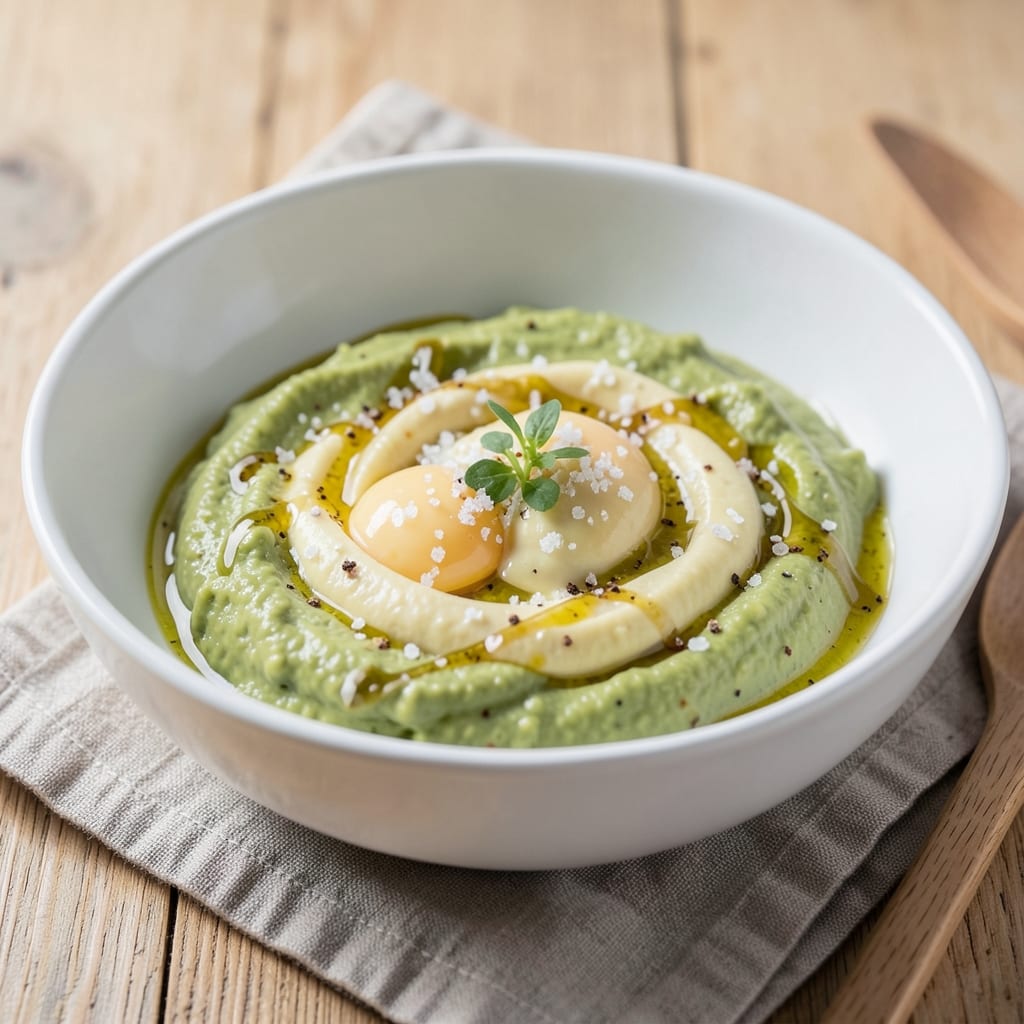
This avocado egg mayonnaise transforms simple ingredients into a velvety, ultra-smooth spread that adds richness to everything from sandwiches to salads. The secret lies in blending ripe avocado with egg yolks and a precise ratio of oil and acid—creating a stable emulsion that stays creamy without turning greasy. I developed this recipe after craving a healthier alternative to traditional mayo, packed with healthy fats and a subtle avocado flavor that enhances any dish.
The magic happens when you combine the avocado and egg yolks first, then gradually whisk in the oil while maintaining a steady drizzle. A splash of lemon juice or vinegar isn’t just for flavor—it’s essential for stability, preventing the emulsion from breaking. The result? A spread that’s smooth, rich, and perfectly balanced, with none of the heaviness of traditional mayonnaise. This recipe delivers restaurant-quality texture at home, with no special equipment needed beyond a whisk or immersion blender.
What makes this sauce truly versatile is its ability to elevate both sweet and savory dishes. Use it as a sandwich spread, a salad dressing base, or even a dip for veggies—its creamy avocado flavor pairs beautifully with everything from smoked salmon to grilled chicken. The best part? It keeps well in the fridge for up to five days, making it a perfect make-ahead condiment for busy mornings.
For those concerned about stability, the key is patience—whisking slowly and ensuring the acid component is well incorporated. Once mastered, this recipe becomes a game-changer for anyone looking to add a healthier, creamier twist to their favorite meals. Let’s get started on creating your own batch of this ultra-smooth spread.
Ingredients for avocado egg mayonnaise
Nine essential ingredients create a velvety avocado mayo with restaurant-quality texture and healthy richness.
| Ingredient | Amount | Notes |
|---|---|---|
| Ripe Avocados 🥑 | 2 whole | Firm but yielding when pressed |
| Large Egg Yolks 🥚 | 4 whole | Fresh, room temperature preferred |
| Extra-Virgin Olive Oil 🫒 | 1 cup | Lightly fruity, cold-pressed preferred |
| Fresh Lemon Juice 🍋 | 2 tbsp | From organic lemons, strained |
| Apple Cider Vinegar 🍶 | 1 tbsp | For acid balance and stability |
| Diamond Crystal Kosher Salt 🧂 | ½ tsp | Fine grain for even dissolving |
| Ground Black Pepper 🌶️ | ¼ tsp | Freshly cracked for aroma |
| Garlic Cloves 🧄 | 1 whole | Minced, for subtle depth |
| Cold Water 💧 | 1 tbsp | Ice bath for emulsion stability |
The avocados are the foundation—choose Hass variety at peak ripeness (just slightly soft to the touch). Whole Foods or local farmers markets often carry the freshest, most flavorful avocados, but any grocery store's produce section will work. For egg yolks, room temperature is ideal, so let them sit in a bowl for 10-15 minutes before using. The olive oil should be extra-virgin with noticeable fruity notes—California Olive Ranch or Colavita are excellent choices. Lemon juice is critical for both flavor and emulsion stability, so use freshly squeezed rather than bottled. The garlic adds subtle complexity without overpowering the delicate avocado flavor, while the apple cider vinegar enhances the tang and helps bind the emulsion.
No ripe avocados? Use 1 fully ripe avocado plus 1 slightly firm one—the firm one will soften during blending. Running short on egg yolks? Substitute 4 tbsp aquafaba (chickpea brine) for a vegan version, though texture will differ slightly. For the oil, avocado oil works beautifully but has a higher smoke point. If you prefer less tang, reduce the vinegar to 1 tsp and increase lemon juice by 1 tbsp. The salt and pepper should be freshly ground—pre-ground loses potency quickly. For a garlic-free version, simply omit it entirely, as the avocado's natural creaminess carries the flavor profile beautifully. The cold water acts as an emulsifier, so don't skip it—it's what prevents the mayo from breaking during storage.
This avocado mayo keeps exceptionally well—up to 5 days in an airtight container in the refrigerator. For longer storage, portion into small glass jars and freeze for up to 3 months. When ready to use, let it sit at room temperature for 10 minutes before blending again to restore its velvety texture. The emulsion may separate slightly in the fridge, but a quick whisk or immersion blender brings it back together. For best results, store the mayo under a thin layer of olive oil to prevent oxidation. This recipe yields about 1.5 cups—perfect for a week's worth of sandwiches, dressings, or dips, with enough left for creative uses like avocado mayo deviled eggs or as a creamy base for soups.
Why You'll Love This Recipe
- Here’s what sold me: I can make a whole jar for under $5, and it’s way more exciting than regular mayo. Avocados are the star, but the yolks and olive oil stretch it far. Plus, no weird preservatives—just real ingredients that actually work together. My wallet and taste buds both win.
- No Blender Needed: I’ll admit, I was skeptical at first—no blending? But the hand-mashing method actually works better. You just smash the avocado right in the bowl with the yolks, then slowly drizzle in that olive oil while stirring like your life depends on it. The result? Silky, no lumps, and zero cleanup.
- Creamy Without Mayo: Honestly, this tastes like the mayo I grew up on, but it’s actually good for me. The avocado gives it that rich, velvety texture, while the lemon and vinegar keep it bright—no weird aftertaste. Spread it on toast, dip chips in it, or slather it on a sandwich. It’s the kind of thing that makes you question why you ever bought store-bought mayo.
- Meal Prep MVP: Between us, this stuff keeps perfectly for days in the fridge. I make a big batch on Sundays, toss it in a jar, and use it all week—on eggs, in wraps, or even as a quick pasta sauce. The acid from the vinegar and lemon actually makes it taste better after a few days, which is wild.
Step-by-step instructions for avocado egg mayonnaise
This method delivers a velvety, ultra-stable emulsion with avocado's signature creaminess.
Prepare the Avocado Base
Cut the 2 whole ripe avocados in half, remove the pits, and scoop the flesh into a food processor. I like to use a sharp paring knife for this—it gives you better control than a spoon. The avocados should be firm but yield slightly when pressed; if they're too soft, they'll make the mayonnaise too thin.
Add the minced 1 whole garlic clove, 0.5 teaspoon Diamond Crystal kosher salt, and 0.25 teaspoon ground black pepper to the processor. Pulse everything together until you achieve a completely smooth, uniform paste with no visible chunks. This ensures your emulsion will be perfectly smooth, not grainy. The garlic should be finely incorporated but not pulverized—just enough to add subtle depth without overpowering.
Create the Egg Yolk Emulsion
In a separate bowl, whisk together the 4 whole large egg yolks with the 2 tablespoons fresh lemon juice and 1 tablespoon apple cider vinegar. The acidity from the lemon and vinegar helps stabilize the emulsion by balancing the fats. Whisk vigorously for about 1 minute until the yolks become pale and slightly thickened—this is crucial for creating a stable base that can properly emulsify the olive oil.
With the food processor running, slowly drizzle in the 1 cup extra-virgin olive oil through the feed tube. Start with a very slow stream—this gradual incorporation is what creates that signature creamy texture. The mixture will begin to thicken and turn a pale yellow color. If it starts to separate, simply stop adding oil and let the processor run for another 10 seconds before continuing. This technique prevents the emulsion from breaking.
Combine and Stabilize the Mixture
Transfer the avocado paste from the food processor to the bowl with the egg yolk mixture. Using a spatula, gently fold everything together until fully combined. The texture should be thick and cohesive, with no streaks of avocado or egg yolk visible. This is where the magic happens—the avocado's natural fats and emulsifiers work with the egg yolks to create a stable, creamy base.
With the food processor running again, slowly drizzle in the remaining olive oil while scraping down the sides of the bowl with a spatula. The mixture should begin to thicken noticeably as it emulsifies. If it starts to look too thin, add the 1 tablespoon cold water drop by drop until you achieve the perfect consistency—smooth, thick, and spreadable. The cold water helps stabilize the emulsion by slightly cooling the fats, preventing separation.
Final Adjustments and Storage
Taste the mayonnaise and adjust the seasoning if needed. I usually add a pinch more salt or a crack of black pepper to balance the flavors. The mayonnaise should have a bright, slightly tangy taste with a clean finish. If it's too thick, thin it with a teaspoon of water; if it's too thin, add a teaspoon of olive oil and pulse briefly in the food processor.
Transfer the mayonnaise to a clean, airtight container and refrigerate immediately. It will keep for up to 5 days in the refrigerator, but I recommend using it within 3 days for the best texture and flavor. The cold temperature helps preserve the emulsion's stability. When ready to use, give it a quick stir—it may thicken slightly in the fridge, but it should still be smooth and spreadable. This avocado egg mayonnaise is perfect for sandwiches, salads, or as a creamy dip.
Pro Tips For Making Avocado Egg Mayonnaise
- Whisk Yolks Slowly: Start with a tablespoon of warm water or vinegar in the bowl before adding yolks—this prevents scrambling when the oil hits. I learned this the hard way after watching three batches of mayo curdle into a sad, grainy mess.
- Mash Avocado First: Use a fork to break up the avocado into tiny chunks before blending—this ensures a silky texture instead of a chunky, uneven mix. I used to puree whole halves, and the result always felt too thick and uneven.
- Balance Oil Gradually: Add olive oil in tiny drizzles (about ½ teaspoon at a time) while whisking constantly—rushing leads to broken emulsions. I was skeptical until I tried it: the mayo stays rich but never turns greasy or separates.
- Acid First, Then Oil: Mix lemon juice and vinegar into the yolks before adding oil—this stabilizes the emulsion from the start. After burning through two batches of runny, watery mayo, I finally got why the pros always pre-mix the acids.
Regional styles of avocado egg mayonnaise
Mexican-Inspired Guacamole Mayo
In Mexico, avocado is king, so why not transform this mayo into a guacamole-mayo fusion? Swap the garlic for ½ tsp ground cumin and ¼ tsp smoked paprika, then add 2 tbsp finely diced red onion and 1 tbsp chopped cilantro at the end. A splash of lime juice (instead of lemon) and ½ tsp chili powder elevate it to a perfect spread for tacos or nachos. 🌶️
Japanese Avocado Sesame Mayo
For a Japanese twist, replace the apple cider vinegar with 1 tbsp rice vinegar and add 1 tbsp toasted sesame oil and ½ tsp grated fresh ginger to the avocado base. Finish with 1 tsp toasted sesame seeds for crunch. This version pairs beautifully with sushi rolls or as a dip for edamame. The nutty sesame complements the avocado’s creaminess perfectly.
Southern-Style Avocado Mayo
Southern cooks love bold flavors, so infuse this mayo with ½ tsp cayenne pepper and 1 tsp smoked salt (like Morton’s Kosher Blend). Add 1 tbsp hot sauce (like Crystal or Tabasco) and a pinch of onion powder for depth. This spicy-sweet version is ideal for grilled chicken sandwiches or as a dip for collard greens. Trust me, it’s a game-changer for BBQ spreads!
Mediterranean Herb Mayo
Brighten it up Mediterranean-style by adding 1 tbsp finely chopped fresh dill and 1 tbsp chopped parsley to the avocado base. Swap the apple cider vinegar for 1 tbsp red wine vinegar and add ½ tsp dried oregano. A pinch of crushed fennel seeds adds a unique anise note. This herbaceous mayo shines on grilled fish or as a dressing for Greek salads. ✨
Smoky Chipotle Mayo
For a smoky kick, blend 1 tsp adobo sauce (from canned chipotles) into the avocado base and add ½ tsp chipotle powder to the egg yolk mixture. A dash of liquid smoke (just ¼ tsp) deepens the flavor without overpowering. This version is perfect for slathering on burgers or drizzling over black beans. The smoky heat pairs surprisingly well with the avocado’s richness.
Nutrition facts
Frequently asked questions
Can I make this avocado mayo without a food processor?
Yes! You can use a whisk and a bowl, but it requires more elbow grease. Start by mashing the avocado with a fork until completely smooth, then mix it with the egg yolks. Slowly drizzle in the oil while whisking constantly—this takes 5-10 minutes of steady whisking. The cold water helps stabilize the emulsion, so add it drop by drop if needed. Patience is key for that creamy texture!
Why did my avocado mayo turn brown or separate?
Brown color means oxidation—always store it in an airtight container with a thin layer of olive oil on top. Separation happens when oil is added too quickly or the emulsion isn't stabilized. Next time, whisk the egg yolks with acid first, then add oil very slowly. If it separates, just whisk again—it'll come back together! The cold water in the recipe helps prevent this.
How can I make this vegan?
Replace the egg yolks with 4 tbsp aquafaba (chickpea brine) or ¼ cup silken tofu blended smooth. Use 1 extra tbsp lemon juice for stability, and add 1 tsp cornstarch to help bind the emulsion. The texture will be slightly lighter but still creamy. Store vegan versions in the fridge and use within 3 days for best results.
Can I use this as a salad dressing?
Thin it with 1-2 tbsp water or citrus juice until it reaches drizzling consistency. For extra flavor, add 1 tsp Dijon mustard or ½ tsp honey. It works beautifully on spinach salads, grain bowls, or as a creamy base for vinaigrettes. The avocado adds a luxurious richness that traditional mayo can't match.
What's the best way to use up leftover avocado mayo?
Try it as a sandwich spread, dip for veggies, or base for deviled eggs. For something unexpected, mix it into pasta sauce or use it to bind tuna salad. It also makes an amazing creamy soup base—just thin with broth. Freeze portions in ice cube trays for easy single-use servings. Every bite tastes like a flavor upgrade!