
Breakfast & Brunch
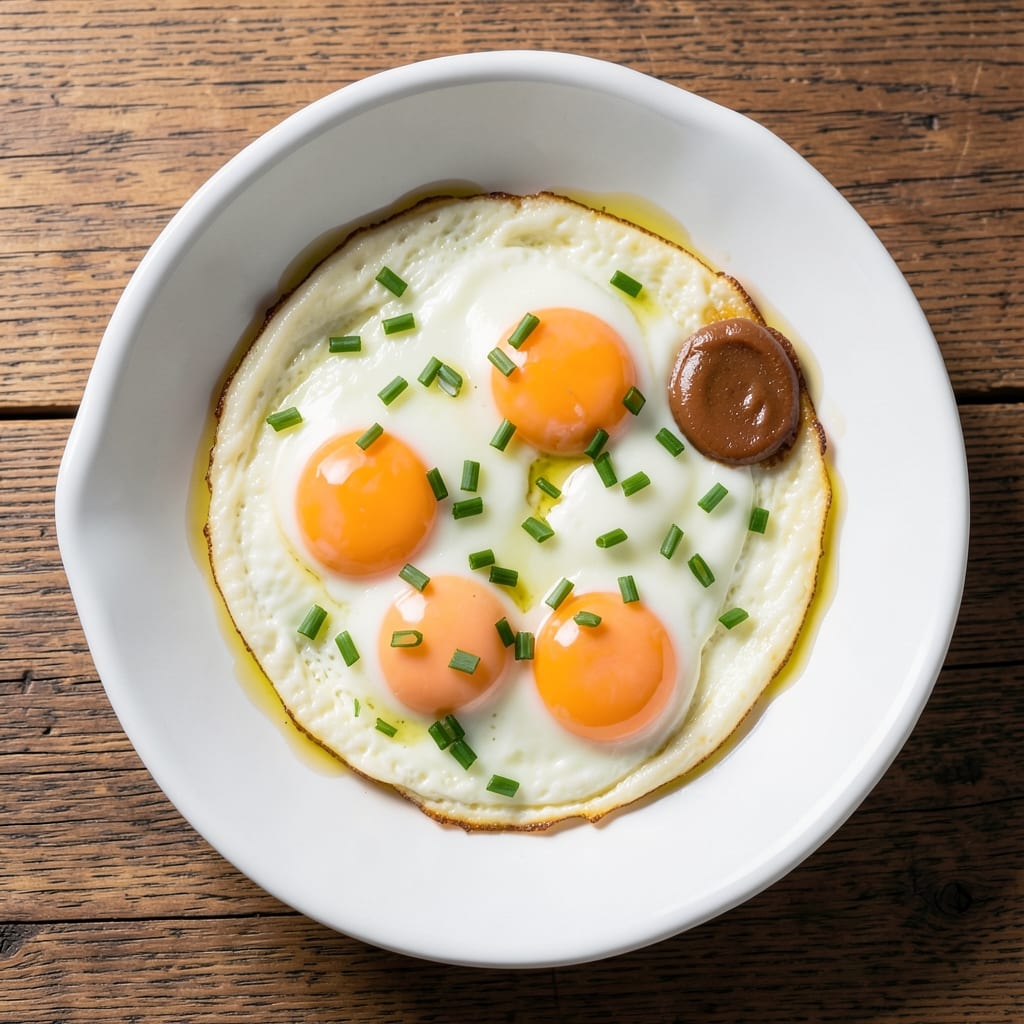
A basic egg omelette recipe transforms simple ingredients into a restaurant-worthy breakfast in just minutes. The secret lies in gentle heat and constant motion—no flipping or breaking, just smooth, fluffy layers that hold together perfectly. I've perfected this method after years of trial (and a few failed attempts), ensuring every bite delivers that ideal custardy texture without a single crack.
This recipe starts with just three essential ingredients: eggs, butter, and a pinch of salt—no fancy fillings required. The technique focuses on low, even heat and continuous stirring until the eggs reach that signature soft-curd stage. That's when you stop cooking, fold with confidence, and serve immediately. The result? A tender, golden omelette with no dry edges or rubbery centers.
What makes this omelette stand out is its foolproof structure—no more worrying about breakage or overcooking. The key is patience: letting the eggs cook slowly while you stir, then folding just as they begin to set. This method works whether you keep it simple with cheese or go bold with herbs and vegetables. The possibilities are endless, but the foundation remains the same.
Master this technique, and you'll never buy pre-made omelettes again. The best part? It's a skill you can practice until it becomes second nature. Let's get started with a method that delivers perfect results every time.
Ingredients for basic egg omelette
Three core ingredients plus optional garnish—this is all you need for perfect omelettes every time.
| Ingredient | Amount | Notes |
|---|---|---|
| Large Eggs 🥚 | 4 whole | Room temperature preferred |
| Unsalted Butter 🧈 | 1 tbsp | European-style for higher smoke point |
| Kosher Salt 🧂 | ¼ tsp | Fine grain preferred |
| Fresh Chives 🌿 | 2 tbsp | Chopped, for garnish (optional) |
| Extra-Virgin Olive Oil 🫒 | ½ tsp | For nonstick coating |
The eggs are everything here. Pasture-raised eggs from Trader Joe's or Whole Foods have richer yolks that create that signature custardy texture. Room temperature eggs whip up faster and more evenly—just take them out of the fridge 30 minutes before starting. Butter matters too: European-style butter like Plugrá or Kerrygold has a higher smoke point and adds flavor without burning. The salt is non-negotiable—it enhances the eggs' natural flavor and helps set the structure. Skip the pre-shredded cheese; freshly grated Parmigiano-Reggiano melts perfectly.
No kosher salt? Diamond Crystal is a direct substitute—just use the same amount. Ran out of butter? Olive oil works in a pinch, though it won't give that same rich flavor. Fresh chives wilt fast, so use them immediately or store them in the fridge wrapped in damp paper towels. For a vegetarian twist, add sautéed mushrooms or spinach—just make sure they're fully cooked before folding. The olive oil is just for the pan; don't skip it, but don't overdo it either—just enough to lightly coat the nonstick surface.
Eggs keep best in their carton in the fridge for up to 3 weeks. Butter stays fresh for 3 months unopened, 2 weeks once opened. Store leftovers in an airtight container for up to 2 days, though honestly, these omelettes taste best fresh. For meal prep, cook an extra one and reheat gently in a dry pan over low heat—just add a splash of water to keep it moist. The key is speed: the longer it sits, the more likely it'll get rubbery.
Why You'll Love This Recipe
- Five-Ingredient Magic: I swear by this list—eggs, butter, salt, chives, and olive oil. That’s it. No hunting for obscure spices or forgotten pantry items. Honestly, I can pull this together with whatever’s in my fridge, and it still tastes like I planned it.
- Butter’s Secret Weapon: The moment that warm butter hits the pan, I know we’re winning. It crisps the edges just right while keeping the inside silky—no rubbery mess here. And that little splash of olive oil at the end? Pure insurance against dryness.
- Breakfast or Snack: Make it for brunch with a sprinkle of chives, or pack halves for lunch the next day. I’ll be real: I’ve eaten these cold straight from the fridge when I’m in a rush, and they’re still solid. (Yes, even on a Tuesday night.)
- Pennies and Minutes: This costs less than a coffee and takes half the time. Three eggs run about $0.50 at my grocery store, and the butter? A single patter does the trick. I’ve made this for guests who think they’re “too fancy” for omelettes—no one ever complains.
Step-by-step instructions for basic egg omelette
Master this foundational technique for perfect omelettes every time—light, tender layers without a single break.
Whisk Eggs Until Completely Smooth
Crack the 4 whole Large Eggs into a medium bowl. Add the 0.25 tsp Kosher Salt and whisk vigorously with a fork or wire whisk for 30 seconds. The salt helps break down the egg proteins for a fluffier texture. Add 2 tablespoons of chopped fresh chives and whisk another 10 seconds until fully incorporated.
Here's the thing—you want the mixture to be completely smooth with no visible streaks of white. I press the whisk against the bottom of the bowl to scrape up any unincorporated egg. Room-temperature eggs blend more easily, so if they're straight from the fridge, let them sit for 10 minutes before whisking. This step ensures even cooking and prevents rubbery centers.
Preheat Pan and Coat with Fat
Place an 8-inch nonstick skillet over medium-low heat. Add the 1 tablespoon Unsalted Butter and let it melt completely, coating the bottom evenly. If using the 0.5 teaspoon Extra-Virgin Olive Oil, add it now and swirl to coat the pan completely. The butter should foam gently but not brown—this is your signal the pan is ready.
I like to tilt the pan slightly and swirl the melted butter around to ensure complete coverage. This creates a nonstick surface that prevents sticking and helps create those signature fluffy layers. If you see any dry spots, add a tiny bit more fat. The pan should be hot enough that a drop of water sizzles immediately when flicked in—but not smoking.
Pour Eggs and Cook Until Set
Pour the whisked egg mixture into the prepared pan, tilting the pan to spread the eggs evenly across the bottom. Cook undisturbed for 1-2 minutes until the edges begin to set but the top still looks slightly wet. You'll see the edges lift slightly from the pan—this is when you know it's ready to fold.
This is the moment that matters: resist the urge to poke or prod the eggs. The gentle heat allows the bottom to cook slowly while keeping the center tender. If you see the bottom browning too quickly, reduce the heat slightly. The eggs should be just set at the edges but still slightly runny in the center—this ensures they won't break when you fold them.
Fold and Finish Cooking
Using a spatula, gently lift one edge of the omelette and fold it over the center. Then fold the opposite edge over the top. Press down lightly to seal the edges. Cook for another 30-45 seconds until the omelette is fully set and the bottom is golden brown. You'll know it's done when the top looks dry and the edges hold their shape.
Don't press down too hard or you'll squeeze out the fluffiness. The key is gentle pressure to encourage the layers to meld while maintaining that tender texture. If the top looks slightly undercooked, you can increase the heat to medium for the final 10 seconds to finish it off. The omelette should be firm enough to hold its shape when transferred to a plate.
Serve Immediately
Slide the omelette onto a warmed plate and garnish with any remaining chopped fresh chives if desired. Serve immediately while still warm—omelettes lose their fluffy texture as they cool. The perfect omelette should have tender, slightly moist layers with no dry spots, and a golden-brown bottom that's crispy but not burnt.
Here's the professional trick: if you're serving more than one, keep the second omelette warm in a 200°F oven for no more than 5 minutes. Any longer and the texture starts to degrade. Pair with a simple green salad or crusty bread to complete the meal. This basic technique forms the foundation for countless omelette variations—once you master it, you'll never buy store-bought again.
Pro Tips For Making Basic Egg Omelette
- Whisk Like You Mean It: I learned this the hard way—sloppy eggs mean a gummy omelette. Beat those eggs until the yolks and whites blend completely, no streaks. If you’re lazy and just crack them in, you’ll regret it when the texture’s uneven.
- Butter First, Then Oil: Start with a pat of cold butter in the pan—it browns beautifully and adds flavor. When it’s melted but not burning, add a tiny splash of olive oil (½ teaspoon). The butter gives richness; the oil prevents sticking. Skip this, and your omelette tastes bland.
- Salt the Eggs, Not Just the Pan: More salt than you think, especially if using unsalted butter. Mix ¼ teaspoon kosher salt into the eggs before whisking—it distributes evenly. Tossing salt on top later? You’re missing half the flavor.
- Fold Fast, Flip Slow: When the edges pull away from the pan, fold one side sharply with your spatula—this traps the runny center. Then, gently flip the whole thing. Rush the fold, and you’ll lose filling. Flip too hard, and it’ll splatter. Balance is everything.
Flavor customization for this recipe
Classic Cheese Variations
Start with the basics: sharp cheddar or Gruyère for a rich, nutty flavor. I like grating 2 tbsp of each into the eggs before cooking—it melts beautifully. For a French-inspired twist, use Comté or Brie; their creamy textures create ultra-tender layers. Always grate fresh from the block—pre-shredded cheese contains anti-caking agents that make omelettes dry and grainy. 🧀
Herb-Infused Flavors
Fresh herbs transform simple omelettes into gourmet dishes. Try 2 tbsp chopped dill or flat-leaf parsley for a bright, fresh profile. I also love 1 tbsp finely chopped tarragon—it adds an anise-like depth that pairs perfectly with goat cheese. For a Mediterranean touch, mix 1 tsp dried oregano with 1 tbsp crumbled feta before folding. Always add herbs to the whisked eggs, not the pan—they’ll wilt too much if cooked directly.
Spicy Kick Options
Add heat with ½ tsp smoked paprika or ¼ tsp cayenne pepper directly to the eggs. For a smoky-sweet combo, mix 1 tsp chipotle powder with 1 tbsp sour cream and fold it in at the end. I also love adding 1 tbsp sautéed jalapeños (seeds removed) to the pan before pouring the eggs—it creates a perfect spicy center. Balance the heat with a dollop of crème fraîche or a sprinkle of fresh cilantro on top.
Vegetable Boosts
Sauté ¼ cup finely diced bell peppers and 2 tbsp onions in the butter before adding eggs for a classic Spanish-style omelette. For a heartier version, fold in 2 tbsp cooked spinach or mushrooms** (sautéed until all moisture evaporates). I recommend using 1 tbsp olive oil for sautéing veggies if they’re watery—it prevents the omelette from getting soggy. Always cook veggies until they’re completely tender before folding them in.
Sweet Twists
Yes, omelettes can be sweet! Whisk in 1 tbsp powdered sugar and ½ tsp vanilla extract with the eggs, then fold in 2 tbsp diced apples or pears sautéed in butter. For a breakfast dessert, add 1 tbsp chopped pecans and a pinch of cinnamon. I like to serve these with a drizzle of maple syrup and a dollop of whipped cream—it’s a game-changer for weekend brunches. 🍏
Protein-Packed Additions
Elevate your omelette with 2 tbsp crumbled bacon or sautéed ham cooked until crispy. For a vegetarian option, fold in 2 tbsp refried beans or black beans (drained well). I often add 1 tbsp goat cheese to bind everything together. Always cook proteins until they’re fully done before adding them to the eggs—raw or undercooked meat will make the omelette rubbery and unsafe to eat.
Nutrition facts
Frequently asked questions
Why do my omelettes always break when folding?
Omelettes break when the eggs aren't fully set before folding. Cook until the edges lift slightly and the top still looks slightly wet but not runny. Use medium-low heat and resist the urge to peek—constant heat is key. If they still break, reduce heat further or use a smaller pan for better control.
Can I make this recipe with just 2 eggs?
Yes, but the omelette will be smaller and may not hold its shape as well. Use a 6-inch nonstick pan and reduce butter to ½ tbsp. Cook for 1-1.5 minutes before folding. For best results, stick to 4 eggs—it's the ideal quantity for a single, perfect omelette.
How do I keep my omelette warm while cooking multiple ones?
Place finished omelettes in a 200°F oven on a wire rack for no more than 5 minutes. Any longer risks drying them out. For even better results, wrap each omelette in foil and keep them in a warm oven until serving. Never stack them—they'll stick together.
What's the best way to reheat leftover omelettes?
Reheat gently in a dry nonstick pan over low heat for 30-45 seconds per side. Add a splash of water to prevent drying. Microwaving works too—cover with a damp paper towel and heat for 10-15 seconds. The key is speed—never let it sit in the microwave too long.
Can I make this recipe without butter?
Yes, but the flavor and texture will differ. Use 1 tbsp olive oil instead—it won't brown as nicely but prevents sticking. For a richer alternative, try ghee (clarified butter) which has a higher smoke point and adds depth. Just be sure to coat the pan thoroughly.