
Main Courses
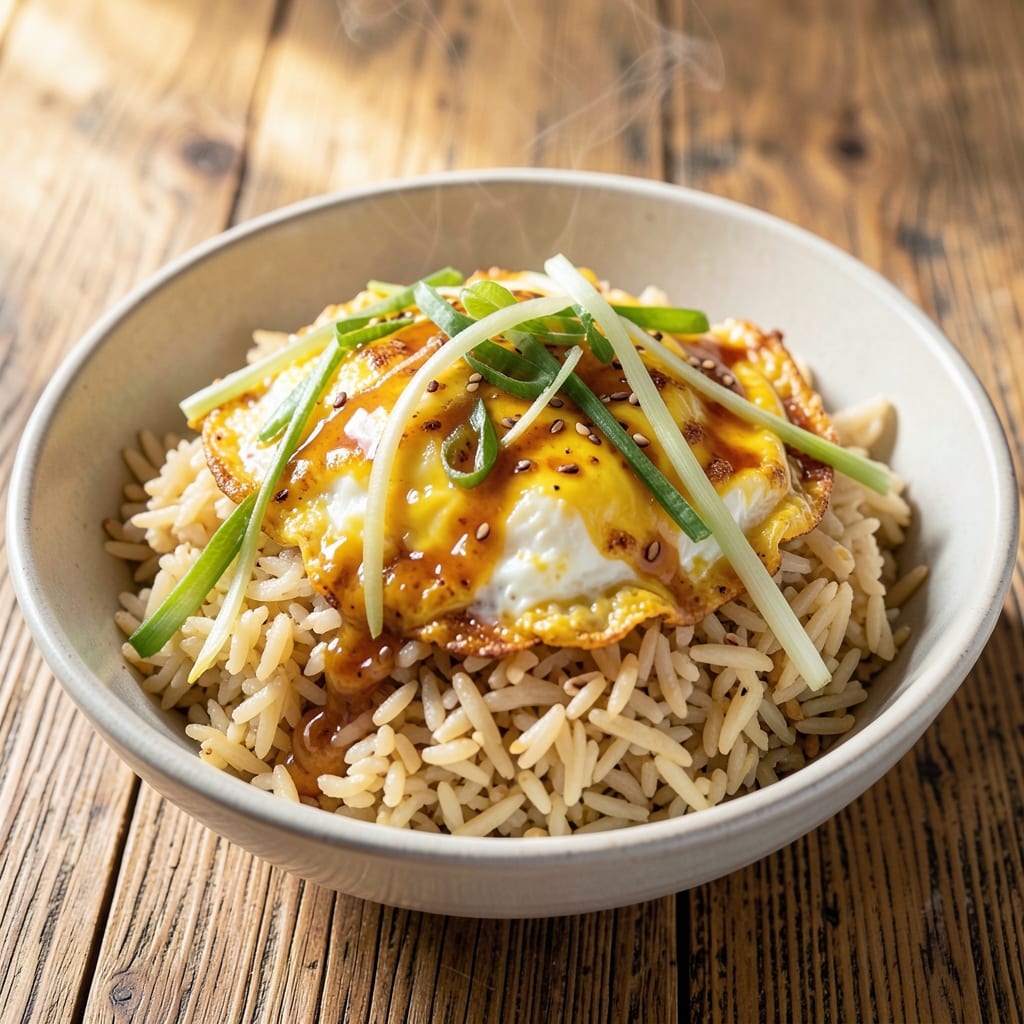
This basmati egg fried rice recipe transforms simple ingredients into a fragrant, restaurant-quality dish with just 20 minutes of active time. The secret lies in using jasmine basmati rice—its delicate floral aroma and separate grains create a texture that's light yet satisfying, while silky egg ribbons add protein and richness. I developed this recipe after realizing how often store-bought fried rice falls flat, and this version consistently delivers that perfect balance of crisp-tender rice and creamy eggs.
The foundation starts with perfectly cooked rice—never mushy, never dry—and a technique that prevents soggy grains while developing deep wok hei (breath of the wok) flavor. We'll use a simple soy-vinegar sauce base that enhances rather than overpowers the natural taste of the basmati, with optional additions like peas or carrots for color and texture. The key moment comes when we toss in the eggs at the right temperature, creating those signature ribbons that melt into every bite.
What you'll end up with is a dish that's elegant enough for dinner guests but quick enough for weeknight meals—fragrant with jasmine notes, vibrant from fresh garnishes, and packed with satisfying texture. Each forkful delivers perfectly balanced flavors: the nutty sweetness of basmati, the umami depth of soy sauce, and the delicate creaminess of silky eggs. The best part? This recipe scales effortlessly for leftovers or feeding a crowd.
For extra customization, consider adding toasted sesame seeds for nutty crunch or a squeeze of lime for brightness. The possibilities make this more than just a fried rice recipe—it's a versatile base for endless variations while maintaining its core simplicity and professional-quality results.
Ingredients for basmati egg fried rice
Jasmine basmati rice, silky eggs, and aromatic wok hei flavors transform simple pantry staples into restaurant-quality fried rice.
| Ingredient | Amount | Notes |
|---|---|---|
| Jasmine Basmati Rice 🍚 | 2 cups | Uncooked, long-grain preferred |
| Large Eggs 🥚 | 4 whole | Room temperature for best texture |
| Fresh Green Onions 🧅 | ½ cup | White and green parts separated |
| Light Soy Sauce 🍶 | 3 tbsp | Low-sodium preferred for balance |
| Rice Vinegar 💧 | 1 ½ tbsp | White or seasoned variety |
| Fresh Ginger 🌿 | 1 tbsp | Finely grated, peel removed |
| Vegetable Oil 🫒 | 2 tbsp | High smoke point for wok hei |
| Frozen Peas 🌱 | ½ cup | Thawed for even cooking |
| Sesame Seeds 🥜 | 1 tsp | Toasted for nutty aroma |
| Salt 🧂 | ½ tsp | Kosher or sea salt |
| Black Pepper 🌶️ | ¼ tsp | Freshly ground for flavor |
| Garlic Cloves 🧄 | 2 cloves | Minced for aromatic depth |
| Sesame Oil 🫒 | ½ tbsp | For finishing aroma |
The jasmine basmati rice is non-negotiable here—Daybreak or Koshihikari brands from Whole Foods or Trader Joe's deliver that signature floral aroma. Look for grains that are long and separate when uncooked, not clumped. The eggs should be room temperature when you start cooking; this ensures those perfect ribbons. Fresh ginger and garlic are key for authentic flavor, so don't substitute with powders unless you're in a pinch. For the peas, Ocean's brand frozen peas work best—they're pre-thawed and ready to stir-fry without sogginess.
No fresh ginger? Substitute with 1 teaspoon of ground ginger, but you'll lose some of that bright zing. Running out of soy sauce? Coconut aminos at a 1:1 ratio works well, though it has a slightly different profile. The sesame oil is purely for aroma—use it sparingly. For extra protein, add crumbled tofu or diced bell peppers. If you're making this ahead, cook the rice fresh the next day—it reheats beautifully and develops even more flavor. The frozen peas can be swapped for carrots or corn if you prefer different textures, but keep the total vegetable amount consistent.
Rice keeps best in an airtight container in the fridge for 3-4 days, though it's ideal to use it within 24 hours for peak texture. The cooked fried rice reheats wonderfully—just add a splash of water and stir-fry for 2-3 minutes over medium heat. For longer storage, freeze portions in single-serving containers for up to 3 months. The sesame seeds toast best in a dry skillet over medium heat for 30 seconds—watch them closely to avoid burning. This dish tastes even better the next day as the flavors meld together.
Why You'll Love This Recipe
- No Leftover Waste: I swear by this recipe for using up day-old rice—it actually tastes better the second time around. The jasmine basmati holds its shape perfectly, and the eggs add that rich, creamy texture that makes it feel fresh.
- One-Pan Magic: Honestly, this is my lazy genius move: one skillet, five ingredients, and zero dishes. Scramble the eggs in the same pan you stir-fry the rice, toss in those green onions for a pop of color, and boom—done. Not the prettiest, but the taste makes up for it every time.
- Bright & Tangy Kick: That little splash of rice vinegar and light soy sauce? It’s the secret weapon. The vinegar cuts through the richness of the eggs, while the soy adds this deep, savory umami that makes your taste buds sing. Simple, but ridiculously good.
- Budget Breakfast for Dinner: Between us, this feeds four for under $8 and takes less time than ordering takeout. The eggs bulk it up, the basmati rice keeps it light, and the green onions add freshness without breaking the bank. My college-student self would’ve cried happy tears.
Step-by-step instructions for fragrant jasmine basmati egg fried rice
Mastering this dish comes down to timing and technique—here's how to achieve perfectly fragrant basmati rice with silky egg ribbons every time.
🍳 Step 1: Prepare and Cook the Basmati Rice
Rinse the 2 cups of jasmine basmati rice under cold water until the water runs clear, then drain thoroughly. Cook the rice according to package instructions, but undercook it by 2 minutes—you want grains that are still slightly firm with a tiny bite in the center. This ensures they'll absorb the flavors beautifully during frying.
Once cooked, spread the rice on a tray and let it cool completely. This prevents steaming when you add it to the hot wok later. I like to fan the rice with a fork to separate the grains—this creates more surface area for flavor absorption and prevents clumping.
🍳 Step 2: Create Silky Egg Ribbons
Whisk the 4 whole large eggs in a bowl until the yolks and whites are fully combined. Heat 1 tablespoon of vegetable oil in a wok or large skillet over medium-high heat until shimmering. Pour in the eggs and let them sit undisturbed for 5 seconds before gently pushing them around the pan with a spatula in small circles.
You're aiming for soft, silky ribbons that don't fully cook through. As soon as they're just set but still slightly translucent in the center, remove them from the pan and set aside. These ribbons will finish cooking when incorporated into the rice later. The key is speed—overcooking makes eggs rubbery.
🍳 Step 3: Build the Flavor Base
Increase heat to high and add the remaining 1 tablespoon of vegetable oil. Add the minced 2 cloves garlic and finely grated 1 tablespoon fresh ginger, stirring constantly for 30 seconds until fragrant but not browned. Add the white parts of the 0.5 cup fresh green onions and stir for another 20 seconds.
Pour in the 3 tablespoons light soy sauce and 1.5 tablespoons rice vinegar, stirring to combine. The sauce should coat the bottom of the pan—this is your flavor foundation. Add the thawed 0.5 cup frozen peas and toasted 1 teaspoon sesame seeds, stirring for 1 minute to heat through.
🥘 Step 4: Combine All Ingredients
Add the cooled rice to the wok along with the silky egg ribbons. Using two heat-resistant spatulas, gently fold everything together for 2-3 minutes. The rice should be hot throughout and coated with the flavorful sauce. If it looks dry, add 1-2 tablespoons of water to steam the rice slightly.
Season with the 0.5 teaspoon salt and 0.25 teaspoon black pepper. Taste and adjust seasoning—you want a balance of salty, tangy, and umami flavors. The rice should be tender but still have a slight bite, with each grain distinct and coated in sauce.
🍽️ Step 5: Finish and Serve
Remove from heat and drizzle with the 0.5 tablespoon sesame oil, tossing gently to distribute. Garnish with the green parts of the fresh green onions for color and freshness. Serve immediately while hot, with extra green onions on the side for garnish.
The perfect fried rice should have fragrant jasmine rice with distinct grains, silky egg ribbons that melt in your mouth, and a balance of savory, tangy, and slightly sweet flavors. Each bite should deliver all elements together—this is where the magic happens.
Pro Tips For Making Basmati Egg Fried Rice
- USE COLD RICE: I learned this the hard way—freshly cooked basmati sticks together like glue in fried rice. Spread your cooked rice on a tray, chill it for 30 minutes, then break it up with your fingers. The starch sets, making it crispy instead of gummy.
- SCRAMBLE EGGS SEPARATELY: Scrambling eggs directly in the wok with rice turns them rubbery. Crack them into a bowl first, scramble until just set (soft curds), then fold them in at the end. This keeps them tender and lets you control the texture.
- SALT THE RICE BEFORE FRYING: Dry rice tastes bland because the grains absorb all the seasoning. Toss your cold rice with ½ teaspoon salt before stirring it into the wok—it’ll bloom flavor instantly and prevent a flat-tasting dish.
- STOP AT 90% DONE: Fried rice should look slightly undercooked when you take it off the heat. The residual heat will finish cooking it while absorbing the soy and vinegar. Overcooking turns it dry; pull it early and let it rest 1 minute before adding the green onions.
Creative variations of basmati egg fried rice
Vegan Protein Swap
Replace eggs with ½ cup silken tofu crumbled into fine pieces for a plant-based version. Press the tofu for 15 minutes to remove excess water, then pan-fry in 1 tbsp vegetable oil until lightly golden. The texture mimics scrambled eggs beautifully while keeping the dish vegetarian. Add 1 tsp turmeric to the tofu for that eggy color if desired. 🌱
Spicy Thai-Inspired
Boost heat with 1 tbsp red curry paste (like Maesri) and 1 tsp chili flakes in the flavor base. Add ½ cup shredded Thai basil at the end for aromatic depth. Finish with a squeeze of lime and a sprinkle of crushed Thai bird's eye chilies for authentic Thai street food vibes. 🌶️
Mediterranean Twist
Swap peas for ½ cup diced kalamata olives and add 1 tsp dried oregano to the flavor base. Use lemon zest instead of rice vinegar and top with feta cheese crumbles. The briny olives and citrus notes create a completely different but equally satisfying profile. 🍋
Breakfast-for-Dinner
Add ¼ cup chopped ham or bacon bits (for non-vegetarian versions) and 2 tbsp sriracha to the sauce base. Top with fried shallots and a poached egg cooked right on top of each serving. This transforms your fried rice into a hearty breakfast plate that's perfect for brunch. 🍳
Sweet & Savory Fusion
Stir in 2 tbsp hoisin sauce with the soy sauce and add ½ cup diced pineapple (fresh or canned, drained). Finish with toasted coconut flakes for a tropical-inspired variation that balances sweet and savory perfectly. This works surprisingly well with the jasmine rice's floral notes. 🍍
Nutty Crunch Add-Ins
Fold in ¼ cup chopped peanuts or cashews during the final 1 minute of cooking for texture contrast. For extra richness, add 1 tbsp peanut butter to the sauce base. The nuts add a satisfying crunch that pairs beautifully with the soft rice and eggs. 🥜
Nutrition facts
Frequently asked questions
Why does my basmati fried rice turn out mushy?
The most common cause is overcooking the rice or adding it to the pan while still hot. Always spread cooked rice on a tray to cool completely before frying, and use grains that are slightly underdone (with a tiny bite in the center). Another tip: use a wok or large skillet—crowding the pan steams the rice instead of frying it.
Can I use day-old rice for fried rice?
In fact, day-old rice works even better because the grains are firmer and separate more easily. Just make sure it's not too dry—spritz with a little water if needed. The key is to use rice that's cooled completely and has a slight texture to it, not mushy. This is why many restaurants make fried rice with leftover rice!
How do I make the eggs extra silky in fried rice?
For perfect silky egg ribbons, start with room-temperature eggs and cook them over medium-high heat for just 5 seconds undisturbed before gently stirring. Remove them when still slightly translucent in the center—they'll finish cooking when mixed with the hot rice. Another pro tip: whisk the eggs thoroughly first to prevent curdling.
What's the best way to reheat basmati fried rice?
For best results, spread reheated portions in a single layer on a baking sheet and warm in a 350°F oven for 5-7 minutes, stirring halfway. This prevents drying out. Alternatively, stir-fry in a dry pan over medium heat for 2-3 minutes, adding a splash of water if needed. Microwaving works in a pinch, but the texture suffers.
Can I make this recipe without a wok?
Yes! Use a large non-stick skillet with high sides—it should be at least 12 inches in diameter. The key is to work quickly and keep the heat high to create that wok hei (breath of the wok) flavor. A cast iron skillet works beautifully for this. Just make sure not to overcrowd the pan.