
Breakfast & Brunch
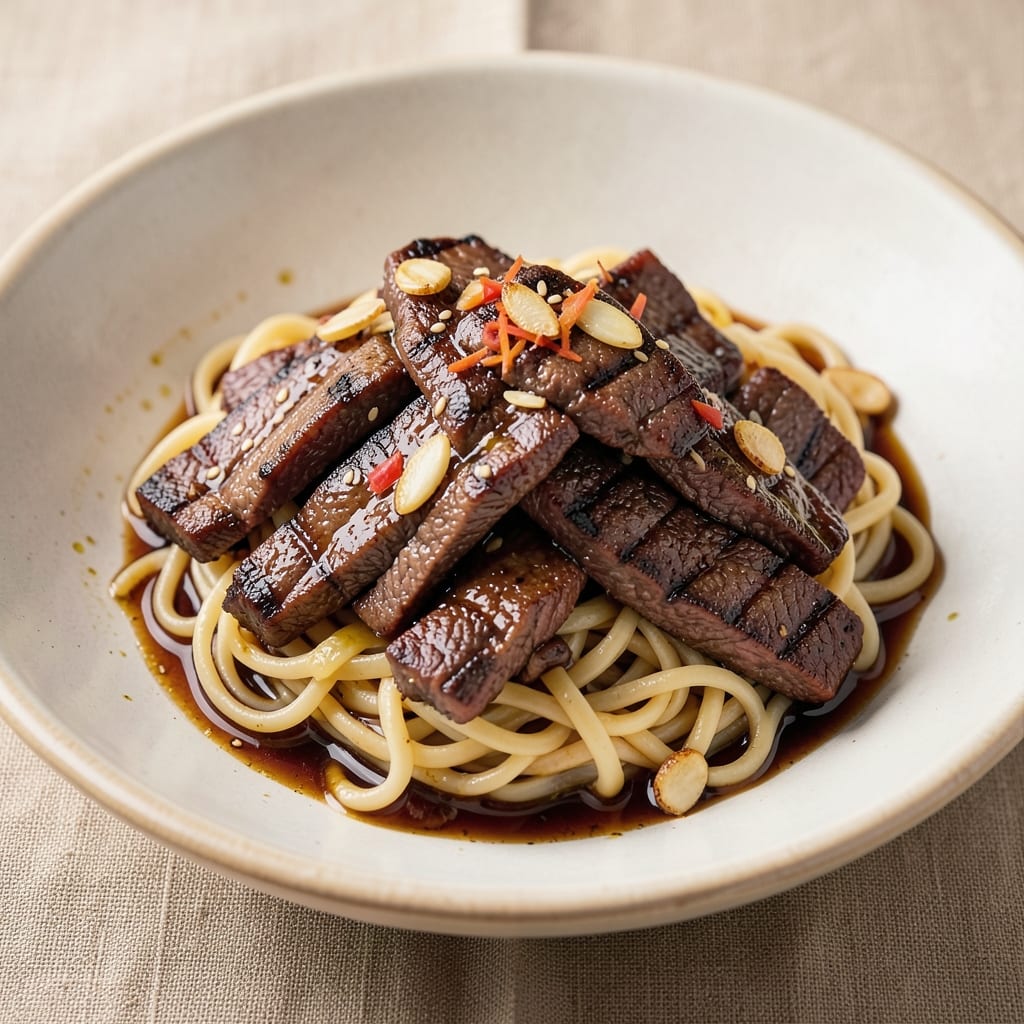
This beef and frozen egg noodles recipe delivers a fast, one-pot protein-packed breakfast that transforms simple pantry staples into a hearty meal in under 20 minutes. The key lies in perfectly searing lean beef strips until tender yet still holding their shape, then combining them with frozen egg noodles in a savory broth that absorbs all the meaty flavors without overcooking the noodles. I developed this method after realizing most breakfast noodle dishes either leave beef dry or turn noodles mushy—this version solves both problems with precise timing and a simple technique anyone can master.
The beauty of this recipe is its foolproof nature—no fancy equipment required beyond a large skillet or deep pan. You'll start by cooking the beef in batches to render fat properly, then remove it to make room for the frozen noodles, which cook directly in the beef's flavorful drippings. The secret to the perfect texture is using high heat for the beef and medium heat for the noodles, ensuring they finish just as the beef reheats through. This approach cuts down on cleanup while maximizing flavor in every bite.
What you'll end up with is a steaming bowl of tender beef and perfectly cooked egg noodles bathed in a rich, savory sauce that clings to each strand. The noodles maintain their slight bite while absorbing enough of the beef's juices to become irresistibly flavorful, and the beef stays juicy with just enough sear to add depth. This dish is versatile enough to serve as a standalone breakfast or pair with quick sides like sautéed greens or a fried egg for extra protein.
Best of all, this recipe scales effortlessly—double the ingredients for a family meal or halve it for a single serving. The one-pot method means minimal cleanup, and the fast prep time makes it ideal for busy mornings. Here's how to make it perfectly every time.
Ingredients for beef and frozen egg noodles
Pantry staples and a few fresh aromatics create this restaurant-style beef noodle breakfast.
| Ingredient | Amount | Notes |
|---|---|---|
| Lean Beef Strips 🥩 | 1 lb | Thinly sliced against grain |
| Frozen Egg Noodles 🍜 | 8 oz | Standard width, not thick |
| Low-Sodium Soy Sauce 🍶 | 2 tbsp | For umami depth |
| Sesame Oil 🫒 | 1 tbsp | Toasted for aroma |
| Garlic Cloves 🧄 | 4 cloves | Minced finely |
| Fresh Ginger 🌿 | 1 tbsp | Grated, not powdered |
| Vegetable Oil 🫒 | 1 tbsp | High smoke point |
| Green Onions 🧅 | 2 whole | Sliced thin for garnish |
| Salt 🧂 | 1 tsp | Kosher or sea salt |
| Black Pepper 🌶️ | ½ tsp | Freshly cracked |
| Beef Broth 💧 | 1 cup | Low-sodium preferred |
| Toasted Sesame Seeds 🌾 | 1 tsp | For texture contrast |
The beef is everything here—lean cuts like flank or sirloin work best, sliced thinly against the grain for tender bites. Costco or butcher shops often have pre-sliced beef for stir-fry, which saves time. If you're slicing yourself, freeze the meat for 20 minutes first for cleaner cuts. The frozen egg noodles should be standard width (not thick spaghetti-style)—Barilla or De Cecco brands are reliable. Fresh ginger and garlic are non-negotiable for that bright, aromatic base—powdered just won't cut it.
No sesame oil? Light olive oil at half the amount works in a pinch, but you'll lose that nutty aroma. Short on beef broth? Water plus 1 tsp soy sauce mimics the depth. The green onions can be swapped for scallions, but regular onions won't give that fresh bite. For extra richness, add 1 tbsp of oyster sauce (if you're not avoiding seafood). The key is balancing the salty soy with the umami from the beef broth—taste as you go. If your beef strips are thick, slice them thinner before cooking.
This dish reheats beautifully—just add a splash of water or broth to the pan. Keeps for 3-4 days in the fridge, though the noodles get softer with time. For leftovers, store in airtight containers with a paper towel to absorb excess moisture. Freezes for 2 months, but the texture changes slightly. I always double the recipe and freeze half—perfect for lazy mornings. Garnish with sesame seeds right before serving to keep them crisp.
Why You'll Love This Recipe
- I’ll be real: this dish uses stuff I already have. Frozen egg noodles? Always in the freezer. Lean beef strips? Cheaper than takeout. Toss in garlic, a splash of soy sauce, and a drizzle of sesame oil—boom, dinner’s ready. Honestly, it’s the kind of recipe that makes me feel like I’m not failing at adulting.
- No Pantry Hoarding Needed: I’ll be real: this dish uses stuff I already have. Frozen egg noodles? Always in the freezer. Lean beef strips? Cheaper than takeout. Toss in garlic, a splash of soy sauce, and a drizzle of sesame oil—boom, dinner’s ready. Honestly, it’s the kind of recipe that makes me feel like I’m not failing at adulting.
- Umami Bomb in Minutes: That low-sodium soy sauce and garlic? Oh, they’re the stars here. The beef gets tender and caramelized just enough to coat every chewy noodle in savory goodness. Between us, the sesame oil finish is what turns this from “fine” to “I’ll have seconds” territory.
- Lunchbox Hero: Between us, this is my go-to for packed lunches. Double the batch, let it cool, and portion it into containers—no soggy noodles here. My daughter picks out the beef first, but still asks for seconds. (Yes, even on a Tuesday night.) It reheats like a dream too, so it’s my secret weapon for busy mornings.
Step-by-step instructions for beef and frozen egg noodles
This one-pot method delivers a savory, protein-rich breakfast in under 30 minutes.
Sear the Beef for Maximum Flavor
Heat the 1 tablespoon vegetable oil in a large skillet over medium-high heat until shimmering. Add the 1 lb lean beef strips in a single layer, being careful not to overcrowd the pan. Let them sear undisturbed for 2-3 minutes until they develop a deep golden-brown crust on one side.
This initial searing creates the Maillard reaction, which builds rich, caramelized flavors. You'll know it's ready when the beef releases easily from the pan. Flip the strips and cook for another 2-3 minutes until they reach medium doneness (about 145°F internal temperature). Remove the beef and set aside on a plate, leaving all the rendered juices in the pan.
Sauté Aromatics and Build the Sauce Base
In the same skillet (no need to wipe it clean—the browned bits add depth), add the 1 tablespoon vegetable oil if needed. Add the 4 cloves minced garlic and 1 tablespoon grated fresh ginger, stirring constantly for 30 seconds until fragrant. You should smell the garlic mellowing and the ginger releasing its sharp aroma.
Pour in the 2 tablespoons low-sodium soy sauce and 1 cup beef broth, scraping up any browned bits from the bottom of the pan. Bring to a gentle simmer and let it cook for 3 minutes until slightly reduced. This step develops the umami foundation of your dish while keeping the sauce balanced.
Cook the Noodles Directly in the Sauce
Add the 8 oz frozen egg noodles directly to the simmering sauce. Stir gently to coat them evenly in the liquid. Cover the skillet with a tight-fitting lid and reduce heat to medium-low. Let the noodles cook for 8-10 minutes, stirring occasionally, until they're tender and have absorbed most of the liquid.
Here's the thing—frozen egg noodles cook faster than fresh, so check them at the 8-minute mark. They're done when they're al dente with a slight bite, not mushy. If the sauce looks too dry before the noodles finish, add 2-3 tablespoons of water to prevent sticking.
Finish with Sesame Oil and Garnishes
Return the seared beef strips to the skillet and toss everything together gently. Drizzle in the 1 tablespoon sesame oil and stir to combine. The sesame oil adds a nutty aroma and helps balance the savory flavors. Cook for an additional 1-2 minutes just to heat through.
Remove from heat and let it rest for 1 minute. Then stir in the 2 whole green onions (sliced thin) and 1 teaspoon toasted sesame seeds. The sesame seeds add a delightful crunch contrast while the green onions brighten the dish with freshness. Taste and adjust seasoning with salt and black pepper if needed.
Pro Tips For Making Beef And Frozen Egg Noodles
- Thaw Noodles First: Frozen egg noodles cook faster than you’d expect when thawed—toss them in hot water for 2 minutes, drain, and rinse with cold water. This prevents mushiness and lets the beef and sauce cling properly. (Yes, even if you’re impatient like me, this step saves you from gloppy noodles later.)
- Sear Beef in Batches: Lean beef strips release a ton of liquid when cooked together. Split them into two batches and sear over high heat for 1-2 minutes per side—this builds flavor and keeps the pan from steaming instead of browning. Crowd the pan, and you’ll end up with soggy beef.
- Bloom Garlic in Oil: Toss minced garlic into the hot pan after the beef comes out—just for 10 seconds—so it fragrant but doesn’t burn. If you add it too early, it’ll turn bitter and overpower the dish. (I learned this the hard way when I got distracted mid-stir.)
- Finish with Sesame Oil Last: Drizzle sesame oil in at the very end, off the heat, to preserve its nutty aroma. Add it too soon, and it’ll cook off into nothing. A teaspoon is enough—any more, and the dish tastes like a perfume counter. (Your future self will notice the difference.)
Flavor customization for this beef and frozen egg noodles
Spicy Kick
For heat lovers, add ½ teaspoon of red pepper flakes or 1 teaspoon of gochujang (Korean chili paste) to the sauce base. If you prefer a smoother heat, stir in 1 tablespoon of sriracha after the noodles are cooked. I like to balance the spice with a drizzle of honey—just ½ teaspoon—to mellow the burn while adding sweetness. 🌶️
Umami Boost
Elevate the savory depth by adding 1 tablespoon of oyster sauce (if you're not avoiding seafood) or 1 teaspoon of fish sauce for an authentic Asian-inspired twist. For a vegetarian option, swap in 1 tablespoon of mushroom sauce or extra soy sauce. I also love adding ½ teaspoon of white miso paste to the sauce base for a rich, fermented umami kick.
Creamy Texture
Transform this dish into a comforting, creamy version by stirring in ¼ cup of coconut milk or 2 tablespoons of heavy cream at the end. For a lighter option, use 2 tablespoons of Greek yogurt and mix it in gently to avoid breaking the noodles. This works especially well if you're serving it as a brunch dish—just add a pinch of nutmeg for warmth. 🥥
Herbaceous Freshness
Brighten the dish with fresh herbs like cilantro, Thai basil, or parsley. Chop 2 tablespoons of fresh cilantro and stir it in at the very end, or add 4-5 leaves of Thai basil for a fragrant, slightly sweet note. If you're using parsley, a tablespoon of chopped flat-leaf parsley adds a clean, bright finish that cuts through the richness of the beef.
Smoky Depth
Infuse the dish with smoky flavor by adding ½ teaspoon of smoked paprika or ¼ teaspoon of liquid smoke to the sauce base. For a more pronounced smokiness, char 1 clove of garlic and ½ teaspoon of ginger in a dry pan until blackened, then mash and add it to the sauce. This works especially well if you're serving the dish with a side of grilled vegetables or a smoky BBQ sauce drizzle.
Sweet-Savory Balance
Add a touch of sweetness to balance the savory flavors by stirring in 1 teaspoon of honey or ½ teaspoon of brown sugar with the soy sauce. For a deeper caramelized flavor, cook the garlic and ginger in the pan until they turn golden brown before adding the soy sauce. This creates a natural sweetness that pairs beautifully with the umami-rich beef and noodles.
Nutrition facts
Frequently asked questions
Can I use regular egg noodles instead of frozen?
Fresh egg noodles work, but you'll need to adjust cooking times. They absorb liquid faster, so add them to the sauce when the beef is nearly done and cook uncovered for 5-6 minutes instead of 8-10. Keep an eye on them—they're done when tender but still slightly firm to the bite.
What's the best cut of beef for this recipe?
Lean cuts like flank steak, sirloin, or tenderloin work perfectly—they stay tender when sliced thin. Avoid fatty cuts like ribeye, as excess fat can make the dish greasy. For extra tenderness, slice the beef against the grain and freeze it for 20 minutes before cutting.
How do I prevent the noodles from getting mushy?
Cook the frozen noodles in the sauce (not boiling water) to control their texture. Use medium-low heat and cover the pan to steam them gently. If they finish too early, remove them and keep warm while you reheat the beef in the sauce. Never overcook—they should have a slight bite when done.
Can I make this ahead of time?
Yes! Cook the beef and noodles separately, then refrigerate in airtight containers. Reheat in the microwave with a splash of water or broth to restore moisture. For best texture, reheat only what you need and store leftovers for 3-4 days. Freezing isn't recommended as it alters the noodle texture.
What if I don't have sesame oil?
Use light olive oil or vegetable oil instead, but reduce the amount to ½ tablespoon since it's less potent. For aroma, add ¼ teaspoon of ground toasted sesame seeds to the sauce base. The dish will still be delicious—just slightly less nutty.