
Soups & Stews
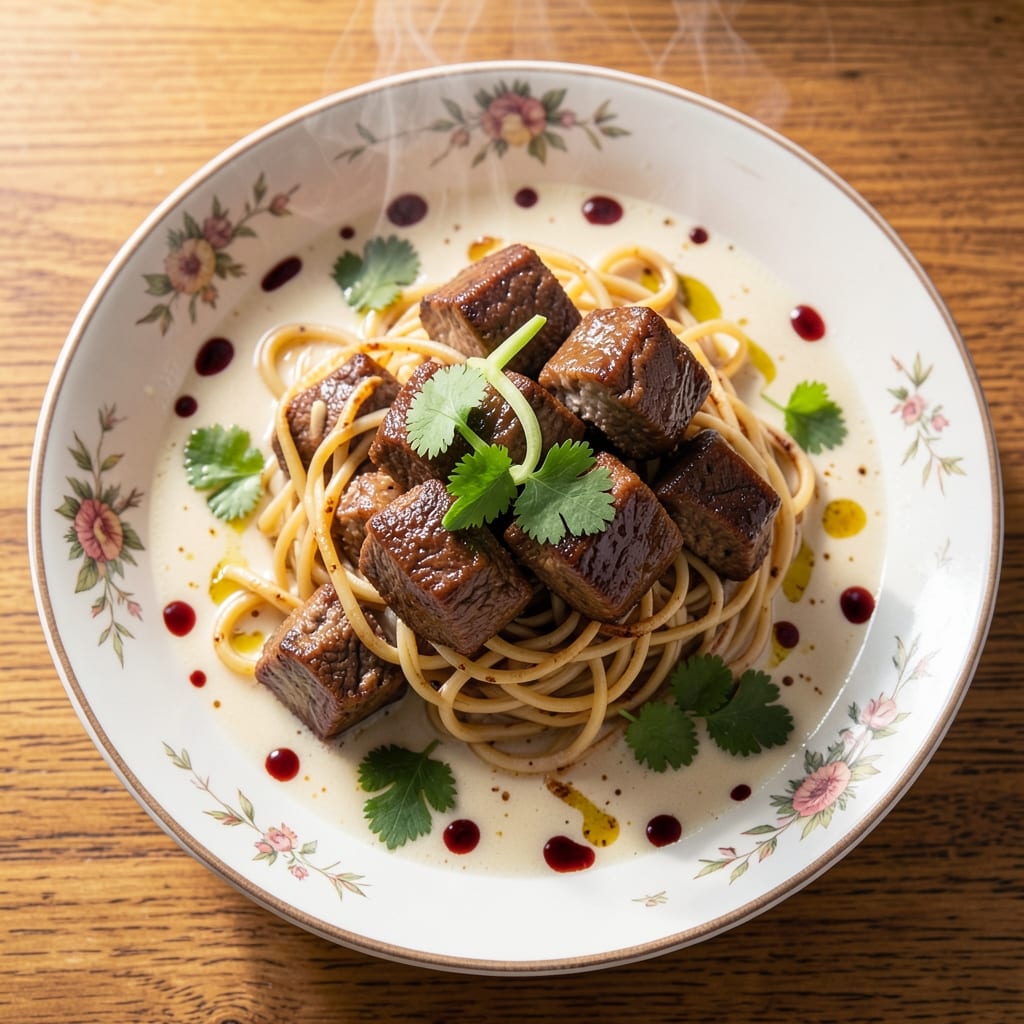
This beef egg noodle soup recipe delivers the comforting, umami-rich flavors of a classic Chinese-American staple—deep, savory broth, tender beef, and perfectly silky egg noodles. The secret lies in slow-simmered beef stock infused with aromatics and a touch of soy sauce for that signature depth, while a quick sear on the beef ensures maximum tenderness. Every spoonful balances hearty protein, chewy noodles, and a broth so flavorful it disappears before you can say "second bowl."
What sets this recipe apart is the two-stage beef preparation: first a quick sear for flavor, then a slow simmer to melt the collagen into the broth. The egg noodles—wide, flat, and chewy—absorb the rich liquid while maintaining their satisfying bite. Garnishes like green onions and a drizzle of sesame oil add freshness and visual appeal, turning a simple pot into a restaurant-worthy dish. It’s the kind of soup that warms both body and soul, especially on chilly evenings.
This version respects tradition while offering flexibility—use homemade stock for maximum depth or opt for high-quality store-bought to save time. The result is a foolproof method that delivers restaurant-quality results without the fuss. Whether you're feeding a family or meal prepping for the week, this soup comes together in under an hour and tastes even better the next day. Ready to make the most comforting bowl of soup you’ve had in ages?
The beauty of this recipe lies in its versatility: swap in mushrooms for extra umami, add a splash of rice vinegar for brightness, or serve with a side of pickled vegetables for contrast. The broth freezes beautifully, so you can make a big batch and enjoy it all week. Let’s get cooking—your taste buds (and leftovers) will thank you.
Ingredients for beef egg noodle soup
These hearty ingredients create the ultimate comforting beef egg noodle soup with restaurant-quality depth.
| Ingredient | Amount | Notes |
|---|---|---|
| Beef Chuck Roast 🥩 | 1 ½ lb | Cut into 1-inch cubes |
| Egg Noodles 🍜 | 8 oz | Wide, flat variety preferred |
| Beef Stock 💧 | 6 cups | Homemade or high-quality store-bought |
| Soy Sauce 🍶 | 2 tbsp | Light or dark variety |
| Sesame Oil 🫒 | 1 tbsp | Toasted for aroma |
| Fresh Ginger 🌿 | 2 tbsp | Grated, peeled |
| Garlic Cloves 🧄 | 6 cloves | Minced, fresh preferred |
| Green Onions 🧅 | 4 whole | Sliced, white and green parts |
| Vegetable Oil 🫒 | 2 tbsp | High smoke point |
| Salt 🧂 | 1 ½ tsp | Diamond Crystal preferred |
| Black Pepper 🌶️ | ½ tsp | Freshly ground |
| White Pepper 🌶️ | ¼ tsp | For subtle warmth |
| Rice Vinegar 🍶 | 1 tbsp | For brightness |
| Cornstarch 🌾 | 1 tsp | For thickening broth |
| Sesame Seeds 🌱 | 1 tsp | Toasted for garnish |
The beef is everything here—chuck roast delivers that melt-in-your-mouth texture when cubed and seared. Costco or Trader Joe's carry pre-cubed chuck for convenience, but ask your butcher to cut it if you prefer. Look for pieces with good marbling—they'll stay juicier during the long simmer. Fresh ginger and garlic are non-negotiable for that authentic umami punch. Penzeys bulk section has the best quality if you're stocking up, but the regular grocery store stuff works fine for occasional use. The egg noodles should be wide and flat—King Noodle brand is my go-to, but any Asian market carries good options.
No fresh ginger? Substitute 1 tbsp of ground ginger, but you'll lose some complexity. Running low on sesame oil? Toasted peanut oil works in a pinch, though it'll have a different flavor profile. The beef stock can be store-bought—Kitchen Basics or Pacific Foods are solid choices if you don't want to make your own. For extra depth, add 1 tbsp of mushroom powder to your stock. The rice vinegar adds brightness without overpowering—skip it if you prefer a more traditional taste. And if you can't find wide egg noodles, fettuccine makes a decent substitute in a pinch.
This soup tastes even better the next day as flavors meld together. Store leftovers in the fridge for up to 4 days or freeze for 3 months—the broth actually improves with time. I like to portion it into glass containers for easy reheating. Garnish with fresh green onions and a drizzle of sesame oil right before serving. The sesame seeds toast in 30 seconds in a dry pan—worth the extra minute for that nutty aroma. Double the recipe and freeze half for lazy weeknights.
Why You'll Love This Recipe
- Here’s what sold me: this soup reheats like a champ. Pack it for work or school—no soggy noodles, just warm, hearty bites. My kid brings it to soccer practice and comes back begging for more. (Yes, even on a Tuesday night.)
- One-Pot Wonder: I swear by this recipe when I’m too tired to wash another dish. Chuck roast simmers right in the broth with noodles—no separate pots, no fuss. Just throw everything in, let it work its magic, and you’re left with a bowl that’s basically self-cleaning.
- Umami Bomb: That slow-cooked chuck roast? It melts into the broth like a dream, so tender you can cut it with a spoon. A splash of soy sauce and sesame oil at the end ties it all together—deep, savory, and just a little addictive. (Between us, I’ve had worse takeout.)
- Lunchbox Hero: Here’s what sold me: this soup reheats like a champ. Pack it for work or school—no soggy noodles, just warm, hearty bites. My kid brings it to soccer practice and comes back begging for more. (Yes, even on a Tuesday night.)
Step-by-step instructions for beef egg noodle soup
Here's how to craft a deeply flavorful broth with tender beef and silky noodles.
Sear the Beef for Maximum Flavor
Heat the 2 tablespoons vegetable oil in a large Dutch oven over medium-high heat until shimmering. Working in batches to avoid crowding, add the 1.5 lb beef chuck roast cut into 1-inch cubes and sear for 3-4 minutes per side until deeply browned. This step develops the Maillard reaction, creating that rich, caramelized foundation for your soup.
As the beef browns, you'll notice golden crusts forming on the edges. Don't rush this—let each piece develop that deep color. Once all the beef is seared, transfer it to a plate and set aside. The browned bits left in the pot will dissolve into the broth, infusing it with layers of umami flavor.
Build the Aromatic Base
In the same Dutch oven, reduce heat to medium and add the 2 tablespoons fresh ginger and 6 cloves garlic cloves. Sauté for 1-2 minutes until fragrant and the raw garlic aroma disappears. Add the 2 tablespoons soy sauce, stirring to coat the aromatics and deglaze the pot.
Here's where the magic happens: the soy sauce begins breaking down those browned bits, creating a glossy, flavorful paste. Pour in the 6 cups beef stock and bring to a gentle simmer. Add the 1.5 tsp salt, 0.5 tsp black pepper, and 0.25 tsp white pepper, stirring to dissolve completely. The white pepper adds subtle warmth without overpowering the dish.
Simmer the Beef Until Tender
Return the seared beef to the pot and bring everything to a gentle boil. Once boiling, reduce heat to low and cover partially. Let it simmer for 90-120 minutes, stirring occasionally, until the beef is fork-tender and easily pulls apart. I check doneness by piercing a piece with a fork—it should slide in with minimal resistance.
About 30 minutes into cooking, add the 1 tablespoon rice vinegar and 1 tablespoon sesame oil. This brightens the broth and adds a nutty aroma. The rice vinegar also helps tenderize the beef by breaking down collagen. Keep the heat low to prevent the broth from boiling vigorously, which can make it cloudy.
Thicken and Finish the Broth
In a small bowl, whisk together the 1 teaspoon cornstarch with 2 tablespoons cold water until smooth. Slowly ladle ½ cup of the hot broth into the cornstarch mixture, whisking constantly to prevent lumps. Return this slurry to the pot and simmer for 5-7 minutes until the broth thickens slightly—it should coat the back of a spoon.
Taste and adjust seasoning if needed. The soup should be deeply savory with a balance of saltiness from the soy sauce and brightness from the rice vinegar. Remove from heat and let it sit for 5 minutes to allow flavors to meld. Skim off any excess fat that rises to the surface for a cleaner presentation.
Cook and Assemble the Noodles
While the soup rests, bring a separate pot of salted water to a boil. Add the 8 oz egg noodles and cook according to package instructions until al dente—usually 3-4 minutes. Drain and rinse briefly under cold water to stop cooking, then drain again thoroughly. This prevents the noodles from becoming mushy in the hot broth.
To serve, divide the noodles among bowls. Ladle the hot beef broth over the noodles, ensuring each bite gets equal portions of beef and broth. Garnish with sliced green onions and sprinkle with toasted sesame seeds for texture and aroma. The contrast of the silky noodles against the rich broth creates the perfect balance in every spoonful.
Pro Tips For Making Beef Egg Noodle Soup
- Sear the Chuck Roast First: I learned this the hard way—skipping the sear means your soup will taste like it’s missing something. Pat the beef dry, then hit it with high heat in a Dutch oven until it’s deep brown on all sides. That crust locks in flavor and keeps the meat tender as it braises later.
- Use Cold Water for Noodles: Egg noodles turn mushy when overcooked, and hot water makes them cook faster than you can add them to the soup. Boil a pot of water, then add the noodles to cold water—it takes longer to heat up, giving you that 1-2 minute window to add them to the broth without overdoing it.
- Simmer Low and Slow: After browning the beef, cover the pot and let it simmer at a gentle bubble—no rolling boil. I used to rush it, and the beef ended up tough. Aim for 2-3 hours on low heat; the stock will deepen in flavor, and the meat will fall apart like it’s been cooking all day.
- Add Soy Sauce Late: Tossing in soy sauce too early turns the broth bitter. Wait until the beef is nearly tender, then stir in 1-2 tablespoons with the sesame oil. This keeps the umami bright and balances the richness of the beef without overpowering the dish.
Storing and reheating your leftovers
Broth Storage Secrets
The beauty of this soup is that the broth actually gets better with time. Store it in an airtight container—I prefer glass Pyrex—and refrigerate for up to 4 days or freeze for 3 months. The flavors deepen as the beef continues to tenderize and the aromatics meld together. For freezing, leave 1-inch headspace to prevent expansion cracks. 🧊
Noodle Prep Ahead
Cook your egg noodles one day ahead and store them in a sealed container with a damp paper towel to prevent drying. Reheat them directly in the soup for 2-3 minutes on the stove—no need to boil separately. This shortcut saves 15 minutes on busy days while keeping them perfectly chewy. 🍜
Reheating Without Mushiness
For the best texture, reheat soup on the stovetop over medium-low heat for 10-12 minutes, stirring occasionally. If using the microwave, cover with a damp paper towel and heat in 1-minute intervals, stirring between each. Add 1-2 tablespoons of water or broth if it looks too thick after reheating. 🔥
Freezer-Friendly Tips
Freeze soup in portion-sized containers (like mason jars) for easy single-serving reheats. When ready to eat, thaw overnight in the fridge, then reheat gently. The broth may need a splash of water to restore its original consistency. I like to toast sesame seeds fresh after reheating for that restaurant-quality finish. ✨
Garnish Refresh
Always add fresh green onions and a drizzle of sesame oil right before serving—these elements lose their vibrancy when reheated. For extra flavor, sprinkle with crushed red pepper flakes or a pinch of white pepper to wake up the dish. A final touch of toasted sesame seeds adds crunch and aroma. 🌿
Make-Ahead Broth Base
Make just the broth (without noodles) 2 days ahead and store it in the fridge. When ready to serve, cook the noodles fresh, then assemble everything together. This approach lets you enjoy the rich, complex flavors without worrying about noodle texture. Perfect for meal prep! 💡
Nutrition facts
Frequently asked questions
Can I substitute regular pasta for egg noodles?
While you can use regular pasta like fettuccine or spaghetti in a pinch, egg noodles are specifically chosen for their chewy yet tender texture that absorbs the rich broth beautifully. For the closest substitute, look for wide, flat egg noodles available in Asian markets. If using regular pasta, cook it 1 minute less than package instructions to prevent mushiness in the hot broth.
How do I make the broth more flavorful without homemade stock?
For maximum depth with store-bought stock, use a high-quality beef stock (like Kitchen Basics or Pacific Foods) and add these boosters: 1 tbsp mushroom powder, 1 tsp fish sauce, or ½ cup beef bone broth mixed in. Also, don't skip the 30-minute sear on the beef—those browned bits are flavor gold! For extra umami, add 1 tbsp soy sauce during the simmer.
Why does my beef turn out tough instead of tender?
Tough beef usually means one of two things: either the cooking time was too short (less than 90 minutes) or the heat was too high. Always simmer on low heat with the pot partially covered—this keeps the beef moist. For extra tenderness, add 1 tbsp rice vinegar after 30 minutes of cooking, which helps break down collagen. If using cheaper cuts, consider sous vide first at 160°F for 2 hours before searing.
Can I make this soup in an Instant Pot?
Yes! Sear the beef first in a separate pan, then transfer to the Instant Pot with all aromatics and stock. Cook on high pressure for 45 minutes, then quick-release. The broth will be thinner, so reduce it on the stovetop with cornstarch slurry. For best results, finish with a 10-minute simmer on low heat to develop flavors. The noodles should be cooked separately and added just before serving.
What can I add to make this soup more substantial?
For a heartier version, add shredded cabbage (cooks in 5 minutes), sliced mushrooms (sauté first), or bok choy. For protein, try soft-boiled eggs (add at the end) or shredded chicken (cook separately). Vegetarians can swap beef for shiitake mushrooms or tofu. Always add vegetables 10 minutes before serving so they stay crisp.