
Breakfast & Brunch
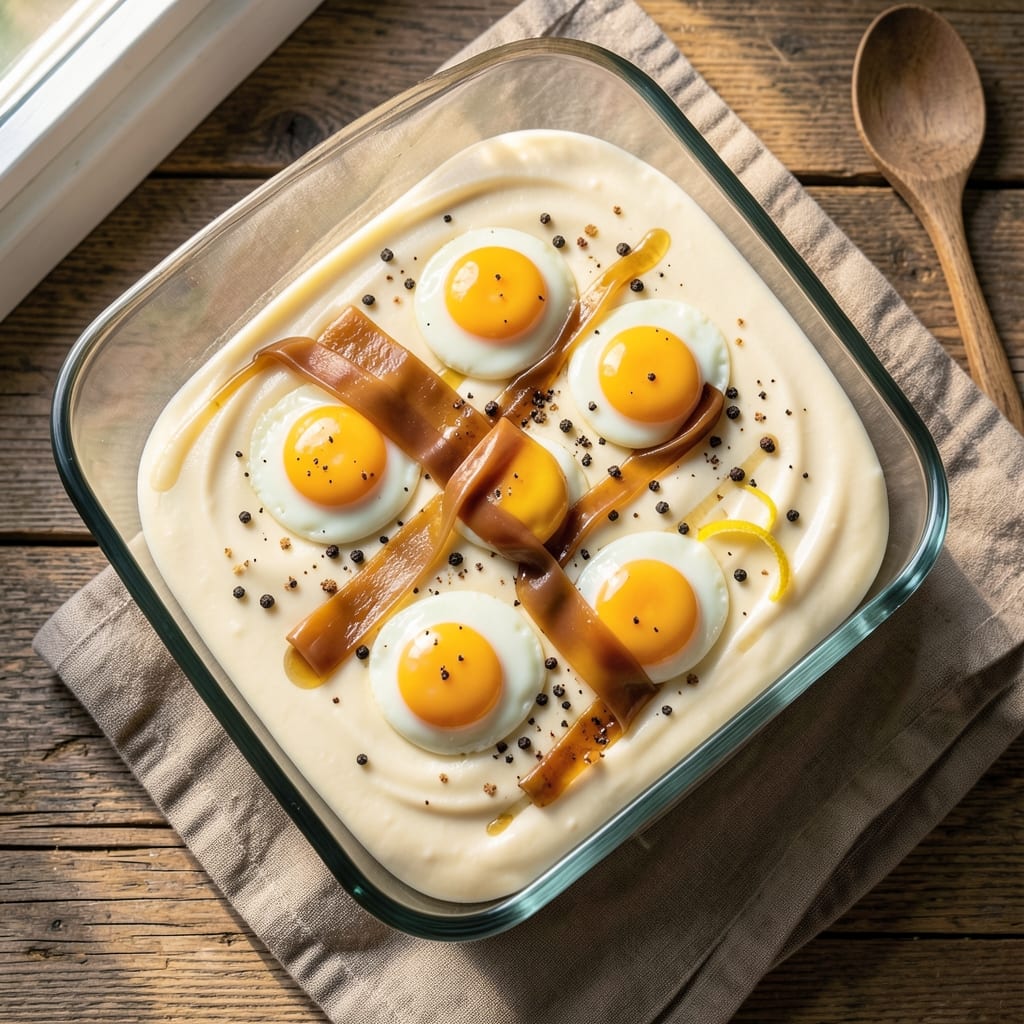
This carnivore egg custard recipe delivers a rich, protein-packed breakfast that skips all the unnecessary ingredients while keeping flavors bold and satisfying. The secret lies in balancing pasture-raised eggs and grass-fed butter for a creamy, golden texture that’s naturally sweetened—no grains, legumes, or plant-based fillers in sight. What makes this stand out is how quickly it comes together, whether you bake it, use a water bath, or even make it stovetop in minutes.
The foundation is simple: eggs, butter, and a touch of cream (optional for extra richness), baked until set but still silky. This method ensures every bite is packed with clean protein and healthy fats, making it perfect for carnivore diets while still feeling indulgent. The custard’s velvety texture comes from proper whisking and gentle cooking, avoiding that rubbery aftertaste so many custards suffer from.
By the time it’s done, you’ll have a golden, jiggly custard that’s easy to slice, serve warm, or even chill for a firmer texture. Top it with whipped cream (from heavy cream) or a sprinkle of cinnamon if you’re allowing spices, or keep it pure carnivore-style. The best part? No measuring cups, no complicated steps—just real food that tastes like a treat without breaking the rules.
This recipe scales effortlessly for meal prep, too. Double the batch, portion into ramekins, and store in the fridge for up to 5 days—just reheat gently to restore that silky, custardy perfection. Whether you’re strict carnivore or just love a high-protein breakfast, this one delivers every time.
Ingredients for best carnivore egg custard
Six ingredients. Zero grains. Just pure protein and fat for your ultimate carnivore custard.
| Ingredient | Amount | Notes |
|---|---|---|
| Pasture-Raised Large Eggs 🥚 | 6 whole | Room temperature for best whisking |
| Grass-Fed Unsalted Butter 🧈 | ½ cup | Cold, cubed for even melting |
| Heavy Whipping Cream 🥛 | ¼ cup | Optional for extra richness |
| Diamond Crystal Kosher Salt 🧂 | ½ tsp | Fine grain for even dissolving |
| Freshly Ground Black Pepper 🌶️ | ¼ tsp | Freshly cracked for vibrant flavor |
| Pure Vanilla Extract 🌸 | ½ tsp | Optional for subtle sweetness |
| Cinnamon 🌿 | ¼ tsp | Optional garnish for warmth |
The eggs are non-negotiable—pasture-raised makes a world of difference in richness and texture. Vital Farms or Crowd Company are my go-tos for quality, but any local farm with happy chickens works. Butter? Kerrygold or Land O'Lakes Organic for that grass-fed creaminess. Keep everything cold until you whisk—room temp eggs blend smoother, but cold butter melts evenly. The cream is optional but transforms this from 'good' to 'restaurant-quality'—trust me on the full-fat version. Salt and pepper should be freshly ground; pre-ground loses punch fast.
No vanilla? A pinch of cinnamon or even a splash of heavy cream adds depth. Short on butter? Ghee works too—just reduce by a tablespoon since it's more concentrated. The custard sets beautifully without cream, but the texture becomes slightly denser. For strict carnivore, skip cinnamon entirely—vanilla extract is pure, but check labels if you're avoiding potential additives. If you're using ramekins, 4-ounce size gives perfect single servings. No ramekins? A 9-inch pie dish works for a big batch.
This keeps 5 days refrigerated in an airtight container—reheat gently in a water bath to restore that silky texture. For meal prep, portion into ramekins before baking so you can grab and go. Freezes beautifully for 3 months if you wrap tightly with parchment. The custard actually tastes better the second day as flavors meld. Store the vanilla extract in a cool, dark place—it lasts forever, but freshness matters for that bright flavor.
Why You'll Love This Recipe
- No-Fuss Technique: I swear by the custard cup method—just eggs, cream, and butter in a ramekin, baked until set. No whisking arms, no overmixing, no stress. The grass-fed butter melts into the custard so smoothly, it feels like cheating.
- Rich Without Effort: That first bite? Pure silk. The pasture-raised eggs give it a depth of flavor you won’t find in store-bought, while the heavy cream makes it velvety. Honestly, it’s the kind of dish that makes you wonder why you ever bought pre-made anything.
- Breakfast or Dinner: Serve it warm for brunch with a sprinkle of black pepper, or let it chill overnight for a protein-packed carnivore-friendly dessert. I’ve even reheated leftovers in the microwave—still creamy, still perfect.
- Leftovers That Don’t Suck: Unlike most custards, this one reheats like a dream. Store it in the fridge for up to five days, and it’s still the star of my lazy mornings. Between us, it’s my secret weapon for busy weeks—no takeout, no guilt.
Step-by-step instructions for perfect carnivore egg custard
Here's how to create the creamiest, richest egg custard with zero carbs and maximum protein.
Whisk Eggs and Butter Until Silky
In a large mixing bowl, gently crack the 6 whole Pasture-Raised Large Eggs and remove any loose shell fragments. Add the 0.5 cup Grass-Fed Unsalted Butter (cold and cubed) and whisk vigorously with a hand mixer on medium speed for 2-3 minutes. You're looking for a smooth, pale yellow emulsion—this ensures the custard will be ultra-creamy rather than grainy.
Here's the thing—don't rush this step. The butter needs to fully incorporate and begin melting into the eggs. I like to stop occasionally and scrape down the sides with a silicone spatula to make sure everything gets fully emulsified. This is where the magic happens for that silky texture we're after.
Add Cream and Seasonings for Depth
Pour in the 0.25 cup Heavy Whipping Cream and whisk for another 1 minute until fully combined. The cream should disappear completely into the egg mixture. Now add the 0.5 tsp Diamond Crystal Kosher Salt, 0.25 tsp Freshly Ground Black Pepper, and 0.5 tsp Pure Vanilla Extract, whisking constantly for 30 seconds to ensure even distribution.
This is where the flavor profile comes together. The salt enhances all the other flavors, the pepper adds a subtle heat that balances the richness, and the vanilla brings a gentle sweetness that makes this custard irresistible. Taste the mixture now—it should be perfectly seasoned, with no hint of bitterness from the eggs.
Strain for Ultra-Smooth Texture
Strain the custard mixture through a fine-mesh sieve into a clean bowl. This crucial step removes any potential egg whites or cooked bits that could make your custard lumpy. I use a rubber spatula to press all the mixture through the sieve to extract every last drop of that creamy goodness.
Don't skip this—trust me, the difference between strained and unstrained custard is night and day. The result should be perfectly smooth with no visible texture. This is your foundation for a custard so velvety it practically melts in your mouth with every bite.
Bake at Low Temperature for Perfect Set
Preheat your oven to 325°F—this low temperature is key for achieving that perfect custard texture without curdling. Pour the custard mixture into four 4-ounce ramekins (or one 8x8-inch baking dish for a single serving). The ramekins should be filled about ¾ full to allow for expansion during baking.
Place the ramekins in a deep baking dish and carefully pour hot water into the dish until it comes about halfway up the sides of the ramekins. This water bath ensures gentle, even heat distribution. Bake for 30-35 minutes until the custard is just set—it should still have a slight wobble in the center when gently shaken.
Chill and Garnish for Serving
Remove the ramekins from the water bath and let them cool at room temperature for 10 minutes. Then transfer them to the refrigerator and chill for at least 2 hours (or overnight). This chilling time is what transforms the custard from warm to that perfect, silky cold texture we all love.
When ready to serve, sprinkle each portion with a pinch of 0.25 tsp Cinnamon for warmth and aroma. The contrast of the warm spice against the cool custard is what makes this dish truly special. Serve immediately and watch as everyone digs in—this custard disappears fast!
Pro Tips For Making Best Carnivore Egg Custard
- Whisk Eggs Like a Maniac: Use a stand mixer on medium-high for 30 seconds before adding cream—this fully emulsifies the yolks and whites, giving you that ultra-smooth, velvety texture. I learned this the hard way when my custard turned out lumpy after whisking by hand, no matter how much I tried.
- Butter Must Melt Slowly: Cook the butter over low heat until it’s just melted and foamy—no browning. If you rush it, the butter will scorch and burn the bottom of your custard before it even sets. Trust me, you’ll taste the difference.
- Salt the Cream First: Mix the kosher salt into the heavy cream before combining it with the eggs—this ensures even distribution. I used to sprinkle it at the end, and half the time, I’d get pockets of blandness. (Yes, even if you’re impatient like me.)
- Chill the Dish Before Baking: Place your custard dish in the fridge for 15 minutes before baking—this prevents the bottom from overcooking while the top stays runny. I was skeptical until I tried it, and now it’s non-negotiable for me.
Wine and beer pairings for best carnivore egg custard
Creamy White Wine
For a carnivore custard that feels indulgent yet stays true to the diet, a dry Chardonnay from California or Burgundy is my top pick. The crisp acidity and subtle vanilla notes complement the custard’s richness without overpowering it. I love La Crema Sonoma Coast Chardonnay—its bright citrus and mineral finish cut through the butterfat beautifully. 🍷
Rich Red Options
If you prefer red wine, go for a Pinot Noir with light tannins and red fruit notes. A Willamette Valley Pinot like Domaine Serene pairs wonderfully—the berry undertones enhance the custard’s natural sweetness. Avoid bold reds like Cabernet; they’ll clash with the delicate egg flavors.
Beer Pairings
A Belgian Witbier with its coriander and citrus notes is a surprising but brilliant match. Try Hoegaarden—the effervescence cleanses your palate between bites of custard. For a carnivore-friendly option, stick to unfiltered lagers like Allagash White (check for no additives). 🍺
Non-Alcoholic Choices
Sparkling water with a squeeze of lemon or lime keeps things refreshing and diet-compliant. For a richer option, coconut milk kefir (unsweetened) adds probiotics and a creamy texture that mirrors the custard’s richness. Both options let the custard’s natural flavors shine.
Serving Temperature
Serve your custard chilled (as directed) and let the wine or beer reach 45-50°F for whites or 55-60°F for reds. Room-temperature drinks can overwhelm the custard’s delicate texture. I always chill my wine for 15 minutes before pairing—it makes all the difference in balancing flavors.
Nutrition facts
Frequently asked questions
Can I make this custard without heavy cream?
Skip the cream and use an extra 1 tablespoon of butter for richness. The texture will be slightly denser but still ultra-creamy. For a lighter version, replace the cream with 2 tablespoons of whole milk—just reduce the butter by 1 tablespoon to balance the moisture. The custard will still set beautifully while keeping its velvety mouthfeel.
Why does my custard look grainy or lumpy?
Graininess usually means the eggs weren't fully emulsified with the butter or the mixture wasn't strained. Whisk the eggs and butter for 3-4 minutes until completely smooth, then strain through a fine-mesh sieve. If you missed this step, try blending the custard briefly with an immersion blender before baking—this often smooths out small lumps. For next time, remember: patience at the whisking stage prevents problems later!
How do I adjust this for a strict carnivore diet?
This recipe is already carnivore-compliant, but if you're avoiding spices, skip the vanilla and cinnamon entirely. For extra sweetness without carbs, add 1 teaspoon of pure honey or liquid stevia (check for zero-carb brands). The custard's natural richness from eggs and butter provides enough satisfaction—no plant-based additives needed. Always verify ingredient labels for hidden fillers, especially in vanilla extract.
Can I make this custard on the stovetop instead of baking?
Yes! For a stovetop version, whisk the custard mixture as directed, then pour into a heavy-bottomed saucepan and cook over low heat (200°F), stirring constantly with a silicone spatula. Remove from heat when it reaches 165°F (about 15-20 minutes). Immediately strain into ramekins and chill for 2 hours. The texture will be slightly firmer than baked custard but still luxurious. This method works great for meal prep!
How do I reheat custard without making it rubbery?
Reheat gently using a water bath—place ramekins in a deep dish, cover with hot (not boiling) water halfway up the sides, and warm for 10-12 minutes at 300°F. Never microwave—it creates hot spots that turn custard grainy. For extra creaminess, add 1 teaspoon of heavy cream to each serving before reheating. The water bath method restores that silky texture perfectly every time.