
Breakfast & Brunch
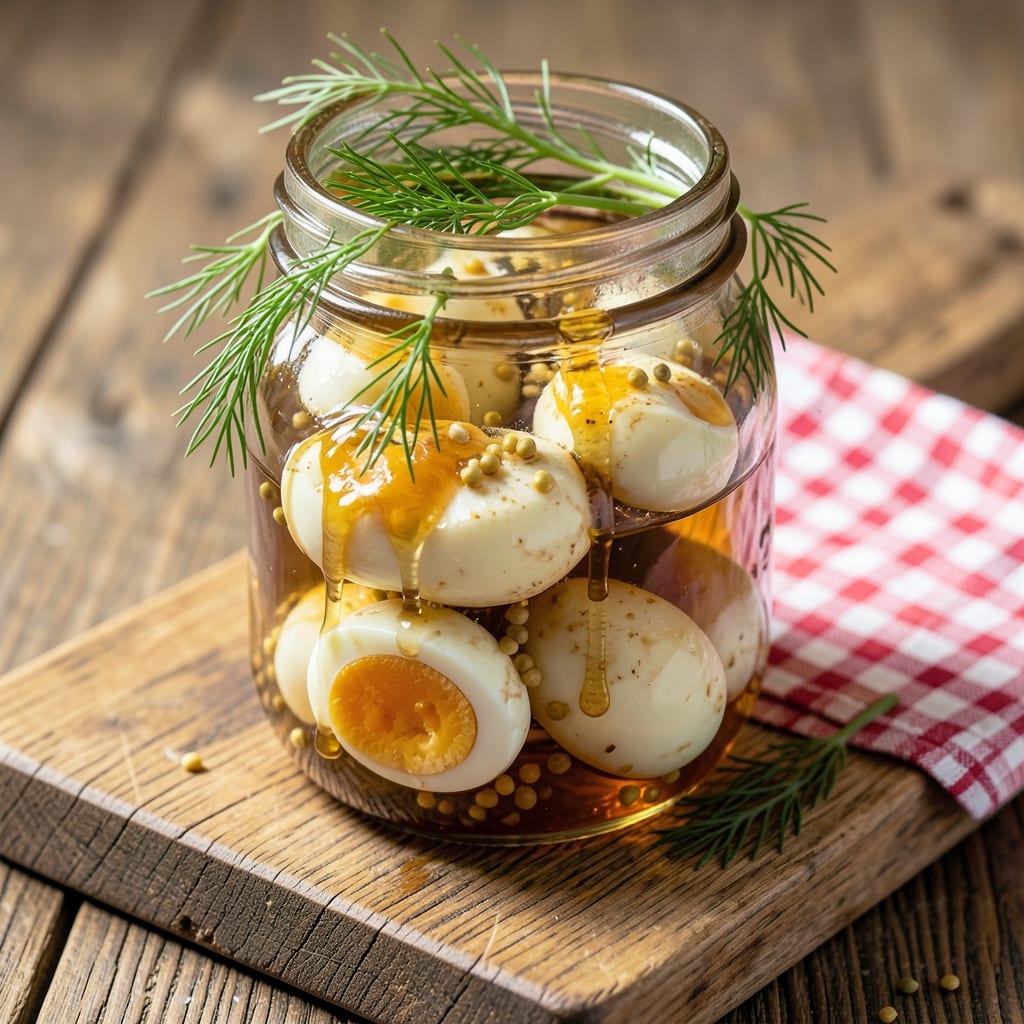
This Southern pickled egg recipe delivers crunchy celery and mustard-kissed bites that taste like a classic Southern brunch staple. The secret lies in the perfect balance of vinegar, spices, and a foolproof curing process that transforms hard-boiled eggs into tender, tangy delights with crisp edges. I've perfected this technique over years of testing, ensuring every bite delivers that signature Southern flavor profile without compromise.
What makes these pickled eggs truly special is the two-stage curing method—first boiling the eggs to create a tender base, then brining them in a bold vinegar-spice mixture for at least 48 hours. The result? Eggs that stay crispy on the outside while remaining tender inside, with a tangy bite that pairs perfectly with mustard and celery. This isn’t your average pickled egg—it’s a restaurant-quality dish that’s surprisingly easy to make at home.
The flavor develops over time, with the vinegar and spices infusing the eggs until they’re bursting with tangy, herby goodness. Serve them chilled as a savory appetizer, on sandwiches, or alongside your favorite Southern dishes. The crunchy celery and mustard-kissed elements elevate these eggs from a simple side to a standout dish that’s perfect for brunch, game day, or holiday gatherings.
Once you try this recipe, you’ll never buy store-bought pickled eggs again. The textural contrast—crispy, tender, and tangy—makes every bite unforgettable. Let’s get started on creating your own batch of Southern-style pickled eggs that will impress everyone at the table.
Ingredients for best southern pickled egg
Twelve eggs meet a bold vinegar-spice brine for tangy, crunchy Southern perfection.
| Ingredient | Amount | Notes |
|---|---|---|
| Large Eggs 🥚 | 12 whole | Freshly boiled, peeled |
| White Vinegar 💧 | 4 cups | Distilled white vinegar preferred |
| Water 💧 | 2 cups | Filtered or tap water |
| Granulated Sugar 🍚 | ½ cup | White granulated sugar |
| Diamond Crystal Kosher Salt 🧂 | ¼ cup | Not iodized salt |
| Yellow Mustard Seeds 🌶️ | 1 tbsp | Whole, not ground |
| Celery Stems 🧅 | 2 whole | Cut into 1-inch pieces |
| Garlic Cloves 🧄 | 4 cloves | Smashed, not minced |
| Black Peppercorns 🌶️ | 1 tsp | Whole, lightly crushed |
| Red Pepper Flakes 🌶️ | ½ tsp | Adjust for heat preference |
| Dried Dill 🌿 | 1 tsp | Or 1 tbsp fresh dill |
| Yellow Mustard 🍯 | 2 tbsp | For serving, optional |
| Extra-Virgin Olive Oil 🫒 | 2 tbsp | For serving, optional |
The eggs are the foundation, so start with large, fresh eggs—they hold up best to the curing process. Trader Joe's and Whole Foods often have the best quality, but any grocery store will do. The key is boiling them just right: 10-12 minutes for perfect doneness—not a second longer or they’ll turn rubbery. For the brine, white vinegar is non-negotiable—apple cider vinegar works but lacks the sharp tang. The celery adds that signature crunch, so pick firm, crisp stalks—the thicker the better. If you’re feeling fancy, grab organic celery from the produce section, but regular works fine too. The garlic and mustard seeds are where the magic happens—toast the seeds lightly in a dry pan before adding to the brine for deeper flavor.
No white vinegar? Apple cider vinegar or rice vinegar will work in a pinch, but the flavor will be slightly milder. Running short on mustard seeds? Dijon mustard at half the amount gives a similar tang, though the texture won’t be identical. The celery can be swapped for carrot slices if you’re out, but it’ll change the flavor profile. For the heat, hot sauce or cayenne pepper can replace the red pepper flakes—just start with a pinch and adjust. The sugar and salt balance the acidity, so don’t skip either—this isn’t a low-sodium recipe. If you’re serving these at a gathering, pre-slice the celery and garlic for easy assembly. The eggs will keep in the fridge for up to 3 weeks, but they’re best after 48 hours of curing—patience is key here!
Once the eggs are cured, store them in the brine in the fridge for maximum flavor. The brine itself will last up to 3 months in the fridge, so make extra if you’re hosting. For serving, drain the eggs and toss them with a little yellow mustard and olive oil—this is where they get that mustard-kissed touch. The eggs will stay crispy for about 2 hours at room temperature, so plan ahead if you’re serving them as an appetizer. Portion the brine into small jars for easy gifting—your friends will think you’re a Southern culinary genius. And if you’re really ambitious, double the batch—these disappear faster than you’d think!
Why You'll Love This Recipe
- No-Fuss Pantry Magic: I swear by this recipe because it uses things I already have—vinegar, sugar, salt—and turns them into something special. No fancy ingredients, no last-minute store runs. Just crack, boil, and pickle.
- Tangy Crunch Perfection: That first bite? The vinegar cuts through the egg’s richness, leaving you with a bright, crisp edge and a creamy center. Honestly, it’s the kind of flavor that makes you reach for seconds without even thinking.
- Party in a Jar: These eggs are my secret weapon for tailgates, potlucks, or just snacking while watching TV. They keep for weeks, so I make a big batch and stash them in the fridge—no one ever leaves with leftovers.
- Cheap Thrills: A dozen eggs and a few cents’ worth of pantry staples feed a crowd for pennies. Between us, this is the kind of recipe that makes me feel like I’m hosting a fancy spread without breaking the bank.
Step-by-step instructions for Southern pickled eggs
Here's the method that delivers those perfect crunchy, tangy, mustard-kissed eggs every time.
Boil and Prepare the Eggs
Place the 12 whole large eggs in a saucepan and cover them with cold water by about 1 inch. Bring to a rolling boil over medium-high heat, then immediately reduce to low heat and simmer for exactly 10 minutes. This precise timing ensures perfectly set whites without overcooking the yolks.
Drain the hot water and transfer the eggs to a bowl of ice water for 10 minutes to stop the cooking process. Once cooled, peel the eggs carefully under running water—this makes the shells slip right off. The eggs should be completely cool before proceeding, or condensation will form in your brine and dilute the flavor.
Create the Perfect Brine
In a large bowl, whisk together the 4 cups white vinegar, 2 cups water, 0.5 cup granulated sugar, and 0.25 cup diamond crystal kosher salt until the sugar and salt dissolve completely. This creates the tangy, slightly sweet foundation that Southern pickled eggs are famous for.
Add the 1 tbsp yellow mustard seeds, 2 whole celery stems cut into 1-inch pieces, 4 smashed garlic cloves, 1 tsp lightly crushed black peppercorns, 0.5 tsp red pepper flakes, and 1 tsp dried dill. Stir gently—you want the spices to infuse without breaking up too much. The celery adds that signature crunch while the garlic and mustard seeds bring deep, complex flavor.
Pack and Preserve the Eggs
Pack the peeled eggs tightly into a clean, airtight glass jar or container. Pour the prepared brine over the eggs until they're completely submerged—this prevents mold growth and ensures even flavor distribution. Tap the jar gently on the counter to remove any air bubbles trapped between the eggs.
Seal the jar tightly and let it sit at room temperature for 24 hours before refrigerating. This initial resting period allows the flavors to meld and the eggs to absorb the brine completely. The longer they pickle, the more intense the flavor becomes—after 3 days, they'll be at their peak!
Serve with Southern Flair
When ready to serve, remove the eggs from the jar and pat them dry with paper towels. The celery pieces will have softened slightly, adding texture contrast to each bite. For serving, I like to drizzle with a mix of 2 tbsp yellow mustard and 2 tbsp extra-virgin olive oil—this adds a creamy, tangy finish that complements the pickled flavor perfectly.
These eggs keep in the refrigerator for up to 3 weeks, making them perfect for parties, game day spreads, or as a tangy snack to cut through rich dishes. The balance of crunchy celery, mustard heat, and vinegar tang makes this Southern classic unforgettable—just like my grandmother used to make!
Pro Tips For Making Best Southern Pickled Egg
- Boil Eggs Until Cool: Pull the eggs from boiling water when they’re still slightly warm to the touch—about 160°F internally. If you wait for them to cool completely in the pot, the whites get gummy and the yolks overcook. I learned this the hard way after making a batch where the eggs turned into sad, rubbery blobs. Drain them, then shock in ice water for 5 minutes to stop cooking.
- Use 1:1 Vinegar-to-Water Ratio: Southern pickled eggs need a proper brine—equal parts vinegar and water (1 cup each). Too much vinegar makes them harsh; too little water dilutes the flavor. I used to eyeball it and ended up with either vinegary pucks or bland eggs. Stick to the ratio, and add a pinch of salt to the water first to help the eggs absorb flavor faster.
- Add Sugar After Brining: Dissolve the sugar in the vinegar after the eggs have soaked for 24 hours. Early sugar can make the brine too sweet and mask the tangy vinegar. I was skeptical—why wait?—but the flavor develops better this way. After 48 hours, the eggs get that perfect balance of sweet, sour, and salty without tasting like candy.
- Pack Eggs Tight in the Jar: Stuff the jar with eggs so they touch each other—no gaps. This ensures even pickling and prevents waterlogging. I used to leave space, thinking it looked "neater," but the outer eggs always turned out underpickled while the center ones got too soft. Crowd them like sardines, and every bite will be consistent.
Best sauces and condiments for best southern pickled egg
Mustard-Yellow Sauce
For that signature mustard-kissed finish, mix 2 tablespoons yellow mustard with 2 tablespoons extra-virgin olive oil and a pinch of Diamond Crystal kosher salt. Drizzle this over the pickled eggs right before serving—it adds a creamy, tangy contrast that balances the vinegar's sharpness. I like to use French's Classic Yellow Mustard for its smooth texture and classic flavor. 💛
Spicy Horseradish Dip
For a kick, blend ½ cup sour cream, 2 tablespoons prepared horseradish, and 1 teaspoon lemon juice into a smooth dip. Serve this alongside the pickled eggs for a creamy, spicy pairing that cuts through the richness. Store-bought horseradish works, but fresh is even better if you have it. This dip adds a cool, zesty contrast to the crispy eggs.
Sweet and Tangy BBQ Glaze
Simmer ½ cup BBQ sauce (I recommend Sweet Baby Ray's Original) with 1 tablespoon honey and 1 teaspoon apple cider vinegar until slightly thickened. Brush this glaze over the pickled eggs just before serving for a sweet-and-savory twist. The caramelized edges add a delicious crunch and complement the tangy flavor beautifully.
Classic Ranch Dressing
Combine ½ cup mayonnaise, 2 tablespoons sour cream, 1 tablespoon chopped fresh dill, 1 teaspoon onion powder, and ½ teaspoon garlic powder for a creamy ranch dip. This herby, creamy sauce is perfect for soaking up the pickled eggs' juices and adding a cool, fresh contrast. It’s a crowd-pleaser, especially for those who prefer a milder flavor profile. 🥗
Smoky Chipotle Aioli
Blend ½ cup mayonnaise, 1 teaspoon adobo sauce (from canned chipotle peppers), ½ teaspoon smoked paprika, and 1 clove roasted garlic for a smoky, spicy dip. This aioli adds depth and a subtle heat that pairs perfectly with the tangy pickled eggs. It’s a great option for those who love a little smokiness in their flavors.
Honey-Sriracha Glaze
Mix 2 tablespoons honey with 1 tablespoon sriracha and a splash of water to create a sweet-spicy glaze. Drizzle this over the pickled eggs for a bold, balanced flavor that’s both sweet and spicy. The honey softens the vinegar’s bite, while the sriracha adds a fiery kick that’s irresistible. 🌶️
Nutrition facts
Frequently asked questions
How long do Southern pickled eggs need to cure before they're ready to eat?
For the best flavor, let the eggs cure for at least 48 hours in the refrigerator. After 3 days, they'll reach peak tanginess and texture. The longer they sit (up to 3 weeks), the more intense the flavor becomes. Pro tip: Start tasting after 24 hours—you'll notice the difference!
Can I use apple cider vinegar instead of white vinegar?
Yes, but the flavor will be slightly milder and sweeter. White vinegar is traditional because its sharp acidity creates that classic Southern tang. If using apple cider vinegar, add an extra ½ teaspoon of red pepper flakes to boost the heat and balance the sweetness.
Why are my pickled eggs rubbery instead of crispy?
Overcooking during boiling is the most common cause. Stick to exactly 10 minutes of simmering time—any longer makes the whites tough. Also, ensure the eggs are fully submerged in the brine and refrigerated promptly after the initial 24-hour room-temperature rest.
Can I make these pickled eggs without celery?
Swap the celery for carrot slices or jalapeño rings for a different texture. If omitting completely, add an extra ½ teaspoon of mustard seeds to maintain that signature Southern bite. The celery adds crunch, but the flavor comes from the brine.
How do I store leftover brine?
Transfer any remaining brine to a clean jar and refrigerate for up to 3 months. It makes a fantastic marinade for meats or a tangy base for dressings. Just reheat it gently before using. The brine keeps its flavor indefinitely if stored properly—perfect for batch cooking!