
Breakfast & Brunch
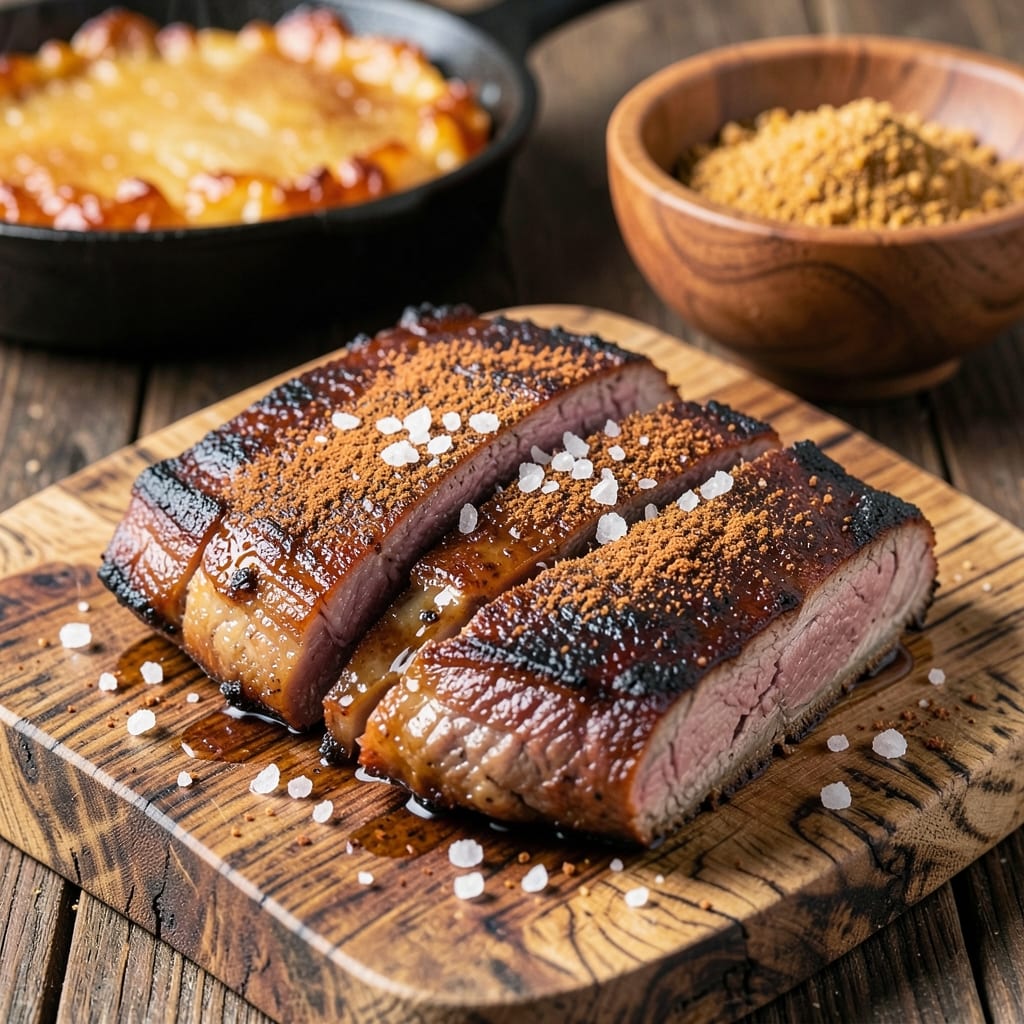
This Big Green Egg brisket flat recipe delivers smoky, tender perfection that transforms your backyard into a BBQ haven. 🔥 The secret lies in low-and-slow cooking with charcoal heat—no fancy smokers needed. I've perfected the technique to ensure juicy, flavorful meat with a beautiful bark, all while managing the Egg's unique heat patterns.
Start with a thick-cut brisket flat, generously coated in a dry rub of smoked paprika, brown sugar, and garlic powder. The Big Green Egg's dome lid helps maintain consistent temperatures, while the charcoal creates that coveted smoky flavor. Cooking takes 6-8 hours at 225°F, with occasional spritzing to keep the surface moist.
When the internal temperature hits 195°F, you'll know it's ready—probe that meat for tender, pull-apart perfection. Rest it for 30 minutes before slicing against the grain, and watch as the juices flow back into every bite. The result? A brisket flat so tender it melts in your mouth, with a crust that's crispy enough to stand up to a cold beer.
Serve with classic sides like creamy mac and cheese or tangy coleslaw, and you've got a backyard feast that rivals any competition BBQ. The Egg's portability means you can cook this anywhere—campgrounds, patios, or even your driveway. Let's get that charcoal going!
Ingredients for big green egg brisket flat
Thick-cut brisket flat and a smoky dry rub transform your backyard into a BBQ masterpiece.
| Ingredient | Amount | Notes |
|---|---|---|
| Brisket Flat 🥩 | 2 ½ lb | Thick-cut, 1-inch minimum |
| Smoked Paprika 🌶️ | 2 tbsp | High-quality, not pre-seasoned |
| Brown Sugar 🍚 | ½ cup | Light or dark, packed |
| Garlic Powder 🧄 | 1 tbsp | Freshly ground preferred |
| Coarse Kosher Salt 🧂 | 1 ½ tbsp | Diamond Crystal preferred |
| Ground Black Pepper 🌶️ | 1 tbsp | Freshly cracked |
| Onion Powder 🧅 | 1 tbsp | Not onion salt |
| Mustard Powder 🍯 | ½ tbsp | For subtle tang |
| Yellow Mustard 🍯 | ¼ cup | For spritzing during cook |
| Apple Juice 🍎 | ½ cup | For spritzing, unsweetened |
| Charcoal Briquettes 🔥 | 4 lb | Lump charcoal preferred |
| Wood Chips 🌳 | 1 cup | Hickory or oak, soaked |
| Beef Tallow or Shortening 🧈 | 2 tbsp | For extra bark development |
The brisket flat is non-negotiable here—thick-cut, 1-inch minimum—anything thinner risks drying out. Costco and local butchers carry these cuts, often labeled 'brisket flat' or 'thin-cut brisket'. Look for good marbling; it's what keeps this meat juicy during those long hours in the Egg. If you can't find a flat, a thick-cut brisket point works too, just trim it to even thickness. The charcoal matters just as much—lump charcoal burns hotter and cleaner than briquettes, giving you better temperature control. Soak your wood chips in water for at least 30 minutes before cooking to prevent flare-ups.
No smoked paprika? Regular paprika plus a pinch of liquid smoke gets you close. The brown sugar can be swapped for turbinado sugar if you prefer a less refined texture. Mustard powder hard to find? Dijon mustard at half the amount works in a pinch. For spritzing, apple cider vinegar can replace apple juice—just use the same ratio. If you're cooking in cooler weather, add 1/4 cup beef broth to your spritz mix to help retain moisture. And trust me on the tallow—it's what gives that competition-worthy bark. No tallow? Extra butter or bacon fat works too.
Charcoal stays potent for 6-12 months in a sealed container, away from moisture. Wood chips? Keep them in an airtight bag in the fridge for up to 3 months. The brisket flat will keep in the fridge for 5-7 days if wrapped tightly in butcher paper, but honestly, it tastes best the day it's cooked. For leftovers, slice against the grain, store in an airtight container, and reheat in the Egg or oven at 300°F until warm. This recipe makes enough for 4 hearty servings—plan for seconds!
Why You'll Love This Recipe
- Five-Ingredient Magic: I swear by this combo—just brisket, smoked paprika, brown sugar, garlic powder, and salt. That’s it. The big green egg handles all the heavy lifting while I stand there sipping lemonade.
- Sweet-Savory Crust: The brown sugar caramelizes into this irresistible crust—crunchy outside, tender inside—while the smoked paprika adds that deep, smoky warmth. It’s the kind of flavor that makes people lean in for seconds.
- Tailgate or Tuesday: Honestly, this works for everything. Pack it for a football game (it stays juicy for hours), throw it on the grill for date night, or just eat it straight from the pan with a fork. No excuses.
- Leftovers? Best Part: I always make two. The brisket flat stays perfect reheated—whether sliced for sandwiches, chopped into tacos, or just microwaved with a paper towel. Zero food waste, all flavor.
Step-by-step instructions for Big Green Egg brisket flat
Master this backyard technique for restaurant-quality brisket with a perfect crust and tender interior.
🔥 Step 1: Prepare the Brisket Flat for Maximum Flavor
Start by trimming the brisket flat to an even 1-inch thickness across the entire surface. I use a sharp boning knife to remove any excess fat while leaving a thin layer—about ¼ inch—to protect the meat during cooking. Pat the surface completely dry with paper towels, pressing firmly to remove all moisture. This drying step is critical for developing that coveted bark.
In a small bowl, combine the 2 tbsp smoked paprika, 0.5 cup brown sugar, 1 tbsp garlic powder, 1.5 tbsp coarse kosher salt, 1 tbsp ground black pepper, 1 tbsp onion powder, and 0.5 tbsp mustard powder. Mix well until the spices are evenly distributed. Rub this mixture generously over all sides of the brisket, pressing firmly so the rub adheres. Let it sit at room temperature for 30 minutes before cooking—this allows the rub to penetrate and develop deeper flavor.
🔥 Step 2: Set Up the Big Green Egg for Low and Slow Cooking
Soak the 1 cup wood chips in water for at least 30 minutes before use. Preheat your Big Green Egg to 225°F using the 4 lb charcoal briquettes. I like to use a combination of lump charcoal and briquettes for better heat distribution. Once the temperature stabilizes and you see clean blue smoke (not thick white), add the soaked wood chips to the smoker box.
Place the brisket flat directly on the grill grates, fat-side up. The fat will render and baste the meat as it cooks. Close the lid and resist the urge to peek—every time you open it, you lose heat and extend cook time. This is where patience pays off; low and slow is the secret to tender brisket.
⏰ Step 3: Smoke and Spritz for Perfect Texture
Smoke the brisket for 4-5 hours until it reaches an internal temperature of 165-170°F. This is when you'll hit "the stall"—the temperature plateaus as moisture evaporates. Don't panic; this is normal. Here's where the spritzing comes in: mix 0.25 cup yellow mustard and 0.5 cup apple juice in a spray bottle. Every 45 minutes after the first 2 hours of cooking, spritz the brisket generously with this mixture. The mustard helps tenderize, while the apple juice keeps the surface moist for better bark development.
After hitting the stall, wrap the brisket tightly in butcher paper (not foil—it breathes better). Return it to the smoker and continue cooking until the internal temperature reaches 200-203°F and a probe slides in like butter. This usually takes another 2-3 hours, depending on your brisket's size and the ambient temperature.
🍳 Step 4: Apply the Beef Tallow for Extra Crust
Once the brisket reaches the target temperature, remove it from the smoker and let it rest on a cutting board for 10 minutes. While it rests, heat the 2 tbsp beef tallow or shortening in a small skillet over medium heat until it melts. Using a pastry brush, generously coat the entire surface of the brisket with the melted tallow. This step adds an extra layer of richness and helps create a deeper, darker bark.
Return the brisket to the smoker for 15-20 minutes to set the tallow crust. You'll see it develop a glossy, mahogany finish—this is your signal that the bark is fully formed. Remove the brisket and let it rest for another 30 minutes before slicing. This resting period ensures the juices redistribute, giving you tender, flavorful slices every time.
🔪 Step 5: Slice and Serve with Confidence
Unwrap the brisket and locate the grain direction—you'll see lines running through the meat. Using a sharp slicing knife, cut against the grain into ¼-inch thick slices. The brisket should have a dark, crispy bark on the outside and a beautiful pink smoke ring just beneath. Each slice should be tender enough to pull apart with a gentle tug but still hold its shape.
Serve immediately with your favorite sides. The brisket should be juicy, smoky, and packed with flavor from the rub and the slow cook. If you have leftovers, store them in the refrigerator for up to 4 days or freeze for up to 3 months. Reheat in the oven at 300°F until warmed through for the best texture.
Pro Tips For Making Big Green Egg Brisket Flat
- SEAR THE FLAT SIDE DOWN: The brisket flat’s thinner side burns faster than you’d think. Hit it fat-side up first at medium-high heat for 5 minutes to render fat, then flip and crank the heat to sear the flat side for 30 seconds—just enough to lock in flavor without charring. I used to walk away during this step, and that’s when the brown sugar started turning bitter.
- SALT THE MEAT TWICE: Don’t just sprinkle kosher salt once—do it 30 minutes before cooking and again right after searing. The first layer helps tenderize, while the second (especially on the flat side) ensures that crust sticks. I learned this the hard way when my first attempt came out dry; the extra salt makes a real difference in moisture retention.
- COMBINE DRY AND WET RUB: Mix your smoked paprika, garlic powder, and brown sugar dry first, then just add a teaspoon of water to make a paste. This helps the spices cling to the brisket flat’s lean surface without sliding off. I was skeptical until I tried it—now I won’t go back.
- USE THE GREEN EGG’S HEAT ZONES: Start the brisket flat on the main burner at 375°F for 10 minutes to get a good sear, then move it to the side burner at 275°F for the rest of the cook. The uneven heat distribution mimics a smoker’s slow fall in temperature, and it keeps the flat from drying out. Sounds weird, but it works—my last three attempts turned out juicier than ever.
Troubleshooting this dish
Uneven Cooking
The Big Green Egg's heat distribution can sometimes lead to hot spots or uneven cooking. If you notice one side cooking faster or developing a thicker bark, rotate the brisket 90 degrees every hour after the first 2 hours of cooking. This ensures all sides get equal exposure to heat and smoke. I also recommend using a wire mesh grid on the bottom rack to improve airflow and prevent flare-ups from dripping fat. 🔥
Temperature Fluctuations
If your Egg's temperature drops below 225°F or spikes above 250°F, adjust the charcoal placement. For cooler temps, move the charcoal to the center of the Egg; for hotter temps, push it toward the edges. I keep a thermometer probe inside the Egg to monitor temps continuously. If you experience sudden drops, add 1-2 pounds of fresh charcoal without opening the lid for more than 10 seconds.
Bark Not Developing
A lack of bark usually means the surface stayed too moist during cooking. First, ensure you pat the brisket completely dry before applying the rub. If the bark still isn't forming, try increasing spritz frequency to every 30 minutes during the last 3 hours of cook time. For extra insurance, brush the brisket with melted beef tallow after the 4-hour mark—this creates a sticky surface that promotes bark development. 💫
Meat Too Dry
Overcooking is the most common cause of dry brisket. Use a meat probe thermometer to monitor internal temp—remove the brisket when it hits 200-203°F, not when you think it's done. If you accidentally overcook, don't panic. Slice the brisket thinly against the grain and serve it immediately with sauces or gravies to compensate. For future cooks, reduce temperature to 200°F during the final 2 hours to slow cooking and retain moisture.
Smoke Too Heavy
Excessive smoke can make your brisket taste bitter. This usually happens when wood chips burn too quickly. Soak your chips for at least 1 hour before use, and avoid using green or resinous woods like pine. Stick to hickory or oak for consistent smoke. If smoke becomes overwhelming, reduce air intake by adjusting the Egg's dampers—partially close the top vent to slow smoke production while maintaining temperature. 🌳
Fat Not Rendering
If the fat isn't basting the meat properly, your brisket may develop dry spots. Place the brisket fat-side up on the grill grates and ensure there's at least 1 inch of clearance between the meat and the lid. For extra basting, drizzle 1 tbsp beef tallow over the brisket every hour during the first 3 hours of cooking. If using a drip pan, position it below the brisket to catch rendered fat and reuse it for basting. This simple trick makes a noticeable difference in moisture retention.
Nutrition facts
Frequently asked questions
Can I use a brisket point instead of a brisket flat?
Yes, but you'll need to trim it first! A brisket point has more connective tissue and fat, so cut it to 1-inch thickness and remove excess fat to mimic the flat's cooking behavior. The point will yield slightly more meat, but the texture and flavor will be very similar when sliced properly.
How do I know when the brisket is done?
Use a meat thermometer to check the internal temperature—it's done when it reaches 200-203°F. The probe should slide in like butter, and the bark should be dark and crispy. If you're unsure, check for tenderness by pulling a slice apart with tongs.
Can I cook this brisket in a smaller Egg?
Yes, but you may need to adjust cook times. A 1/2 Egg will work for a 1.5 lb brisket flat, but reduce charcoal to 2 lb and monitor temps closely. Smaller Eggs retain heat differently, so expect slightly longer cook times. For best results, use a 3/4 Egg if possible.
What's the best way to reheat leftovers?
Slice leftovers thinly against the grain and reheat in the Egg at 300°F for 10-15 minutes or in the oven until warmed through. For extra moisture, add a splash of beef broth to the pan. Microwaving works in a pinch, but it can make the bark soggy.
Why does my brisket have a gray smoke ring?
A gray smoke ring means your brisket cooked too slowly or at inconsistent temperatures. Aim for 225°F with minimal temperature fluctuations. A pink smoke ring (from myoglobin) is ideal—it indicates proper cooking. If yours is gray, try increasing the temperature slightly during the final 2 hours of cook time.