
Breakfast & Brunch
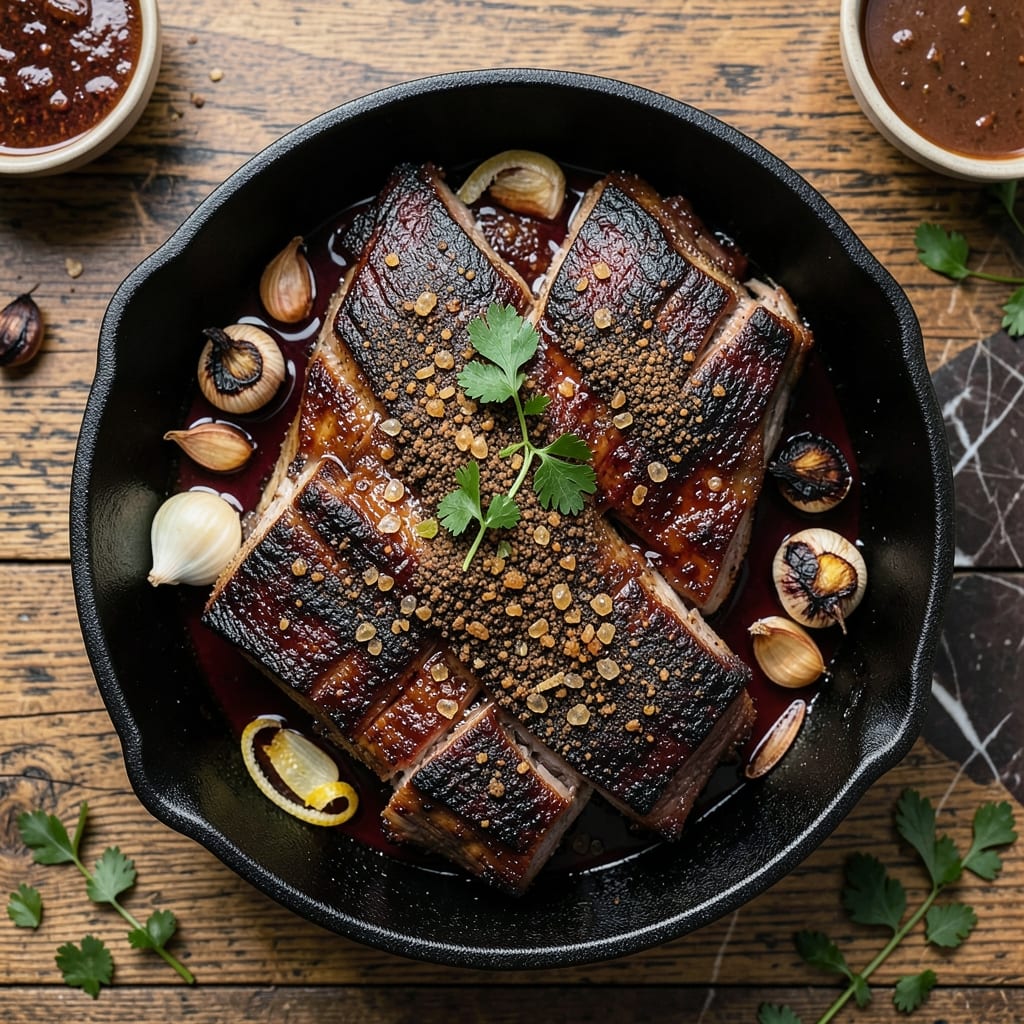
The Big Green Egg short rib recipe transforms tough beef into melt-in-your-mouth perfection with smoky-sweet bark and fall-apart tenderness. This kamado grill method delivers restaurant-quality results at home, where temperature stability and wood-fired flavor create an unmatched depth. The secret lies in low-and-slow cooking that renders fat while preserving moisture—something traditional grills struggle to achieve.
What sets this recipe apart is the Big Green Egg's ability to maintain precise heat (225°F) for hours without fluctuation, ensuring even cooking and that coveted bark. We start with a dry rub of coffee, brown sugar, and spices that caramelize beautifully, while indirect heat keeps the meat tender. The result? Short ribs so flavorful they disappear from the plate—and the grill.
By the time you're done, you'll have beef that practically falls apart at the touch of a fork, with a glossy, smoky crust that's impossible to resist. The kamado's ceramic construction traps heat efficiently, so you're not constantly tending the fire. This is the kind of meal that turns a weeknight into a special occasion, all while keeping your kitchen cool and your grill in control.
The beauty of this method is its versatility—use it for dinner parties, holiday feasts, or a cozy night in. The leftovers reheat beautifully, making it perfect for meal prep. Here's how to achieve that legendary tenderness and bark every time.
Ingredients for big green egg short rib
Four pounds of beef and a handful of pantry staples create melt-in-your-mouth Big Green Egg short ribs with restaurant-quality bark.
| Ingredient | Amount | Notes |
|---|---|---|
| Beef Short Ribs 🥩 | 4 lb | Bone-in, cut into 2-inch pieces |
| Instant Coffee Granules ☕ | 2 tbsp | High-quality, finely ground |
| Light Brown Sugar 🍯 | ½ cup | Packed, for caramelization |
| Kosher Salt 🧂 | 2 tbsp | Diamond Crystal preferred |
| Smoked Paprika 🌶️ | 1 ½ tbsp | For deep smoky flavor |
| Ground Black Pepper 🌶️ | 1 tbsp | Freshly cracked for intensity |
| Garlic Powder 🧄 | 1 ½ tbsp | Freshly ground preferred |
| Onion Powder 🧅 | 1 tbsp | For depth of flavor |
| Dried Thyme 🌿 | 1 tbsp | Or 3 tbsp fresh thyme leaves |
| Cherry Wood Chips 🌳 | 2 cups | Soaked for 30 minutes |
| Apple Cider Vinegar 🍏 | ½ cup | For tenderizing |
| Beef Bone Broth 💧 | 1 ½ cups | Homemade or high-quality store-bought |
| Unsalted Butter 🧈 | 2 tbsp | For basting |
| Fresh Rosemary 🌿 | ¼ cup | Chopped, for finishing |
The beef is everything here—bone-in short ribs from the butcher's case deliver that legendary tenderness. Look for good marbling and ask for them to be cut into 2-inch chunks (the butcher at Whole Foods or your local meat counter will do this for you). If you're buying a whole packer cut, trim the silver skin and separate the ribs yourself. The cherry wood chips are non-negotiable for that smoky depth—Traeger brand or Cook's Wood are reliable, but avoid store-brand chips that might contain additives. Freshly ground spices make all the difference, so if you've got a coffee grinder, toast and grind your own thyme and pepper right before using.
No cherry wood chips? Pecan or hickory work in a pinch, though the flavor profile will differ slightly. Running short on beef broth? Water plus 1 tbsp soy sauce gets you close, though the umami will be less complex. The apple cider vinegar might seem odd, but it's doing double duty here—tenderizing the meat while adding brightness. If you're prepping ahead, marinate the ribs in the vinegar and spices for up to 24 hours (I usually do this overnight). For the brown sugar, light or dark both work, but light caramelizes more cleanly. And if you're feeling fancy, swap the dried thyme for fresh sprigs tied with kitchen twine for a fragrant bundle during cooking.
These ribs reheat like a dream—just warm them in the oven with a splash of broth until heated through. They keep in the fridge for 5 days, though honestly, they won't last that long. For meal prep, portion them into glass containers with the juices—they'll stay moist and flavorful. The dry rub mixture? Store it in an airtight container for up to 2 weeks. Pro tip: Save the cherry wood chips in the freezer in a sealed bag—they'll stay fresh for 6 months this way. And if you're planning a big batch, double the recipe—these disappear faster than you'd think.
Why You'll Love This Recipe
- I’ll be real: I’ve reheated these ribs three times in a row. The Big Green Egg keeps them juicy, and the coffee-sugar glaze turns them into these little flavor bombs you can toss in tacos, sandwiches, or just eat straight off the bone. Budget-friendly? Absolutely. But honestly, it’s the leftovers that win me over.
- One-Pan Magic: I swear, this recipe is the reason I finally dragged my Big Green Egg out of the garage. Toss the ribs in with the coffee and paprika, seal it, and let the smoker do the rest—no flipping, no fussing, just done. That’s right, I said it: no babysitting required.
- Umami Bomb: Honestly, the coffee and brown sugar combo on those ribs? It’s like someone took a bite of dessert and a sip of espresso at the same time. The short ribs fall apart, but the crust? Chef’s kiss—smoky, sweet, with this deep, almost caramelized edge that makes you want to lick the plate.
- Weeknight Hero: Between us, this is my go-to when I need to feed a crowd but still have time to breathe. Double the batch, pull it out of the smoker, and suddenly you’ve got a meal that feels fancy but took less effort than ordering takeout. (Yes, even on a Tuesday night.)
Step-by-step instructions for Big Green Egg short ribs
Here's how to transform tough short ribs into melt-in-your-mouth masterpieces with that coveted smoky-sweet bark.
Prepare the Rub and Prep the Short Ribs
In a medium bowl, combine the 2 tablespoons instant coffee granules, 0.5 cup light brown sugar, 2 tablespoons kosher salt, 1.5 tablespoons smoked paprika, 1 tablespoon ground black pepper, 1.5 tablespoons garlic powder, 1 tablespoon onion powder, and 1 tablespoon dried thyme. Mix thoroughly until the sugar crystals are evenly distributed throughout the dry ingredients.
This dry rub is the flavor foundation—don't skip the coffee granules. They add an unexpected depth that pairs beautifully with the smoky wood. Pat the 4 pounds beef short ribs dry with paper towels (this is critical for bark development) and generously coat each piece with the rub, pressing it into the meat so it adheres well. Let them sit at room temperature for 30 minutes before cooking to help the rub penetrate.
Set Up the Big Green Egg for Low-and-Slow Cooking
Soak the 2 cups cherry wood chips in water for 30 minutes to prevent burning. When ready, place them in the smoker box of your Big Green Egg. Preheat the grill to 225°F with the lid closed—this low temperature is key for tenderizing the tough connective tissue. Once the temperature stabilizes and you see clean blue smoke, it's time to cook.
Arrange the rubbed short ribs in a single layer on the grill grates, bone-side down. This positioning helps render fat and develop that prized bark. Pour 0.5 cup apple cider vinegar into the firebox—this acidic component helps tenderize the meat during the long cook. Close the lid and resist the urge to peek, as every time you open it, you lose heat and extend cooking time.
Smoke Until Probe-Tender (The Long Game)
Smoke the short ribs for 8-10 hours, maintaining a consistent 225°F temperature. You'll know they're ready when they reach an internal temperature of 195-200°F and a meat thermometer inserted into the thickest part slides in like butter with no resistance. This low-and-slow process breaks down collagen into gelatin, creating that irresistible tenderness.
About 2 hours into cooking, you'll notice the ribs hit "the stall"—when the internal temperature stops rising despite the continued application of heat. This is normal and expected. If you're concerned about drying out, you can add 1.5 cups beef bone broth to the firebox to increase humidity, but the ribs should recover on their own.
Finish with Butter and Rosemary for Maximum Flavor
Once the ribs reach the proper internal temperature, remove them from the grill and transfer to a plate. In the same grill, melt the 2 tablespoons unsalted butter over medium heat until foaming. Add the 0.25 cup chopped fresh rosemary and toss the ribs in the butter mixture, basting them generously for 2-3 minutes until they're coated in that fragrant, aromatic butter.
This final step isn't just for flavor—it also helps redistribute any rendered juices back onto the meat. Let the ribs rest for 15-20 minutes before serving. The resting period allows the juices to reabsorb, ensuring each bite is moist and flavorful. Serve with the rendered juices spooned over the top for maximum richness.
Pro Tips For Making Big Green Egg Short Rib
- Sear Before You Sweat: Get that cast-iron or Dutch oven screaming hot—we’re talking smoke-just-starting-to-rise heat—before the ribs hit the pan. I used to rush this, and my ribs would steam instead of develop that deep, caramelized crust that holds onto the coffee-sugar glaze later. Two minutes per side, no crowding, or you’ll turn them into soggy paperweights.
- Trim the Fat, Not the Flavor: Leave the fat cap on the short ribs—it’s your friend here—but trim any silverskin or gristle clinging to the bones. I learned this the hard way when a stubborn piece of connective tissue stayed tough even after 3 hours. A sharp knife and 10 minutes of prep save you from chewing work later.
- Coffee First, Then Sugar: Sprinkle the instant coffee granules directly onto the hot, seared ribs before adding the brown sugar. The heat wakes up the coffee’s depth before it melts into the sugar, giving you that rich, almost espresso-like note instead of a flat sweetness. (Yes, even if you’re impatient like me—wait 30 seconds.)
- Low and Slow Means Actually Low: Your Big Green Egg’s ideal temp isn’t “low”—it’s 250°F, max. I’ve seen people crank it to 275°F and end up with ribs that are dry on the outside and still chewy inside. Use a thermometer: pull them at 195°F internal, or risk overcooking the edges while the center plays catch-up.
Common mistakes when making your big green egg short rib
Skipping the Vinegar
I see people skipping the apple cider vinegar all the time, but this is a game-changer for tenderness. The acid helps break down tough muscle fibers during the long cook, resulting in meat that practically falls apart. If you omit it, your ribs will still be delicious but may require an extra 30-60 minutes of cooking time to reach the same tenderness. 💡
Peeking Too Often
The Big Green Egg's beauty is its ability to maintain steady temperatures, but every time you lift that lid, you lose 10-15°F of heat. I've seen beginners open the lid every 15 minutes to check progress, which can add 2+ hours to your cook time. Trust your thermometer and resist the temptation to peek—patience is key here.
Using the Wrong Wood
While any wood will work, cherry is specifically chosen for its mild, sweet flavor that complements the beef perfectly. Using mesquite or hickory can overpower the dish with their strong, bitter notes. If you must substitute, pecan or apple wood are better alternatives that won't dominate the flavor profile.
Overcrowding the Grill
Short ribs need space to develop that beautiful bark. When people overcrowd the grill, the ribs steam instead of sear, resulting in soggy meat. Arrange them in a single layer with 1-inch gaps between each piece. If you're cooking more than 4 lbs at once, work in batches or use a larger grill surface.
Not Resting Properly
The 15-20 minute rest after cooking is non-negotiable. I've seen people slice into ribs immediately, and the juices spill out, leaving you with dry meat. That resting time allows the juices to redistribute throughout the muscle fibers. For maximum flavor, tent the ribs loosely with foil during resting to keep them warm.
Ignoring the Stall
Every low-and-slow cooker hits "the stall" around 165°F where the meat's moisture evaporates and temporarily halts temperature rise. This is normal and expected—don't panic and crank up the heat! The ribs will recover and continue cooking. If you're concerned, add ½ cup beef broth to the firebox to increase humidity and help push through the stall. 🔥
Nutrition facts
Frequently asked questions
Why does the recipe call for instant coffee granules in the rub?
The coffee granules add a deep, earthy complexity that pairs perfectly with the smoky wood flavors and sweet brown sugar. They enhance the overall depth of flavor without overpowering the beef. Think of it as a secret ingredient that transforms ordinary ribs into something extraordinary.
Can I use a different wood besides cherry for smoking?
While cherry is ideal for its mild sweetness, you can substitute with pecan or apple wood for similar results. Avoid strong woods like mesquite or hickory—they can overpower the dish. If using substitutes, soak them for 30 minutes to prevent burning.
How do I know when the short ribs are fully cooked?
Use a meat thermometer to check the internal temperature—195-200°F is perfect. The meat should slide off the bone with gentle pressure and look glossy. If it's not quite there, return to the grill and continue cooking until it reaches the target temperature.
What's the best way to reheat leftover short ribs?
Place ribs in a baking dish with a splash of beef broth, cover with foil, and warm in a 300°F oven for 15-20 minutes. This method keeps them moist and preserves all that smoky flavor. Avoid microwaving—it makes the meat tough and dry.
Can I make this recipe with bone-in or boneless short ribs?
This recipe is designed for bone-in short ribs—the bones add incredible flavor as they render. If using boneless, reduce cooking time by about 30-45 minutes since they'll cook faster. The texture will be slightly different but still delicious.