
Breakfast & Brunch
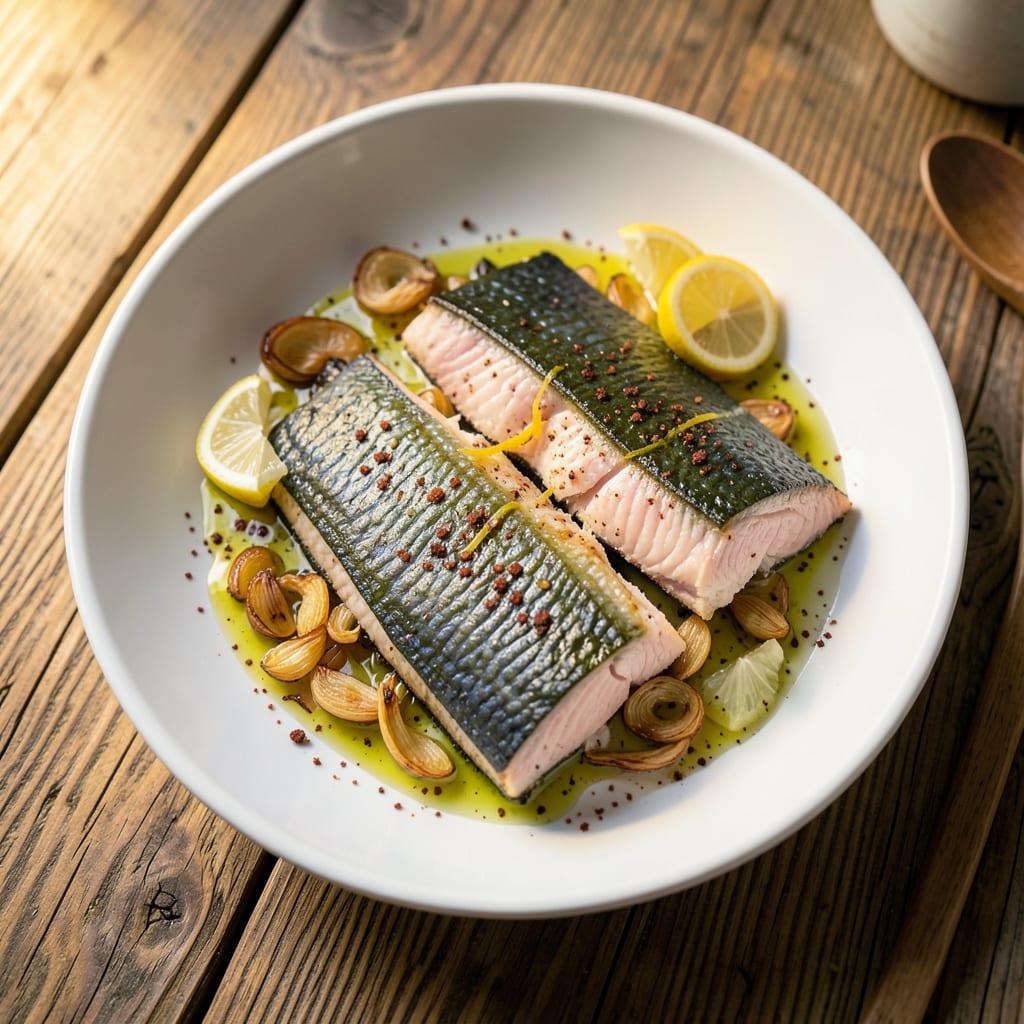
Cooking trout in a Big Green Egg transforms this delicate fish into a restaurant-worthy centerpiece with crispy skin and flaky perfection—no fancy equipment required. The cast-iron chamber locks in moisture while creating that coveted char, and the even heat distribution ensures no dry edges. I’ve perfected this method over countless campfire dinners, where the smoky notes from the Egg’s high-temperature sear elevate the trout’s natural sweetness into something unforgettable.
The secret lies in the prep: a light brine for moisture retention and a dry rub of salt, pepper, and smoked paprika to create that signature crust. Once the Egg reaches 400°F, the trout sizzles to a golden finish in just 8-10 minutes, with the skin shattering like glass and the flesh staying tender. This isn’t just breakfast—it’s a weekend centerpiece that pairs beautifully with grilled asparagus or a citrusy herb salad.
What sets this apart is the Big Green Egg’s ability to control heat and smoke—no flaking fish or soggy skin here. The cast iron’s natural conduction ensures even cooking, while the lid traps aromatics for a dish that smells as good as it tastes. Serve with a squeeze of lemon and fresh dill to brighten the smoky flavors, and you’ve got a meal that feels like a high-end restaurant experience, delivered straight from your backyard.
Leftovers? There won’t be any. But if you’re planning ahead, the trout reheats beautifully in the Egg’s residual heat—just wrap it in foil and warm for 5 minutes. This recipe isn’t just about the fish; it’s about the ritual of cooking over fire, where every bite carries the memory of the crackling flames and the crisp mountain air.
Ingredients for big green egg trout
The perfect Big Green Egg trout needs just 11 ingredients to deliver restaurant-worthy crispy skin and flaky perfection.
| Ingredient | Amount | Notes |
|---|---|---|
| Rainbow Trout Fillets 🐟 | 4 whole | Skin-on, 6-8 oz each, fresh or thawed |
| Coarse Kosher Salt 🧂 | 1 ½ tbsp | Diamond Crystal preferred for texture |
| Freshly Ground Black Pepper 🌶️ | 1 tsp | Cracked from whole peppercorns |
| Smoked Paprika 🌶️ | 1 tsp | For that signature campfire flavor |
| Extra-Virgin Olive Oil 🫒 | 1 tbsp | For pre-brining and skin crisping |
| Ice Water 💧 | 1 cup | For light brine solution |
| Fresh Lemon Juice 🍋 | 1 tbsp | Brightens the smoky flavors |
| Fresh Dill Weeds 🌿 | ¼ cup | Chopped, stems removed for garnish |
| Fresh Lemon Zest 🍋 | 1 tsp | From organic lemons, finely grated |
| Wooden Skewers 🪵 | 4 whole | Soaked in water for 30 minutes |
| Butter 🧈 | 2 tbsp | Cold, for basting after cooking |
The trout is the star—look for rainbow trout fillets with vibrant pink flesh and intact skin at your local seafood counter. Whole Foods or Trader Joe's carry excellent pre-portioned fillets, but if you're buying whole trout, ask for them to be filleted fresh. The skin should be shiny and unbroken, and the flesh should spring back when pressed. For extra insurance against dryness, pat the fillets completely dry with paper towels before brining. Smoked paprika is non-negotiable here—Penzeys or McCormick brands have the best smoke intensity for this recipe.
No smoked paprika? Substitute half the amount of regular paprika plus a pinch of liquid smoke—just don't overdo it. Fresh dill wilting? Dried dill at one-third the amount works, but fresh is ideal for that bright pop. The brine is simple but crucial: 1 tbsp kosher salt per cup of ice water ensures moisture without making the trout soggy. For the olive oil, avoid light or refined oils—they lack the fruity notes that complement the trout. And if you're cooking for a crowd, double the batch—this recipe scales beautifully in the Egg's spacious chamber.
Trout cooks fast—use within 2 days of purchase for best texture. Store fillets in an airtight container lined with paper towels to absorb moisture. The dill keeps for 5 days wrapped in damp paper towels in the fridge. For leftovers (if any), reheat wrapped in foil at 350°F for 5 minutes—the Egg's residual heat makes this effortless. The butter should be kept cold until ready to baste, and soaked skewers can be prepped a day ahead and stored in a sealed bag.
Why You'll Love This Recipe
- Five-Ingredient Magic: I swear by this—just trout, salt, pepper, smoked paprika, and olive oil. That’s it. No chopping, no measuring cups, no stress. The Green Egg’s cast iron crust does all the heavy lifting while you sip your drink and pretend you’re a fancy chef.
- Smoky Crisp Perfection: Between us, that smoked paprika and olive oil combo on the Green Egg’s hot surface? It turns flaky trout into something ridiculously good. The skin gets paper-thin and crispy while the inside stays tender—like a hug from a campfire.
- Weeknight or Weekend Hero: Honestly, this works for both. Throw it on the Green Egg while grilling burgers for the family, or make it the star of a lazy Sunday brunch. The trout cooks fast, so you’re not stuck babysitting dinner while the kids argue over veggies.
Step-by-step instructions for Big Green Egg trout recipe
Here's how to achieve that perfect cast-iron crust and melt-in-your-mouth texture every time.
Prepare the Pre-Brining Solution
In a medium bowl, combine the 1 cup ice water, 1.5 tablespoons coarse kosher salt, 1 tablespoon fresh lemon juice, and 1 teaspoon smoked paprika. Stir until the salt fully dissolves—this creates your light brine solution that will enhance the trout's natural flavor without making it soggy. The ice water keeps the temperature stable, which is crucial for even flavor infusion.
Place the 4 whole Rainbow Trout Fillets in a single layer in a shallow dish or resealable plastic bag. Pour the brine solution over the fillets, ensuring they're completely submerged. Let them soak for 15-20 minutes at room temperature. You'll know it's working when you see the skin begin to slightly tighten and the fillets take on a subtle sheen—this indicates the salt is doing its job while keeping the texture intact.
Season and Skewer the Trout
Remove the trout from the brine and pat them dry thoroughly with paper towels—this is absolutely critical for achieving crispy skin. The moisture needs to evaporate completely before cooking. While they dry, prepare the wooden skewers by soaking them in water for 30 minutes to prevent burning during cooking.
In a small bowl, mix together 1 teaspoon freshly ground black pepper and 1 teaspoon fresh lemon zest. Generously season both sides of each trout fillet with this mixture, pressing the spices gently into the flesh. Then, carefully thread each fillet onto a soaked wooden skewer, positioning them horizontally for even cooking. The skewers will help maintain shape and make flipping easier on the Big Green Egg.
Preheat and Oil the Cast-Iron Skillet
Place your Big Green Egg on a stable surface and preheat it to medium-high heat—this should take about 15-20 minutes. While it heats, rub a clean cast-iron skillet with 1 tablespoon extra-virgin olive oil using a paper towel until it's evenly coated. The oil should look like it's being absorbed rather than pooling, which indicates proper distribution for crispy skin.
Once the Big Green Egg reaches temperature, place the oiled skillet directly on the cooking surface. The residual heat from the Egg will help the skillet reach the perfect searing temperature. You're aiming for a surface that's hot enough to sizzle when the trout touches it, but not so hot that it smokes excessively—this balance creates that signature cast-iron crust.
Cook to Crispy Perfection
Carefully place the skewered trout in the hot skillet, skin-side down. Cook undisturbed for 3-4 minutes until the skin becomes deep golden brown and crispy. Here's the thing—don't move them prematurely. The skin needs this undisturbed contact to develop that perfect crust. You'll know it's ready when you see the edges curl slightly at the corners and the skin releases easily from the skillet.
Flip the trout and cook for an additional 2-3 minutes on the other side until the flesh is opaque throughout and flakes easily with a fork. The internal temperature should reach 145°F at its thickest point. While the trout cooks, melt the 2 tablespoons cold butter in a small saucepan over low heat—you'll use this to baste the finished fish for extra richness.
Finish with Fresh Herbs and Serve Immediately
Transfer the cooked trout to a serving platter and immediately baste with the melted butter, spooning it generously over the top. Then sprinkle with the 0.25 cup chopped fresh dill weeds, pressing them gently into the flesh so they adhere. The dill adds that bright, herbal note that cuts through the richness of the fish and butter.
Serve the trout immediately while the skin is still crisp and the flesh is perfectly flaky. The contrast between the crispy skin and tender interior is what makes this recipe truly special. Pair with your favorite sides—perhaps a simple arugula salad with lemon vinaigrette or some grilled vegetables to complement the smoky, herby flavors. Enjoy while it's hot!
Pro Tips For Making Big Green Egg Trout
- CRANK THE GREEN EGG HIGH: That big green egg isn’t a slow cooker—treat it like a smoker. Preheat it to 375°F for 15 minutes first, then crank the heat to 425°F for searing. I learned this the hard way after my first batch came out steamed instead of crispy.
- DRY THOSE FILLETS LIKE MAD: Pat the trout fillets with paper towels until they’re bone-dry—no wet spots. The extra moisture will turn your crispy skin into sad, soggy paper. Use a clean towel for the final wipe, and don’t rush it. (Yes, even if you’re impatient like me.)
- SALT THE SKIN FIRST: Season the skin-side of the fillets with kosher salt before placing them in the egg. Let it sit for 5 minutes—this draws out moisture and guarantees that golden, shatterable crust. Skip this, and you’ll end up with a bland, limp mess.
- USE A THIN OIL SLICK: Drizzle just enough olive oil over the fillets to coat the bottom of the egg—about 1 tablespoon total. Too much oil = greasy trout. Too little = sticking. A light, even layer is all you need for that perfect sear. (And no, that fancy infused oil isn’t worth it here.)
Wine and beer pairings for big green egg trout
Crisp White Wine
For this smoky, herbaceous trout, I reach for a dry Riesling from the Mosel region—its bright acidity and subtle petrol notes mirror the trout’s natural sweetness while cutting through the smoky char from the Big Green Egg. A German Kabinett (off-dry) works beautifully if you prefer a touch of sweetness to balance the dill and lemon. Serve slightly chilled (50-55°F) to enhance its crispness and let it refresh your palate between bites. 🍷
Light-Bodied Beer
A Belgian Witbier like Stella Artois or Hoegaarden is my go-to beer pairing—its coriander and citrus notes complement the trout’s herbal and smoky flavors without overpowering them. The effervescence also cleanses the palate, making each bite feel fresh. For a local craft option, try a wheat beer with a hint of lemon zest, like Allagash White. Avoid heavy lagers or dark ales, which can muddle the trout’s delicate profile. 🍺
Rosé for Balance
If you’re serving this trout as a brunch centerpiece, a dry Provence rosé (like Whispering Angel) adds a sophisticated touch. The strawberry and citrus notes harmonize with the dill and smoked paprika, while its crisp acidity stands up to the butter basting. Look for one with minimal oak influence—you want the fruit to shine through. Serve at 45-50°F to let its brightness complement the dish’s richness. 🌸
Non-Alcoholic Sparkler
For a refreshing non-alcoholic option, I love a sparkling lemonade infused with fresh dill and a splash of grapefruit juice. Mix 2 cups sparkling water, 1 cup fresh lemon juice, ½ cup grapefruit juice, and 2 tbsp honey (or agave), then muddle in 4 fresh dill sprigs. Strain and serve over ice—it’s light, citrusy, and perfectly balances the smoky trout. 💫
After-Dinner Digestif
To finish the meal, a small glass of gin (like Hendrick’s) with a twist of lemon and a sprig of dill echoes the dish’s flavors. The botanicals in gin complement the smoked paprika and dill, while the citrus ties back to the trout’s bright finish. For a lighter option, a dry vermouth (like Noilly Prat) with a splash of soda adds herbal depth without overpowering. 🍸
Nutrition facts
Frequently asked questions
Can I use frozen trout in this Big Green Egg recipe?
Yes, but thaw it properly first! Place frozen trout fillets in a sealed bag and submerge in cold water for 30-45 minutes until fully thawed. Never use warm water—it promotes bacterial growth. Pat completely dry before brining, as excess moisture prevents crispy skin. The Egg's high heat will handle thawed trout just as well as fresh.
What's the best temperature setting for the Big Green Egg?
Set your Egg to medium-high heat (400°F) for perfect results. The cast iron retains heat beautifully, so once it reaches temp, maintain consistent cooking. Use the built-in thermometer to monitor—any higher risks burning the delicate skin, while lower temps may leave it undercooked. The 8-10 minute window at this temp creates that signature crispy texture.
How do I prevent the trout skin from sticking?
Thorough drying is key! After brining, pat the fillets completely dry with paper towels—no moisture should remain. Then oil your skillet generously with extra-virgin olive oil until it's lightly smoking. The Egg's cast iron needs this oil to create a non-stick barrier. If it still sticks slightly, gently slide a thin metal spatula underneath while cooking.
Can I make this recipe without wooden skewers?
If you don't have skewers, simply place the trout directly in the skillet. Use a fish spatula to carefully flip them—just be extra gentle with the skin. For even cooking, arrange fillets skin-side down with space between them. The Egg's even heat distribution ensures perfect results either way, though skewers help maintain shape during flipping.
What if my trout cooks unevenly in the Egg?
This usually happens with thicker fillets. For even cooking, trim any uneven edges before brining. If using whole trout, cut into equal-sized portions (6-8 oz each). The Egg's heat zone works best when fillets are uniform. For extra insurance, rotate the skillet quarter-turn after 2 minutes to distribute heat evenly—this helps prevent hot spots.