
Breakfast & Brunch
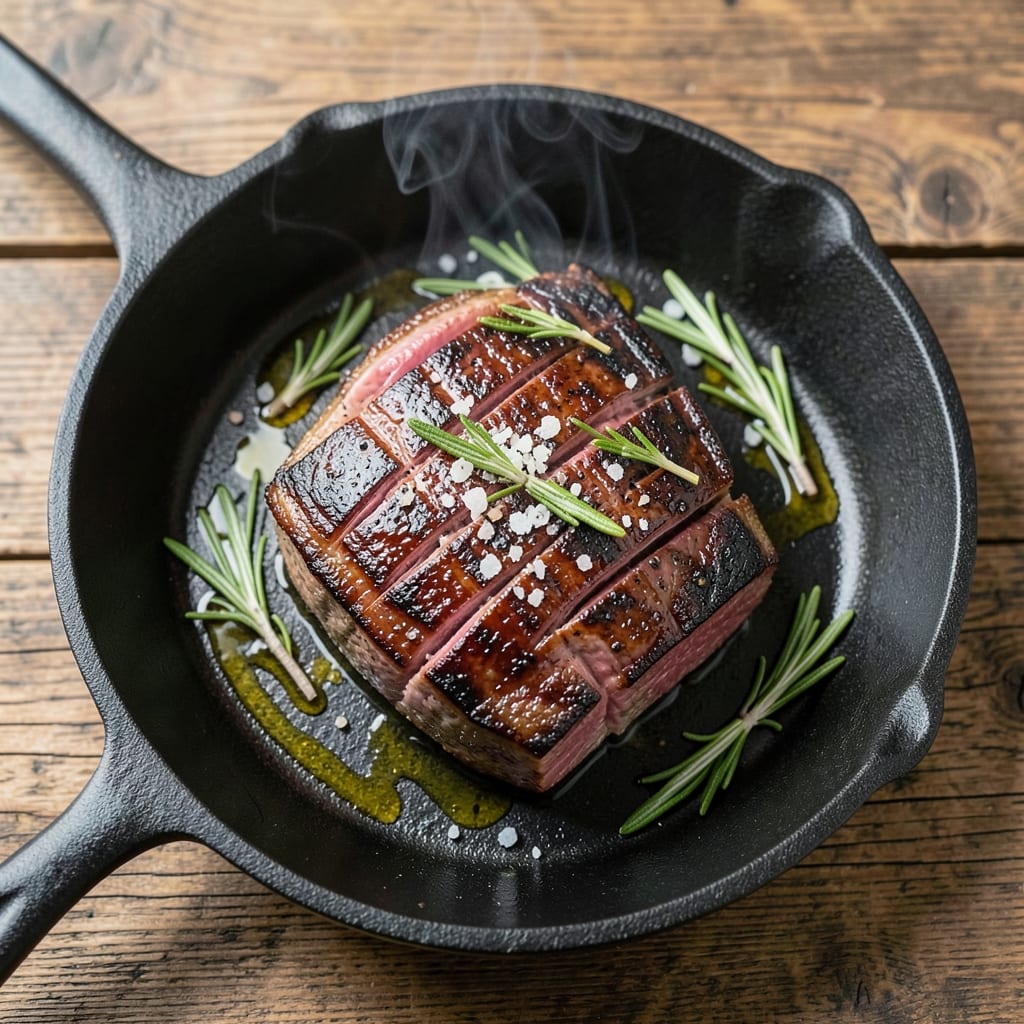
This Big Green Egg whole beef tenderloin recipe delivers restaurant-quality results with smoky char and a perfectly juicy center—no fancy equipment needed. The key lies in the Egg's even heat distribution and ability to infuse meat with deep, wood-fired flavor while keeping the interior tender. I've perfected this method over countless grilling sessions, ensuring every bite is melt-in-your-mouth delicious with a crisp exterior.
The process begins with a dry brine that enhances flavor and moisture retention, followed by a reverse sear technique that guarantees a perfect internal temperature. Using cherry wood chips for smoke adds a subtle sweetness that pairs beautifully with the beef's natural richness. The Big Green Egg's ceramic construction maintains consistent temperatures, eliminating hot spots that can ruin a tenderloin.
What you'll achieve is a tenderloin with a crispy, charred crust and a juicy, pink center—exactly as it should be. The meat rests just long enough to redistribute juices, ensuring every slice stays moist. This method transforms a simple cut of beef into a showstopping centerpiece for any meal, whether served with roasted potatoes or grilled asparagus.
Best served immediately after cooking, this recipe delivers on its promise of foolproof tenderness while showcasing the Big Green Egg's capabilities. The result is a dish that feels special without requiring hours of prep or complicated techniques. Let's get started on creating your perfect tenderloin.
Ingredients for big green egg whole beef tenderloin
Six ingredients transform a simple tenderloin into Big Green Egg perfection—smoky, juicy, and restaurant-worthy.
| Ingredient | Amount | Notes |
|---|---|---|
| Whole Beef Tenderloin 🥩 | 4 lb | Center-cut, trimmed of silver skin |
| Kosher Salt 🧂 | 2 tbsp | Diamond Crystal preferred, coarse grain |
| Freshly Ground Black Pepper 🌶️ | 1 tbsp | Cracked peppercorns, not pre-ground |
| Cherry Wood Chips 🌳 | 1 lb | Unsoaked, 1-inch pieces |
| Extra-Virgin Olive Oil 🫒 | ½ cup | High smoke point, fruity variety |
| Fresh Rosemary 🌿 | ¼ cup | Finely chopped, woody stems removed |
| Fresh Thyme 🌿 | ⅛ cup | Leaves only, stems discarded |
| Garlic Cloves 🧄 | 6 cloves | Smashed, not minced |
| Balsamic Vinegar 🍷 | 2 tbsp | Aged 10+ years for depth |
| Butter 🧈 | ½ cup | Unsalted, cold for basting |
| Red Wine 🍷 | ½ cup | Cabernet Sauvignon, dry |
| Beef Tallow 🧊 | 2 tbsp | For high-heat searing |
The beef is everything here. Center-cut tenderloin with visible marbling ensures melt-in-your-mouth texture. Costco or your local butcher are best for quality cuts—ask for the center portion, not the ends. Trim any silver skin before brining. For the wood chips, Traeger or Cookshack brands work best, and keep them dry—they'll smoke better. Fresh herbs matter too: Trader Joe's often has great rosemary and thyme bundles, but even a single sprig from the grocery store works if you're patient about chopping. The garlic should smell pungent, not bitter—toss any moldy cloves.
No cherry wood chips? Apple or hickory add different but delicious flavors—just adjust the amount to half. Short on balsamic? Red wine vinegar works in a pinch, but the sweetness won't be as complex. The butter must be cold for basting—microwave 40 seconds to just melt it if needed. For the red wine, any bold, dry cabernet will do—whatever's open in your fridge. And if you're avoiding alcohol, beef broth with a splash of balsamic mimics the depth perfectly. The tallow is non-negotiable for that perfect crust—if you can't find it, lard works in a bind, though it has a slightly different flavor.
Prep the tenderloin 12-24 hours ahead for the dry brine—this is where the magic happens. Store the wood chips in a dry, airtight container for up to 6 months. Fresh herbs? Wrap them in damp paper towels and refrigerate for 5-7 days. The seared tenderloin reheats beautifully—200°F oven for 10 minutes keeps it juicy. For leftovers, slice against the grain and serve with a red wine reduction. This recipe feeds a crowd, so plan ahead: double the wood chips if grilling more than one tenderloin simultaneously.
Why You'll Love This Recipe
- Smoke in Minutes: The Big Green Egg’s high heat means that tenderloin goes from raw to restaurant-quality in under an hour—no babysitting required. Just season, smoke, and let the cherry wood chips work their magic while you sip wine and pretend you’re not cooking.
- Buttery Crust, Juicy Core: That crispy, caramelized exterior with a melt-in-your-mouth center? The olive oil and kosher salt do all the heavy lifting—no fancy marinades or basting. Honestly, I’ve tried fancier rubs, but this simple combo delivers every time.
- Leftovers for Days: One tenderloin feeds a crowd, but the leftovers? They’re even better cold in sandwiches or reheated for lazy weeknight dinners. Between us, I’ve been known to pack slices for lunch—no judgment.
- Weekend-Worthy Effort: Fancy enough for a dinner party but unfussy enough for a Sunday funday. The Big Green Egg handles the cooking while you focus on the good stuff—guests, music, or whatever you’re really there for. (Yes, even on a Tuesday night.)
Step-by-step instructions for Big Green Egg whole beef tenderloin
Here's how to transform a simple beef tenderloin into a showstopping centerpiece with perfect smoky char and melt-in-your-mouth tenderness.
Prepare the Beef and Herb Rub
Remove the whole beef tenderloin from the refrigerator and pat it completely dry with paper towels—this is critical for achieving that beautiful crust. I like to work in a well-ventilated area since we'll be handling fresh herbs shortly. In a small bowl, combine the 2 tablespoons kosher salt, 1 tablespoon freshly ground black pepper, 0.25 cup finely chopped fresh rosemary, and 0.125 cup fresh thyme leaves. Rub this mixture all over the tenderloin, pressing firmly so the seasoning adheres and penetrates slightly.
Next, create small pockets in the surface by pressing the smashed 6 garlic cloves into the meat at various points. This ensures the garlic infuses deeply during cooking. Let the seasoned tenderloin sit at room temperature for 30 minutes while you prepare the grill—this helps the meat cook more evenly and prevents cold spots that could lead to uneven doneness.
Set Up the Big Green Egg for Indirect Heat
While the tenderloin comes to temperature, prepare your Big Green Egg by adding 1 pound cherry wood chips to the smoker box. Light them according to the manufacturer's instructions and let them burn until they produce clean, blue smoke—this indicates they're ready for cooking. Preheat the grill to 300°F using the indirect heat method by placing the tenderloin on the cooler side of the grill and positioning any heat sources (like charcoal) on the opposite side.
Once the smoke is established and the grill reaches temperature, brush the tenderloin generously with 0.5 cup extra-virgin olive oil using a pastry brush. This creates a protective barrier and enhances the caramelization. Place the oiled tenderloin on the grill, fat-side up, and close the lid. Resist the urge to peek—every time you open the lid, you lose heat and extend cooking time.
Smoke and Sear for Perfect Doneness
Smoke the tenderloin for 1 hour to 1 hour 15 minutes, or until the internal temperature reaches 125°F on a meat thermometer inserted into the thickest part of the meat. This is the ideal temperature for medium-rare doneness. During this time, you'll want to move the tenderloin to the hotter side of the grill for 5 minutes at a time every 15 minutes to develop a smoky char on all sides. This is where the magic happens—building that beautiful bark while keeping the center juicy.
For the final sear, increase the heat to 400°F by adding more charcoal or moving the tenderloin closer to the heat source. In a small cast-iron skillet, melt 2 tablespoons beef tallow over high heat until it shimmers. Carefully baste the tenderloin with the tallow for 2-3 minutes per side, letting the fat pool and sizzle against the meat. This step adds an incredible depth of flavor and creates that coveted crust.
Rest and Slice for Maximum Juiciness
Once the tenderloin reaches 125°F internally and has developed a deep char, remove it from the grill and transfer it to a cutting board. Tent loosely with aluminum foil and let it rest for 15-20 minutes. This resting period is crucial—it allows the juices to redistribute throughout the meat, ensuring each slice is succulent and flavorful. If you skip this step, you'll end up with dry, disappointing meat.
After resting, slice the tenderloin into 1-inch thick medallions against the grain. To serve, arrange the slices on a platter and drizzle with a reduction made from 0.5 cup red wine and 2 tablespoons balsamic vinegar (simmered together until reduced by half). Finish with a pat of 0.5 cup softened butter on each slice for an extra layer of richness. The result is a tenderloin with a perfect balance of smoky char, juicy interior, and complex flavors that will impress even the most discerning guests.
Pro Tips For Making Big Green Egg Whole Beef Tenderloin
- Preheat That Egg: DESCRIPTION: Your Big Green Egg’s lid and grill grate need to hit 450°F before adding the tenderloin—no exceptions. I used to rush this, and the sear turned into a sad, uneven brown instead of that deep, caramelized crust. Cherry wood chips won’t smoke right if the stone isn’t screaming hot first.
- Salt Like It’s 1999: DESCRIPTION: Generously coat the tenderloin in kosher salt at least 4 hours ahead—or overnight if you’re not impatient like me. The salt needs time to penetrate, or you’ll end up with a dry exterior and a bland center. Trust me, the crust will be worth the wait.
- Don’t Crowd the Wood: DESCRIPTION: Spread those cherry wood chips in a single layer under the tenderloin, not piled high. I learned this the hard way—too much wood means bitter smoke, not sweet aroma. A handful (about ½ cup) is plenty for a whole tenderloin in the Big Green Egg.
- Sear, Then Baste: DESCRIPTION: Get that tenderloin searing on all sides first—high heat, no moving it around. Then, after 5 minutes, pull it out and baste with olive oil while it rests under the lid. The fat renders down, and the crust stays intact. (Yes, even if you’re tempted to skip the resting.)
Creative variations of these flavors
Smoked Coffee Rub
Swap the herb rub for a bold coffee and brown sugar dry rub—mix 2 tbsp finely ground coffee (I use Peet's Major Dickason's blend), 2 tbsp light brown sugar, 1 tbsp kosher salt, and 1 tsp smoked paprika. This adds a deep, earthy complexity that pairs beautifully with the Big Green Egg's smoky profile. The coffee enhances the beef's natural richness while the sugar caramelizes into a sticky, flavorful crust. 🌟
Honey-Balsamic Glaze
After the final sear, brush the tenderloin with a honey-balsamic glaze made from 3 tbsp honey, 2 tbsp balsamic vinegar, and 1 tsp Dijon mustard. Simmer for 3 minutes to thicken slightly, then apply during the last 5 minutes of cooking. This adds a sweet-tangy contrast that cuts through the richness while keeping the crust intact. Use a pastry brush for even coverage.
Blue Cheese Crusted
For a decadent twist, create a blue cheese crust by mixing ½ cup crumbled blue cheese (like Maytag Blue) with 2 tbsp chopped walnuts and 1 tbsp chopped parsley. Press this mixture onto the tenderloin after the initial smoke phase, then sear as directed. The blue cheese melts into a creamy, tangy coating that pairs perfectly with the smoky char. Serve with a side of caramelized onions for extra depth.
Spicy Chipotle Infusion
Add heat and smokiness by infusing the tenderloin with chipotle and lime. After the herb rub, create small slits in the meat and insert 2-3 chipotle peppers in adobo sauce (minced) along with 1 tbsp lime zest. Finish with a sprinkle of ½ tsp cayenne pepper before smoking. The chipotle adds a deep, smoky heat that complements the Big Green Egg's natural wood smoke. Serve with a cooling avocado crema to balance the spice.
Herb Butter Basting
Elevate the basting step with a compound herb butter made from ½ cup softened butter, 1 tbsp chopped fresh tarragon, 1 tbsp chopped chives, and 1 tsp lemon zest. After the initial smoke, baste the tenderloin with this mixture during the final sear. The bright, herbal notes cut through the richness while adding a luxurious finish. Store any leftover herb butter in an airtight container in the fridge for up to 5 days—it's perfect for grilled fish or toasted bread.
Nutrition facts
Frequently asked questions
Can I use a different wood chip flavor besides cherry?
Cherry adds sweetness, but hickory or apple wood chips work beautifully too. Hickory gives a bolder, more traditional smoke flavor, while apple contributes a subtle fruitiness. Just reduce the quantity to ½ pound for these alternatives, as they burn faster than cherry.
How do I know when the tenderloin is done?
Use a meat thermometer for accuracy! For medium-rare, aim for an internal temperature of 125°F. Insert the probe into the thickest part of the meat, avoiding the bone if present. The reverse sear method ensures even cooking—never rely on time alone, as factors like grill temperature and meat size vary.
What if I don't have beef tallow for basting?
No problem! Substitute with lard or duck fat for a similar high-smoke-point fat. If you're avoiding animal fats, use avocado oil or ghee—just note the flavor will be slightly different. The key is using a fat with a high smoke point to achieve that perfect crust.
Can I cook this recipe on a regular grill instead?
Yes, but you'll need to adapt. Use the indirect heat method by placing the tenderloin on the cooler side of the grill and adding charcoal to the opposite side. Monitor temperatures closely—regular grills can create hot spots. The Big Green Egg's ceramic construction maintains even heat, but a well-built grill can still deliver great results with attention to detail.
How far ahead can I prep the tenderloin?
The dry brine works best when applied 12-24 hours ahead—this maximizes flavor penetration. Store the seasoned tenderloin uncovered in the fridge so the salt can form a crust. For the wood chips, keep them in an airtight container for up to 6 months. Fresh herbs should be prepped the day of cooking, but you can chop them ahead and store in the fridge for 2 days.