
Breakfast & Brunch
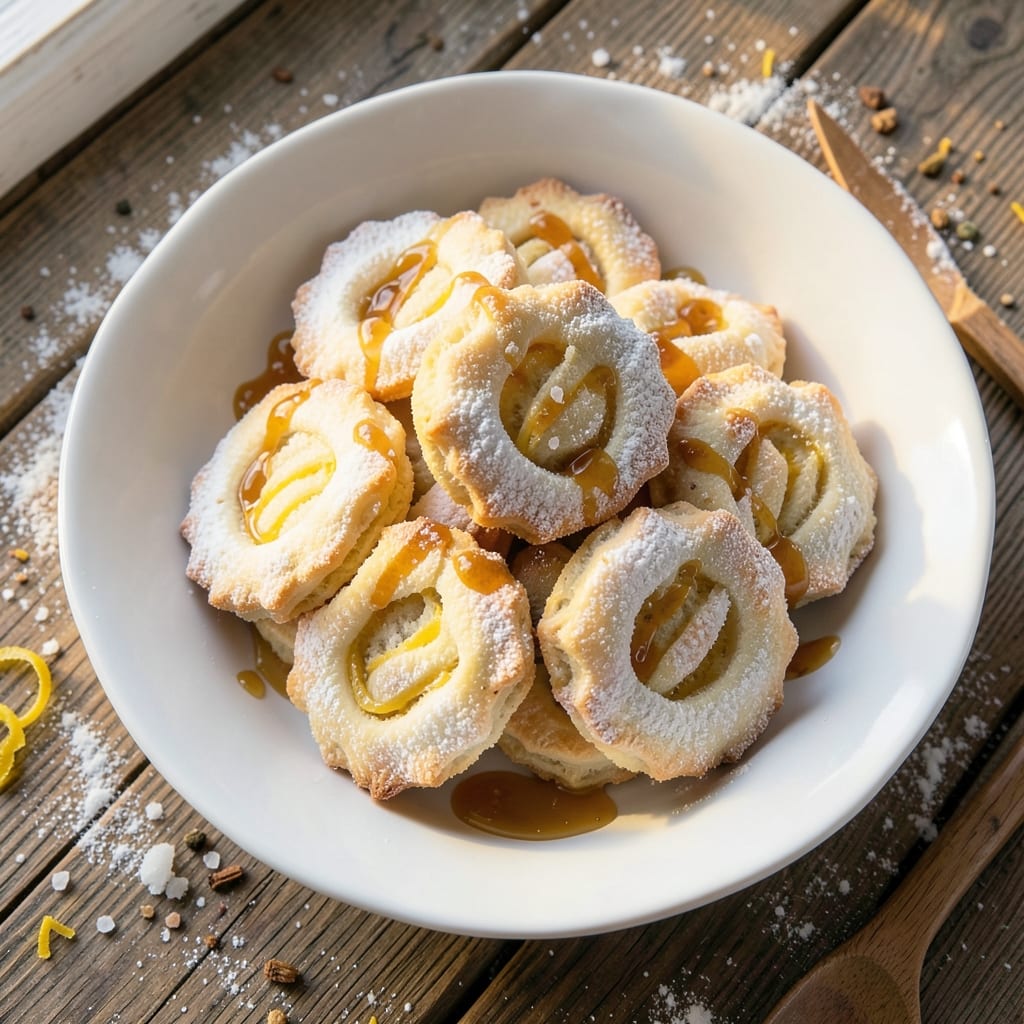
This biscuit recipe using egg yolks transforms ordinary biscuits into layers of flaky perfection with golden streaks that melt in your mouth. The secret lies in the yolks—adding richness and tenderness while creating those signature flaky layers that make every bite worth savoring. I've perfected this technique over years of baking, ensuring each biscuit rises just right and stays warm and soft for hours.
The egg yolks play a crucial role in the texture, contributing moisture and fat that create a tender crumb while allowing the butter to separate into delicate layers. This recipe is designed to be simple yet impressive, with just a few key ingredients and a straightforward process that yields biscuits with a crisp, golden exterior and a fluffy, buttery interior. The result is a biscuit that's both hearty enough for breakfast and delicate enough to pair with sweet jams or savory gravy.
What sets these biscuits apart is the way the egg yolks enhance the flakiness without overpowering the buttery flavor. They're perfect for weekend brunches, holiday meals, or even as a side to complement hearty stews or fried chicken. The technique is straightforward, but the outcome is restaurant-quality—crisp on the outside, tender on the inside, with those beautiful golden streaks that make them look as good as they taste.
Once you master this method, you'll never go back to ordinary biscuits. The key is in the mixing, cutting, and baking—each step is critical to achieving that perfect balance of flakiness and tenderness. Whether you're serving them with gravy, jam, or butter, these biscuits will become a staple in your breakfast rotation. Let's get started on creating the best biscuits you've ever tasted.
Ingredients for biscuit recipe using egg yolks
Golden yolks and cold butter create restaurant-quality biscuits with flaky layers and tender crumb.
| Ingredient | Amount | Notes |
|---|---|---|
| All-Purpose Flour 🌾 | 3 cups | Sifted for lighter texture |
| Large Egg Yolks 🥚 | 4 whole | Room temperature for even mixing |
| Cold Unsalted Butter 🧈 | 1 cup | Cut into small cubes |
| Baking Powder 🍞 | 1 tbsp | Diamond Crystal preferred |
| Granulated Sugar 🍚 | 1 tbsp | For subtle sweetness |
| Kosher Salt 🧂 | 1 tsp | Fine grain preferred |
| Whole Milk 🥛 | ½ cup | Cold for flaky layers |
| Fresh Lemon Juice 🍋 | 1 tsp | Brightens flavor |
The butter is non-negotiable—use cold, unsalted sticks straight from the fridge. Land O'Lakes or Plugrá are my go-tos for reliable quality. If your butter has salt, skip adding extra salt to the dough. The yolks? Room temperature is key—they should be thick but pourable. I always grab extra yolks (half the batch for topping) because they make all the difference for those golden streaks. Flour matters too: King Arthur or Gold Medal brands give the best rise and texture.
No egg yolks? Avocado or mashed banana adds moisture, but you'll lose that signature richness. Short on butter? Coconut oil works in a pinch, though it won't be as flaky. The milk can be swapped for buttermilk (skip the lemon juice) or even Greek yogurt (reduce by 2 tbsp). For the flour, whole wheat blend (half-and-half) gives a nuttier flavor—just add 1 extra tbsp to compensate for absorption. The baking powder? Check the expiration date—old powder loses its lift!
Store dough in the fridge for up to 2 days wrapped tightly in plastic. Biscuits reheat best in a 350°F oven for 8-10 minutes—they crisp up perfectly. Freeze unbaked biscuits for 3 months on a tray first (prevents sticking), then transfer to a bag. For serving, I always brush the tops with melted butter and sprinkle with flaky sea salt—worth the extra minute!
Why You'll Love This Recipe
- Golden Flaky Layers: I’ll be honest—the cold butter cut into the flour until it’s pea-sized? That’s the secret. The yolks bind it just enough to keep those layers buttery without falling apart, and the sugar? Tiny bursts of sweetness that make every bite feel like a little treat.
- Weeknight Hero: Honestly, this is my "I have no idea what I’m doing" biscuit. No yeast, no waiting, no stress—just mix, fold, cut, and bake. Even if I forget to take them out of the fridge, they still rise. That’s reliability.
- Breakfast or Brunch: Here’s what sold me—they’re ridiculously good plain, but slathered with jam and a pat of butter? Instant crowd-pleaser. Or stuff them with cheese and bake until bubbly for a weekend brunch. One dough, endless options.
- Budget-Friendly Staple: Between us, this recipe costs me less than $3 for a dozen. Flour, butter, eggs—ingredients I already have. And those leftovers? Toast them the next morning, freeze them for later, or split with a neighbor. Zero waste, maximum satisfaction.
Step-by-step instructions for flaky biscuits with golden yolk streaks
Here's how to transform simple ingredients into biscuits with melt-in-your-mouth layers and those coveted golden yolk streaks.
Cut Butter into Flour for Maximum Flakiness
In a large mixing bowl, combine the 3 cups all-purpose flour, 1 tablespoon baking powder, 1 tablespoon granulated sugar, and 1 teaspoon kosher salt. Whisk lightly to distribute the dry ingredients evenly—just until you see a few small flour streaks remain. This prevents overdevelopment of gluten, which would make your biscuits tough.
Add the 1 cup cold unsalted butter, cut into small cubes. Using a pastry cutter or your fingers, work the butter into the flour mixture until you reach pea-sized pieces. I press down gently with my fingers to ensure even distribution—this creates those beautiful flaky layers. If the mixture feels too dry, add 1 tablespoon of the cold whole milk to help bind it. The butter should remain cold throughout this process to maintain flakiness.
Add Egg Yolks and Lemon Juice for Richness
In a separate bowl, whisk together the 4 whole large egg yolks and 1 teaspoon fresh lemon juice until smooth and fully combined. The lemon juice brightens the flavor and helps tenderize the dough. Add this mixture to the flour-butter combination and gently stir with a wooden spoon until just combined. You're looking for a shaggy, slightly sticky dough that holds together when pressed—don't overmix or you'll develop gluten and lose that tender crumb.
I like to use a rubber spatula to scrape up any flour from the bottom of the bowl, ensuring all the dry ingredients are incorporated. The dough should be cool to the touch—if it feels warm, place it in the refrigerator for 5-10 minutes while you preheat your oven. This chilling step is crucial for maintaining those flaky layers when we roll and cut the biscuits.
Roll and Cut for Perfect Shapes
Preheat your oven to 425°F while you work. On a lightly floured surface, pat the dough into a 1-inch thick rectangle. I use my hands to gently press and shape it—don't roll it like pie crust or you'll compress those precious butter layers. Fold the rectangle in thirds like a letter, then unfold and rotate 90 degrees. Repeat this folding and rotating process two more times. This creates multiple thin layers that will separate beautifully during baking.
Using a 2.5-inch round cutter, press straight down through the dough to cut out biscuits. I press firmly but don't twist the cutter—twisting can seal the edges and prevent proper rising. Place the cut biscuits on an ungreased baking sheet, spacing them about 1 inch apart. Gather any scraps, re-roll, and cut additional biscuits if needed. The dough should yield about 12 biscuits—don't worry if they're not perfect, they'll look amazing after baking.
Bake Until Golden with Yolk Streaks
Bake the biscuits for 12-15 minutes until they're golden brown at the edges and the tops have those beautiful golden yolk streaks peeking through. I check at the 10-minute mark—the biscuits should be puffing up nicely. If they brown too quickly, tent them loosely with aluminum foil to prevent over-browning while they continue cooking inside.
For extra flakiness, I like to brush the tops with a little more whole milk right after removing them from the oven. This creates a tender, slightly crispy top layer. Let the biscuits cool on the baking sheet for 2-3 minutes before transferring to a wire rack. They'll be hot and delicious right out of the oven, but giving them a moment to firm up makes them easier to serve without falling apart.
Pro Tips For Making Biscuit Recipe Using Egg Yolks
- Cut Butter in Small Batches: I learned this the hard way—trying to cut cold butter into flour all at once just creates a mess. Work in 2-3 tablespoon chunks at a time, using a pastry cutter or two forks, until you get pea-sized crumbs. The butter shouldn’t melt; if it does, chill your mixing bowl for 5 minutes first.
- Use Room-Temp Yolks: Cold egg yolks can make your biscuits dense, so let them sit in warm water for 2 minutes before cracking them into the bowl. This keeps them from shocking the butter and ensures they blend smoothly—no streaks, no lumps, just a tender crumb.
- Skip Overmixing After Adding Liquid: Once you pour in the yolks and milk (if using), mix just until combined—about 10 strokes. Overworking the dough activates the gluten, and you’ll end up with tough, chewy biscuits instead of the light, flaky texture you want.
- Press Dough Gently, Not Hard: When shaping the biscuits, use the heel of your hand to press the dough down just enough to form a smooth top—no need to squish it like you’re kneading bread. A little unevenness is fine; the key is keeping the layers intact so they rise properly.
Storing and reheating this dish
Refrigerator Refresh
Store freshly baked biscuits in an airtight container at room temperature for up to 2 days—they stay soft and warm like they just came out of the oven. For longer storage, transfer to the fridge where they'll keep their texture for 3-4 days. I like to separate layers with parchment paper to prevent sticking. When reheating, wrap them individually in a damp paper towel and microwave for 10-15 seconds—this restores their flakiness without drying them out. 💫
Freezer Preservation
Unbaked biscuits freeze beautifully for 3 months—first arrange them on a baking sheet in the freezer for 1 hour to prevent sticking, then transfer to a freezer bag with all air removed. Bake straight from frozen at 425°F for 15-18 minutes, adding 2-3 minutes to the original baking time. For baked biscuits, freeze them in a single layer first, then stack with parchment between each. Reheat in a 350°F oven for 8-10 minutes until warmed through. 🥶
Oven Revival
My favorite method is reheating in the oven—it recreates that golden, flaky texture perfectly. Place biscuits on a baking sheet, brush tops with melted butter, and bake at 350°F for 8-10 minutes until warmed through. For extra crispiness, broil for 1-2 minutes at the end. This works best for 1-2 days of storage—after that, microwave with a damp towel for quick results. The key is low and slow to avoid drying them out. ✨
Microwave Quick Fix
When you're in a hurry, the microwave is your friend—just don't skip the damp paper towel! Cover biscuits with a damp paper towel and heat on 50% power for 10-15 seconds. Check after 10 seconds and add more time in 5-second increments until warmed. This method preserves moisture better than high heat. For extra flakiness, sprinkle with a pinch of granulated sugar before reheating—it caramelizes slightly for a restaurant-quality finish. 🔥
Butter Brushing Secret
Before reheating, brush biscuits with melted butter—this adds richness and helps restore their flaky layers. I use Land O'Lakes unsalted butter melted in 10-second bursts in the microwave. For extra flavor, mix in 1 tsp honey or garlic powder before brushing. This works for both oven and microwave reheating, giving your biscuits that fresh-from-the-oven appeal every time. The butter should be just warm enough to spread—not hot or it'll melt into the biscuits instead of creating a crisp top layer. 🧈
Nutrition facts
Frequently asked questions
Why do egg yolks make biscuits flakier?
The yolks add fat and moisture that helps create delicate layers when combined with cold butter. Their natural emulsifiers also improve texture, creating those signature golden streaks while keeping the crumb tender. Without yolks, biscuits can turn out dense or dry.
Can I substitute egg whites for yolks?
Not recommended—they lack fat and richness, which are key for flakiness. If you must substitute, use 1 tablespoon melted butter per yolk to mimic fat content, but texture won't be identical. For best results, stick with yolks for that signature tender crumb.
How do I fix dough that's too sticky?
Add 1 tablespoon cold flour at a time until the dough holds together when pressed. Chill for 10 minutes before rolling to firm up. Overworking sticky dough can develop gluten, making biscuits tough. The dough should be cool and just slightly tacky—not wet.
Why did my biscuits spread instead of rise?
Overmixing develops gluten, causing flat biscuits. Ensure butter stays cold and cut dough into 1-inch thick rectangles before folding. Also check baking powder freshness—old powder loses lift. Preheat oven fully to 425°F for proper expansion.
Can I make these biscuits without butter?
Yes, but texture changes. Replace butter with 1 cup solid shortening (like Crisco) for flakiness, or 1 cup coconut oil for a lighter taste. For richness, add 2 extra egg yolks to compensate. The layers won't be as crispy, but they'll still be tender.