
Breakfast & Brunch
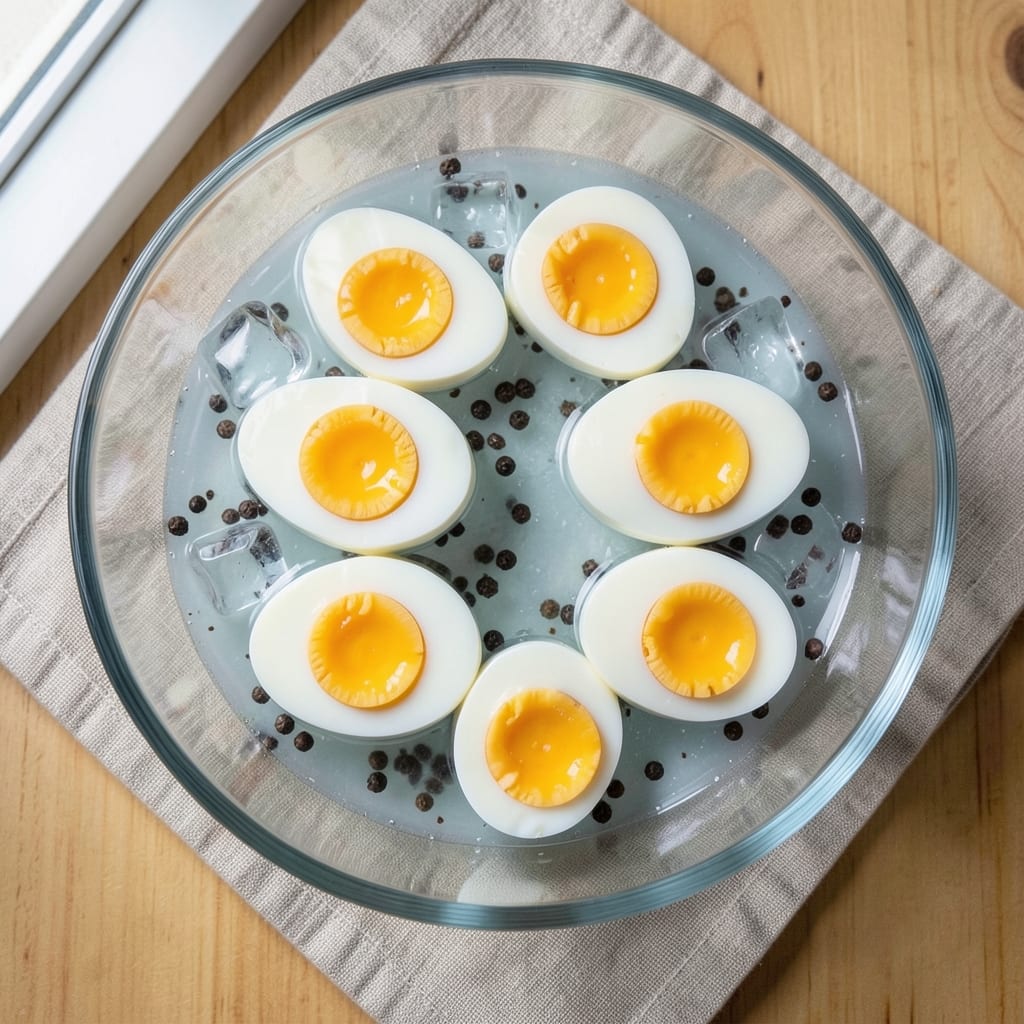
Mastering the perfect boil egg boil recipe starts with precise timing and a few simple techniques that guarantee a firm center every time. This method eliminates guesswork by controlling water temperature, egg freshness, and cooling—no more rubbery whites or undercooked yolks. The secret lies in the ratio of water to eggs and the exact boiling duration, which we’ll break down step by step for foolproof results.
What sets this recipe apart is its adaptability: whether you prefer soft-boiled eggs for breakfast or fully hard-boiled ones for salads, the same method delivers consistent results. Adding a splash of vinegar to the water not only enhances flavor but also helps prevent cracking. Once boiled, the rapid ice bath ensures eggs peel effortlessly, saving you time and frustration.
The outcome is eggs with creamy whites and firm yolks that hold their shape, ready for slicing, deviling, or snacking. No more trial and error—just reliable, restaurant-quality eggs you can make at home. Let’s get started with the foolproof technique that works every time.
Store boiled eggs in the fridge for up to a week, or freeze peeled halves for smoothies and baking. Serve them in salads, as a protein-packed snack, or use them as a base for deviled eggs. This method transforms a simple task into a skill you’ll rely on for years.
Ingredients for boil egg boil
Twelve eggs and four cups of water—this is all you need for restaurant-quality boiled eggs.
| Ingredient | Amount | Notes |
|---|---|---|
| Large Eggs 🥚 | 12 whole | Room temperature preferred |
| White Vinegar 🍶 | 2 tbsp | Prevents cracking and enhances flavor |
| Ice Cubes ❄️ | 4 cups | For rapid cooling and peeling |
| Water 💧 | 4 cups | Filtered preferred for clarity |
| Diamond Crystal Kosher Salt 🧂 | 1 tsp | For seasoning after boiling |
| Black Peppercorns 🌶️ | ½ tsp | Freshly cracked for aroma |
| Fresh Dill Sprigs 🌿 | 2 whole | Optional garnish for flavor |
| Lemon Wedges 🍋 | 2 whole | For serving and acid balance |
The eggs should be fresh but not older than 7 days—older eggs peel more easily but may have thinner whites. Store-bought cartons from the back of the fridge (not the front) are ideal. The white vinegar is non-negotiable: it stabilizes the proteins, preventing cracking and graying. For best results, use filtered water—tap water with high mineral content can leave a film on the eggs. If you're making these for deviled eggs, avoid adding salt to the boiling water—season after cooking instead.
No vinegar? A splash of lemon juice works in a pinch, though it won’t prevent cracking as effectively. Running out of ice? Freeze water in ice cube trays ahead of time for instant cubes. For soft-boiled eggs, reduce boiling time to 5-6 minutes (4 minutes for runny yolks). The kosher salt should be Diamond Crystal—it dissolves completely, unlike table salt which can leave grit. Freshly cracked peppercorns add depth, but pre-ground pepper is fine if you're short on time.
Boiled eggs keep for up to 1 week in the fridge, stored in their shells in a container. For longer storage, peel and freeze halves in a single layer before transferring to a bag—perfect for smoothies or baking. The ice bath is critical: don’t skip it—it stops cooking instantly and makes peeling effortless. If you’re prepping for a crowd, boil in batches to avoid overcrowding the pot, which lowers water temperature and extends cooking time.
Why You'll Love This Recipe
- No-Fuss Boiling: I swear by this method—just eggs, vinegar, and ice. No fancy gadgets, no peeling struggles. The vinegar keeps the whites snug, and the ice bath stops cooking instantly. Honestly, it’s the only way I boil eggs now.
- Crispy. Creamy. Perfect.: That saltwater bath? It’s magic. The whites stay firm, the yolks melt like butter, and the vinegar gives them a clean, bright finish. Not the prettiest eggs you’ve ever seen, but the taste makes up for it every time.
- Picnic-Proof Snacks: Between us, these eggs are my go-to for lunchboxes, potlucks, or a last-minute snack. They hold up for days in the fridge, and the vinegar trick means they won’t get rubbery. My kids grab them before I even pack their lunches.
- Penny-Perfect Protein: Three ingredients, zero waste. Eggs are cheap, vinegar lasts forever, and salt? You’ve got it. I make a batch every Sunday—no extra cost, no fuss—and they’re ready for salads, sandwiches, or just cracking into a bowl with good bread. Budget-friendly and reliable.
Step-by-step instructions for perfectly boiled eggs
Here's the precise method I've perfected for eggs with firm centers every time.
Prepare Eggs and Water for Optimal Cooking
Place the 12 whole large eggs in a single layer in a bowl. Add the 2 tablespoons white vinegar to the bowl and gently stir to coat the eggs completely. This creates a protective barrier that prevents cracking during cooking. Let them sit for 5 minutes at room temperature—this ensures even cooking throughout.
While the eggs soak, fill a medium saucepan with the 4 cups water. Place it over medium-high heat and bring to a rolling boil. You'll know it's ready when large bubbles break the surface continuously. I use filtered water for clarity, but tap water works fine if you're not concerned about slight cloudiness in the cooked whites.
Lower Eggs Gently and Time Precisely
Using a slotted spoon, carefully lower each egg into the boiling water. Maintain a gentle boil—the water should have small bubbles but not be violently rolling. This controlled temperature prevents cracking and ensures even cooking. Return the pan to medium-high heat and set a timer for 9 minutes for perfectly firm centers.
Here's the key: Don't lift the lid during cooking. Every time you peek, you release steam and disrupt the cooking process. The eggs are done when the timer rings—no need to test them early. The vinegar helps maintain the shape, but proper timing is what delivers that ideal texture where the yolk is firm but still creamy.
Ice Bath for Instant Cooling and Perfect Peeling
Prepare an ice bath by filling a large bowl with the 4 cups ice cubes. When the timer goes off, immediately transfer the eggs to the ice bath using the slotted spoon. Let them cool for exactly 5 minutes. This rapid cooling stops the cooking process instantly and creates a clean separation between the white and yolk, making peeling effortless.
I've found that many home cooks skip this step, but it's absolutely critical. The ice bath prevents that rubbery texture that develops when eggs cool too slowly. After 5 minutes, drain the ice water and let the eggs sit at room temperature for another minute before peeling.
Season and Serve with Fresh Garnishes
Using a small egg slicer or your fingers, gently peel each egg under running water. The water helps separate the shells more cleanly. Arrange the peeled eggs on a serving platter and sprinkle evenly with the 1 teaspoon Diamond Crystal kosher salt and 0.5 teaspoon freshly cracked black peppercorns. The salt enhances the egg's natural flavor while the pepper adds a subtle aromatic note.
For presentation, place the 2 whole fresh dill sprigs and 2 whole lemon wedges around the platter. The dill adds a bright herbal contrast while the lemon wedges provide a tangy accompaniment. Serve immediately while the eggs are still warm—this is when they're at their peak texture and flavor.
Pro Tips For Making Boil Egg Boil
- USE COLD WATER START: Fill your pot with cold water and vinegar first—never hot. I learned this after cracking eggs into scalding water and ending up with rubbery yolks every time. The gradual temperature rise keeps the whites tender and the yolks firm.
- SALT THE WATER LATE: Add the kosher salt after the water boils, not before. Salt in cold water dissolves unevenly, and you’ll end up with a salty bottom layer that doesn’t help the eggs. Stir it in once the pot’s rolling, and the eggs will absorb the flavor evenly.
- ICE BATH AFTER 9 MINUTES: Pull the eggs out at exactly 9 minutes (for jammy yolks) and plunge them into ice water for 5 minutes. Skipping this step leaves the yolks overcooked and gray—like sad, waterlogged marbles. The ice shock stops the cooking and keeps them bright.
- VINEGAR DOESN’T NEED MEASURING: Dump in ¼ cup white vinegar per quart of water—no need to eyeball it. Too little won’t prevent cracking, and too much makes the water taste sharp. I used to fuss over exact ratios until I realized consistency matters more than precision.
Regional styles of boil egg boil
Japanese Tamagoyaki
In Japan, boiled eggs take on a sweet, rolled form called tamagoyaki, made with sweetened soy sauce (shoyu) and mirin. The key is cooking the eggs slowly over low heat in a rectangular pan, continuously rolling them into a log shape. I use 1 cup egg, 2 tbsp shoyu, 1 tbsp mirin, and 1 tbsp sugar for a batch of 8 slices. The result is a silky, slightly sweet omelet perfect for bento boxes or onigiri. 🍱
American Deviled Eggs
While not boiled in the traditional sense, deviled eggs are a staple in American brunch menus. After boiling, slice the eggs in half and mix the yolks with 1 tbsp mayonnaise, 1 tsp Dijon mustard, ½ tsp white vinegar, and salt/pepper. Pipe or spoon the mixture back into the whites and garnish with paprika or chives. These are ideal for picnics or holiday gatherings. 🥚
Indian Hard-Boiled Eggs
In India, hard-boiled eggs are often boiled in turmeric water for a vibrant yellow color and subtle earthy flavor. Add ½ tsp turmeric powder to the boiling water along with 1 tsp salt. After boiling, peel and serve with chaat masala and lemon juice for a spicy, tangy snack. These are a popular street food in Mumbai and Delhi. 🌶️
Spanish Tortilla
Spain’s tortilla española starts with hard-boiled eggs layered with potatoes and onions, then fried in olive oil. The eggs are boiled first, then sliced and combined with 1 cup diced potatoes and ½ cup onions before cooking in ½ cup olive oil until golden. This thick omelet is served at room temperature and is a must-try for brunch. 🍳
French Mollets
French mollets are soft-boiled eggs with a runny yolk, traditionally served with toasted bread and butter. Boil eggs for 6 minutes in salted water, then serve immediately with a sprinkle of fresh parsley and a lemon wedge. This elegant dish is perfect for breakfast or light lunches. 🍋
Mexican Huevo Rancheros
In Mexico, hard-boiled eggs are often served with salsa ranchera, a spicy tomato-chili sauce. After boiling, slice the eggs in half and serve with refried beans, avocado slices, and crumbled queso fresco. The contrast of creamy eggs and bold flavors makes this a beloved breakfast dish. 🌶️
Nutrition facts
Frequently asked questions
Why do my hard-boiled eggs turn grayish-green?
This happens when sulfur in the egg whites reacts with iron in the yolk during cooking. To prevent it, use fresh eggs (older eggs have more sulfur) and add 1 tablespoon white vinegar to the boiling water. The vinegar stabilizes the proteins and keeps the color bright. Also, cool the eggs quickly in ice water after boiling.
How do I make perfectly soft-boiled eggs?
For soft-boiled eggs with runny yolks, boil for 5-6 minutes (4 minutes for very runny centers). Start timing from when the water returns to a full boil after adding eggs. Use the ice bath method to stop cooking instantly, then peel under running water. Serve immediately with toast soldiers for classic egg cups!
Can I boil eggs from cold straight from the fridge?
Cold eggs take longer to cook evenly and are more likely to crack. Let them sit in room-temperature water for 5-10 minutes before boiling. This ensures consistent doneness throughout. For extra insurance, use the vinegar soak method mentioned in the recipe.
What's the best way to store boiled eggs?
Keep whole eggs in their shells in the fridge for up to 1 week in a container. For longer storage, peel and freeze halves in a single layer before transferring to a bag. Thaw in cold water before using. Peeled eggs last 3-4 days refrigerated. Always store them in the coldest part of your fridge.
Why won't my eggs peel easily?
Older eggs peel better, but if you're using fresh ones, the ice bath is key. After boiling, shock the eggs in ice water for 5 minutes, then gently tap the egg on a hard surface before peeling under running water. If they still resist, try the "rolling" technique: roll the egg between your palms to loosen the shell.