
Breakfast & Brunch
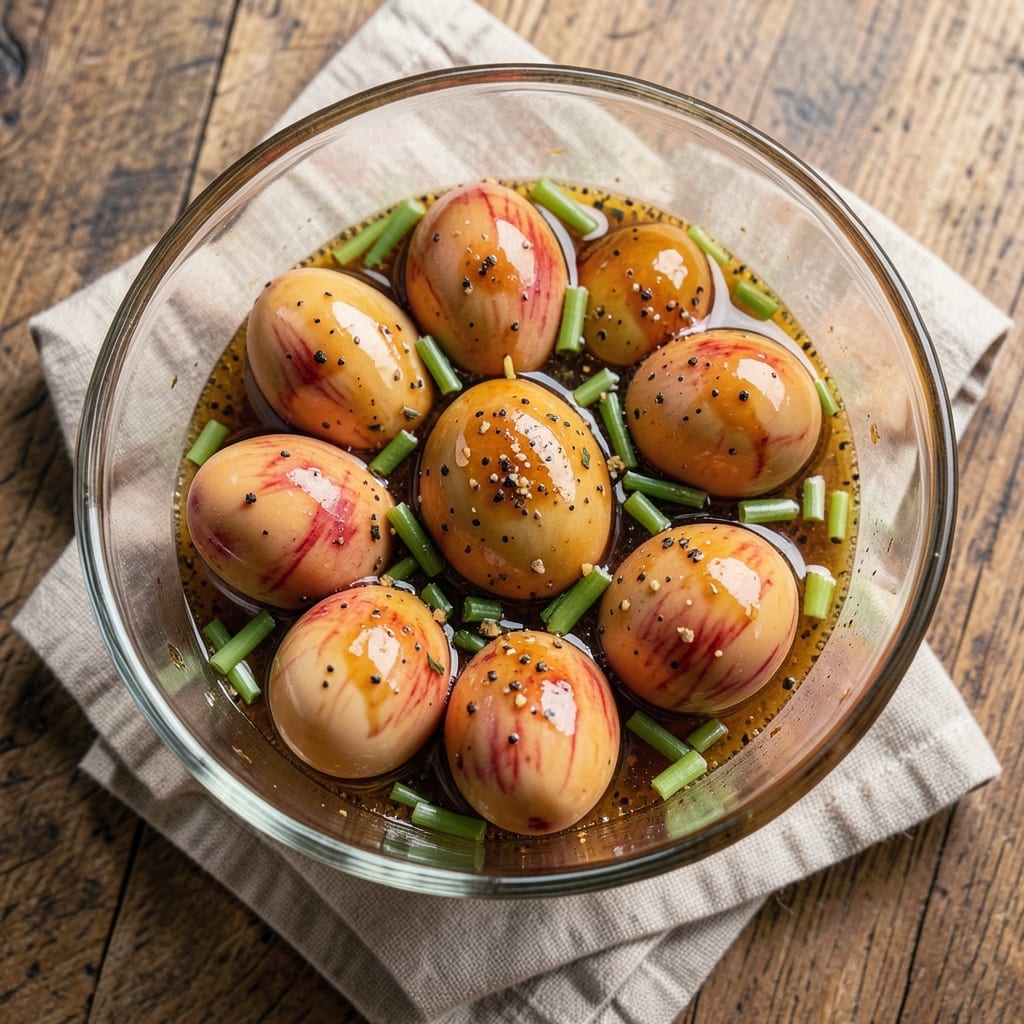
This boiled egg pickle recipe transforms simple hard-boiled eggs into a crunchy, tangy appetizer with perfectly silky yolk streaks—ideal for snacking or serving at gatherings. The secret lies in a well-balanced brine of vinegar, mustard, and spices that penetrates the egg’s surface, creating a satisfying contrast between the crispy exterior and creamy interior. I developed this recipe after realizing how quickly store-bought versions lose their texture, and this method guarantees freshness for days.
The process is straightforward but precise: boiling eggs to achieve a firm yet tender white, then carefully cooling them before submerging in a flavorful brine of apple cider vinegar, Dijon mustard, and a blend of celery seeds, garlic powder, and black pepper. This combination delivers a tangy, slightly spicy kick that pairs beautifully with the eggs’ natural richness. The celery seeds add a subtle herbal note, while the garlic powder enhances depth without overpowering.
What you’ll end up with is a dish that’s as visually appealing as it is delicious—crispy, crunchy celery sticks alongside eggs with vibrant yolk streaks that glide effortlessly through each bite. The texture is a game-changer, offering a satisfying crunch that contrasts perfectly with the smooth, buttery yolk. This recipe is not only vegetarian-friendly but also requires minimal prep time, making it a perfect addition to any meal or snack spread.
Once prepared, these pickled eggs stay fresh in the refrigerator for up to two weeks, allowing you to enjoy them over time without worrying about spoilage. Serve them chilled as a standalone snack, pair them with crackers or fresh bread, or use them as a protein-packed addition to salads and sandwiches. The versatility of this dish ensures it fits seamlessly into any menu, from casual gatherings to elegant appetizer spreads.
Ingredients for boiled egg pickle
Twelve eggs, one tangy brine, and crisp celery for a snack that’s always a crowd-pleaser.
| Ingredient | Amount | Notes |
|---|---|---|
| Large Eggs 🥚 | 12 whole | Freshly boiled, cooled completely |
| Apple Cider Vinegar 🍎 | 2 cups | Raw, unfiltered preferred |
| Dijon Mustard 🌶️ | ¼ cup | High-quality, no additives |
| Celery Seeds 🧅 | 1 tbsp | Freshly ground for best flavor |
| Garlic Powder 🧄 | 1 tsp | Non-GMO preferred |
| Ground Black Pepper 🌶️ | 1 tsp | Freshly cracked preferred |
| Kosher Salt 🧂 | 1 ½ tbsp | Diamond Crystal preferred |
| Granulated Sugar 🍚 | ½ cup | Organic preferred |
| Fresh Celery Stalks 🥬 | 2 whole | Cut into 1-inch pieces |
| Ice Cubes ❄️ | 1 cup | For rapid cooling |
The eggs are non-negotiable—farm-fresh makes all the difference. Peters Farm or local markets usually have the best quality, but grocery store eggs work too if they're large and fresh. Boil them exactly 9 minutes for that perfect firm-yet-tender white. The vinegar? Bragg or Mott's raw apple cider vinegar adds depth—skip the pasteurized stuff. Celery seeds lose potency fast, so buy them whole and grind them fresh in a spice grinder. Penzeys has great whole spices if you're not near a bulk bin.
No celery seeds? Celery salt at half the amount works in a pinch, but you'll miss that herbal brightness. Short on Dijon? Yellow mustard plus a pinch of turmeric mimics the color and mild heat. For extra crunch, add 1/4 cup sliced radishes to the brine. The sugar balances the acidity—don't skip it, even if you're watching carbs. The celery sticks? Organic celery from the produce section keeps best. Rinse and pat thoroughly dry before cutting to prevent soggy brine.
Eggs stay crispy for 2 weeks in the fridge—just keep them submerged in the brine. Transfer to airtight jars for easy snacking. The celery? Store separately in a sealed container for 5 days. For parties, make a double batch—they disappear fast. Pro tip: Add a bay leaf to the brine for extra depth if you're feeling fancy. Leftovers? Toss them into salads or deviled egg recipes for a flavor boost.
Why You'll Love This Recipe
- Five-Ingredient Magic: I swear by this recipe because it’s the kind of thing you can make with what’s already in your pantry. No fancy shopping—just eggs, vinegar, a spoonful of mustard, and a pinch of celery seeds. That’s it. Honestly, I’ve made it three times this month because it’s that reliable.
- Tangy Crunch Alert: The apple cider vinegar gives it this bright, almost vinegar-onion-ring tang, while the Dijon mustard adds depth. Celery seeds? They’re the secret—they make every bite taste like a little burst of spice and freshness. Between us, it’s the kind of flavor that lingers just enough to make you want seconds.
- Snack Attack Ready: I keep a jar of these in the fridge because they’re perfect for when I’m craving something savory but don’t want to cook. Toss them in a lunchbox, grab one as an after-work bite, or serve them at a picnic. They’re great hot or cold—no fuss, just flavor.
- Lasts All Week: This isn’t one of those recipes you’ll regret making. The pickling liquid keeps the eggs fresh for days, and the flavor actually gets better as it sits. I’ll be real: I’ve had jars last two weeks, and they’re still good. Plus, eggs are cheap, so it’s a win-win for my wallet.
Step-by-step instructions for crunchy celery egg pickles
Here's how to transform boiled eggs into tangy, crunchy bites with silky yolk centers.
Prepare the Boiled Eggs for Pickling
Start with the 12 whole large eggs you've already boiled and cooled completely. Using a small nail or egg pick, gently tap the round end of each egg to create a tiny hole. This prevents cracking during the pickling process. Place the eggs in a large bowl and cover them completely with the 1 cup of ice cubes. Let them sit for 15 minutes—this rapid cooling helps set the whites and keeps the yolks firm.
After cooling, peel the eggs carefully, reserving the shells if you plan to use them for another purpose. The eggs should be completely peeled but intact—no cracks or breaks. If you find any damaged eggs, set them aside for another use, as they won't pickle properly. Once peeled, place the eggs in a single layer in a non-reactive container large enough to hold them without touching.
Create the Pickling Spice Mixture
In a small bowl, combine the 1 tablespoon celery seeds, 1 teaspoon garlic powder, 1 teaspoon ground black pepper, 1.5 tablespoons kosher salt, and 0.5 cup granulated sugar. Mix thoroughly to distribute the spices evenly. This blend will infuse the eggs with bright, aromatic flavors that cut through the richness of the yolks.
Next, add the 0.25 cup Dijon mustard to the spice mixture and stir until completely incorporated. The mustard adds depth and a subtle tang that pairs perfectly with the vinegar. Sprinkle this mixture evenly over the eggs in the container, making sure each egg is coated with the spice blend. Tap the container gently to help the spices settle into any crevices.
Assemble the Pickling Liquid
In a separate container, combine the 2 cups apple cider vinegar with the spiced eggs. The vinegar should completely cover the eggs by about 1 inch—this ensures even pickling and prevents mold growth. Stir gently to dislodge any air bubbles trapped between the eggs and the liquid. If the eggs aren't fully submerged, you can add a bit of water to the vinegar to increase the volume.
Place the container in the refrigerator and let the eggs pickle for at least 24 hours, though they'll continue to develop flavor for up to 7 days. The longer they pickle, the more pronounced the tang and the firmer the texture of the whites will become. For the best balance of crunch and tenderness, I recommend removing them after 48 hours—this gives you that perfect bite without sacrificing the silky yolk.
Add Celery for Extra Crunch and Flavor
Before serving, cut the 2 whole fresh celery stalks into 1-inch pieces. This is where the magic happens—the celery adds a satisfying crunch that contrasts beautifully with the tender egg yolks. Gently fold the celery pieces into the pickling liquid with the eggs, ensuring they're distributed evenly. Let the eggs and celery sit together in the refrigerator for an additional 2-4 hours to allow the celery to absorb some of the pickling flavors.
When ready to serve, remove the eggs and celery from the liquid and pat them dry with a paper towel. The eggs should have a firm, slightly translucent white with a bright, tangy flavor. The yolks will remain creamy and rich, ready to streak silky ribbons through the crunchy celery. Serve immediately or store in an airtight container in the refrigerator for up to 1 week, though they're best enjoyed fresh.
Pro Tips For Making Boiled Egg Pickle
- USE COLD EGGS: Grab eggs straight from the fridge—room temp eggs crack like overripe fruit when boiling. I learned this the hard way after watching three dozen yolks spill into my pot. The cold shock keeps them intact, and the vinegar pickling works better with fresher, unstressed whites.
- STRAIN THE VINEGAR: Apple cider vinegar often has sediment that turns your pickle cloudy. Pour it through a fine-mesh strainer into the jar first—yes, even if it’s clear. That extra step keeps your final pickle looking crisp and professional, not murky.
- PEEL EGGS RIGHT AFTER BOILING: Shock them in ice water for 5 minutes, then roll gently under cold water to loosen shells. Peeling warm eggs is a mess; peeling just-cooled eggs is almost foolproof. I used to struggle with this until I realized timing matters more than force.
- TOAST THE CELERY SEEDS: Dry-toast the celery seeds in a small pan for 30 seconds before mixing—just until you smell their nutty aroma. This simple step makes the flavor pop instead of tasting like raw spice. (Yes, I know it’s extra work, but your taste buds will notice.)
Flavor customization for these flavors
Spicy Kick Variations
For those who love heat, add ½ teaspoon cayenne pepper or 1 teaspoon hot sauce (like Cholula) to the brine. I’ve found that Tabasco works best—just 1 teaspoon—because it adds tang without overpowering the eggs. For a smoky heat twist, swap ½ teaspoon smoked paprika for the regular black pepper. The eggs will develop a subtle charred flavor that pairs beautifully with the vinegar’s sharpness. 🌶️
Herbal Infusions
Swap out celery seeds for dill seeds or fennel seeds to give your pickles a bright, herbal note. I love using 1 tablespoon dill seeds for a classic dill pickle vibe, or 1 teaspoon dried tarragon for an elegant touch. For a Mediterranean twist, add ½ teaspoon dried oregano and ½ teaspoon red pepper flakes to the spice blend. These herbs infuse the eggs with complex aromatics that elevate the dish from snack to gourmet.
Sweet and Tangy Twist
Balance the acidity with extra sweetness by increasing the sugar to ¾ cup and adding 1 teaspoon vanilla extract to the brine. This creates a caramelized edge on the eggs while keeping the yolk silky. For a tropical twist, add ½ teaspoon grated ginger and ½ teaspoon ground coriander to the spice mix. The ginger adds a warm bite, while the coriander rounds out the flavors with citrusy brightness. 🍯
Umami Boost
For deeper savory notes, stir in 1 tablespoon soy sauce or 1 teaspoon fish sauce (use vegetable-based fish sauce for vegetarian versions) into the brine. I’ve also had great results with 1 teaspoon miso paste dissolved in the vinegar before adding the eggs. These additions create a rich, layered flavor that makes the pickles taste like a gourmet appetizer. Pair with a sprinkle of toasted sesame seeds for extra texture.
Citrus Zest
Brighten the brine with 1 tablespoon freshly grated lemon or lime zest and 1 tablespoon juice from the same citrus. The zest adds a fragrant pop of acidity that cuts through the richness of the eggs. For a more complex profile, add ½ teaspoon ground turmeric to the spice mix—it mimics the color of mustard while adding earthy warmth. The citrus zest also helps preserve the eggs’ vibrant color for longer. 🍋
Nutrition facts
Frequently asked questions
Why do the eggs need to be cooled with ice before pickling?
Rapid cooling with ice sets the egg whites firmly while keeping yolks intact, preventing cracks during pickling. This 15-minute ice bath also helps the eggs absorb the brine more evenly for consistent texture. Skipping this step risks uneven pickling or rubbery whites.
Can I use white vinegar instead of apple cider vinegar?
Yes, but expect a slightly sharper, less complex flavor. Apple cider vinegar adds subtle sweetness and depth that white vinegar lacks. For a budget-friendly version, use 1 cup white vinegar + 1 teaspoon honey to mimic the balance. The mustard and spices will still shine through!
How do I fix eggs that cracked during pickling?
If yolks leak, remove cracked eggs immediately and discard. For minor cracks, pat dry and place in a separate jar with fresh brine (same ratio). The texture won't be perfect, but they're still safe to eat. Always use fresh, room-temperature eggs to minimize cracking during boiling.
Can I make these pickles without celery?
Swap celery for radish slices (for peppery bite) or thinly sliced cucumber (for extra crunch). For a no-veggie version, add ½ cup toasted almonds or sunflower seeds to the jar before serving. The celery's herbal note is key, but these alternatives work well.
How long can I store the pickled eggs?
In the fridge, they stay fresh for 2 weeks when fully submerged in brine. For longer storage, transfer to an airtight jar with fresh vinegar (cover eggs by 1 inch). The celery should be stored separately for 5 days max—add it fresh before serving to maintain crispness.