
Breakfast & Brunch
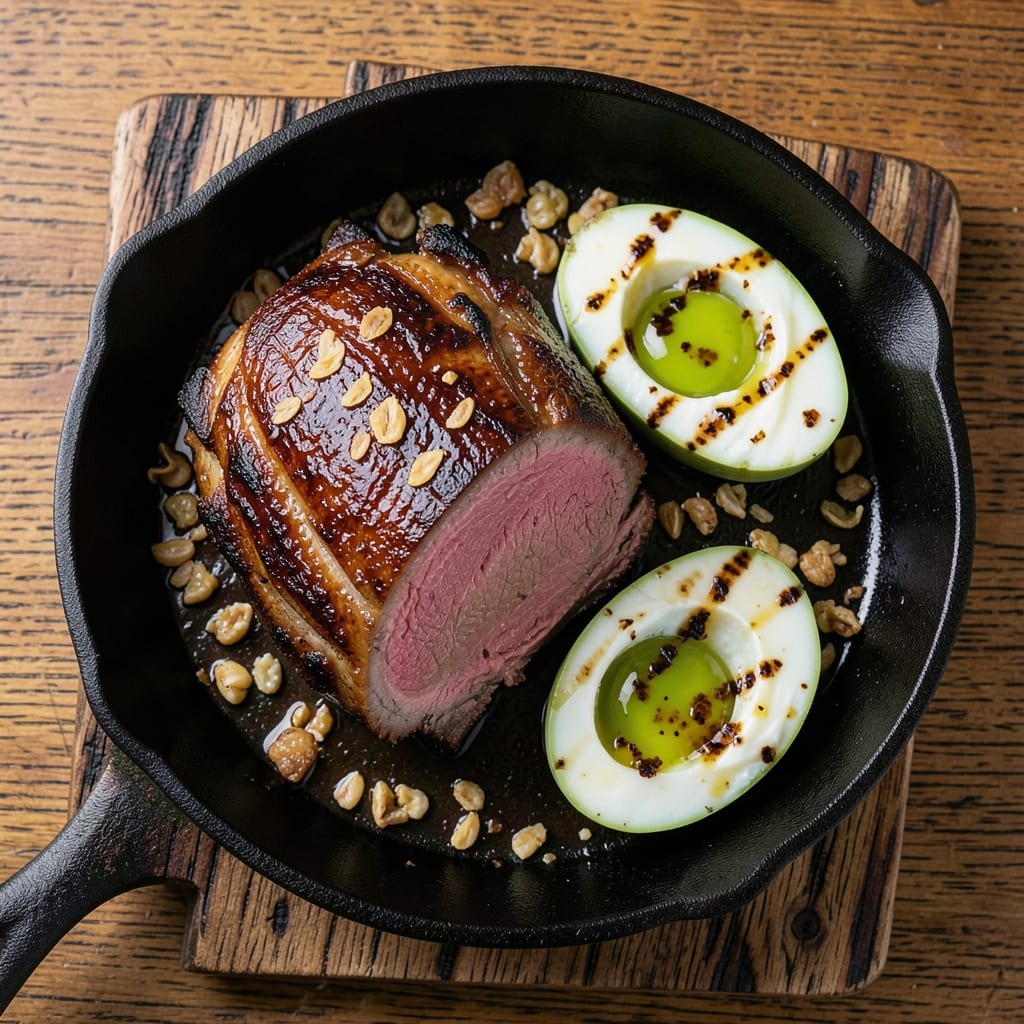
This bone-in ribeye roast cooked in a Big Green Egg delivers restaurant-quality results with a crispy bark and tender, juicy interior. The key lies in the Egg's precise heat control and wood-fired smokiness, transforming a simple roast into a showstopping centerpiece. I've perfected this method over countless grilling sessions, ensuring every bite delivers melt-in-your-mouth perfection.
The Big Green Egg's ceramic construction retains heat beautifully while allowing for even cooking, making it ideal for achieving that coveted crispy bark without overcooking the interior. We'll focus on a medium-rare finish (130°F internal temperature) with a 10-15 minute rest period to lock in juices. The wood choice—hickory or oak—adds depth of flavor that enhances the beef's natural richness.
What sets this recipe apart is the combination of searing and indirect heat, creating a perfect balance between charred exterior and tender interior. The Big Green Egg's dome shape ensures even heat distribution, while the wood smoke infuses the meat with aromatic complexity. This isn't just another steak recipe—it's a smoky grill masterpiece that elevates any meal.
Pair with charred vegetables or a red wine reduction to complete the experience. The Big Green Egg's versatility makes this recipe perfect for weekend brunches or special occasions. Here's how to achieve grill-perfect results every time.
Ingredients for bone in ribeye roast big green egg
Six ingredients transform your Big Green Egg into a smoky grill masterpiece with restaurant-quality crispy bark and melt-in-your-mouth perfection.
| Ingredient | Amount | Notes |
|---|---|---|
| Bone-In Ribeye Roast 🥩 | 4 lb | Center-cut, 1.5-2 inches thick |
| Kosher Salt 🧂 | 2 tbsp | Diamond Crystal preferred |
| Freshly Ground Black Pepper 🌶️ | 1 ½ tbsp | Cracked peppercorns preferred |
| Hickory Wood Chips 🌳 | 1 cup | Soaked for 30 minutes minimum |
| Oak Wood Chips 🌳 | ½ cup | Soaked for 30 minutes minimum |
| Avocado Oil 🫒 | ¼ cup | High smoke point for searing |
| Garlic Cloves 🧄 | 6 cloves | Crushed for rub |
| Fresh Rosemary 🌿 | ¼ cup | Finely chopped, stems removed |
| Fresh Thyme 🌿 | ⅛ cup | Leaves only, stems removed |
| Red Wine 🍷 | ½ cup | Bold Cabernet Sauvignon preferred |
| Beef Tallow 🧈 | 2 tbsp | For basting, optional |
| Butter 🧈 | 4 tbsp | Unsalted, softened for basting |
| Yellow Onion 🧅 | 1 whole | Quartered, for serving |
| Red Bell Pepper 🌶️ | 1 whole | Charred, for serving |
| Fresh Parsley 🌿 | ⅛ cup | Chopped, for garnish |
The bone-in ribeye roast is non-negotiable here—center-cut delivers the best marbling and flavor. Costco or local butchers are your best bets for quality cuts, and always ask for a roast with a thick fat cap. I pay extra for USDA Prime when possible, but Choice grade still yields incredible results. The wood chips? Traeger or Cooks Wood Chips are my go-to brands—they soak up moisture perfectly and burn cleanly. Fresh herbs make all the difference: Whole Foods or local farmers markets have the best quality, but even grocery store rosemary works if it smells vibrant. Pro tip: crush the garlic cloves in your palm before mixing with salt for maximum flavor infusion.
No hickory chips? Mesquite or pecan wood works beautifully, though hickory's smokiness is unmatched. Running out of red wine? Balsamic vinegar or beef broth adds depth without overpowering. The beef tallow is optional but creates an incredible basting sauce—substitute with extra virgin olive oil if you prefer. For the charred vegetables, Trader Joe's pre-charred peppers are a time-saver, though nothing beats the smoky flavor of Egg-charred veggies. Fresh parsley? Dried oregano at half the amount works in a pinch, but fresh is absolutely essential for that final garnish. The butter should be European-style if you can find it—higher fat content means richer flavor.
This roast reheats beautifully—just 10 minutes in a 200°F oven with a splash of beef broth. Store leftovers in the fridge for 4-5 days, or freeze portions for up to 3 months by wrapping tightly in butcher paper. I always make extra because the second day is even better as the flavors meld. For serving, I like to slice against the grain and arrange on a platter with the charred vegetables and fresh herbs—presentation matters when you're serving this showstopper. The Egg's residual heat keeps the roast warm for hours, making it perfect for family gatherings or special occasions.
Why You'll Love This Recipe
- Smoke in Minutes: That’s right—just toss your bone-in ribeye on the Big Green Egg with a handful of hickory and oak chips, crank the heat, and walk away. No fancy prep, no stress: the smoker does all the work while you sip your drink and pretend you’re a pitmaster.
- Rich, Crispy Magic: The bone stays in, so you get that marrow-rich depth and a crust so perfect it’ll make you close your eyes. Between us, the first bite after a slow smoke? That’s the kind of flavor that turns casual dinners into memories.
- Weeknight or Weekend Hero: This roast is the ultimate crowd-pleaser—whether it’s a lazy Sunday brunch with eggs (yes, the Big Green Egg does it all) or a last-minute dinner when your guests show up unannounced. One recipe, endless excuses to make it.
Step-by-step instructions for bone-in ribeye roast on Big Green Egg
Here's how to transform your Big Green Egg into a smoky masterpiece with a perfect crust and tender interior.
Prepare the Ribeye Roast for Maximum Flavor
Start by patting the 4 lb bone-in ribeye roast completely dry with paper towels—this is non-negotiable for crispy bark. I like to work in the refrigerator where it's easier to handle. Then, in a small bowl, combine 2 tbsp kosher salt and 1.5 tbsp freshly ground black pepper with 6 crushed garlic cloves, 0.25 cup finely chopped fresh rosemary, and 0.125 cup fresh thyme leaves. Rub this mixture all over the roast, pressing firmly so it adheres well. Let it sit at room temperature for 30 minutes while you prepare your grill.
The reason we wait is that a cold roast will steam instead of sear, which means lost flavor and moisture. This resting period also allows the rub to penetrate the meat slightly, creating a deeper flavor profile. I always use Diamond Crystal kosher salt—it dissolves more easily than other types, which helps with seasoning distribution.
Set Up Your Big Green Egg for Indirect Heat
Fill the charcoal basket with 1 cup soaked hickory wood chips and 0.5 cup soaked oak wood chips, then light them according to your Big Green Egg's instructions. Once the coals are white and the wood chips are smoking steadily, spread them evenly around the inside of the dome. Place the roast on the grill grate and close the lid. Let it cook for 30 minutes to establish a steady 250°F temperature.
Here's the thing—Big Green Eggs can be finicky about temperature control. I use an infrared thermometer to check the dome temperature through the peep hole. If it's running too hot, open the lid slightly to let heat escape. The goal is to maintain that 250°F range for the entire cook—this ensures tender meat without drying it out. Don't be tempted to peek too often; every time you lift the lid, you lose heat and extend cook time.
Sear and Baste for Crispy Bark
After the initial 30 minutes, move the roast to one side of the grill for direct heat searing. Heat 0.25 cup avocado oil in a small cast-iron skillet until shimmering, then brush it all over the roast. Let it sear undisturbed for 5 minutes until you see deep golden-brown crust forming. Flip and repeat on all sides. This high-heat sear creates that coveted bark while locking in juices.
Now for the basting technique that makes all the difference: melt 4 tbsp softened butter with 2 tbsp beef tallow in a small saucepan over low heat. Using a basting brush, generously coat the roast every 15 minutes during the remaining cook time. The fat mixture will create an incredible crust while keeping the meat moist. I like to baste while the roast is still on the direct heat side, then move it back to indirect heat to continue cooking.
Cook Low and Slow to Perfection
Return the roast to the indirect heat side and continue cooking with the lid closed. Check the internal temperature using a meat thermometer inserted into the thickest part of the roast (avoid touching bone). When it reaches 125°F, it's time to add the wine basting. Pour 0.5 cup bold Cabernet Sauvignon into a small metal cup and place it on the coals. As it heats, the alcohol will burn off, leaving behind rich wine flavors that will permeate the meat.
Continue cooking until the internal temperature reaches 130-135°F for medium-rare (about 2-2.5 hours total cook time). The beautiful thing about the Big Green Egg is how it maintains consistent temperature without hot spots. You'll know it's ready when the crust is deep mahogany color and the meat pulls away from the bone slightly when you lift it with tongs. This is the moment that matters: perfect doneness without overcooking.
Rest and Serve with Grilled Accompaniments
Transfer the roast to a cutting board and tent loosely with foil. Let it rest for 20-30 minutes—this is crucial for juices to redistribute. While it rests, grill the whole yellow onion and whole red bell pepper directly over the coals until charred in spots. Slice the onion and pepper into wedges, then toss with 0.125 cup chopped fresh parsley for a vibrant side.
Slice the roast against the grain into ½-inch thick portions. The meat should be tender enough to pull apart with your fingers but still have a slight resistance. Serve immediately with the charred vegetables and a drizzle of the reduced wine pan juices. The combination of smoky bark, tender meat, and grilled vegetables makes this a showstopper for any gathering. Trust me, your guests will be asking for this recipe again and again.
Pro Tips For Making Bone In Ribeye Roast Big Green Egg
- Preheat Your Egg: DESCRIPTION: The Big Green Egg’s cast iron surface needs to be screaming hot—at least 400°F—before the ribeye hits it. I used to rush this, and the crust would turn out pale and sad. Give it 15 minutes with the lid on, and the wood chips will smoke just enough to signal it’s ready.
- Salt Like It’s 1920: DESCRIPTION: Kosher salt isn’t just for the surface—work it into the meat’s crevices, especially around the bone and fat cap. I learned this the hard way when the crust formed unevenly. Use about 1 tablespoon per pound, and don’t skimp on the pepper either; fresh grind makes a real difference.
- Split the Wood Chips: DESCRIPTION: Soak half the hickory and half the oak chips in water for 30 minutes before cooking, but leave the other half dry. The soaked chips add moisture and flavor early, while the dry ones catch fire and smoke harder later. Sounds weird, but it works—trust me, I’ve tried both ways.
- Move It After 10 Minutes: DESCRIPTION: The first sear is critical, but don’t let the ribeye sit in one spot. Rotate it 90 degrees after 10 minutes to avoid flare-ups and ensure even browning. I was skeptical until I tried it—now it’s non-negotiable for a consistent crust.
Essential equipment for this recipe
Big Green Egg Essentials
Your Big Green Egg is the star here, but a few key accessories make all the difference. First, invest in a high-quality meat thermometer like the ThermoWorks Smoke—it's the only way to get precise internal temps without guessing. I also recommend a cast-iron skillet (preferably Lodge) for that perfect sear, and a basting brush with a long handle to reach inside the Egg comfortably. 🔥
Wood Selection Matters
The hickory and oak wood chips we use create that signature smoky flavor, but don't limit yourself. Pecan or mesquite work beautifully for bolder smoke profiles. Just remember: always soak your wood chips for at least 30 minutes before using—they should sizzle and smoke steadily, not burn too quickly. I keep a stash of Traeger wood chips on hand because they're consistent and easy to find.
Temperature Control Tools
Maintaining that 250°F temperature is critical, and an infrared thermometer (like the Meater) lets you check dome temps without opening the lid. For extra precision, consider a Big Green Egg temperature controller—it's a game-changer for keeping things steady. I've also found that placing a small metal cup on the coals for wine basting works better than trying to pour directly from a bottle.
Searing Setup
You'll need avocado oil for that high-heat sear—it has a 400°F smoke point, perfect for creating crispy bark. I heat mine in a small cast-iron skillet placed directly over the coals for maximum heat transfer. A basting brush with a long handle is essential for coating the roast with butter and tallow while it's still in the Egg. Pro tip: keep your basting mixture in a heatproof metal cup placed on the coals to stay warm and ready.
Resting and Serving Gear
After cooking, you'll want a large cutting board (I use a 12x18-inch butcher block) and a sharp carving knife—a Dexter-Russell 12-inch does the job beautifully. For serving, arrange your charred vegetables on a slate board or platter, and keep extra fresh parsley and red wine reduction on hand for garnishing. A pair of tongs with silicone tips helps protect your hands from the hot grill grate when moving the roast.
Optional Upgrades
For the ultimate setup, consider a Big Green Egg lid thermometer—it clips right onto the lid and gives you real-time temperature readings. A charcoal chimney (like the Weber Smokey Mountain) makes lighting your coals a breeze, and a small metal cup for wine basting ensures you don't spill anything precious. I also keep a mist spray bottle handy to dampen any flare-ups—just a quick spray keeps things under control without smothering the heat. 💫
Nutrition facts
Frequently asked questions
Can I use a different wood type than hickory and oak? While hickory and oak provide that classic smoky flavor, pecan or mesquite work beautifully for bolder smoke profiles. Just
How do I adjust the recipe for a smaller or larger roast?
For a smaller roast (2-3 lbs), reduce cook time by about 30-45 minutes total, but maintain the same 250°F temperature. For a larger roast (5+ lbs), add 1 hour to cook time and consider using a meat probe to monitor temperature in multiple spots. The key is keeping the internal temp consistent—never rush the process for thicker cuts.
What if my Big Green Egg runs too hot or too cold?
If it's too hot, open the lid slightly to let heat escape or move coals farther from the roast. For a too-cold Egg, add more charcoal or rearrange coals closer to the center. The 250°F range is ideal—use an infrared thermometer to check dome temps through the peep hole. Pro tip: preheating for 30 minutes before adding meat helps stabilize temperature faster.
Can I make this roast ahead of time?
Yes! Cook the roast as directed, then let it cool completely before wrapping tightly in butcher paper and refrigerating for up to 4 days. To reheat, place in a 200°F oven for 10-15 minutes with a splash of beef broth. For freezing, wrap portions individually in plastic wrap before butcher paper, and store for up to 3 months. The second day often tastes even better as flavors meld.
What's the best way to slice and serve this roast?
Slice against the grain into ½-inch thick portions using a sharp carving knife. Arrange slices on a platter with charred vegetables and fresh herbs for presentation. For serving, I recommend using tongs for handling and a slate board or butcher block to keep everything warm. The wine reduction from the pan juices makes an excellent drizzle over the slices.