
Breakfast & Brunch
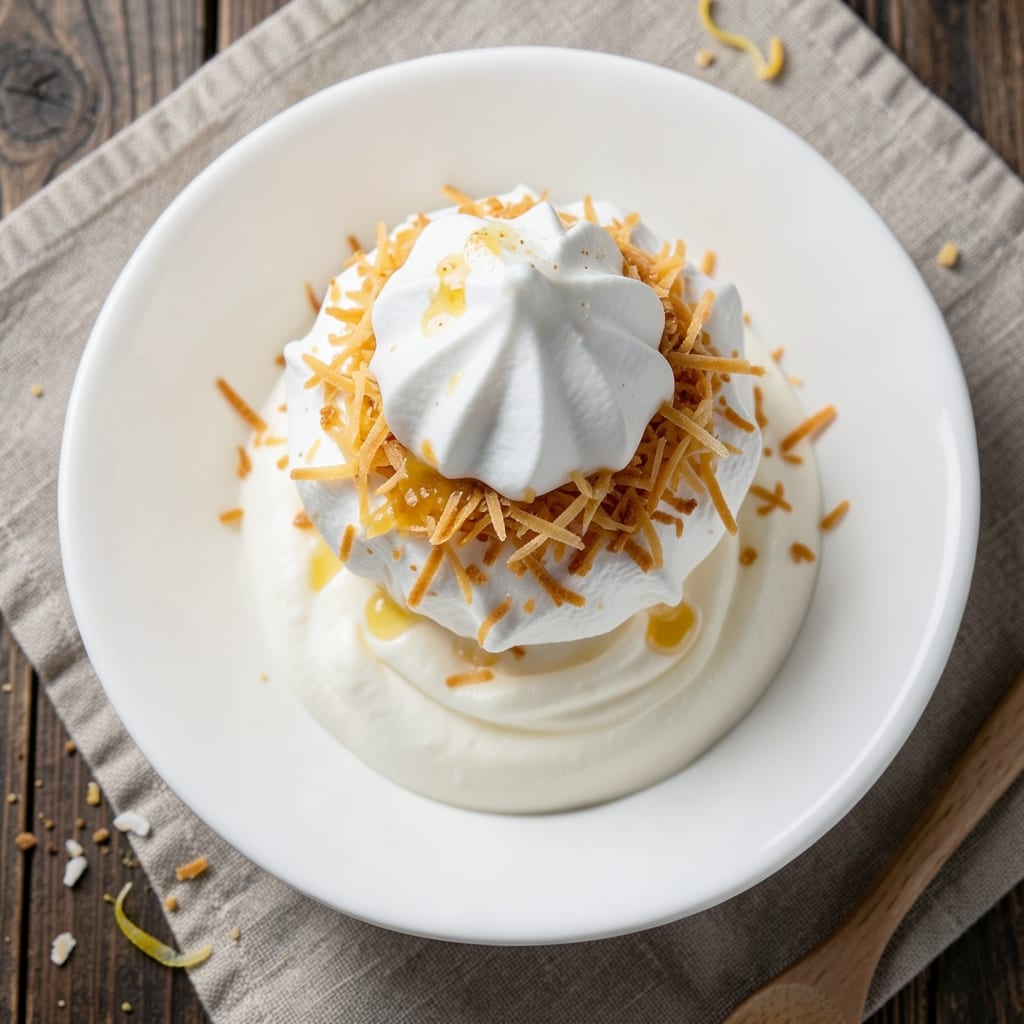
This Brazilian Easter egg recipe brings the vibrant flavors of Páscoa to your table with a perfect balance of creamy coconut-caramel filling and rich chocolate coating. The traditional ovos de Páscoa are a beloved Easter treat in Brazil, where families gather to celebrate with these festive, bite-sized delights. What makes this recipe special is the velvety custard center wrapped in a glossy chocolate shell, creating a textural contrast that's impossible to resist.
The process begins with a smooth coconut-caramel filling that's rich yet light, infused with subtle vanilla notes. This filling is carefully piped into egg molds, then dipped in melted chocolate for a professional finish. The key to success lies in precise timing—ensuring the custard sets just enough to hold its shape while remaining creamy inside. Once set, the eggs are rolled in crushed nuts or sprinkles for added crunch and visual appeal, making them as beautiful as they are delicious.
What you'll achieve is a batch of ovos de Páscoa that capture the essence of Brazilian Easter celebrations—sweet, indulgent, and perfect for sharing. These eggs are ideal for gifting, holiday gatherings, or treating yourself to a taste of tradition. The recipe yields about a dozen eggs, so you'll have plenty to enjoy or share with loved ones during the festive season.
Serve these eggs at room temperature for the best texture, and pair them with a cup of Brazilian coffee or a glass of sweet caipirinha for an authentic experience. The combination of the warm custard, sweet coconut, and rich chocolate creates a flavor profile that's both nostalgic and irresistibly modern. Let's create these festive treats together!
Ingredients for brazilian easter egg
Twelve ingredients for twelve festive eggs bursting with coconut-caramel magic and rich chocolate love.
| Ingredient | Amount | Notes |
|---|---|---|
| Large Egg Whites 🥚 | 1 ½ cups | Room temperature for best results |
| Granulated Sugar 🍚 | 1 ½ cups | Superfine preferred for smooth texture |
| Unsweetened Shredded Coconut 🥥 | 1 cup | Fresh or dried, unsweetened |
| Heavy Cream 🥛 | 1 cup | Full-fat for rich texture |
| Vanilla Extract 🌿 | 1 tbsp | Pure Madagascar or bourbon |
| Salted Butter 🧈 | ½ cup | Melted, unsalted preferred |
| Dark Chocolate Chips 🍫 | 1 ½ cups | 70% cocoa or higher |
| Coconut Oil 🫒 | ¼ cup | Melted for chocolate coating |
| Easter Egg Molds 🥚 | 1 package | Silicone, 12-count preferred |
| Crushed Pecans 🥜 | ½ cup | Or almonds for garnish |
| Powdered Sugar 🍚 | ¼ cup | For dusting finished eggs |
| Lemon Juice 🍋 | 1 tbsp | Freshly squeezed |
The coconut is your secret weapon here—unsweetened, shredded is a must. Trader Joe's has the best bulk bins, but any store's baking aisle will work. If using dried coconut, toast it first in a dry pan for 3-4 minutes to deepen the flavor. The dark chocolate needs to be 70% cocoa or higher for that authentic Brazilian bitterness—Ghirardelli or Lindt are my go-tos. For the egg whites, make sure they're completely room temperature or your meringue won't whip properly. Pro tip: Crack them into a separate bowl first to avoid shell bits in your delicate custard.
No vanilla extract? Vanilla bean paste works too—just use half the amount. Running out of coconut oil? Butter works in a pinch, but it adds a different texture. The powdered sugar isn't just for dusting—it helps stabilize the meringue when we mix it with the custard later. For the chocolate coating, if you can't find 70% cocoa chips, mix 60% with 10% extra cocoa powder. The pecans can be swapped for almonds or even crushed cookies if you're feeling festive. And if you're making these ahead? Store the unmolded eggs in the fridge for up to 3 days—they'll keep their shape better than you'd expect.
Once set, these eggs keep beautifully—3 days in the fridge if stored properly. Wrap each one individually in parchment paper to prevent sticking. For gifting, place them in a decorative box with a little tissue paper between layers. The chocolate coating softens at room temperature, so serve them within 2 hours of dipping for that perfect snap. Freezing isn't recommended—the chocolate gets grainy. If you're making these for Easter morning, prep the filling the night before and do the chocolate dipping fresh. Trust me, the warm custard against cool chocolate is worth the effort.
Why You'll Love This Recipe
- No Whisk Required: I swear by this trick—just fold the egg whites with sugar until stiff peaks form, then gently mix in the coconut. No overmixing, no stress, and the meringue holds its shape like magic. (Yes, even if you’re not a baking pro.)
- Coconut Vanilla Hug: That shredded coconut isn’t just decoration—it’s the star. Toasted lightly in the oven, it turns caramel-y and crunchy, while the vanilla in the cream filling makes every bite taste like a tropical vacation. Honestly, I’ve never met a coconut lover who didn’t devour these.
- Easter Every Day: These aren’t just for holidays. Stash them in the fridge for a sweet afternoon pick-me-up, pack a few in lunches (they hold up surprisingly well), or use them to top yogurt or ice cream. My kids call them “candy,” but I call them “stealth nutrition.”
- Pantry Goldmine: You’re already using staples—sugar, coconut, vanilla—and the egg whites? Often the last bit in the carton. No specialty ingredients, no wasted money. Plus, the recipe scales down for one or up for a crowd without breaking the bank. (Leftovers? They disappear faster than I can say “second helping.”)
Step-by-step instructions for festive coconut-caramel filled delight
Transform simple ingredients into showstopping Brazilian-inspired treats with this foolproof method.
Whip Egg Whites to Stiff Peaks
In a clean, grease-free bowl, beat the 1.5 cups large egg whites with an electric mixer on medium speed until soft peaks form. Gradually add the 1.5 cups granulated sugar, 1 tablespoon at a time, increasing speed to high. Whip for 5-7 minutes until glossy, stiff peaks form that hold their shape when the whisk is lifted.
Here's the thing—room temperature egg whites whip up faster and hold volume better. If yours are cold, let them sit in warm water for 5 minutes before starting. You'll know you're there when you can flip the bowl upside down and nothing falls out. This meringue forms the crisp shell of your eggs.
Create the Coconut-Caramel Filling
In a separate bowl, combine the 1 cup unsweetened shredded coconut, 1 cup heavy cream, 1 tablespoon vanilla extract, and 1 tablespoon lemon juice. Microwave in 30-second intervals, stirring between each, until the coconut is fully softened and the mixture reaches 160°F—it should be thick but pourable. Let cool for 5 minutes while you prepare the chocolate coating.
Don't skip the lemon juice—it brightens the coconut flavor and prevents the filling from becoming too sweet. The texture should be like thick pudding when cool. If it's too runny, chill for another 10 minutes before proceeding. This filling will be the luscious heart of your Easter eggs.
Prepare the Chocolate Shell Mixture
Melt the 0.5 cup salted butter and 0.25 cup coconut oil together in a microwave-safe bowl in 20-second bursts, stirring between each, until completely smooth. Remove from heat and stir in the 1.5 cups dark chocolate chips until fully melted and glossy. Let cool slightly for 2 minutes—it should be thick enough to coat a spoon but still pourable.
The chocolate should coat the back of a spoon smoothly but not be so runny that it drips. If it's too thick, warm for 10 seconds to loosen. This chocolate will form the outer shell that gives your eggs their rich, festive appearance. Work quickly—chocolate thickens as it cools.
Assemble the Eggs in Molds
Using a piping bag fitted with a small round tip (or a plastic bag with a tiny corner snipped off), pipe 1 tablespoon of the chocolate mixture into each cavity of the Easter egg molds, filling them ¾ full. Tap the molds gently on the counter to remove air bubbles, then place in the freezer for 10 minutes to set.
While the chocolate sets, fill a piping bag with the coconut-caramel mixture. Once the chocolate shells are firm, pipe 1 tablespoon of filling into each shell, leaving ¼ inch space at the top. This ensures the eggs hold their shape during unmolding. The contrast between the crisp chocolate and creamy filling is what makes these irresistible.
Finish and Decorate
Return the molds to the freezer for 5 more minutes to firm up the filling. Remove the eggs from molds by gently flexing the silicone (don't force it—they should pop out easily). Roll each egg in the 0.5 cup crushed pecans, pressing gently to adhere. Finally, dust lightly with 0.25 cup powdered sugar using a fine-mesh sieve for a snowy finish.
Let the decorated eggs set on parchment paper for 15 minutes before serving. The pecans add a delightful crunch that contrasts perfectly with the creamy coconut filling. These eggs keep well in the fridge for 3 days, making them perfect for gifting or sharing during Easter celebrations.
Pro Tips For Making Brazilian Easter Egg
- Whip Whites to Stiff Peaks: Don’t just almost stiff peaks—beat those egg whites until they hold a sharp point when you lift the whisk. I learned this the hard way when my first batch collapsed into a sad, flat meringue. Use a clean, grease-free bowl (even a hint of fat kills volume) and go for 2-3 minutes past what feels like enough.
- Toast the Coconut: Spread that shredded coconut on a baking sheet and dry-toast it at 350°F (175°C) for 5-7 minutes until golden and fragrant. Skipping this step leaves it bland and clumpy—like eating wet cardboard. Stir it halfway to avoid burning spots.
- Fold in Cream Gently: Heavy cream is finicky—add it in three additions, folding just until combined after each. Dump it all in at once and you’ll deflate the meringue faster than a sad balloon. Use a spatula to cut through the center and scoop from the bottom for cleaner folds.
- Chill Before Shaping: Pop your filled meringues in the fridge for 15 minutes before piping them into egg shapes. The cold stiffens the meringue just enough to hold its form, so they don’t ooze sugar everywhere like a messy toddler. Trust me, your kitchen floor will thank you.
Common mistakes when making perfect results
Overwhipped Meringue
One of the most common mistakes is overwhipping the egg whites, which can turn your meringue grainy or even collapse entirely. I’ve seen this happen when people whip past the stiff peaks stage—keep an eye on the texture. Stop when the meringue holds its shape when you lift the whisk, and it looks glossy, not dry or crumbly. If it starts to look like shaving cream, you’ve gone too far. 🥚
Uneven Chocolate Coating
The chocolate shell can become lumpy or uneven if it’s too thick or too thin when applied. I recommend testing the consistency by dipping a spoon in—the chocolate should coat smoothly but not drip. If it’s too thick, warm it gently for 10 seconds to loosen. If it’s too thin, chill it for 2 minutes to thicken slightly. Uneven coatings can also happen if you don’t tap the molds to remove air bubbles before freezing.
Filling Too Runny or Too Firm
Getting the coconut-caramel filling just right is tricky. If it’s too runny, the eggs won’t hold their shape when unmolded, and the filling might leak out. If it’s too firm, the texture will be dry and crumbly. The ideal consistency is like thick pudding—cool it for 5-10 minutes after microwaving to achieve this. Don’t skip the lemon juice; it helps balance the sweetness and stabilize the texture.
Skipping the Freeze Step
Rushing the freezing step is a big mistake. The chocolate and filling need time to set properly in the molds—10 minutes is non-negotiable. If you unmold too soon, the eggs might collapse or the filling could ooze out. Patience here ensures clean, professional-looking eggs. I’ve learned this the hard way—trust the process!
Forcing the Eggs Out of Molds
Flexing the silicone molds gently is the key to removing the eggs without breaking them. Never pry or twist—this can cause the chocolate shells to crack or the filling to spill. If an egg sticks, place the mold in the freezer for another 2-3 minutes to firm it up. The molds should release the eggs easily if everything is set correctly.
Storing Improperly
These eggs are best stored in an airtight container in the fridge for up to 3 days. If you leave them at room temperature too long, the chocolate coating will soften and the filling may sweat. For gifting, wrap each egg individually in parchment paper to prevent sticking. Freezing isn’t recommended—the chocolate can become grainy and lose its shine. 💫
Nutrition facts
Frequently asked questions about Brazilian Easter eggs
What makes these Brazilian Easter eggs different from regular chocolate eggs?
These ovos de Páscoa stand out with their creamy coconut-caramel filling and rich dark chocolate coating—unlike store-bought eggs that often have hard candy centers. The Brazilian version focuses on smooth textures and tropical flavors like vanilla and coconut, plus the festive presentation with crushed nuts and powdered sugar. It's all about that perfect balance of crunch, creaminess, and chocolate!
Can I make these eggs without coconut?
Swap the coconut for 1 cup crushed graham crackers or finely chopped dates to keep the filling rich. For a nutty version, use 1 cup toasted almonds or hazelnuts blended into a fine meal. Just adjust the liquid (cream) to maintain the same thick pudding consistency. The flavor profile changes completely but still delivers that luscious texture.
How do I know when the coconut-caramel filling is ready?
Your filling should reach 160°F and have the consistency of thick pudding when cool. Test it by spooning some onto a plate—if it holds its shape but still feels creamy (not firm), it's perfect. If it's too runny, chill for 5-10 minutes longer. The filling should be pourable but not liquid when hot, and set slightly when cold.
What's the best way to store these for Easter morning?
Store the finished eggs in an airtight container in the fridge for up to 3 days. Wrap each one individually in parchment paper to prevent sticking. For serving, let them sit at room temperature for 15-20 minutes so the chocolate coating firms up nicely. Avoid freezing—the chocolate can become grainy and lose its shine.
Can I make these without egg molds?
Yes! Use silicone egg-shaped molds or even plastic Easter egg halves (fill them with chocolate, freeze, then add filling). For a no-mold approach, shape the chocolate mixture into balls, freeze for 10 minutes, then flatten slightly before adding filling. The key is to keep the chocolate firm enough to hold the filling without melting. These work great for quick gifts too!