
Breakfast & Brunch
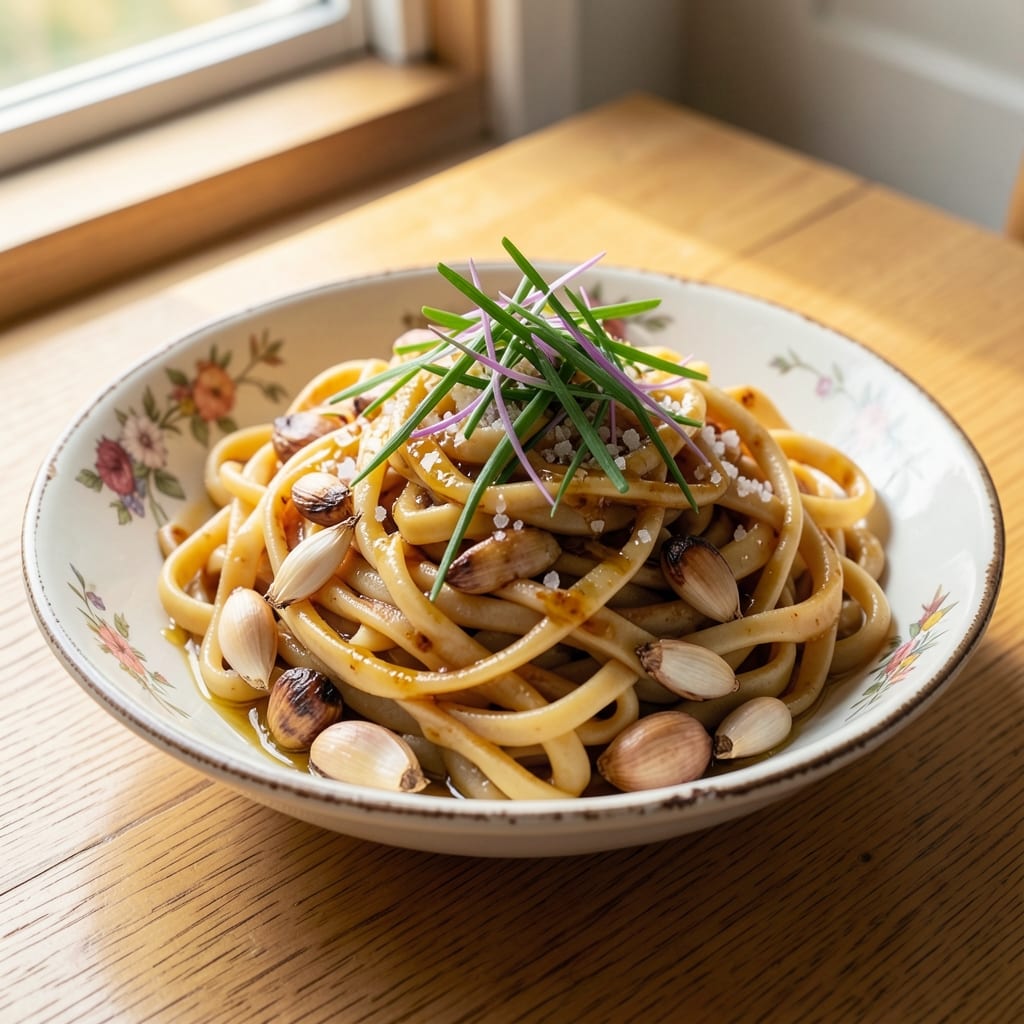
This broad egg noodles recipe brings the soul of Chinese home cooking to your table, where hand-stretched dough transforms into delicate, silky strands perfect for soups or stir-fries. 💛 The secret lies in the dough's elasticity—wheat flour and eggs create a smooth, stretchy texture that absorbs flavors beautifully. Unlike store-bought versions, homemade broad noodles have a subtle richness and chew that elevate any dish.
Traditionally, broad egg noodles are made by hand-stretching the dough into thin sheets before cutting into long, wide strands. This method ensures a uniform texture that's tender yet sturdy enough to hold up in hot broths or quick stir-fries. The dough's high egg content gives it a natural golden hue and a delicate, almost custard-like quality when cooked properly.
Once cooked, these noodles transform into a canvas for bold flavors—whether tossed with a savory pork stir-fry, simmered in a rich zha jiang mian broth, or served chilled with a tangy dipping sauce. The key to success is achieving the perfect al dente texture: slightly firm to the bite, with a silky finish that melts in your mouth. This recipe delivers that restaurant-quality result at home.
For those short on time, store-bought broad noodles work in a pinch, though they lack the homemade depth. Pair your noodles with classic Chinese proteins like braised pork, crispy tofu, or fresh vegetables for a meal that feels both comforting and sophisticated. Let's get started on creating your own silky strands of tradition.
Ingredients for broad egg noodles
Wheat flour, eggs, and salt create the foundation for these restaurant-quality broad egg noodles.
| Ingredient | Amount | Notes |
|---|---|---|
| All-Purpose Flour 🌾 | 2 ½ cups | High-protein preferred for chewiness |
| Large Eggs 🥚 | 4 whole | Room temperature for even mixing |
| Water 💧 | 1 cup | Room temperature preferred |
| Salt 🧂 | ½ tsp | Fine sea salt preferred |
| Vegetable Oil 🫒 | 1 tbsp | For dough rolling surface |
| Garlic Cloves 🧄 | 2 cloves | Minced for seasoning |
| Ginger Root 🌿 | 1 tbsp | Freshly grated, no zest |
| Soy Sauce 🍶 | 1 tbsp | Light or regular preferred |
| Sesame Oil 🫒 | 1 tsp | Toasted for aroma |
| Green Onions 🧅 | 2 whole | Thinly sliced for garnish |
| Cornstarch 🌾 | 1 tbsp | For dusting cut noodles |
| Vegetable Oil 🫒 | 2 tbsp | For frying noodles |
The flour is non-negotiable here—King Arthur or Gold Medal high-protein flour gives that perfect chew. Eggs should be room temperature for even mixing, and don't skimp on the 4 large eggs—they're what give these noodles their signature silkiness. For the ginger and garlic, fresh is best, but if you're using powdered, double the amount. The soy sauce adds depth, so grab a good quality bottle—Lee Kum Kee is my go-to for authentic flavor.
No sesame oil? Toasted peanut oil works in a pinch, though the flavor will differ slightly. Short on cornstarch? A light dusting of all-purpose flour works too. The dough should be smooth but slightly tacky—if it's too dry, add 1 tsp water at a time. For the green onions, use the white and green parts together for maximum flavor. And if you're feeling fancy, add a pinch of white pepper to the dough for that restaurant-quality touch.
Freshly made noodles keep for 2 days in the fridge, wrapped tightly in plastic. For longer storage, freeze them uncooked on a floured tray before bagging—they'll keep for 3 months. Cooked noodles reheat beautifully in hot broth or a splash of water. I always make extra—frozen noodles are perfect for quick weeknight stir-fries or soups.
Why You'll Love This Recipe
- No Fuss, No Fail: I’ve made these noodles a dozen times—flour, eggs, water, salt—just mix, roll, cut. No fancy equipment, no overthinking. The dough comes together faster than takeout, and the oil keeps them from sticking like glue.
- Rich, Chewy Magic: That egg-to-flour ratio? It’s what makes them irresistible. The outside stays just firm enough to hold sauce, while the inside stays tender—like a hug for your taste buds. (Honestly, I’ve been known to eat them plain with butter.)
- Your Meal Prep MVP: Make a big batch on Sunday, freeze half, and thank me later. They reheat beautifully—whether tossed with stir-fry, simmered in soup, or served under a skillet of fried rice. My freezer’s always stocked with these.
- Pocket-Friendly Pantry Staple: Flour, eggs, and oil? You’re already paying for these. No specialty ingredients, no markup—just solid, reliable noodles that feed four for under $3. (Yes, even on a Tuesday night.)
Step-by-step instructions for silky egg noodles
Here's how to make authentic broad egg noodles with perfect texture and flavor.
👨🍳 Step 1: Combine Dough Ingredients
In a large bowl, whisk together the 2.5 cups all-purpose flour and 0.5 tsp salt. Make a well in the center and add the 4 whole large eggs and 1 cup water. Using a fork, gently mix until a shaggy dough forms—don't overmix or the noodles will turn tough.
Once the dough comes together, turn it out onto a lightly floured surface. Knead gently for 5-7 minutes until smooth and elastic. The dough should be soft but not sticky—if it sticks, add a little more flour 1 tablespoon at a time. Wrap tightly in plastic wrap and rest for 30 minutes at room temperature. This resting period relaxes the gluten, making rolling easier.
🔪 Step 2: Roll and Cut the Noodles
After resting, divide the dough into 4 equal portions. Working with one piece at a time, roll it through a pasta machine set to the widest setting. Fold the sheet in thirds like a letter, then roll again. Repeat this process 3-4 times until you achieve a smooth, even sheet about 1/16-inch thick.
Transfer the rolled dough to a floured surface and cut it into 1-inch wide strips using a sharp knife or pasta cutter. Sprinkle the cut noodles with 1 tablespoon cornstarch to prevent sticking. If the noodles aren't perfectly flat, roll them again through the pasta machine on a slightly narrower setting before cutting. The goal is uniform thickness for even cooking.
🍳 Step 3: Cook the Noodles to Al Dente
Heat a large pot of water to a rolling boil and add 1 tablespoon vegetable oil to prevent sticking. Add the noodles and cook for 2-3 minutes until they float to the surface. They should be tender but still slightly firm to the bite—this is the al dente stage. Drain immediately and toss with 1 teaspoon sesame oil to prevent sticking.
Here's the secret: never rinse the noodles after cooking. The surface starch helps the sauce cling beautifully. If you're making a dish that requires prepping ahead, toss the cooked noodles with a little oil to prevent sticking, then refrigerate for up to 2 hours before using.
🥘 Step 4: Prepare the Seasoning Broth
In a clean wok or large skillet, heat 2 tablespoons vegetable oil over medium heat. Add the 2 minced garlic cloves and 1 tablespoon freshly grated ginger root, cooking for 30 seconds until fragrant but not browned. Add 1 tablespoon soy sauce and stir for another 30 seconds.
Pour in 2 cups hot water (just boiled) and bring to a gentle simmer. Add the cooked noodles and toss gently to coat. The broth should be just enough to lightly coat the noodles—if it's too thin, reduce slightly. Here's where the magic happens: the noodles will finish cooking in the broth, absorbing all those aromatic flavors. Taste and adjust seasoning with a pinch more salt if needed.
🍽️ Step 5: Finish and Serve
Remove from heat and stir in the 2 thinly sliced green onions. For extra richness, you can add a splash of chicken or vegetable broth to loosen the sauce slightly. The final dish should have silky egg streaks visible in the broth, giving it that signature broad noodle texture.
Serve immediately in deep bowls, allowing diners to enjoy the perfect balance of chewy noodles and savory broth. The noodles should be tender but still hold their shape, with each bite delivering that satisfying contrast of textures. Garnish with additional green onions and a drizzle of sesame oil for that final restaurant-quality touch.
Pro Tips For Making Broad Egg Noodles
- Use Room-Temperature Ingredients: I learned this the hard way—cold eggs and water make dough tougher than a boot. Let your eggs sit out for 20-30 minutes before mixing, and use tepid water (not ice cold) to keep the gluten from tightening up like a drum.
- Knead Just Until Smooth: This isn’t the prettiest method, but it’s the tastiest: stop kneading the moment the dough stops sticking to your hands and looks uniformly smooth—usually about 8-10 minutes. Overworking it makes noodles gummy, and no one wants that.
- Roll Thin, Roll Even: Skip the uneven thickness—it cooks at wildly different rates. Use a rolling pin to press the dough to about 1/8-inch thickness, then fold it like a letter, roll again, and repeat 3-4 times. This guarantees consistent cooking and that perfect al dente bite.
- Rest the Dough Before Cutting: I was skeptical until I tried it: let the dough rest, wrapped in plastic, for at least 30 minutes at room temperature. This relaxes the gluten so the noodles hold their shape when cooked—no more mushy, broken strands sliding off your fork. (Yes, even if you’re impatient like me.)
Troubleshooting this dish
Dough Too Sticky
If your dough feels too sticky during kneading, resist adding more flour—it can make the noodles tough. Instead, wet your hands slightly and knead for another 2-3 minutes. The dough should be soft but not clingy. If it's still too wet, add 1 tsp flour at a time until it holds together without sticking. Over-flouring will ruin the delicate texture. 💧
Noodles Stick Together
Prevent sticking by dusting your work surface and rolling pin with cornstarch instead of flour. After cutting, immediately toss noodles with 1 tbsp cornstarch in a single layer. For storage, freeze them on a floured tray first—they'll separate easily later. Never stack wet noodles or they'll fuse together.
Uneven Thickness
Inconsistent thickness means uneven cooking. Roll the dough through the pasta machine 4-5 times total, folding it in thirds after each pass. For hand-rolling, use a rolling pin to press evenly. If some areas resist, gently stretch them by hand. Test thickness by holding a strand up to light—it should be translucent but not see-through. 🔍
Noodles Break When Cutting
This usually means the dough was overworked or too dry. If using a pasta machine, set it to the widest setting first, then gradually narrow. For hand-cutting, keep your knife sharp and cut with a single smooth motion. If the dough cracks, add 1 tsp water and knead gently for 1 minute before rolling again.
Broth Too Thin
For richer flavor, reduce the broth by half before adding noodles. Simmer uncovered until slightly thickened, about 3-5 minutes. Alternatively, add 1 tsp cornstarch mixed with 1 tbsp water to the broth while simmering. Stir constantly until slightly thickened. This helps the noodles absorb more flavor without making the dish watery.
Noodles Turn Mushy
Overcooking is the main culprit. Test noodles at 2 minutes cooking time—they should float but still have slight resistance. If they're already mushy, reduce cooking time by 30 seconds next time. For reheating, use low heat with just enough water to coat the noodles, stirring constantly. Never microwave without liquid—they'll turn rubbery. ✨
Nutrition facts
Frequently asked questions
Can I make broad egg noodles without a pasta machine?
Roll the dough by hand using a rolling pin on a lightly floured surface. Aim for 1/16-inch thickness—test by holding up to light. For evenness, fold the dough in thirds after each roll. A sharp knife works well for cutting, but a pasta cutter gives cleaner edges. Just take your time and keep dusting with cornstarch to prevent sticking.
How do I store homemade broad egg noodles?
For short-term storage, keep uncooked noodles in an airtight container in the fridge for 2 days. Freeze them on a floured tray first (spread in a single layer) before transferring to a bag—they'll keep for 3 months. Cooked noodles reheat best in hot broth or with a splash of water over low heat to prevent mushiness. Never freeze cooked noodles—they'll turn rubbery.
What's the best way to test if noodles are done?
Noodles are perfect when they float to the surface but still have slight resistance when bitten—this is the al dente stage. Start testing at 2 minutes of cooking time. If they're already too soft, reduce cooking time by 15-30 seconds next batch. The key is immediate draining—they'll continue cooking slightly from residual heat.
Can I use rice flour instead of wheat flour?
Rice flour will give you a different texture—lighter and less chewy. For traditional broad egg noodles, stick with all-purpose flour (high-protein preferred) for that signature elasticity. If you want to experiment, try a 50/50 mix of wheat and rice flour, but expect a softer bite. The egg content remains crucial for that silky quality.
What are the best proteins to pair with these noodles?
Classic pairings include braised pork belly, crispy tofu, or shredded chicken. For stir-fries, try thinly sliced beef or shrimp. The noodles' rich texture holds up well to bold flavors—think soy sauce, garlic, and ginger. For soups, consider adding mushrooms or napa cabbage. The key is balancing the noodles' richness with something light and crisp.