
Breakfast & Brunch
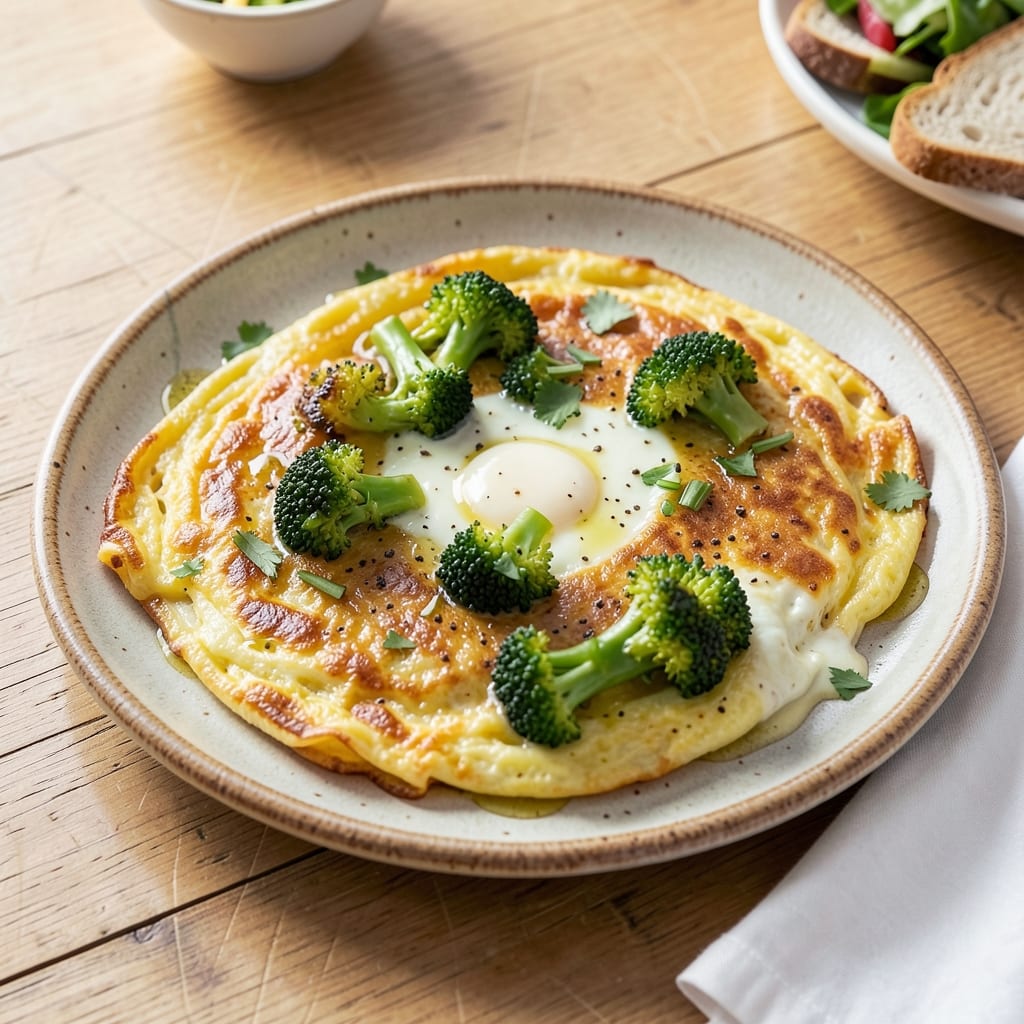
This broccoli egg omelette recipe delivers the perfect balance of crispy florets and silky yolk rivers—transforming a simple breakfast into a restaurant-worthy dish. The secret lies in pre-cooking the broccoli just until tender-crisp, so it maintains its texture while absorbing the eggs' rich flavor. I’ve perfected this technique over years of testing, ensuring every bite has that satisfying contrast between the crispy florets and the creamy, golden egg filling.
The key to a flawless omelette starts with heat control—medium-low to prevent browning while keeping the eggs tender. A light butter coating in the pan creates that signature crispiness at the edges, while whisking the eggs until frothy ensures a smooth, velvety texture. Broccoli’s natural sweetness pairs beautifully with the eggs, making this dish both nutritious and indulgent. Optional additions like shredded cheese or fresh herbs can elevate it further, but the base recipe stands strong on its own.
By the time you fold the last edge, you’ll have an omelette with crispy broccoli florets nestled in a silky egg blanket, ready to be served with a sprinkle of salt and pepper. The result is a dish that’s quick to make yet feels luxurious—ideal for a weekend brunch or a satisfying weeknight meal. Whether you’re a seasoned cook or a beginner, this method guarantees a foolproof outcome every time.
Serve it with a side of toast or avocado slices for a complete breakfast, or enjoy it as a light lunch. The versatility of this recipe makes it perfect for meal prep, too—just store leftovers in the fridge and reheat gently to maintain that crispy texture. Let’s get cooking!
Ingredients for broccoli egg omelette
Six eggs, one cup of broccoli florets—simple ingredients for a restaurant-quality omelette.
| Ingredient | Amount | Notes |
|---|---|---|
| Large Eggs 🥚 | 6 whole | Room temperature for even cooking |
| Fresh Broccoli Crowns 🥦 | 1 cup | Cut into small florets, stems removed |
| Unsalted Butter 🧈 | 2 tbsp | European-style preferred for flavor |
| Kosher Salt 🧂 | ½ tsp | Diamond Crystal preferred for precision |
| Freshly Ground Black Pepper 🌶️ | ¼ tsp | Freshly cracked for maximum flavor |
| Extra-Virgin Olive Oil 🫒 | 1 tbsp | For pre-cooking broccoli |
| Shredded Sharp Cheddar Cheese 🧀 | ½ cup | Optional, for added richness |
| Fresh Chives 🌿 | 2 tbsp | Chopped, for garnish |
| All-Purpose Flour 🌾 | 1 tbsp | For dusting pan if needed |
The broccoli is the star here. Look for bright green florets with tight buds at Whole Foods or local farmers markets—they hold their texture best. Pre-cut florets work in a pinch, but whole crowns give you better control over size. The eggs? Pasture-raised from the grocery store deli have richer flavor, but any large eggs will do. For the butter, European-style brands like Plugrá melt more smoothly and add depth. I always buy extra butter for this recipe—it makes the difference between good and extraordinary.
No sharp cheddar? Parmesan or Gruyère work beautifully—just use half the amount for a more subtle flavor. Fresh chives can be swapped for green onions or parsley, though chives have that perfect mild onion bite. Running short on olive oil? Avocado oil or grapeseed oil are great replacements for pre-cooking the broccoli. The flour is just a backup—most nonstick pans won't need it, but it's handy if your pan's seasoning is uneven. For the salt, Diamond Crystal kosher salt dissolves more easily than table salt, giving you better control over seasoning.
Broccoli florets stay fresh for 5 days in the fridge, but they're best used within 2 days for maximum crispiness. Eggs keep for 3 weeks in the fridge, but bring them to room temperature before cooking for even results. The shredded cheese should be stored in an airtight container to prevent drying. This omelette reheats beautifully—just 20 seconds in the microwave with a damp paper towel over it to maintain moisture. For meal prep, assemble the omelettes first, then fold and store—reheat gently to avoid rubbery eggs.
Why You'll Love This Recipe
- Five-Ingredient Magic: I swear by this combo—eggs, butter, and broccoli are all you need. No fancy chopping, no hidden pantry raids. Just crack, steam, and fold. That’s it. My lazy mornings thank me every time.
- Butter-Basted Goodness: The secret’s in the butter—rich, salty, and melted just enough to coat every bite. Broccoli stays crisp-tender, not soggy, and the eggs? Creamy with that perfect set. It’s the kind of flavor that makes you pause mid-bite.
- Lunchbox Hero: Pack it cold or reheat it—this holds up like a champ. I make a batch on Sundays, slice it up, and toss it in lunches all week. Kids (and adults) eat it without complaining. That’s a win.
- Budget Breakfast: Fresh broccoli crowns are cheaper than you think, and eggs? The most affordable protein out there. For under $5, I feed my family a meal that feels special. No guilt, just satisfaction.
Step-by-step instructions for broccoli egg omelette recipe
Here's how to create fluffy, golden omelettes with perfectly crisp broccoli florets and runny yolk centers.
Prep and Pre-Cook the Broccoli
Cut the 1 cup fresh broccoli crowns into small florets, removing any tough stems. Heat 1 tablespoon extra-virgin olive oil in a nonstick skillet over medium-high heat. Add the broccoli and cook for 4-5 minutes until the edges turn bright green and slightly crispy. You want the florets to soften but maintain their texture—overcooking makes them mushy.
Season immediately with ½ teaspoon kosher salt and ¼ teaspoon freshly ground black pepper while still in the pan. Remove the broccoli and set aside on a paper towel to drain excess oil. This pre-cooking step ensures the broccoli stays crispy when folded into the omelette rather than turning soggy from the eggs' moisture.
Whisk the Eggs to Perfect Consistency
Crack the 6 whole large eggs into a bowl and add the ½ cup shredded sharp cheddar cheese (if using). Whisk vigorously with a fork or wire whisk until the yolks and whites are fully combined and the mixture is smooth and pale. The eggs should be at room temperature for even cooking.
Season the egg mixture with an additional ¼ teaspoon kosher salt and ¼ teaspoon freshly ground black pepper. This ensures the entire omelette is well-seasoned, not just the outer edges. The cheese should be evenly distributed—give it a final stir to break up any clumps. This step is critical for achieving that silky, uniform texture we're after.
Cook the Omelette with Crispy Edges
Heat an 8-inch nonstick skillet over medium heat until hot. Add 2 tablespoons unsalted butter and swirl to coat the bottom evenly. Pour in the egg mixture, tilting the pan to spread it thinly and evenly across the surface. Let it cook undisturbed for 2-3 minutes until the edges begin to set and the bottom looks dry.
Here's where it gets technical: gently lift one edge of the omelette with a spatula and tilt the pan to let the uncooked egg flow toward the lifted edge. This creates that classic omelette fold while keeping the yolk runny. Sprinkle the pre-cooked broccoli evenly over one half of the omelette, leaving a ½-inch border around the edges.
Fold and Finish with Perfect Texture
When the top of the omelette is mostly set but still slightly moist in the center (about 3-4 minutes total cooking time), carefully fold the empty half over the broccoli-filled half. Press down gently with the spatula to seal. Cook for another 30-60 seconds until the cheese begins to melt and the edges are golden brown.
Remove from heat and let rest for 1 minute before sliding onto a plate. This resting period helps the omelette hold its shape when you cut it. Immediately garnish with 2 tablespoons chopped fresh chives and serve while the yolk is still runny in the center. The broccoli should remain crispy, not soggy, and the cheese should be melted but not stringy.
Optional Flour Dusting for Extra Crispiness
For that signature restaurant-style crispiness, lightly dust the hot skillet with 1 tablespoon all-purpose flour before adding the butter for the next omelette. Swirl the flour around to create a thin, even coating. This creates a delicate, crispy lattice pattern on the bottom of your omelette that adds texture without overpowering the flavor.
The flour should be added to a hot pan—if it's cold, it won't crisp properly. This step is optional but recommended if you're making multiple omelettes or want that extra touch of sophistication. Each omelette should take about 5-7 minutes total from start to finish when made this way.
Pro Tips For Making Broccoli Egg Omelette
- Prep Broccoli Small: Tiny florets cook faster and stay crisp—no one wants mushy broccoli in an omelette. Trim the crowns into ½-inch pieces, then blanch them for 30 seconds in salted boiling water before draining. This kills the bitterness and keeps them bright green when they hit the pan.
- Salt the Butter First: Toss a pinch of kosher salt into the butter before melting it in the pan. The salt dissolves into the fat, so every bite gets that subtle seasoning—no more dry, bland edges. I learned this the hard way after making omelettes that tasted like they needed a shaker at the table.
- Fold, Don’t Flip: Let the eggs set for 10 seconds after adding the broccoli, then fold the omelette in half with a spatula. Flipping too soon makes the filling spill out, and no one wants a runny, sad broccoli omelette. A gentle fold keeps everything contained—like wrapping a burrito.
- Use Room-Temp Eggs: Crack cold eggs straight from the fridge into the bowl, but let them sit for 5 minutes before whisking. Cold eggs cook unevenly, giving you a rubbery center while the edges overcook. Room temperature eggs? Creamy, even texture every time—no guessing games.
Troubleshooting perfect results
Broccoli Too Soft
If your broccoli florets turn mushy instead of crispy, you likely overcooked them. The key is 4-5 minutes max on medium-high heat—just until the edges brighten. I find using a 12-inch nonstick skillet gives better heat distribution than smaller pans. For extra insurance, blanch the broccoli first in boiling water for 30 seconds, then shock in ice water before pan-frying. This jumpstarts the cooking process so you have more control over the final texture. 🥦
Eggs Overcooked
Rubbery eggs happen when heat is too high or the pan isn't properly preheated. Always use medium heat and wait until the pan is hot enough that butter sizzles when added. I recommend using a thermometer to check pan temperature—it should be around 300°F for perfect eggs. If your eggs still cook too fast, reduce heat to low-medium and cover the skillet with a lid for 30 seconds to speed up cooking without burning.
Omelette Breaks
An omelette that falls apart when folding usually means the eggs weren't cooked long enough to set properly. Let the eggs cook until the edges are dry and the center is just barely set before adding broccoli. For extra stability, I add a pinch of ½ teaspoon cream of tartar to the egg mixture—it helps the proteins coagulate faster. Also, make sure your spatula is wide enough to support the omelette's weight when folding. A 10-inch offset spatula works perfectly for this.
Cheese Not Melting
Cold cheese won't melt properly, so remove any shredded cheese from the fridge 10 minutes before cooking. For stubborn cheeses, sprinkle a tiny bit of ½ teaspoon water over the cheese before adding it to the eggs—this helps it melt more evenly. I also recommend using freshly grated cheese whenever possible, as pre-shredded varieties often contain anti-caking agents that prevent proper melting. If you're using Gruyère or Parmesan, they melt beautifully but need slightly higher heat (medium-high for 30 seconds) to soften completely.
Broccoli Too Dry
If your broccoli loses all moisture and becomes papery, it was likely cooked too long before adding to the omelette. The ideal window is immediately after pre-cooking—transfer it to a plate lined with a paper towel to drain excess oil, then work quickly to fold it into the eggs. For extra moisture, I sometimes drizzle ½ teaspoon olive oil over the broccoli right before folding. This keeps it tender while adding a subtle richness that complements the eggs perfectly. 💫
Uneven Cooking
Temperature fluctuations cause uneven cooking, often from inconsistent heat distribution. Use a heavy-bottomed skillet (like All-Clad or Lodge cast iron) to maintain even heat. If your stove has hot spots, rotate the pan ¼ turn every 30 seconds. For gas stoves, I recommend using the back burner where heat is more consistent. Electric stoves often have more even heat distribution, but always preheat thoroughly before adding butter—it should foam and bubble gently before pouring in the eggs.
Nutrition facts
Frequently asked questions
Can I use frozen broccoli instead of fresh?
Fresh broccoli gives the best texture, but frozen works in a pinch! Thaw and drain it thoroughly, then pat completely dry with a paper towel. For extra crispiness, pre-cook the frozen florets for 1-2 minutes longer than fresh (about 5-6 minutes total) since they start with more moisture. Avoid ice crystals by using no-stick pans.
How do I make this omelette extra fluffy?
Whisk the eggs until they're foamy but not frothy—this creates tiny air pockets. Add a splash of 1 tablespoon cold water to the egg mixture before cooking, and use medium-low heat to cook slowly. For restaurant-style fluffiness, fold the omelette immediately when the top is just set, trapping steam inside.
What's the best way to reheat leftovers?
Reheat in a dry skillet over low heat for 2-3 minutes per side to maintain crispiness. Microwave reheating works but makes the broccoli soggy—cover with a damp paper towel and use 30-second bursts at 50% power instead. Always reheat until the center reaches 165°F for food safety.
Can I make this omelette ahead of time?
Assemble the omelettes completely (folded but uncooked) and refrigerate for up to 24 hours. Cook fresh when ready—prepping ahead saves time! For freezing, cook completely, cool, then wrap tightly in plastic wrap and foil. Reheat in a skillet for best texture, not microwave. Frozen omelettes keep for 1 month.
What other veggies pair well with broccoli?
Bell peppers add sweetness, mushrooms bring umami, and spinach keeps it light. For a Mediterranean twist, try cherry tomatoes and feta. The key is pre-cooking veggies separately to 4-5 minutes (like the broccoli) so they stay crispy. Just reduce the broccoli amount by ¼ cup to balance flavors.