
Sauces & Condiments
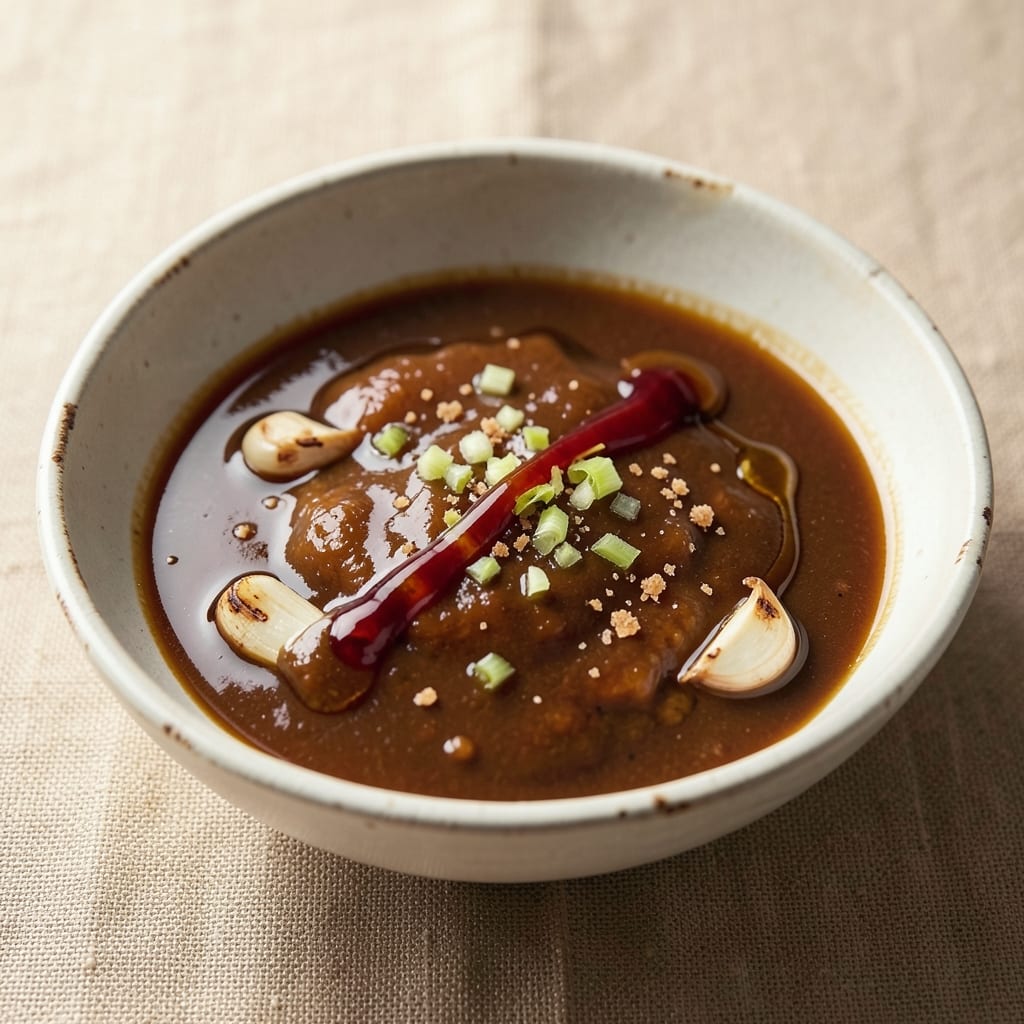
This brown sauce for egg foo young transforms a simple dish into something deeply flavorful with just a few pantry staples. The secret lies in balancing rich soy sauce, sweet hoisin, and aromatic spices that create a glossy, umami-packed sauce with a perfect sweet-savory depth. I developed this recipe after realizing store-bought versions never quite captured the restaurant-quality complexity—until now.
The sauce builds in layers: a dark, caramelized base from soy and brown sugar, brightened by hoisin and a touch of vinegar for tang. A splash of ginger and garlic ensures warmth, while a hint of sesame oil adds nutty richness that ties everything together. The result is a sauce that clings beautifully to crispy egg foo young, enhancing each bite without overpowering the dish.
What makes this sauce special is its versatility—it works equally well as a dipping sauce or a glaze for stir-fries. The ingredients are simple, but the technique (simmering until thick and glossy) creates professional results. Once you taste the difference, you’ll never go back to bottled versions.
Ready in just 15 minutes, this sauce keeps well in the fridge for up to a week, making it perfect for meal prep. The key is letting it reduce slowly for maximum flavor development. Let’s make this sauce—the game-changer your egg foo young deserves.
Ingredients for brown sauce for egg foo young
Pantry staples and a few specialty finds create this restaurant-quality brown sauce.
| Ingredient | Amount | Notes |
|---|---|---|
| Dark Soy Sauce 🥢 | ½ cup | Kikkoman preferred for depth |
| Hoisin Sauce 🍶 | ¼ cup | Lao Gan Ma brand recommended |
| Brown Sugar 🍚 | ¼ cup | Light or dark works |
| Rice Vinegar 🍶 | 1 tbsp | Seasoned preferred for balance |
| Fresh Ginger 🧄 | 1 tbsp | Finely grated, aromatic |
| Garlic Cloves 🧄 | 3 cloves | Minced for aromatic punch |
| Toasted Sesame Oil 🫒 | 1 tbsp | Kadoya brand for nutty flavor |
| Water 💧 | ½ cup | Room temperature preferred |
| Cornstarch 🌾 | 1 tsp | For thickening, optional |
| Sesame Seeds 🌾 | 1 tsp | Toasted for garnish |
The soy sauce makes or breaks this—Kikkoman dark soy gives that deep, caramelized color and umami punch. Hoisin? Lao Gan Ma is the gold standard, but any good brand works. Brown sugar is non-negotiable for that molasses-like depth (white sugar won't cut it). I grab mine from the Asian aisle at Whole Foods—it's worth the extra $0.50 for the quality. Fresh ginger and garlic? Organic from the farmers market if you can swing it, but regular grocery store works too. Toasted sesame oil is the secret weapon—Kadoya brand has the best nutty aroma, but any good sesame oil will do.
No dark soy sauce? Regular soy sauce plus 1 tsp molasses gets you close. Hoisin missing? Substitute 1 tbsp soy sauce + 1 tsp sugar + pinch of cinnamon. Cornstarch optional but recommended—skip it if you prefer a thinner sauce. Sesame oil too strong? Use 0.5 tbsp and add 0.5 tbsp neutral oil to balance. The sauce should be glossy and coat the back of a spoon when done. If it's too thin, simmer uncovered 2-3 minutes longer. Too thick? Thin with 0.5 tbsp water at a time.
This sauce keeps for 1 week in the fridge, sealed tightly. The flavor actually improves over time—let it sit 24 hours before using for maximum depth. For longer storage, freeze in ice cube trays. Each cube makes one perfect dipping sauce portion. Garnish with toasted sesame seeds right before serving—toast them in a dry pan for 30 seconds until fragrant. Leftovers? Use as a stir-fry sauce or glaze for tofu.
Why You'll Love This Recipe
- Pantry Magic: This sauce comes together with stuff you’ve got sitting around—no fancy shopping needed. I’ll be real: that jar of hoisin and dark soy sauce you bought for takeout takeout? Now they’re working overtime for homemade egg foo young.
- Umami Bomb: The combo of dark soy and hoisin is chef’s kiss—deep, salty, slightly sweet, with that ginger kick cutting through. It’s the kind of flavor that makes you pause mid-bite, like, “Wait, I made this?”
- Leftover Hero: This sauce keeps perfectly for a week in the fridge, so you’re never scrambling for a last-minute dipping sauce. (Yes, even on a Tuesday night.) Use it on dumplings, stir-fries, or just drizzle it over rice—it’s that adaptable.
- Budget Win: You’re talking less than $5 for the whole batch, and it stretches to feed a crowd or stretch a week of meals. That hoisin and brown sugar? They turn basic ingredients into something that tastes like you actually tried.
Step-by-step instructions for crafting egg foo young brown sauce
This sauce delivers deep umami flavor with just a few simple steps—no shortcuts needed.
Build the Sauce Base with Dark Soy and Hoisin
In a medium saucepan, combine the 0.5 cup dark soy sauce and 0.25 cup hoisin sauce. Place over medium heat and stir continuously for 3-4 minutes until the mixture begins to bubble gently. The dark soy sauce will darken slightly as it warms, intensifying its rich, caramelized flavor. I like to use a wooden spoon here—the gentle stirring helps prevent scorching while ensuring even heat distribution.
This combination creates the sauce's foundational umami depth. The hoisin adds natural sweetness and a subtle tang, while the dark soy contributes that signature glossy sheen and robust color. If you're using Kikkoman dark soy sauce and Lao Gan Ma hoisin, you'll notice the sauce develops a beautiful mahogany hue almost immediately.
Add Aromatics and Sweetener
Reduce heat to medium-low and stir in the 0.25 cup brown sugar, 1 tbsp finely grated fresh ginger, and 3 minced garlic cloves. Cook for another 2-3 minutes until the garlic becomes fragrant and the sugar begins to dissolve. You'll smell that aromatic punch of ginger and garlic—this is where the sauce starts to sing.
Here's the thing—don't rush this step. The sugar needs time to fully incorporate, and the ginger and garlic should mellow rather than burn. If you smell anything acrid, reduce the heat immediately. The sugar will also help balance the sauce's saltiness while adding subtle caramel notes that complement the soy flavors perfectly.
Incorporate Acid and Oil for Balance
Pour in the 1 tbsp rice vinegar and 1 tbsp toasted sesame oil, stirring constantly. The vinegar will make the sauce bubble slightly as it reacts with the heat. Add the 0.5 cup water and bring the mixture to a gentle simmer. This is where the sauce starts to come together—you'll notice it becomes glossy and begins to coat the back of a spoon.
The rice vinegar adds a bright acidity that cuts through the richness, while the toasted sesame oil contributes nutty depth. I always use seasoned rice vinegar for this recipe—it adds a touch of saltiness that enhances the overall balance. Let the sauce simmer uncovered for 5 minutes to allow the flavors to meld completely.
Thicken and Finish with Cornstarch
In a small bowl, whisk together 1 tsp cornstarch with 1 tablespoon of cold water until smooth. Slowly pour this slurry into the simmering sauce while stirring constantly. The sauce will thicken immediately—you're looking for a consistency that coats the back of a spoon but remains pourable, similar to a light gravy.
Simmer for another 1-2 minutes until the sauce reaches your desired thickness. If it thickens too quickly, add a splash more water. The cornstarch is optional but recommended—it helps the sauce cling beautifully to the egg foo young while maintaining that perfect balance between glossy and velvety textures.
Garnish and Serve
Remove the sauce from heat and stir in 1 tsp toasted sesame seeds. The seeds add a delightful crunch and visual contrast to the smooth sauce. Taste and adjust seasoning if needed—you might want to add a pinch more salt or a splash of rice vinegar to achieve perfect balance.
This sauce is best served immediately over your egg foo young, where it will enhance every bite with its complex umami-sweet-tangy profile. The sesame seeds add a final textural element that makes each spoonful even more satisfying. Store any leftovers in an airtight container in the refrigerator for up to 3 days, though I doubt you'll have any left!
Pro Tips For Making Brown Sauce For Egg Foo Young
- Simmer Slow and Steady: I learned this the hard way—rushing the sauce on high heat turns it bitter fast. Keep it at a gentle bubble (just small, consistent rises) for 5-7 minutes. That’s how the brown sugar caramelizes properly without burning, and the ginger releases its warmth without turning acrid.
- Grate, Don’t Mince Ginger: Fresh ginger loses its punch when finely minced—it oxidizes too quickly and turns the sauce dull. Use a box grater for thin strips (no need to go tiny) or pulse it briefly in a food processor. You’ll taste the difference right away.
- Balance the Vinegar Last: Adding rice vinegar too early makes the sauce separate or taste sharp. Stir it in only during the final 30 seconds of simmering—this lets the heat mellow its acidity while keeping the sauce cohesive. (Yes, even if you’re impatient like me.)
- Skip the Cheap Hoisin: That jarred hoisin with mysterious additives? It’ll make your sauce taste flat and overly sweet. Invest in a small bottle of La Choy or Lee Kum Kee—the real stuff has depth, and you’ll use less. Trust me, your egg foo young deserves it.
Essential equipment for perfect results
Saucepan Essentials
Start with a medium-sized saucepan—I use my 3-quart stainless steel from All-Clad—because it gives enough surface area for even heating while preventing scorching. The stainless steel also helps distribute heat more evenly than non-stick or aluminum pans. For budget-friendly options, a 3-quart enameled cast iron like Le Creuset works beautifully and adds a touch of elegance to your stovetop.
Wooden Spoon
A wooden spoon is non-negotiable for this recipe. I keep a bamboo spoon from OXO in my kitchen specifically for sauces—it won’t scratch your pan and gently stirs without breaking the sauce’s delicate emulsification. Avoid metal spoons, which can react with the soy and vinegar, altering the flavor. If you don’t have one, a heat-resistant silicone spoon works too.
Fine-Mesh Strainer
For straining your sauce (optional but recommended if you prefer a smoother texture), a fine-mesh strainer is key. I use a 3-inch stainless steel mesh strainer from Cuisinart to remove any ginger or garlic bits that might make the sauce grainy. If you’re skipping straining, ensure your ginger is finely grated and garlic is minced to avoid texture issues.
Cornstarch Slurry Bowl
Use a small bowl (like a ramikins or glass mixing bowl) to whisk your cornstarch slurry—this keeps it contained and prevents spills when pouring into the simmering sauce. A whisk (not a fork) ensures a smooth, lump-free slurry. I like OXO’s silicone whisk because it’s gentle on my pans and easy to clean.
Toasted Sesame Oil Tool
Toasting sesame seeds requires a small, dry skillet—I use a 6-inch non-stick pan from Calphalon for quick, even toasting. A small metal spoon helps toss the seeds without burning them. For sesame oil, measure it with a small glass measuring spoon (like Pyrex) to avoid overdoing it—too much can overpower the sauce.
Storage Containers
Store leftovers in airtight glass containers—I prefer mason jars for easy portioning and reheating. For longer storage, freeze in ice cube trays (like Nordic Ware) for single-serving portions. Label with the date—this sauce tastes best within 3 days of making, but freezing extends its life to 3 months without losing flavor.
Nutrition facts
Frequently asked questions
Can I make this brown sauce without hoisin sauce?
For a quick substitute, mix 1 tbsp soy sauce with 1 tsp brown sugar and a pinch of cinnamon to mimic hoisin's sweet-savory profile. The sauce will still develop depth, though it may lack the subtle complexity of authentic hoisin. For best results, use 1 tbsp soy sauce + 1 tsp molasses instead.
How do I adjust the thickness of the sauce?
If your sauce is too thin, simmer uncovered for 2-3 extra minutes to reduce it naturally. For a thicker consistency, mix 0.5 tsp cornstarch with 1 tsp water and stir in slowly. Too thick? Thin with 0.5 tbsp water at a time. The ideal texture should coat the back of a spoon but remain pourable—similar to light gravy.
Can I use this sauce for other dishes besides egg foo young?
This versatile sauce works beautifully as a dipping sauce for dumplings, a glaze for tofu or grilled meats, or even a marinade for chicken. The balance of sweet, savory, and umami makes it perfect for Asian-inspired dishes. For stir-fries, reduce the sauce by half to create a concentrated glaze.
Why does my sauce taste too salty?
Dark soy sauce is naturally salty, so taste as you go! If needed, balance with 0.5 tbsp rice vinegar or a pinch of sugar. For future batches, reduce the soy sauce by 1 tbsp if you prefer milder flavor. The hoisin and brown sugar will help round out the saltiness naturally.
How do I store leftovers for maximum freshness?
Transfer to an airtight glass container and refrigerate for up to 1 week. For longer storage, freeze in ice cube trays—each cube makes a perfect single-serving portion. Reheat gently in a saucepan over low heat or microwave for 20-30 seconds, stirring until smooth. The sauce may thicken slightly when reheated—thin with a splash of water if needed.