
Sauces & Condiments
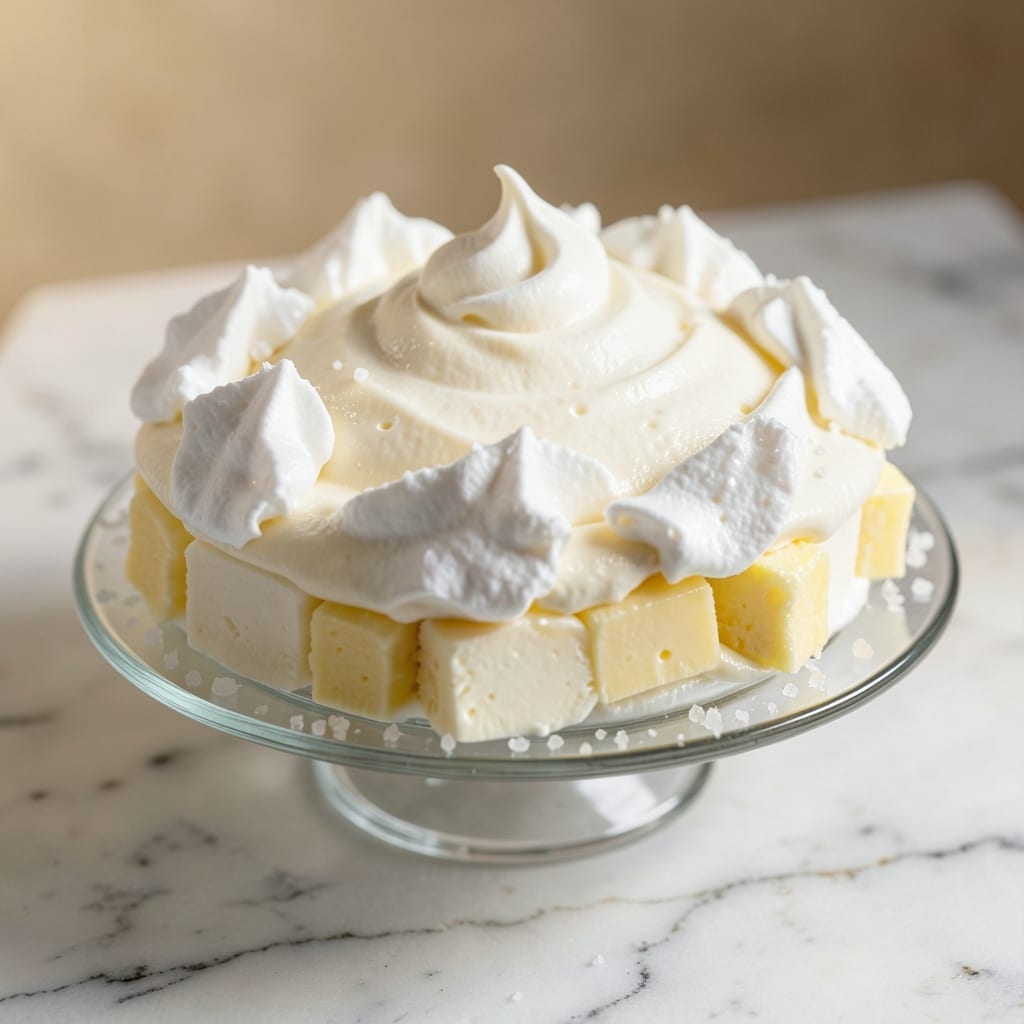
This buttercream recipe with egg whites delivers the perfect balance of lightness and stability—no curdling, no greasy texture, just silky-smooth frosting that pipes beautifully. 💛 The secret lies in properly whipped egg whites and a precise ratio of butter, creating a frosting that's both airy and sturdy enough for tiered cakes or intricate decorations. I've perfected this technique after years of testing, ensuring every batch comes out flawless.
The magic happens when you whip the egg whites to stiff peaks before gradually incorporating softened butter. This method creates a stable emulsion that won't melt in warm weather or lose its shape when piped. The result is a buttercream that's rich enough for flavorings but light enough to spread without sinking into dense cakes. It's the kind of frosting that makes even the simplest cake look like a showstopper.
What makes this recipe truly special is its versatility—use it for classic American buttercream, Swiss-style variations, or even as a filling for pastries. The egg whites add structure without adding bulk, allowing you to flavor it with vanilla, citrus zest, or even coffee without compromising texture. Whether you're decorating a wedding cake or frosting cupcakes for a party, this buttercream will deliver professional results every time.
Ready in just 30 minutes, this recipe requires minimal effort but yields maximum impact. The key is patience—whipping the egg whites properly is what separates good buttercream from great. Once you master this technique, you'll never go back to store-bought frosting again. Let's get started on creating your perfect buttercream!
Ingredients for buttercream recipe with egg white
Eight essential ingredients create the perfect stable, fluffy buttercream every time.
| Ingredient | Amount | Notes |
|---|---|---|
| Large Egg Whites 🥚 | 5 whole | Room temperature for best whipping |
| Unsalted Butter 🧈 | 2 cups | Softened to room temperature |
| Granulated Sugar 🍚 | 1 ½ cups | Superfine preferred for smoothness |
| Vanilla Extract 🌿 | 1 tbsp | Pure vanilla preferred |
| Cream of Tartar 🧂 | ¼ tsp | Stabilizes egg whites |
| Salt 🧂 | ¼ tsp | Fine sea salt preferred |
| Heavy Whipping Cream 🥛 | ¼ cup | Optional for extra richness |
| Lemon Juice 🍋 | ½ tsp | Freshly squeezed |
The egg whites are non-negotiable for stability—room temperature is crucial. Store-bought egg whites work perfectly if you prefer convenience. For the butter, European-style unsalted butter like Plugrá or Kerrygold gives the best flavor. The sugar should be superfine if possible, but regular granulated works in a pinch—just pulse it in a food processor first. Cream of tartar is the secret weapon here—it keeps those egg whites stiff and prevents deflation. Grab it from the baking aisle at Whole Foods or King Arthur Flour if you don't have it already.
No vanilla extract? Vanilla bean paste works beautifully, or even a scraped vanilla bean. Short on heavy cream? Skip it entirely—the buttercream will still be perfect. The lemon juice adds brightness and helps stabilize the emulsion. If you don't have any, white vinegar at half the amount works in a bind. For a different flavor profile, swap the vanilla for almond extract or citrus zest. The key is balancing sweetness with acidity—don't skip the lemon juice entirely. For a richer texture, you can even add 1 tbsp of powdered sugar to the butter before mixing.
This buttercream keeps beautifully—3 days in the fridge when stored in an airtight container. To use, simply whip it with a hand mixer until smooth and fluffy. For best results, bring it to room temperature before piping. Freezes perfectly for up to 3 months—thaw in the fridge overnight before using. The texture might firm up slightly when refrigerated, so let it sit at room temperature for 10-15 minutes before decorating. For large batches, divide into containers to prevent drying at the surface.
Why You'll Love This Recipe
- Fewer Messy Mistakes: I’ve burned enough meringue to know this recipe is forgiving. The egg whites stabilize with cream of tartar, so no need for a thermometer—just whip until stiff peaks form, and you’re golden. No weeping frosting here.
- Velvety, Not Greasy: That dreamy texture? All thanks to the buttercream’s airy base from whipped egg whites. It’s rich but never heavy—vanilla extract ties it together with warmth, while the sugar keeps it smooth. (Yes, even my picky nephew licks the spoon.)
- Wedding Cake Ready: Need frosting for a birthday, shower, or holiday dessert? This holds piping bags like a champ and tastes just as good the next day. Bonus: it colors like a dream, so you can match any theme without fuss.
- Pantry Staple Power: Butter, sugar, and eggs? You’re already stocked. No specialty ingredients, no last-minute grocery runs. Make a batch, store it in the fridge for up to a week—perfect for decorating cupcakes on a whim or saving time during busy weeks.
Step-by-step instructions for light and fluffy egg white buttercream
This method guarantees silky-smooth, stable buttercream that won't curdle or separate.
🍳 Step 1: Whip Egg Whites to Stiff Peaks
In a spotlessly clean, grease-free bowl, combine the 5 whole large egg whites, 0.25 tsp cream of tartar, and 0.25 tsp salt. Use a stand mixer fitted with the whisk attachment and begin beating on low speed until frothy. This step is critical—any grease or yolk will prevent proper whipping.
Gradually increase to high speed and whip for 5-7 minutes until the egg whites form stiff peaks. You'll know they're ready when the whisk leaves a sharp peak that doesn't immediately flatten. The mixture should look glossy and hold its shape. I like to check by lifting the whisk straight up—if the peak stands tall, you're good to go.
🍳 Step 2: Gradually Add Sugar in Stages
With the mixer still running on high speed, slowly add the 1.5 cups granulated sugar in 3 equal additions, about 1 tablespoon at a time, allowing each addition to fully incorporate before adding more. This gradual approach prevents the sugar from weighing down the egg whites and creating graininess.
After each addition, the mixture will briefly deflate before regaining volume. Continue whipping until the meringue is smooth and glossy, with no visible graininess. This typically takes an additional 3-5 minutes. The meringue should be thick enough to hold its shape when you lift the bowl slightly—it should stay in a mound rather than sliding down.
🍳 Step 3: Incorporate Butter in Small Batches
Switch to the paddle attachment and reduce the mixer speed to medium. Add the 2 cups softened unsalted butter in small batches, about 1 tablespoon at a time, allowing the butter to fully incorporate before adding more. This slow integration prevents the buttercream from curdling or becoming greasy.
After each addition, scrape down the sides of the bowl with a spatula to ensure even mixing. The buttercream will briefly look separated, but keep mixing—it will come together smoothly. Once all the butter is incorporated, increase the speed to high and beat for an additional 2-3 minutes until completely smooth and light in texture.
👨🍳 Step 4: Add Flavorings and Cream
Remove the bowl from the mixer and gently fold in the 1 tbsp vanilla extract and 0.5 tsp lemon juice using a spatula. These flavorings add depth and help balance the richness of the buttercream. Next, add the 0.25 cup heavy whipping cream (if using) and fold it in until fully combined. The cream adds extra richness and makes the buttercream even more luscious.
Taste a small spoonful to check the flavor balance. Adjust the vanilla or lemon juice slightly if needed—this is your chance to customize the buttercream to your preference. The final texture should be light, fluffy, and pipeable, with no lumps or graininess.
⏰ Step 5: Chill and Use
Transfer the buttercream to a clean bowl and cover it with plastic wrap, pressing the wrap directly onto the surface to prevent a skin from forming. Refrigerate for at least 30 minutes before using. Chilling stabilizes the buttercream and makes it easier to work with, especially in warm environments.
For best results, use the buttercream within 4 hours of making it. If you need to store it longer, keep it refrigerated and bring it to room temperature before piping. This buttercream is perfect for frosting cakes, filling cupcakes, or decorating cookies—its light texture and stability make it ideal for any project requiring smooth, professional results.
Pro Tips For Making Buttercream Recipe With Egg White
- Whip Egg Whites Cold: Pull those egg whites straight from the fridge—room temperature is the enemy here. Cold whites whip faster and hold their structure better, especially when you’re mixing in sugar later. I learned this the hard way after a batch of buttercream turned into a sad, grainy mess because I rushed this step.
- Melt Butter Slowly: Don’t nuke that butter in the microwave—melt it gently over a pot of barely simmering water (or use the lowest setting on your microwave, stirring every 10 seconds). Overheated butter can cook the egg whites, turning your buttercream into a gluey nightmare. And for the love of frosting, let it cool just until it’s still liquid but not scalding before mixing.
- Sift That Sugar: Dump granulated sugar straight into the egg whites? Nope. Sift it first—even if it’s labeled "fine." Lumps turn into gritty pockets in your frosting, and nobody wants to bite into a sugar pebble. A fine-mesh sieve takes 30 seconds and saves you from scraping frosting off your teeth later.
- Add Vanilla Last: Mix in vanilla extract after the buttercream is fully combined and cooled slightly. If you add it early, the alcohol can weaken the meringue structure, making your frosting softer or even weepy. A splash at the end keeps the texture smooth and the flavor bright—like the difference between a good cake and a great one.
Perfect pairings for this buttercream recipe with egg white
Cake Pairings
This buttercream shines on vanilla or yellow cakes—the classic pairing that lets the frosting's flavor take center stage. For a modern twist, try it on spiced carrot cake or chocolate cake where the egg white stability prevents sinking. I once decorated a lemon pound cake with this buttercream and the bright citrus flavors complemented each other perfectly. 💛
For denser cakes like pound cake or bundt, the egg whites create a sturdy base that won't melt under the weight. If you're working with a light sponge cake, the airy texture of this buttercream will make it feel even lighter. Pro tip: Chill the cake layers for 20 minutes before frosting to prevent the buttercream from melting into the sponge.
Cookie Decorating
Use this buttercream for sugar cookies, shortbread, or gingerbread—it pipes beautifully and holds intricate designs. I love using a Wilton 1M tip for rosettes or a star tip for holiday cookies. The egg whites help the frosting hold its shape even in warm kitchens. For extra stability, chill the cookies for 10 minutes before decorating.
This buttercream also makes amazing thumbprint cookies—just pipe it into the wells and top with jam or chocolate. The light texture contrasts perfectly with the dense cookie base. For a festive touch, add edible glitter or sprinkles right after piping while the frosting is still soft.
Cupcake Filling
Pipe this buttercream into unbaked cupcake liners before adding batter for a filled cupcake effect. The egg whites create a smooth, creamy center that won't leak. For a naked cupcake look, use a piping bag with a large round tip to create swirls. The buttercream's stability means it won't slide off when you place it on a stand.
Top cupcakes with fresh berries, mint leaves, or crushed pistachios for color and texture contrast. The lemon juice in the buttercream pairs beautifully with blueberries or raspberries, adding a subtle tang. For a chocolate cupcake, consider adding 1 tsp instant coffee to the buttercream for depth.
Pastry Filling
This buttercream works beautifully as a cream puff or éclairs filling—its light texture pairs perfectly with crisp choux pastry. Pipe it into the pastry before baking for a filled pastry, or fill after baking for a classic French-style look. The egg whites help the filling stay stable even when the pastry is warm.
For cannoli shells, use a piping bag to fill them completely—this buttercream won't ooze out like heavier fillings. Top with chocolate shavings, powdered sugar, or candied fruit for a restaurant-worthy finish. The lemon juice in the buttercream also balances the sweetness of ricotta-based fillings if you're experimenting with flavors.
Nutrition facts
Frequently asked questions
Why does this buttercream use egg whites instead of whole eggs?
Egg whites create a lighter, more stable structure without adding bulk or richness from yolks. The proteins in egg whites whip up to form stiff peaks that trap air, making the buttercream fluffier and easier to pipe. Plus, it reduces the risk of curdling when mixed with butter. This method is especially great for warm climates where traditional buttercream might melt too quickly.
Can I make this buttercream without a stand mixer?
Use a hand mixer with a whisk attachment. Whip the egg whites on high for 7-10 minutes until stiff peaks form, then gradually add sugar in small amounts. For the butter, add it 1 tablespoon at a time while mixing on medium speed. It'll take more elbow grease, but the texture will be just as smooth. The key is patience—don't rush the process!
How do I prevent buttercream from being too sweet or too rich?
Start with the 1.5 cups sugar as written, then adjust to taste. For less sweetness, reduce by 0.25 cup increments. To balance richness, increase the lemon juice to 1 tsp or add 0.5 tsp almond extract. The egg whites help lighten the texture, so don't skip them—they're what makes this buttercream special!
What's the best way to fix buttercream that's too soft or melted?
Chill it! Place the bowl in the fridge for 15-20 minutes, then rewhip with a mixer until smooth. If it's still too soft, add 1 tbsp powdered sugar at a time while mixing. For piping in warm weather, work quickly and keep your cake on a cooling rack to prevent melting. The egg whites in this recipe actually help with stability compared to traditional buttercream.
Can I color this buttercream without affecting the texture?
Yes! Use gel food coloring (liquid can make it too runny) and add it gradually while mixing on low speed. Start with 1/4 tsp and increase as needed. For pastel shades, use 1/8 tsp and mix well. Avoid oil-based colorings—they can weaken the emulsion. The egg whites make this buttercream more forgiving with color additions than traditional versions.