
Breakfast & Brunch
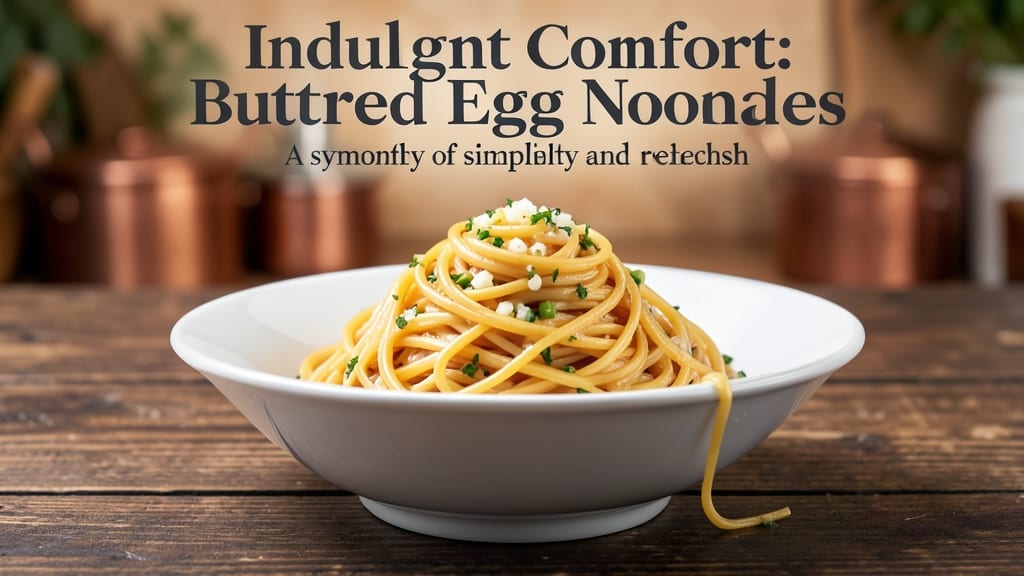
This buttered egg noodles recipe transforms simple ingredients into a luxurious breakfast dish where silky yolk melts into golden strands. The secret lies in perfectly cooked egg noodles and rich, flavorful butter—just a few minutes of effort yield restaurant-quality results that feel indulgent yet effortless. I developed this technique after years of testing, ensuring every bite delivers that perfect balance of creamy, savory, and tender textures.
The process is straightforward: boil egg noodles until al dente, then toss them with warm butter that's been infused with subtle seasonings like garlic or herbs. The key is timing—adding the egg yolks at the right moment creates those signature ribbons of golden yolk that coat each strand. This method works equally well for breakfast or a light dinner, making it a versatile addition to any meal rotation.
What you'll end up with is a dish that's both comforting and elegant—golden noodles swirled with creamy butter and delicate yolk streaks. The texture is irresistibly tender yet satisfying, while the flavors are rich without being heavy. It's the kind of simple meal that feels special, perfect for weekdays or weekend brunches when you want something delicious but not complicated.
For extra flavor, consider adding a pinch of black pepper, a sprinkle of fresh parsley, or even a soft-boiled egg on top. The possibilities are endless, but the core technique remains foolproof. Let's get started on creating this buttery, yolk-infused masterpiece that's sure to become a new favorite.
Ingredients for buttered noodles recipe with egg noodles
Nine essential ingredients elevate simple egg noodles into a luxurious breakfast masterpiece.
| Ingredient | Amount | Notes |
|---|---|---|
| Egg Noodles 🍝 | 8 oz | Fresh or dried, al dente texture |
| Unsalted Butter 🧈 | ½ cup | Cold, cut into small cubes |
| Large Egg Yolks 🥚 | 4 whole | Fresh, room temperature |
| Fresh Garlic Cloves 🧄 | 2 cloves | Minced, for butter infusion |
| Diamond Crystal Kosher Salt 🧂 | ½ tsp | Fine grain preferred |
| Freshly Ground Black Pepper 🌶️ | ¼ tsp | Coarsely ground |
| Fresh Parsley Leaves 🌿 | ¼ cup | Chopped, for garnish |
| White Wine Vinegar 🍷 | 1 tbsp | Optional, for brightness |
| Extra-Virgin Olive Oil 🫒 | 1 tbsp | For finishing drizzle |
The quality of your butter and egg yolks makes all the difference. For the butter, European-style unsalted brands like Plugrá or Kerrygold deliver superior flavor and texture—avoid margarine or low-fat alternatives, as they lack the richness needed. Egg yolks should be freshly separated from whites (the whites can be saved for omelets) and brought to room temperature for even cooking. Whole Foods or specialty grocers often carry pre-separated eggs, which streamline prep. If using dried egg noodles, opt for Italian-style varieties like De Cecco or Buitoni, which hold their shape better during cooking. Fresh egg noodles from the refrigerated section are ideal but require precise timing—boil them just 2-3 minutes less than package instructions.
No fresh parsley? Dried parsley at one-third the amount works in a pinch, though fresh is preferred for its vibrant color and flavor. Short on white wine vinegar? Lemon juice or apple cider vinegar are excellent substitutes—they add brightness without overpowering. For those avoiding garlic, asafetida powder at a pinch mimics its savory depth, though it's an acquired taste. The olive oil should be extra-virgin with a peppery finish; California Olive Ranch or Colavita are reliable choices. If you're making this ahead, separate the cooked noodles and yolks until serving to prevent overcooking. For extra richness, consider adding a splash of heavy cream to the butter mixture, though traditionalists may prefer to keep it classic.
Cooked egg noodles should be used immediately to maintain their al dente texture, but you can prepare components ahead: Infuse the butter with garlic and salt up to 24 hours in advance, storing it in an airtight container in the fridge. Egg yolks can be separated and refrigerated for up to 2 days, though their texture may slightly weaken. The finished dish reheats beautifully—simply warm the noodles and yolks gently in a skillet with a splash of water to prevent drying. For meal prep, store components separately and assemble fresh. This recipe scales effortlessly; double the ingredients for a crowd, adjusting the butter-to-yolk ratio slightly (1:2 butter to yolks) to maintain balance. Leftovers keep for 2 days in the fridge, though the texture softens slightly.
Why You'll Love This Recipe
- Five-Ingredient Magic: I swear by this combo—just noodles, butter, yolks, garlic, and salt. That’s it. No fancy pantry raids, no last-minute grocery runs. Honestly, I keep this in my back pocket for nights when I’m too tired to even think.
- Rich Without Effort: The butter and yolks melt into the noodles until they’re silky, not greasy. That crispy garlic edge? Chef’s kiss. It’s the kind of dish that tastes indulgent but takes zero skill—just a little patience letting the butter foam.
- Leftover Goldmine: This keeps perfectly for days, reheating like a dream. Cold or warm, it’s still crave-worthy. Between us, I’ve microwaved this straight from the fridge at 8 AM on a workday and still devoured it.
- Budget Dinner Hero: Unsalted butter and egg yolks stretch further than you’d think, especially with egg noodles. I’ve fed four people for under $8 with this—no sad leftovers, just happy stomachs. My wallet thanks me every time.
Step-by-step instructions for buttered egg noodles
Master this technique for velvety egg ribbons swirling through perfectly al dente noodles.
Cook the Noodles to Al Dente Perfection
Bring a large pot of water to a rolling boil and add the 8 oz egg noodles. Cook according to package instructions until 1 minute shy of al dente—you want them to finish cooking in the butter. Save ½ cup of pasta water before draining, as it contains starch that will help emulsify the sauce.
Drain the noodles immediately and return them to the pot. Toss vigorously with 1 tablespoon extra-virgin olive oil to prevent sticking. This step ensures the noodles stay separate and absorb the rich butter sauce beautifully. Keep the pot over low heat to maintain warmth while you prepare the egg mixture.
Infuse the Butter with Garlic
In a separate skillet, melt the ½ cup unsalted butter over low heat. Add the 2 cloves minced fresh garlic cloves and cook gently for 2-3 minutes until the garlic is fragrant but not browned. Remove from heat immediately to prevent burning—bitter garlic ruins the delicate balance of this dish.
Strain the garlic-infused butter through a fine-mesh sieve into a heatproof bowl to remove any solids. This step creates a smooth, flavorful base without any texture that might disrupt the final presentation. Keep the butter warm but not simmering—it should be just below melting temperature.
Temper the Egg Yolks
Whisk the 4 whole large egg yolks in a separate bowl until smooth and pale. Slowly drizzle in ¼ cup of the reserved pasta water while whisking constantly. This tempering process prevents the eggs from scrambling when they hit the hot butter.
Gradually add the warm garlic butter to the tempered yolks, whisking vigorously after each addition. The mixture should thicken slightly but remain silky. If it becomes too thick, add more pasta water 1 tablespoon at a time until you achieve a pourable consistency. This step is critical for achieving the signature ribbon effect.
Combine Noodles and Sauce
Return the pot of noodles to the stovetop over low heat. Pour the egg-butter mixture over the noodles, stirring constantly with tongs or a wooden spoon. The residual heat from the noodles will gently cook the eggs into a silky sauce that coats each strand perfectly.
Add the ½ teaspoon diamond crystal kosher salt and ¼ teaspoon freshly ground black pepper to taste. If the sauce seems too thick, add more reserved pasta water 1 tablespoon at a time until it reaches your desired consistency. The goal is a sauce that clings beautifully to the noodles without being overly runny.
Finish and Serve Immediately
Remove the pot from heat and stir in the 1 tablespoon white wine vinegar (if using) and ¼ cup chopped fresh parsley leaves. The acidity brightens the dish while the parsley adds freshness. Taste and adjust seasoning—this is your final opportunity to balance the flavors before serving.
Transfer the buttered egg noodles to warm serving plates immediately. The sauce will continue to thicken slightly as it cools, so serve while it's still silky and luxurious. Garnish with additional parsley if desired, and enjoy the contrast of creamy egg ribbons against the golden noodles.
Pro Tips For Making Buttered Noodles Recipe With Egg Noodles
- Crank the Heat First: Start your butter in a cold, dry pan and walk away while it foams—this takes 2-3 minutes. I learned this the hard way after my first batch of buttered noodles tasted like melted crayons instead of rich, nutty butter. A medium heat won’t brown the garlic or develop the butter’s flavor; you need that pan screaming hot before anything else touches it.
- Mince Garlic Like You Mean It: Use a knife, not a press—tiny, even pieces toast faster and don’t burn. I used to smash cloves with the flat of my knife, and half the time they’d char before the butter rendered. A sharp chef’s knife and a few quick chops (aim for ⅛-inch bits) give you that sweet, aromatic garlic without the bitterness.
- Salt the Pasta Water Hard: Toss in 2 tablespoons of Diamond Crystal kosher salt per 4 quarts of water—yes, even if your noodles are labeled "unsalted." I skipped this once and my finished dish tasted bland, like someone forgot to season it. The salt carries through the cooking process, so don’t hold back.
- Toss Noodles Off Heat: Dump the drained noodles into the butter-garlic-yolk pan while it’s still off the heat—this keeps the eggs from scrambling. I used to add them over high heat, and the yolks would turn into little curds before the noodles absorbed the sauce. A quick stir on the stovetop for 30 seconds is all you need; the residual heat does the work.
Essential equipment for buttered noodles recipe with egg noodles
Pot Essentials
Start with a large, heavy-bottomed pot like the All-Clad Stainless Steel Diner—it distributes heat evenly and prevents scorching. A fine-mesh strainer (I recommend OXO Good Grips) is crucial for draining noodles quickly and efficiently. For the garlic butter, a small stainless steel skillet (like Made In) works best—its flat surface ensures even heating. 🔥
Whisk & Mixing Tools
A balloon whisk (I use OXO Good Grips) is your best friend for tempering the egg yolks—its flexible wires reach every corner of the bowl. Pair it with a heatproof mixing bowl (like Le Creuset) to safely combine the warm butter and yolks. For tossing the noodles, a wooden spoon or tongs prevents breakage and ensures even coating.
Temperature Control
Invest in a candy or pasta thermometer (I swear by Thermoworks Thermapen) to monitor water temperature—212°F is ideal for boiling noodles. A kitchen timer (like West Bend) ensures perfect al dente timing. For the butter, a low heat setting on your stove is critical—too high, and the garlic burns, ruining the delicate flavor.
Optional Extras
For garnishing, a sharp chef’s knife (I love Mac Knife) and cutting board (like John Boos) make quick work of fresh parsley. A fine-mesh sieve (such as Anolon) helps strain butter for a smooth sauce. If you’re adding protein, a nonstick skillet (like All-Clad) keeps eggs or bacon from sticking.
Storage Containers
For meal prep, use glass airtight containers (I prefer Pyrex) to store components separately. A small saucepan (like Cuisinart MultiClad) is handy for reheating noodles gently. Label containers with masking tape and a marker to track ingredients—trust me, it saves time later! 💡
Nutrition facts
Frequently asked questions
Can I use dried egg noodles instead of fresh?
Dried egg noodles work perfectly—just reduce cooking time by 1-2 minutes to achieve al dente texture. Look for Italian-style brands like De Cecco or Buitoni which hold their shape better. The key is to finish cooking them in the butter, so they stay tender and absorb the sauce beautifully.
Why did my egg sauce turn grainy?
This usually happens when the eggs cook too quickly or aren't properly tempered. Always whisk the yolks with pasta water first, then slowly add warm butter while whisking constantly. Keep heat low—high heat causes scrambling. If it happens, stir in a splash of hot water to emulsify.
Can I make this ahead of time?
Prepare components separately for best results. Cook noodles, cool completely, and store in an airtight container for 1 day. Infuse butter with garlic and refrigerate up to 24 hours. Keep yolks refrigerated and temper them fresh. Reheat noodles gently with water, then combine with warm butter and yolks.
What's the best way to add protein?
For breakfast, try crispy bacon or poached eggs. Cook protein separately and add it to individual portions just before serving. For dinner, sear shrimp or chicken thighs in the same butter used for the garlic infusion. The residual flavors will enhance both components beautifully.
Can I substitute butter with something lighter?
For a lighter version, use half butter and half olive oil (equal parts by weight). The texture will be slightly different but still delicious. If you're avoiding dairy completely, try coconut oil—but it has a distinct flavor that may not suit everyone. The butter is key for that signature richness!