
Soups & Stews
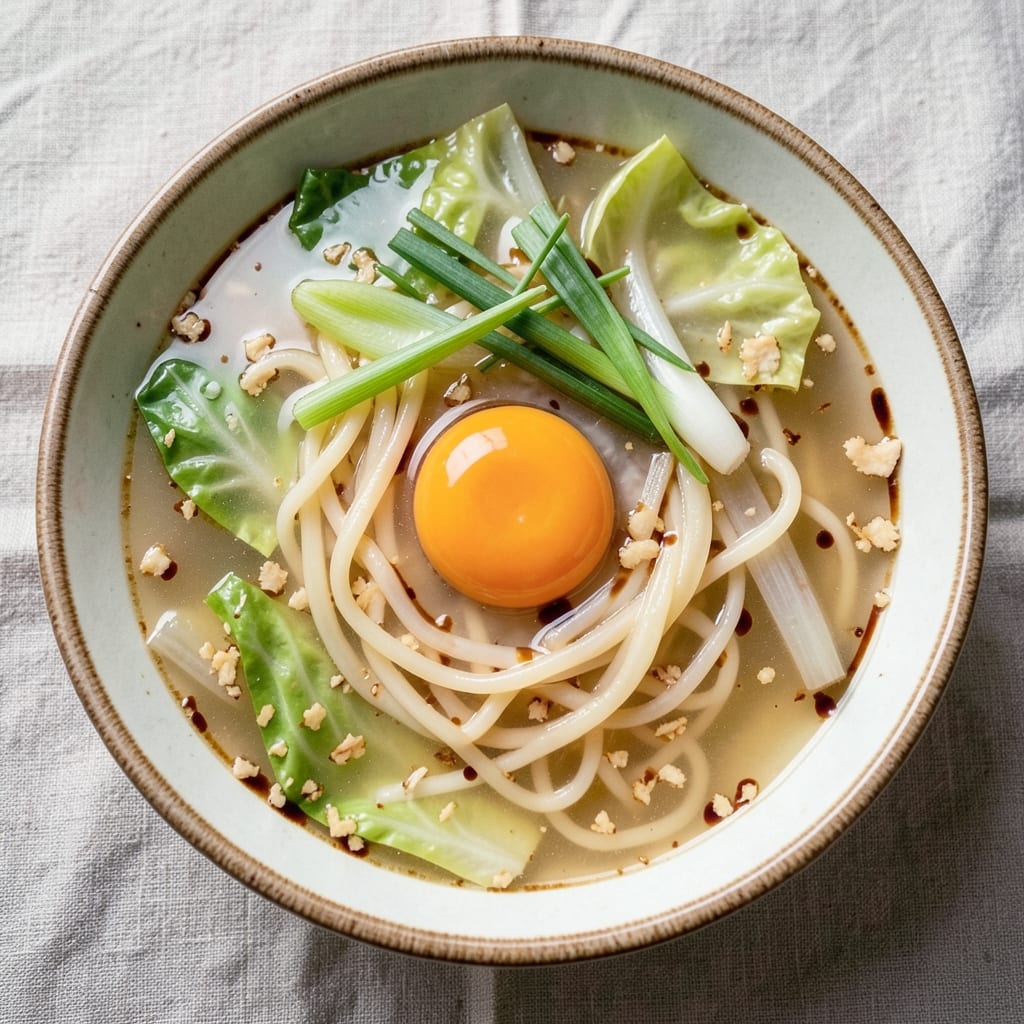
This cabbage egg drop soup recipe delivers the perfect balance of delicate flavors and comforting textures—where tender cabbage leaves float in a silky broth, crowned with ribbons of perfectly cooked egg. The secret lies in the slow-simmered broth and the gentle folding technique that creates those signature yolk streaks, transforming a simple soup into a restaurant-worthy dish. I've refined this recipe over years of testing, ensuring every spoonful is packed with umami without being overpowering.
The foundation starts with a light, aromatic broth that's built layer by layer—ginger and scallions provide the base, while a splash of soy sauce and chicken stock deepen the flavor without heaviness. What sets this apart is the cabbage preparation: thinly sliced leaves that soften just enough to add texture without losing their subtle crunch. The egg, whisked to perfection, is drizzled in slowly to create those elegant ribbons that swirl through the broth.
By the time you're done, you'll have a bowl of soup that's both visually stunning and deeply satisfying—each sip delivers tender cabbage, delicate egg ribbons, and a broth that's rich yet light enough to let the ingredients shine. The technique is approachable, but the result feels like a special occasion meal you can make at home. This is comfort food at its finest, where every element works together in perfect harmony.
Whether you're serving it as a light lunch or a soothing dinner, this soup adapts beautifully. For added depth, consider finishing with a sprinkle of scallions or a dash of chili oil. The beauty of this recipe lies in its simplicity—just a few ingredients that come together to create something truly special. Let's get started on making this comforting classic.
Ingredients for cabbage egg drop soup
Light broth, tender cabbage, and silky egg ribbons—just eight ingredients for restaurant-quality comfort.
| Ingredient | Amount | Notes |
|---|---|---|
| Green Cabbage 🥬 | 4 cups | Thinly sliced leaves, core removed |
| Large Eggs 🥚 | 4 whole | Fresh, room temperature |
| Chicken Stock 💧 | 4 cups | Low-sodium preferred |
| Fresh Ginger 🧄 | 1 tbsp | Finely grated, peeled |
| Green Onions 🧅 | 3 whole | Thinly sliced, white and green parts |
| Soy Sauce 🍶 | 1 tbsp | Light or regular |
| Sesame Oil 🫒 | ½ tbsp | For finishing, optional |
| Vegetable Oil 🫒 | 1 tbsp | For swirling egg |
| Cornstarch 🌾 | 1 tsp | Dissolved in 1 tbsp water |
| Salt 🧂 | ½ tsp | Adjust to taste |
| White Pepper 🌶️ | ¼ tsp | Freshly ground |
The cabbage is non-negotiable here—look for firm, crisp heads with no yellowing. Trader Joe's or Whole Foods carry the freshest cuts, but any grocery store will do. Remove the core and slice leaves thinly—almost translucent—using a sharp knife or mandoline. Fresh ginger matters too; Penzeys or the bulk section at natural markets have the best quality. The chicken stock should be low-sodium to let the other flavors shine, and Swanson or Pacific Foods are reliable brands. For the eggs, room temperature is key—they'll whisk smoother and create those signature ribbons.
No chicken stock? Vegetable broth with a splash of coconut aminos works beautifully. Fresh ginger too strong? Ground ginger at half the amount is a decent swap, though it lacks the same depth. The cornstarch slurry is optional but helps thicken the broth slightly—skip it if you prefer a lighter consistency. For the egg, pasteurized eggs are a great alternative if you're concerned about raw egg safety. And if you're feeling adventurous, a dash of chili oil at the end adds a smoky kick without overpowering the delicate flavors.
Store prepped cabbage in an airtight container with a damp paper towel for up to 3 days—it keeps its crunch longer that way. The broth base can be made ahead and reheated gently; just add fresh cabbage and eggs when serving. Leftover soup reheats well but loses some of its silky texture—best enjoyed fresh. For extra convenience, pre-chop your cabbage and store it separately, then assemble everything just before serving. The eggs should be whisked last minute to prevent overcooking.
Why You'll Love This Recipe
- No-Fuss Freshness: I swear by this when I’m too tired to chop much. Thinly slicing cabbage takes two minutes—no mandoline needed—and the ginger just needs a quick grating. That’s it. The stock simmers while I’m stirring, and suddenly, dinner’s ready.
- Silky Egg Magic: Between us, that first poached egg sliding into the broth? Pure satisfaction. The cabbage softens just enough to soak up the stock, but the egg stays shockingly tender—no rubbery bits here. Top it with a crack of black pepper, and it’s chef’s kiss.
- Leftovers That Shine: This soup actually improves the next day. The flavors meld deeper, and I can turn it into a quick stir-fry by tossing in leftover rice or noodles. Honestly, I make a double batch on Sundays just so I don’t have to think about cooking for lunch.
- Pocketbook Hero: Green cabbage and eggs stretch this recipe into a full meal without breaking the bank. A head of cabbage lasts weeks, and eggs are always affordable. Plus, the ginger and onions add brightness without costing a fortune—just a few cents’ worth of flavor per bowl.
Step-by-step instructions for cabbage egg drop soup
This method delivers restaurant-quality silkiness with perfectly swirled yolks and tender cabbage.
Prepare the Broth Base
Combine the 4 cups chicken stock with the 1 tablespoon finely grated fresh ginger in a clean stockpot. Bring to a gentle boil over medium-high heat, then immediately reduce to a simmer. You'll want to maintain a steady, rolling simmer—not a vigorous boil—that keeps the broth clear and the cabbage from overcooking.
Add the 0.5 teaspoon salt and 0.25 teaspoon white pepper to the simmering broth. Taste and adjust seasoning—this is your flavor foundation. The broth should taste clean and slightly savory, with just a hint of ginger's zing. Let it simmer uncovered for 5 minutes to allow the ginger's essential oils to infuse fully into the liquid.
Cook the Cabbage Until Tender-Crisp
Add the 4 cups thinly sliced green cabbage to the simmering broth. Stir gently to distribute evenly. The cabbage should cook for 3-4 minutes until it reaches tender-crisp perfection—bright green with just a slight bite remaining. Overcooking will turn it limp and watery, which ruins the soup's texture.
I like to use a pair of tongs to gently press down on the cabbage pieces during the last minute of cooking. This ensures even cooking without breaking the leaves. The cabbage should be bright green and just beginning to soften at the edges—you want it to hold its shape but yield slightly when pressed with chopsticks.
Prepare the Egg Swirl Mixture
In a small bowl, whisk together the 4 whole large eggs until the yolks and whites are completely combined. Add the 1 tablespoon soy sauce and 1 tablespoon vegetable oil to the egg mixture. This combination creates the perfect balance of savory depth and silky texture in the finished soup.
In a separate small bowl, dissolve the 1 teaspoon cornstarch in 1 tablespoon cold water. This slurry will help thicken the broth slightly as the egg swirls through it. The cornstarch mixture should be completely smooth—no lumps—so whisk vigorously for 30 seconds before setting it aside.
Create the Signature Egg Swirls
Remove the stockpot from heat and let the broth sit for 1 minute to allow the cabbage to settle slightly. This brief pause prevents the hot broth from immediately cooking the egg mixture too quickly when you add it.
Slowly pour the egg mixture in a thin stream over the back of a spoon while stirring the broth gently but continuously in one direction. This technique creates those signature silky ribbons of egg that swirl through the soup. The motion should be steady and deliberate—don't rush it. The egg will begin to thicken almost immediately as it hits the hot broth.
Finish and Serve Immediately
Return the pot to low heat and stir in the cornstarch slurry. Let it simmer for 30 seconds until the broth thickens just slightly—it should coat the back of a spoon but remain light and silky, not gluey. This final step ensures the soup has body without being heavy.
Divide the soup among bowls and garnish with the 3 whole green onions, sliced thinly. Drizzle with the 0.5 tablespoon sesame oil just before serving for an aromatic finish. Serve immediately while the egg swirls are still visible and the broth is piping hot—this soup doesn't wait!
Pro Tips For Making Cabbage Egg Drop Soup
- SHRED CABBAGE THIN: Use a sharp knife and cut the cabbage into paper-thin strips—no thicker than 1/8 inch. Thick slices turn mushy; thin ones soften just enough to melt into the broth without falling apart. (Yes, it takes a few extra minutes, but your soup won’t turn into a sad, watery stew.)
- SIMMER STOCK LOW: Keep the chicken stock at a gentle simmer, not a rolling boil, once the cabbage is added. A hard boil will cook the cabbage into oblivion and make it taste like wallpaper paste. Low heat preserves texture and lets the flavors marry properly.
- BEAT EGGS WELL: Whisk the eggs until no streaks remain—this isn’t a scramble, it’s a delicate ribbon. If you rush it, the eggs will clump into rubbery blobs instead of silky strands. (Pro move: Add a splash of warm stock to the beaten eggs before dropping them in.)
- GINGER JUICE MATTERS: Grate the ginger fresh and squeeze out the excess liquid with your hands—it’s bitter otherwise. A teaspoon of that juice (not the whole knob) is enough to brighten the broth without overpowering. (Save the grated ginger for garnish if you’re feeling fancy.)
Best sauces and condiments for this cabbage egg drop soup
Classic Soy Sauce Finish
The signature flavor in this soup comes from the 1 tablespoon soy sauce mixed into the egg before swirling. This creates a subtle umami depth that complements the cabbage's natural sweetness. For extra richness, use Japanese light soy sauce like Kikkoman—it has a cleaner profile that won't overpower the delicate broth. If you prefer a deeper color, a ½ teaspoon of dark soy sauce mixed in will give beautiful visual contrast while adding complexity. 🍶
Sesame Oil Garnish
The finishing touch is ½ tablespoon sesame oil drizzled just before serving. This adds an aromatic, nutty dimension that elevates the soup from simple to restaurant-worthy. I recommend toasted sesame oil from La Choy—it has a more intense flavor than regular. For a lighter option, reduce to ¼ teaspoon and add a pinch of white sesame seeds for crunch. Always drizzle at the table so the oil remains fragrant and doesn't cook off.
Spicy Chili Oil Twist
For heat lovers, finish with ½ teaspoon chili oil (like Lao Gan Ma) mixed with ¼ teaspoon sesame oil. The smoky-spicy kick cuts through the soup's richness beautifully. Start with less—chili oil can be intense—and adjust to taste. For a milder version, use gochujang (Korean chili paste) at ¼ teaspoon mixed with a splash of broth. This adds sweet-spicy depth without overwhelming the cabbage's delicate flavor. 🌶️
Umami Boost with Mushrooms
For an extra layer of savory depth, sauté ½ cup shiitake mushrooms (sliced) in 1 teaspoon vegetable oil until golden before adding to the broth. Their meaty texture and earthy flavor enhance the cabbage's natural sweetness. For convenience, use dried shiitake soaked in warm water—they rehydrate quickly and pack more concentrated umami. Add them with the cabbage and simmer for 2 minutes before the egg swirl.
Creamy Coconut Touch
For a modern twist, stir in 1 tablespoon coconut milk (full-fat) with the cornstarch slurry. This adds a velvety texture that balances the broth's lightness. I like Thai Kitchen coconut milk for its clean flavor. For a richer version, use ½ teaspoon coconut cream instead. This works especially well if you're using vegetable broth—it adds a subtle tropical note that pairs surprisingly well with the cabbage's earthiness.
Herb-Infused Broth
Elevate the broth by infusing it with 1 sprig fresh cilantro and 1 sprig fresh basil while simmering. Remove them before adding cabbage to avoid bitterness. The herbs add a bright, fresh dimension that cuts through the richness. For a different profile, try thyme or tarragon—both add aromatic complexity. If using dried herbs, reduce to ½ teaspoon and steep for 5 minutes before removing.
Nutrition facts
Frequently asked questions
Can I make this soup without chicken stock?
Use 4 cups vegetable broth instead, then add 1 teaspoon soy sauce and ½ teaspoon coconut aminos to deepen the umami. For extra richness, stir in 1 tablespoon coconut milk with the cornstarch slurry. The texture stays light while the flavors remain balanced.
How do I get the perfect egg ribbons?
Whisk the eggs until completely smooth, then pour them in a thin, steady stream over the back of a spoon while stirring the broth in one direction. Keep the heat at a gentle simmer—not boiling—and stir continuously for 30 seconds after adding the eggs. The key is patience and steady motion!
Can I prep ingredients ahead of time?
Yes! Store the thinly sliced cabbage in an airtight container with a damp paper towel for up to 3 days. Make the broth base ahead and reheat gently before adding fresh cabbage. Whisk the eggs last minute to prevent overcooking. The sesame oil should be added fresh at serving for maximum aroma.
What if my cabbage turns mushy?
This happens when overcooked—cabbage should cook for only 3-4 minutes until tender-crisp. Remove it from heat immediately when bright green and slightly yielding. For extra insurance, use a larger pot to prevent overcrowding, which traps steam and softens the leaves too quickly.
Can I add other vegetables?
Light additions work best! Try ½ cup shiitake mushrooms (sautéed first) or ½ cup bok choy (added with cabbage). Avoid dense veggies like carrots—they'll overcook. For color, add ¼ cup red bell pepper strips (cook for 2 minutes only). Always adjust cooking times to maintain tender-crisp texture.