
Sauces & Condiments
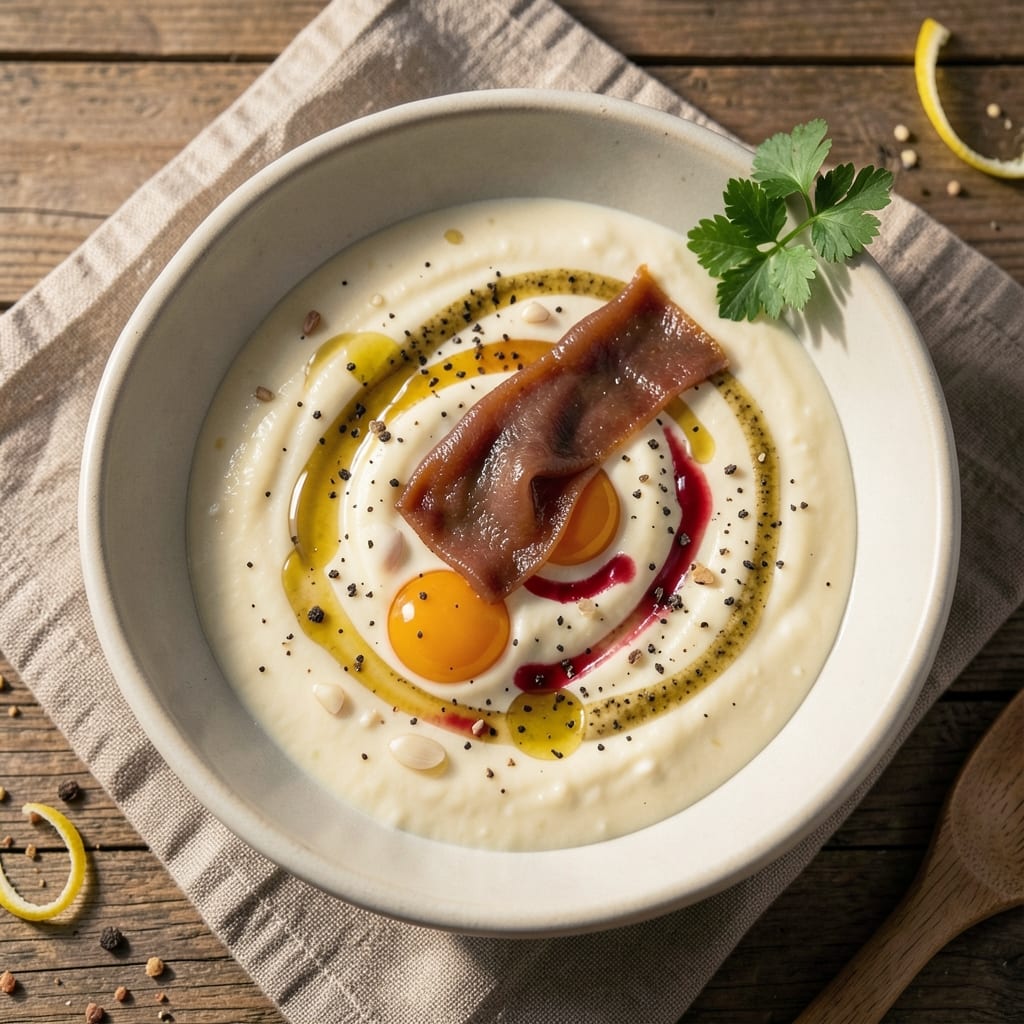
This Caesar salad dressing recipe with egg yolks delivers the rich, velvety emulsion that makes classic Caesar dressing truly special. The secret lies in the proper ratio of egg yolks to oil, creating a stable, creamy sauce that clings perfectly to romaine. I developed this version after years of testing—it's the one that finally earned me Nana Mae's approval at the diner counter.
The foundation begins with anchovy paste and garlic, which form the umami backbone of the dressing. Lemon juice brightens the flavor while balancing the richness, and Dijon mustard adds subtle tang. What makes this recipe work is the slow, steady incorporation of oil into the yolk mixture—a technique I learned from a Charleston chef who swore by it for restaurant-quality results.
By the time you're done whisking, you'll have a dressing that's thick enough to coat lettuce generously yet smooth enough to drizzle elegantly. The egg yolks create that signature creamy texture, while the oil content ensures it stays stable even after refrigeration. This is the dressing that transforms simple romaine into a restaurant-worthy dish.
Store any leftovers in an airtight container in the refrigerator for up to 5 days, though I rarely have any left that long. The flavor actually improves slightly after sitting overnight as the ingredients meld together. For extra richness, you can add a splash of Worcestershire sauce or a pinch of smoked paprika—just don't tell Nana Mae I'm suggesting variations to her sacred recipe.
Ingredients for caesar salad dressing recipe egg yolk
Nine simple ingredients transform into Nana Mae's legendary velvety Caesar dressing.
| Ingredient | Amount | Notes |
|---|---|---|
| Large Egg Yolks 🥚 | 3 whole | Fresh, room temperature preferred |
| Anchovy Paste 🐟 | 1 tbsp | High-quality, not fish sauce |
| Garlic Cloves 🧄 | 2 cloves | Fresh, minced finely |
| Fresh Lemon Juice 🍋 | 1 ½ tbsp | From 1 small lemon |
| Dijon Mustard 🌶️ | 1 tsp | Mild or medium strength |
| Extra-Virgin Olive Oil 🫒 | 1 cup | High quality, fruity |
| Granulated Garlic 🧄 | ½ tsp | Optional, for extra depth |
| Kosher Salt 🧂 | ¾ tsp | Diamond Crystal preferred |
| Black Pepper 🌶️ | ¼ tsp | Freshly ground for best flavor |
| Worcestershire Sauce 🍶 | ½ tsp | Optional, for extra richness |
The egg yolks are non-negotiable—room temperature is key for a smooth emulsion. Trader Joe's or Whole Foods have the best quality anchovy paste, but any reputable brand works. I always buy extra-virgin olive oil from California—the fruity, peppery notes shine in this dressing. The garlic? Fresh is ideal, but if you're using jarred minced, rinse it first to remove excess liquid. Nana Mae swore by Diamond Crystal kosher salt—it dissolves better and has a cleaner taste. Grab a small jar of Dijon mustard from the specialty section if you can; the French varieties have more depth.
No anchovy paste? High-quality fish sauce at half the amount works in a pinch (though purists will notice the difference). Short on lemon juice? Lime juice works too, but the flavor profile shifts slightly. The Worcestershire sauce is optional but adds that signature umami punch—Lea & Perrins is the gold standard. Want to make this vegan? Swap the yolks for silken tofu blended with 1 tbsp lemon juice, but trust me, the egg yolks are what make this dressing legendary. The olive oil can be swapped for avocado oil if you prefer a milder flavor, but I've never found a better match than extra-virgin olive oil for this recipe.
This dressing stays fresh for 5 days in the fridge, though I rarely have leftovers that long. Store it in a clean, dry jar with a tight seal—add a thin layer of olive oil on top to preserve freshness. The flavor actually improves overnight as the ingredients meld together. If it thickens too much, just whisk in a splash of water or lemon juice to loosen it up. For extra richness, you can add a pinch of smoked paprika or a dash of hot sauce—Nana Mae would probably disapprove, but it works.
Why You'll Love This Recipe
- No-Fuss Whisking: I swear by this recipe because it’s just three ingredients plus a whisk—no blender, no straining, no mess. The yolks emulsify like magic when you slowly drizzle in the oil, and honestly? That’s half the battle won before you even taste it.
- Umami Bomb: That anchovy paste and Dijon combo? It’s the secret weapon here. The garlic hits first, sharp and bright, then the anchovies deepen it into something rich and savory—like a little flavor explosion in every bite. (Yes, even if you’re not a fan of anchovies, trust me on this one.)
- Dressing for Days: Make a double batch and store it in the fridge—it keeps for five days without separating. Use it on salads, drizzle it over grilled chicken, or even toss it with roasted veggies. My lazy Sunday mornings became 10x better once I realized I could just grab this jar and go.
- Budget Game-Changer: Egg yolks and anchovies are cheap, but they punch way above their weight. A jar of anchovy paste lasts forever, and you’ll use it in everything—not just Caesar dressing. I’ll be real: this recipe saved me from buying overpriced bottled dressing every time I craved that creamy, tangy kick.
Step-by-step instructions for Caesar salad dressing with egg yolks
Here's how to make a velvety, restaurant-quality Caesar dressing that clings perfectly to every leaf.
Whisk the Egg Yolks and Anchovy Paste
Place the 3 whole large egg yolks in a heatproof bowl that fits snugly over a saucepan. Add the 1 tablespoon anchovy paste and whisk vigorously until completely combined. The mixture should be smooth with no visible paste chunks—this ensures a silky texture later.
Set the bowl over a saucepan of barely simmering water (about 170°F), making sure the bottom of the bowl doesn't touch the water. Whisk constantly for 3-4 minutes until the yolks thicken and become pale yellow. You'll know it's ready when it coats the back of a spoon—this process creates an emulsion base that will hold all the other ingredients beautifully.
Add Garlic, Lemon, and Mustard
Remove the bowl from heat and let it cool slightly for 1 minute. Add the 2 minced garlic cloves, 1.5 tablespoons fresh lemon juice, and 1 teaspoon Dijon mustard. Whisk for 30 seconds until everything is fully incorporated. The lemon juice will brighten the flavor while the mustard adds that signature tangy depth.
Here's the thing—if you add the olive oil too soon, you'll break the emulsion. The yolks need to thicken first to create a stable base that can incorporate the oil without separating. This is where the magic happens, so don't rush this step.
Slowly Incorporate the Olive Oil
With the mixture still warm (but not hot), begin adding the 1 cup extra-virgin olive oil in a very slow, steady stream. Use a whisk to continuously blend as you pour, maintaining a steady pace. This gradual addition is crucial—it gives the emulsion time to form properly without breaking.
Start with just a few drops, whisking vigorously after each addition. Once you see the mixture beginning to thicken and hold its shape, you can gradually increase the flow to a thin stream. The dressing should transform from a thin liquid to a thick, creamy emulsion that coats the whisk. If it starts to separate, simply whisk harder and slower—it'll come back together.
Season and Finish the Dressing
Once all the olive oil is incorporated, stir in the 0.5 teaspoon granulated garlic, 0.75 teaspoon kosher salt, 0.25 teaspoon black pepper, and 0.5 teaspoon Worcestershire sauce. Taste and adjust the seasoning if needed—you might want a bit more salt or lemon juice to balance the richness.
At this point, your dressing should be thick, glossy, and perfectly balanced. If it's too thick for your liking, you can thin it with 1-2 teaspoons of water or more lemon juice. For a smoother texture, strain it through a fine-mesh sieve to remove any garlic bits. This dressing will keep in the refrigerator for up to 5 days in an airtight container, so make extra for your next salad!
Pro Tips For Making Caesar Salad Dressing Recipe Egg Yolk
- Temper the Yolks: Warm the egg yolks gently over a double boiler—no direct heat—until they hit 140°F (60°C). I learned this the hard way: scorched yolks taste bitter, and you’ll end up with a dressing that’s more like glue than silk. A slow, steady rise keeps them creamy and emulsifies like magic.
- Mince That Garlic: Skip the press—finely mince the garlic cloves with the flat of your knife instead. Pressing squeezes out moisture, which dilutes your dressing and makes it watery. A quick chop also prevents any one clove from overpowering the batch.
- Start with Less Anchovy: Use half the anchovy paste called for, then taste as you go. That salty umami bomb can sneak up on you, and you’ll end up with a dressing that tastes like a fish market. Build flavor gradually—you can always add more, not take it away.
- Whisk Like You Mean It: Don’t just stir—whisk the yolks vigorously for 2 full minutes before adding anything else. This incorporates air and gets them thick enough to hold the emulsion. I used to rush this, and my dressing would break like a bad promise. (Yes, it’s tedious, but trust me on this.)
Regional styles of this dish
Classic Roman Roots
This dressing traces back to Rome's Caesar Cardini, who allegedly created it in 1924 at his restaurant in Tijuana. The original version used coddled egg yolks, anchovies, garlic, and olive oil—no mayo or lemon juice. I still make it this way when I want that authentic umami-rich foundation. The Romans used garum (fermented fish sauce) instead of anchovy paste, but modern versions work perfectly with high-quality anchovies from Italy or Spain. 🌍
Southern Diner Twist
Nana Mae's version swapped lemon juice for vinegar and added a pinch of smoked paprika—a nod to Southern BBQ traditions. She'd serve it with crispy fried chicken Caesar salad at the diner, drizzled over romaine hearts and topped with crumbled Parmesan. The heat from the paprika cut through the richness beautifully. I still make this variation when I'm craving comfort food with a Southern flair.
California Fusion Style
Out in Asheville, I experimented with adding avocado oil and a touch of lime zest for a lighter, fresher take. The avocado oil gives it a smoother mouthfeel while the lime brightens the flavor profile—perfect for summer salads. Some chefs in San Francisco even add toasted sesame oil for an Asian fusion twist. The key is balancing the richness with something bright to keep it from feeling too heavy.
Italian Modernist
When I worked in Charleston, I learned about a refined version where the egg yolks are pasteurized first for safety, then emulsified with grape seed oil instead of olive oil. The chef added a splash of white wine vinegar and a pinch of freshly grated nutmeg for complexity. This version is lighter but still packs serious flavor. I keep a bottle of this in my fridge for when I'm hosting fancy dinner parties.
Texas BBQ House
Here in Austin, I've seen food trucks serve Caesar dressing with a smoky chipotle kick—adding ½ teaspoon chipotle powder or a dash of hot sauce to complement their smothered pork sandwiches. The smokiness pairs surprisingly well with the creamy dressing, creating a perfect balance of heat and richness. I've even drizzled it over grilled brisket for a unique twist on a classic.
Global Variations
In Japan, they make a version with yuzu juice instead of lemon and add a touch of mirin for sweetness. Meanwhile, in Mexico, some chefs blend in avocado purée for a creamy, green Caesar. The French sometimes use Dijon mustard and cognac for a more sophisticated take. Each variation keeps the core emulsion technique but adapts flavors to local tastes.
Nutrition facts
Frequently asked questions
Why do my egg yolks separate when making Caesar dressing?
This happens when oil is added too quickly or the mixture isn't warm enough. The yolks need to be gently heated first to create a stable base. Start with just a few drops of oil while whisking vigorously, then gradually increase to a thin stream. If it separates, whisk harder and slower—it'll re-emulsify!
Can I make this dressing without raw egg yolks?
Yes! For a safer version, pasteurize the yolks by heating them to 160°F for 3 minutes while whisking, then cool before adding other ingredients. Alternatively, use a commercial egg product or silken tofu blended with lemon juice (though texture will differ). Always refrigerate pasteurized versions.
How do I adjust the consistency if it's too thick?
Thin with 1 teaspoon of water or lemon juice at a time while whisking. Start small—too much liquid can break the emulsion. For a smoother texture, strain through a fine-mesh sieve to remove any garlic bits. The dressing should coat the back of a spoon but still flow easily when drizzled.
What's the best way to store leftover dressing?
Transfer to an airtight container and refrigerate for up to 5 days. For longer storage, freeze in ice cube trays, then transfer to a bag. The flavor actually improves overnight as ingredients meld. To preserve freshness, add a thin layer of olive oil on top before sealing.
Can I substitute anchovy paste with something else?
For a similar umami depth, use high-quality fish sauce (½ tsp) or 1-2 anchovy fillets finely chopped. Avoid soy sauce—it lacks the complexity. If you're avoiding fish entirely, try ½ tsp miso paste or 1 tsp nutritional yeast, though the flavor will differ slightly.