
Breakfast & Brunch
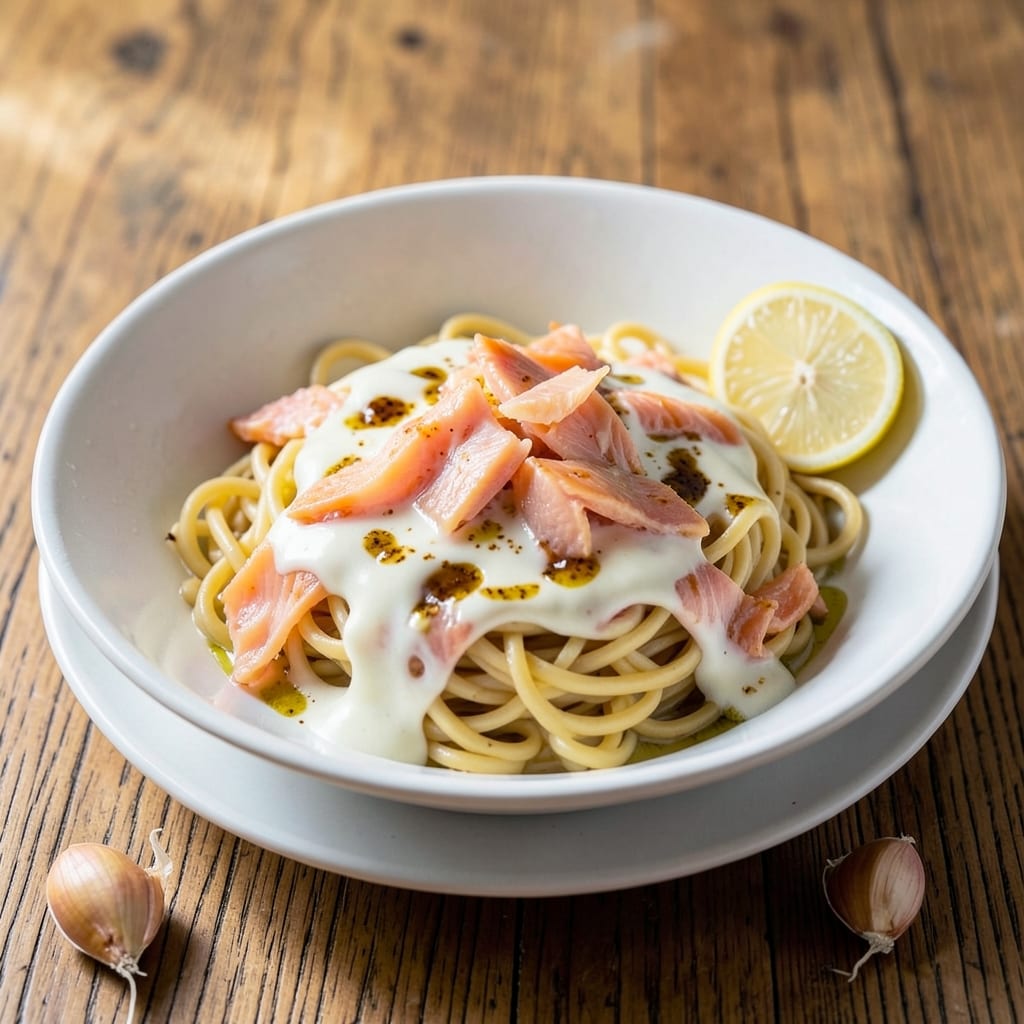
This canned salmon and egg noodles recipe transforms pantry staples into a surprisingly rich, creamy dish that comes together in just 20 minutes. The smoky-sweet flavor of canned salmon blends perfectly with tender egg noodles and a velvety sauce, creating a satisfying meal that feels restaurant-worthy without the fuss. What makes this recipe work is the balance of textures—soft noodles, flaky salmon, and a sauce that's both silky and slightly tangy from a splash of lemon.
The beauty of this dish lies in its simplicity: no fancy ingredients, no complicated techniques, just a few key steps that deliver maximum flavor. You'll start by cooking the egg noodles until al dente, then heat the salmon with a touch of cream and Dijon mustard to create that signature creamy texture. The result is a hearty, protein-packed meal that's perfect for breakfast, lunch, or a quick dinner when you're craving something comforting but don't want to spend hours in the kitchen.
What you'll end up with is a dish that's creamy yet light, savory with just the right amount of brightness, and packed with protein from the salmon. The egg noodles soak up the flavorful sauce, making every bite satisfying, while the salmon adds a satisfying flakiness that contrasts beautifully with the tender pasta. This recipe is also incredibly versatile—you can customize it with fresh herbs, a sprinkle of cheese, or a dash of hot sauce to suit your taste.
The best part? It's ready in under 20 minutes, making it ideal for busy weeknights or when you're short on time but still want a meal that feels special. Whether you're feeding yourself or a small crowd, this dish delivers big on flavor without the complicated steps. Let's get cooking!
Ingredients for canned salmon and egg noodles
Pantry staples meet protein power—creamy, smoky, and ready in 20 minutes.
| Ingredient | Amount | Notes |
|---|---|---|
| Egg Noodles 🍝 | 8 oz | Dried, medium width preferred |
| Canned Salmon 🐟 | 14 ¾ oz | With bones, drained |
| Heavy Cream 🥛 | ½ cup | Full-fat for creaminess |
| Dijon Mustard 🍯 | 1 tbsp | For tangy depth |
| Lemon Juice 🍋 | 1 ½ tbsp | Freshly squeezed |
| Garlic Cloves 🧄 | 2 cloves | Minced for aroma |
| Fresh Dill 🌿 | ¼ cup | Chopped, optional garnish |
| Butter 🧈 | 2 tbsp | Unsalted, for richness |
| Salt 🧂 | ½ tsp | Kosher or sea salt |
| Black Pepper 🌶️ | ¼ tsp | Freshly ground |
| Red Pepper Flakes 🌶️ | ¼ tsp | Optional for heat |
| Green Onions 🧅 | 2 whole | Sliced, for garnish |
| Olive Oil 🫒 | 1 tbsp | For cooking noodles |
The salmon is the star here—Wild Planet or Vital Choice brands have the best flavor and texture. Look for cans with bones (those little fishy bits add calcium and flavor). If your canned salmon smells fishy or tastes overly salty, it's past its prime. Trader Joe's usually has great options, but any reputable grocery store's seafood section will work. The egg noodles? Barilla or De Cecco are my go-to—they hold up better to the creamy sauce than cheaper brands. Pro tip: if you can't find egg noodles, sub with any pasta, but egg noodles give that signature richness.
No heavy cream? Full-fat coconut milk or Greek yogurt works in a pinch, but the texture won't be quite as silky. Dijon mustard is non-negotiable for that tangy kick—Maille is my favorite, but any good brand does. Fresh dill is ideal, but dried dill at one-third the amount gets you close. The salmon bones? Don't toss them—crush a few with a fork and stir them into the sauce for extra umami. Want more depth? Add a splash of fish sauce or soy sauce (just half a teaspoon). The green onions can be subbed with chives if that's what you've got.
This dish reheats beautifully—just add a splash of water or milk to loosen the sauce. Keeps for 3 days in the fridge, or 1 month frozen (portion into containers first). The flavor actually improves overnight as everything melds. For meal prep, I double the recipe and freeze half. When you're ready to eat, just reheat with a splash of water or milk and a few seconds in the microwave. The leftovers taste even better the next day—trust me on that.
Why You'll Love This Recipe
- Pantry-to-Table Magic: I swear by this recipe when I’m staring at my fridge at 6:30pm with nothing but a can of salmon and a bag of noodles. No chopping, no waiting for fish to thaw—just open, drain, mix, and boom, dinner’s ready. The heavy cream and Dijon mustard do all the heavy lifting while you’re still deciding what to watch on TV.
- Creamy Tangy Dream: That first bite? It’s like someone took all the best parts of a fancy salmon dish and distilled them into one simple bowl. The lemon juice cuts through the richness of the heavy cream, while the Dijon mustard adds this just-right sharpness that makes every forkful feel special. Not fussy, not boring—just ridiculously good.
- Lunchbox Hero: Between us, this is my go-to for meal prep because it reheats like a champ and doesn’t turn mushy. Pack it cold for lunch or warm it up for dinner, and it’s still the star. Honestly, even my picky-eating teen asks for seconds—though she’ll never admit it’s “healthy” (we call it “salmon in disguise”).
- Budget-Friendly Luxe: You’re getting restaurant-quality flavors without breaking the bank. A single can of salmon stretches across two meals, and the heavy cream adds that velvety touch without requiring a specialty ingredient. It’s my secret weapon for feeding the family well when grocery money’s tight—but still feeling like you’re treating yourself.
Step-by-step instructions for canned salmon and egg noodles
Here's how to create this creamy, smoky salmon noodle dish in under 20 minutes.
Cook the Egg Noodles Al Dente
Bring a large pot of water to a rolling boil and add 8 oz egg noodles. Cook according to package instructions, but start checking for doneness at 8 minutes. You want them al dente—just slightly firm to the bite. Before draining, reserve ½ cup of the starchy pasta water. This liquid is crucial for creating a silky sauce later.
Drain the noodles in a colander and return them to the pot. Give them a quick toss with 1 tablespoon olive oil to prevent sticking. The oil also helps create a smooth texture when combined with the other ingredients. Keep the pot off the heat for now—we'll be adding everything to it next.
Create the Creamy Salmon Sauce
In a medium bowl, combine the 14.75 oz canned salmon (with bones), 0.5 cup heavy cream, 1 tablespoon Dijon mustard, 1.5 tablespoons lemon juice, 2 cloves minced garlic, 0.25 cup chopped fresh dill, and 2 tablespoons butter. Mash the salmon with a fork until you achieve a chunky but smooth consistency—the bones add calcium for creaminess.
Season with 0.5 teaspoon salt, 0.25 teaspoon black pepper, and 0.25 teaspoon red pepper flakes if you like a little heat. The lemon juice brightens the dish while the mustard adds depth. Stir well to fully incorporate all ingredients—this is where the magic happens for that creamy, tangy flavor profile.
Combine Everything for Perfect Texture
Pour the salmon mixture over the warm noodles in the pot. Add 1-2 tablespoons of the reserved pasta water and gently fold everything together with a wooden spoon. The pasta water helps emulsify the sauce, creating that luscious, creamy texture we're after. If the mixture looks too thick, add more pasta water 1 tablespoon at a time until it reaches your desired consistency.
Taste and adjust seasoning if needed—you might want to add a pinch more salt or lemon juice. The sauce should coat the noodles beautifully, with visible chunks of salmon throughout. Here's the thing—don't overmix or you'll break up the salmon too much. We want some texture in every bite.
Garnish and Serve Immediately
Transfer the salmon noodles to serving bowls. Garnish each portion with 2 sliced green onions and an additional sprinkle of chopped fresh dill if desired. The green onions add a fresh, bright contrast to the rich salmon flavor. Serve immediately while the noodles are hot and the sauce is at its creamiest.
This dish tastes even better the second day, but the texture won't be quite the same. The sauce will thicken slightly as it cools, so if you're reheating leftovers, add a splash of milk or pasta water to restore the creamy consistency. Pair with a simple green salad or crusty bread to complete the meal.
Pro Tips For Making Canned Salmon And Egg Noodles
- Drain and rinse the salmon: Open that can and dump the salmon straight into a colander—don’t just pour off the liquid. The oil in the can is fine, but the brine can turn your creamy sauce thin and watery. A quick rinse under cold water removes the excess salt while keeping the flakes intact. (Yes, even if you’re impatient like me.)
- Cook noodles al dente, then shock: Egg noodles go from perfect to mushy fast. Pull them out when they’re still slightly firm—about 30 seconds before package time—and plunge them into ice water. This stops the cooking and keeps them from turning into glue when you mix in the cold salmon later. Pro move: Reserve a cup of pasta water too—it’s your backup for thinning the sauce if needed.
- Warm the cream first: Cold heavy cream in a hot pan? That’s a surefire way to get a scrambled-egg texture instead of a silky sauce. Gently heat the cream in a separate saucepan until it’s just warm to the touch—about 110°F (43°C)—before adding it to the pan. This ensures your sauce emulsifies smoothly and doesn’t curdle when you stir in the Dijon and lemon.
- Add lemon juice last: I used to mix in the lemon juice early, thinking it would brighten the flavors sooner. Wrong. Acid breaks down proteins and can make the salmon flakes turn rubbery. Toss it in at the very end—right after the cream—and let it sit for 30 seconds before serving. Your salmon will stay tender, and the tang will pop without overworking the dish.
Wine and beer pairings for this dish
Light White Wine
A crisp, dry white wine like Sauvignon Blanc or Pinot Grigio complements this dish perfectly by cutting through the richness of the salmon and cream sauce. Look for wines with citrus notes and a bright acidity—these will mirror the lemon juice in the recipe and refresh your palate. A New Zealand Sauvignon Blanc with its zesty grapefruit and herbal undertones is my go-to choice. Serve it slightly chilled (45-50°F) to enhance its refreshing qualities. 🍷
Crisp Lager Beer
For beer lovers, a light lager like Peroni or Heineken works beautifully with this dish. The subtle malt sweetness balances the tangy Dijon and lemon, while the crisp carbonation cleanses your palate between bites. If you prefer something with a bit more character, try a Belgian witbier like Hoegaarden—its coriander and orange peel notes add an interesting contrast to the creamy salmon. Keep the beer well-chilled (38-42°F) to maintain its crispness.
Rosé for Warm Days
When serving this dish outdoors or during warmer months, a dry rosé like Whispering Angel or Miraval adds a sophisticated touch. The delicate fruit flavors and medium acidity complement the creamy texture without overpowering it. Opt for a rosé with citrus and stone fruit notes to enhance the dish's brightness. Serve it slightly cooler than room temperature (50-55°F) to highlight its refreshing qualities.
Sparkling Wine for Special Occasions
For a celebratory twist, pair this dish with a dry sparkling wine like Prosecco or Cava. The effervescence and crisp acidity elevate the meal, making it feel extra special. Choose a brut-style Prosecco with its green apple and almond notes to complement the salmon's richness. Serve it well-chilled (45-50°F) to preserve its bubbles and refreshing character.
Non-Alcoholic Options
Don’t overlook non-alcoholic pairings! A sparkling apple cider like Martinelli’s or a ginger beer like Feather’s adds a refreshing contrast to the creamy dish. For something more sophisticated, try a sparkling water with lemon and mint—it’s light, crisp, and enhances the dish’s bright flavors without competing with them. Serve all non-alcoholic options ice-cold (35-40°F) for the best experience. 💧
Nutrition facts
Frequently asked questions
Why does this recipe use canned salmon instead of fresh?
Canned salmon brings convenience and rich flavor without the hassle of fresh fish prep. The bones add natural creaminess, while the smoky-sweet taste of quality brands like Wild Planet elevates the dish. Plus, it's budget-friendly and lasts months in your pantry!
Can I make this dish without heavy cream?
Swap heavy cream for ½ cup full-fat coconut milk or ½ cup Greek yogurt—though the texture will be slightly lighter. For extra richness, use ¼ cup cream cheese blended with ¼ cup milk. The sauce will still be delicious, just with a different mouthfeel.
How do I fix if the sauce turns out too thick?
Simply add 1 tablespoon reserved pasta water at a time while stirring gently. The starchy water acts like a natural emulsifier, restoring creaminess without thinning the flavor. If you run out, a splash of milk or water works too—just add gradually until smooth.
Is this recipe kid-friendly?
Most kids love it! Skip the red pepper flakes and reduce garlic to 1 clove for milder flavor. Serve with a side of buttered peas or steamed carrots. The creamy texture and familiar egg noodles make it a comforting meal they'll actually eat.
Can I use regular pasta instead of egg noodles?
Yes, but egg noodles are ideal—their higher fat content makes them richer and more flavorful. For a quick sub, try fettuccine or penne. Just add an extra 1 tablespoon butter** to the sauce to compensate for the lower fat content in regular pasta.