
Breakfast & Brunch
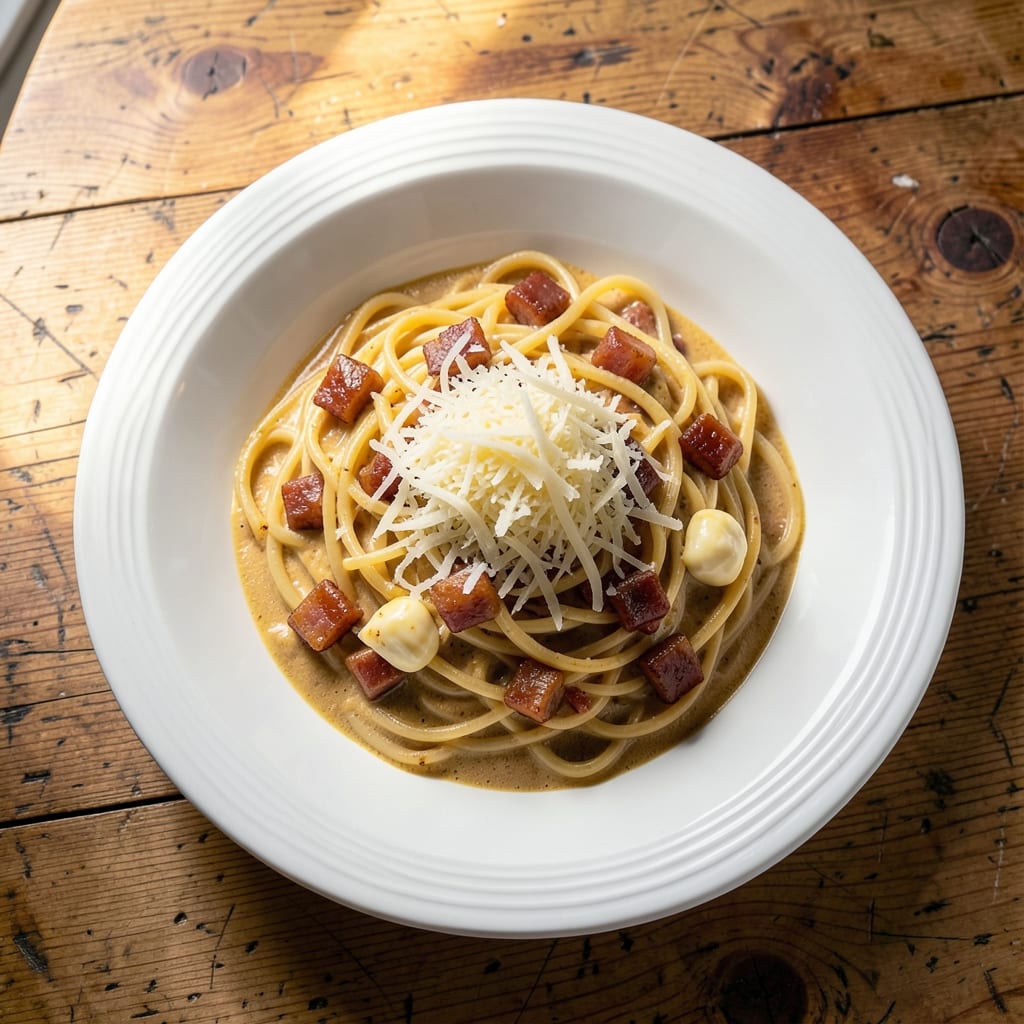
This egg and parmesan carbonara delivers restaurant-quality creaminess without a drop of heavy cream—just perfectly balanced eggs, aged parmesan, and crispy pancetta. The secret lies in tempering the eggs with starchy pasta water while off the heat, creating a silky sauce that clings to every strand of al dente spaghetti. I've perfected this technique after years of trial (and a few overcooked batches), and the result is a dish that's rich, velvety, and deeply satisfying.
The magic happens in three key stages: cooking the pasta just shy of al dente, rendering the pancetta until crisp, and combining everything at precisely the right temperature. No heavy cream means no separation, just pure egg-cheese sauce that's impossibly smooth yet still packed with savory depth. The aged parmesan adds nutty complexity, while the pancetta brings smoky, salty contrast that cuts through the richness.
What you'll end up with is carbonara that's creamy without being greasy, perfectly balanced in every bite. The pasta maintains its bite, the sauce coats each strand, and the crispy pancetta adds satisfying texture. This is the kind of dish that feels indulgent yet stays true to traditional Roman carbonara—no cream, no shortcuts, just pure, unadulterated flavor.
Serve immediately with extra parmesan and freshly cracked black pepper for that final restaurant touch. The technique might seem intimidating at first, but once you master the temperature control, you'll have a carbonara that rivals your favorite trattoria. Let's get started on creating this creamy masterpiece.
Ingredients for carbonara recipe egg and parmesan
Four eggs, aged Parmesan, and crispy pancetta create creamy carbonara without heavy cream.
| Ingredient | Amount | Notes |
|---|---|---|
| Spaghetti 🍝 | 12 oz | High-quality, dried, al dente preferred |
| Large Eggs 🥚 | 4 whole | Room temperature, fresh preferred |
| Parmesan Cheese 🧀 | 1 ½ cups | Aged 24+ months, freshly grated |
| Pancetta 🥓 | 6 oz | Diced small, crispy-rendered preferred |
| Unsalted Butter 🧈 | 2 tbsp | European-style, high smoke point |
| Garlic Cloves 🧄 | 2 cloves | Fresh, minced fine |
| Fresh Black Peppercorns 🌶️ | 1 tsp | Coarsely cracked, not ground |
| Diamond Crystal Kosher Salt 🧂 | 1 tsp | For pasta water, plus extra |
| Pasta Water 💧 | 2 cups | Reserved from cooking spaghetti |
The Parmesan is non-negotiable—aged 24+ months from a deli counter or specialty shop like Whole Foods makes all the difference. Look for blocks labeled 'Parmigiano-Reggiano' with no added fillers. Pancetta should be thick-cut for better texture—Trader Joe's carries great pre-diced options, but buy whole slices if you can dice them yourself. Fresh eggs are ideal, but room temperature is key (pop them in warm water for 5 minutes if straight from the fridge). The spaghetti? Bronze-die cuts like De Cecco or Barilla work best—they grip the sauce better. Skip pre-cooked pasta; fresh is essential for that perfect al dente bite.
No pancetta? Guanciale works perfectly, but bacon in a pinch (just drain it well). Short on Parmesan? Pecorino Romano at half the amount adds depth, though it's saltier. The butter is for finishing—don't skip it, but don't overdo it either. For the eggs, separate yolks and whites if you're nervous about curdling (whites first, yolks last). The pasta water is magic—save 2 cups of starchy water before draining. If you accidentally overcook the pasta, toss it with a splash of olive oil to prevent sticking while you fix the sauce. And for heaven's sake, don't use cream—that's the cardinal sin of carbonara.
Pasta water reheats beautifully—just warm it on the stove while you crisp the pancetta. Store leftover sauce in an airtight container for 2 days max (it separates when cold). For reheating, add a splash of fresh pasta water and stir gently over low heat. Pancetta keeps 5 days in the fridge if stored properly (in a sealed container). The eggs? Use them within 3 days for best results. Pro tip: Freeze Parmesan rinds—they're perfect for adding umami to soups later. This dish is all about freshness, so don't make it ahead unless you're serving it immediately.
Why You'll Love This Recipe
- No Fuss, Big Payoff: I swear by this—just toss pancetta in a pan, render the fat, then shatter eggs into the butter while the pasta cooks. The sauce comes together in minutes, no whisking, no straining, just pure, creamy magic.
- Rich Without the Guilt: That crispy pancetta crunch against the velvety egg-Parmesan sauce? It’s the kind of flavor that makes you forget it’s just five ingredients. Honestly, I’ll take this over any fancy "healthy" pasta dish—it’s satisfying without weighing you down.
- Weeknight or Weekend: Make it for a lazy Tuesday night or impress guests on Saturday—same recipe, different vibes. The pancetta adds depth, the eggs bind everything together, and the Parmesan? Always a crowd-pleaser. Even my picky teen doesn’t complain.
- Budget-Friendly Leftovers: Parmesan and eggs stretch this dish further than you’d think. A single batch feeds four, and the leftovers reheat beautifully—just a splash of water to loosen the sauce. My wallet and my freezer both thank me.
Step-by-step instructions for creamy egg and Parmesan carbonara
Here's how to make the ultimate carbonara—silky, rich, and perfectly balanced without heavy cream.
Cook the Pancetta Until Crispy
Heat a large skillet over medium heat and add the 6 oz diced pancetta. Cook undisturbed for 5-6 minutes until the fat renders and the pancetta becomes golden brown and crispy. Stir occasionally to prevent burning—this is where the deep, savory flavor develops.
Once crisp, remove the pancetta from the skillet with a slotted spoon, leaving the rendered fat behind. This fat is liquid gold—it forms the base of your sauce. If there's not enough fat (about ¼ cup), add 1 tablespoon of the unsalted butter to the pan to help emulsify the egg mixture later.
Prepare the Egg and Parmesan Mixture
In a medium bowl, whisk together the 4 whole large eggs, 1.5 cups freshly grated Parmesan cheese, and 1 teaspoon coarsely cracked black peppercorns until smooth. The mixture should be pale yellow and slightly thick—this ensures a creamy, not runny, sauce. Set this bowl aside near the stove.
Here's the thing—room-temperature eggs blend better, so if they're straight from the fridge, let them sit for 10 minutes before mixing. Also, don't skip the Parmesan's age; 24+ months makes all the difference in flavor and texture.
Cook the Spaghetti Al Dente
Bring a large pot of water to a rolling boil and add 1 teaspoon Diamond Crystal kosher salt (the water should taste like the sea). Add the 12 oz spaghetti and cook until 1 minute shy of al dente—this ensures perfect texture when finished in the sauce. Reserve 2 cups pasta water before draining.
Save that pasta water—it's the secret to a silky sauce. The starch in the water helps emulsify the egg mixture, preventing curdling. Drain the spaghetti but don't rinse; the surface starch is essential for the sauce to cling.
Combine Everything Off Heat (The Critical Step)
Remove the skillet with pancetta fat from heat and let it cool slightly for 1 minute. Add the drained spaghetti and toss to coat in the fat. Then, add ½ cup of the reserved pasta water and toss vigorously for 30 seconds—this preheats the pasta and loosens the sauce.
Now, here's where it gets delicate: add the egg and Parmesan mixture to the skillet and toss constantly for 1-2 minutes until the sauce thickens and coats the pasta. The pan should be off heat—if it's too hot, the eggs will scramble. If the sauce looks too thick, add more pasta water 1 tablespoon at a time until it reaches a creamy, clingy consistency.
Serve Immediately for Maximum Creaminess
Transfer the carbonara to warmed plates and top with the crispy pancetta and an extra sprinkle of freshly grated Parmesan cheese. The sauce should be velvety, with just a hint of texture from the pancetta. Serve immediately—carbonara doesn't wait.
Each bite should deliver a perfect balance: creamy egg, sharp Parmesan, salty pancetta, and a whisper of black pepper. If the sauce starts to thicken as it cools, toss in a splash of hot pasta water to loosen it back up. Enjoy while warm for the ultimate experience!
Pro Tips For Making Carbonara Recipe Egg And Parmesan
- CRACK EGGS LAST MINUTE: I learned this the hard way—whisking eggs too early makes them watery by the time you toss them with pasta. Wait until the pancetta is crispy and the pasta is al dente, then whisk 2-3 eggs (room temp) with grated Parmesan in a bowl. The residual heat from the pan will cook them perfectly without scrambling.
- REST PANCETTA AFTER CRISPS: Pancetta gets chewy if you toss it straight from the pan into the pasta. Once it’s golden and crisp, transfer it to a plate and let it sit for 3-4 minutes. The fat will reabsorb slightly, keeping the texture tender while still adding that salty crunch to the sauce.
- SALT PASTA WATER HARD: Carbonara relies on salty pasta water to balance the richness, but most people underdo it. Taste the water before draining—it should taste like the sea. If it’s bland, add another pinch of salt. (Yes, even if you’re using salted butter later.)
- DON’T OVERMIX THE SAUCE: Tossing the pasta too aggressively turns carbonara into a gluey mess. After adding the egg mixture, stir just enough to coat the strands—lift and fold like you’re tucking in a blanket. The residual heat will finish cooking the eggs without turning them into scrambled bits. (Your future self will thank you.)
Troubleshooting this recipe
Eggs Curdling
If your egg mixture curdles, it’s almost always from heat—either the pan was too hot or you added the eggs too quickly. My trick? Remove the skillet from heat completely before adding the egg-Parmesan mix, then toss vigorously for just 1-2 minutes until it thickens. If it starts to separate, immediately add 1-2 tablespoons of hot pasta water and stir gently. The starch in the water acts like an emulsifier, rescuing the sauce. 💡
Sauce Too Thin
A runny sauce usually means one of two things: either the pasta was overcooked (soaking up too much sauce) or you didn’t cook the eggs long enough. First, check the pasta—it should be al dente, not mushy. If it’s overcooked, toss it with a splash of olive oil while you reheat the sauce. For the sauce itself, simmer it gently off heat, adding 1 tablespoon of pasta water at a time until it thickens. If it’s still too thin, whisk in ½ teaspoon of cornstarch mixed with 1 tablespoon cold water to bind it.
Pasta Too Dry
If your carbonara looks dry and the sauce won’t cling, the issue is almost always lack of starch. The pasta water is your best friend—reserve 2 cups while cooking, and use it generously. Toss the drained pasta back into the skillet with ½ cup of pasta water and let it sit for 30 seconds before adding the egg mixture. If it’s still dry, add more pasta water 1 tablespoon at a time until the sauce coats the strands. Pro tip: If you accidentally rinse the pasta, toss it with 1 tablespoon of olive oil to restore moisture.
Pancetta Not Crispy
Undercooked pancetta ruins the texture—it should be golden brown and crispy before removing it. Cook it over medium heat for 5-6 minutes, stirring occasionally, until the fat renders completely. If it’s not crispy enough, transfer it to a paper towel-lined plate to drain excess fat, then return it to the pan for another 1-2 minutes to crisp. The rendered fat is essential for emulsifying the egg sauce, so don’t skip this step! 🥓
Sauce Separates When Cooling
Carbonara is best served immediately, but if you must reheat it, the key is low and slow. Transfer the sauce to a pot and heat over low heat, stirring constantly with a wooden spoon. Add 1-2 tablespoons of fresh pasta water to loosen it up. If it still separates, whisk in 1 tablespoon of cold water to help re-emulsify. For leftovers, store in an airtight container and reheat gently—never microwave, as it causes curdling. The sauce will never be as creamy as fresh, but it’s still delicious!
Parmesan Clumps
Freshly grated Parmesan is a must, but if it clumps in the sauce, it’s usually because it’s too old or not grated finely enough. Use a microplane or box grater for the finest texture, and pulse it in a food processor for 10 seconds to break up any lumps. For extra smoothness, mix the grated Parmesan with the eggs and let it sit for 5 minutes before combining with the pasta. If clumps persist, strain the mixture through a fine-mesh sieve before adding it to the skillet. 🧀
Nutrition facts
Frequently asked questions
Why does authentic carbonara never use cream?
Traditional Roman carbonara relies on eggs and cheese for creaminess, not heavy cream. The eggs emulsify with starchy pasta water and rendered pancetta fat, creating a rich sauce without dairy. Adding cream risks separation and masks the dish's true savory depth from crispy pancetta and aged Parmesan.
Can I substitute bacon for pancetta?
Yes, but expect a milder flavor. Use 6 oz thick-cut bacon (not lean), drain well, and crisp thoroughly. For best results, choose smoked bacon—it adds depth similar to pancetta. The fat content is crucial for emulsifying the egg sauce.
How do I fix scrambled eggs in my carbonara?
Remove from heat immediately and whisk in 1-2 tablespoons of hot pasta water to re-emulsify. If curdled, strain through a fine-mesh sieve to remove lumps, then return to low heat while stirring constantly. For prevention, always work off heat when combining eggs with pasta.
What's the best pasta shape for carbonara?
Spaghetti or linguine work best—their long strands hold sauce perfectly. Avoid thick shapes like rigatoni, which can overwhelm the delicate egg mixture. For extra grip, use bronze-die pasta like De Cecco or Barilla.
Can I make carbonara ahead of time?
No—carbonara must be served immediately. The sauce separates when cold. For make-ahead convenience, cook the pancetta and Parmesan separately, then assemble everything fresh. If reheating leftovers, warm gently with fresh pasta water and stir constantly over low heat.