
Breakfast & Brunch
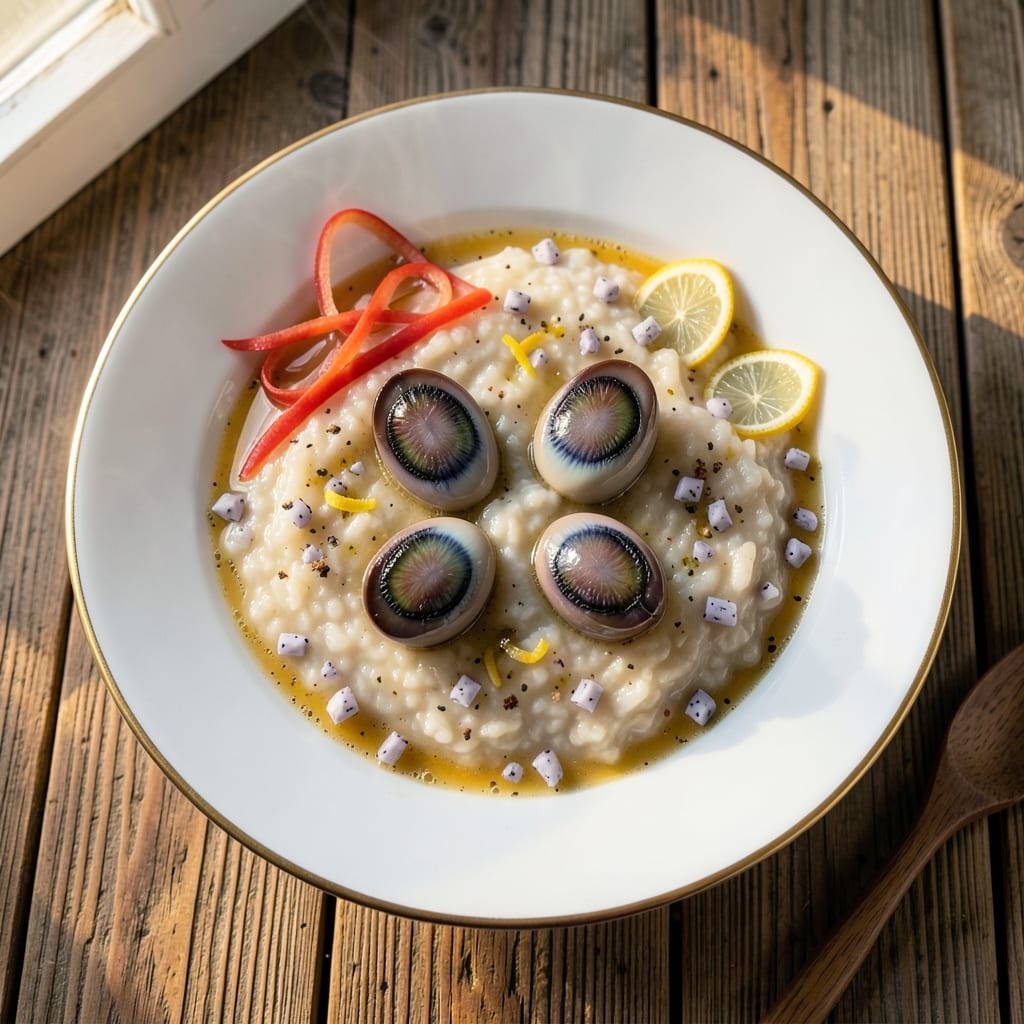
This century egg porridge recipe transforms a traditional Chinese delicacy into a silky, comforting breakfast that balances rich umami and delicate rice textures. The key lies in properly preparing the century eggs—soaking them to soften their distinctive dark yolks—before blending them into a velvety porridge base. What makes this dish special is how the eggs' deep, savory flavor marries with tender rice and aromatic broth, creating a harmony that's both nostalgic and deeply satisfying.
The process begins with rice and century eggs simmered together until the grains break down into a smooth, custard-like consistency. No blending is needed—just patience and gentle heat to achieve that signature silky texture. Traditional toppings like pickled ginger, scallions, and crispy fried shallots add layers of contrast, balancing the porridge's richness with bright, tangy, and crunchy elements. This dish isn't just food; it's a cultural experience that tells a story with every spoonful.
What you’ll end up with is a creamy, deeply flavorful porridge that’s both hearty and light—perfect for breakfast or a late-night treat. The century eggs lend their signature dark yolks and briny depth, while the rice provides a comforting, smooth body. This recipe delivers restaurant-quality results at home, with techniques that are approachable yet respect the dish’s heritage. The aroma alone will draw people to the table, and the first bite will make them understand why this is considered a black treasure.
Though vegetarian, this dish contains animal products (century eggs and broth), so it’s not vegan. The recipe scales easily for sharing, making it ideal for brunch gatherings or when you want to impress guests with an authentic taste of Chinese cuisine. Let’s bring this tradition to your kitchen with a method that’s both respectful and foolproof.
Ingredients for century egg porridge
Silky rice and briny century eggs create a luxurious vegetarian porridge with deep cultural roots.
| Ingredient | Amount | Notes |
|---|---|---|
| Century Eggs 🥚 | 4 whole | Dark yolks, soaked overnight |
| Jasmine Rice 🍚 | 1 cup | Uncooked, long-grain preferred |
| Chicken Broth 💧 | 4 cups | Homemade or quality store-bought |
| Water 💧 | 1 cup | For balancing broth consistency |
| Pickled Ginger 🍋 | ¼ cup | Thinly sliced for topping |
| Ginger Root 🧅 | ½ oz | Fresh, peeled and sliced |
| Scallions 🧅 | 3 whole | Thinly sliced for garnish |
| Shallots 🧅 | 2 whole | Fried until crispy |
| Sesame Oil 🫒 | 1 tbsp | Toasted, for finishing |
| Soy Sauce 🍶 | 1 tbsp | Light or dark variety |
| White Pepper 🌶️ | ¼ tsp | Freshly ground preferred |
| Salt 🧂 | ½ tsp | Adjust to taste |
| Sugar 🍬 | 1 tsp | Balances umami flavors |
Century eggs are the heart of this dish—look for plump, dark yolks with firm whites. Asian grocery stores like H Mart or 99 Ranch Market carry them fresh, but if unavailable, San Francisco's Chinatown markets often stock them in the refrigerated section. The rice should be jasmine or glutinous for that signature stickiness; Lotus Foods or Trader Joe's carry excellent options. For broth, homemade chicken stock delivers the deepest flavor, but Kikkoman or Swanson low-sodium versions work in a pinch. The ginger and scallions should be vibrant and firm—no wilted stems.
No century eggs? Black garlic or fermented tofu can mimic the umami depth, though the texture will differ. Substitute pickled radish for ginger if unavailable, but the tang won't be identical. For the shallots, fried tofu cubes add a similar crunch. The sesame oil is non-negotiable—toasted, not flavored—for that nutty aroma. Kadoya or La Choy brands are reliable. If your broth tastes flat, add a dash of fish sauce (though this makes it non-vegetarian) or mushroom powder for umami. The sugar balances the saltiness, but maple syrup works too if you prefer a subtler sweetness.
Century eggs keep 2-3 days refrigerated once opened, so plan ahead. The porridge reheats beautifully—gentle heat on the stove preserves its silkiness. Store leftovers in airtight containers for 3-4 days. For the toppings, pickle the ginger fresh (1:1 rice vinegar to water, 30 minutes) if using store-bought versions. The fried shallots stay crisp for 2 days if stored in a sealed container. Double the recipe—this porridge tastes even better the next day as flavors meld.
Why You'll Love This Recipe
- Five-Ingredient Magic: The ingredients list reads like a grocery store shortcut, but don’t let that fool you—this porridge is ridiculously good. You’re basically turning a handful of pantry staples (plus those mysterious century eggs) into a dish that tastes like it took hours.
- Umami Bomb: That first spoonful? The century egg’s creamy yolk and funky black exterior cut through the jasmine rice like a flavor bomb. The pickled ginger adds a bright, tangy kick that keeps every bite interesting.
- Lazy Meal Prep: I make this on Sundays because it reheats like a dream—just add hot water, stir, and you’ve got dinner. The broth keeps it rich without drying out, and the rice stays just soft enough to soak up all the good stuff.
- Budget-Friendly Luxury: Century eggs might sound fancy, but they’re cheaper than you’d think, and a few go a long way. This porridge feels indulgent (thanks to that deep, savory taste) but costs next to nothing to make. My wallet and my taste buds win.
Step-by-step instructions for century egg porridge
Transform simple ingredients into a luxurious porridge where silky rice meets century egg's deep umami richness.
Prepare the Century Eggs and Aromatics
Begin by peeling the 4 whole Century Eggs—their dark yolks should glisten with that signature marbled texture. Separate each egg into its components: the dark yolk (the prized treasure) and the firm white. Finely chop the whites and set aside for garnish later. For the aromatics, thinly slice the 0.5 oz ginger root and 3 whole scallions, reserving the whites for the porridge and the greens for garnish.
In a small bowl, combine the 0.25 cup pickled ginger and 1 tsp sugar. Let this mixture sit for 5 minutes to allow the sugars to draw out the pickled ginger's bright acidity. This balance is crucial—it cuts through the century egg's intensity while enhancing its natural umami depth. Meanwhile, peel and slice the 2 whole shallots into thin half-moons, setting them aside for frying later.
Toast the Shallots and Cook the Rice
Heat a dry skillet over medium heat and add the sliced shallots. Fry them undisturbed for 3-4 minutes until they turn a rich golden brown and crisp at the edges. Remove them with a slotted spoon and drain on paper towels—these shallots will add a textural contrast to the silky porridge. Set aside for now.
In a separate pot, combine the 1 cup jasmine rice with 4 cups chicken broth and 1 cup water. Bring to a boil, then immediately reduce heat to low. Cover tightly and simmer for 18-20 minutes until the rice is tender but still holds a slight bite. The rice should be completely absorbed by the liquid, forming a creamy, cohesive base. Avoid stirring during cooking—this ensures even cooking and prevents the rice from becoming mushy.
Blend the Porridge to Perfection
Once the rice is cooked, remove it from heat and let it sit covered for 2 minutes. Using an immersion blender, blend the rice until completely smooth—this step is critical for achieving that signature silky texture. If you don't have an immersion blender, transfer the rice to a countertop blender and blend until no lumps remain. The porridge should be velvety with a glossy sheen, almost like a thick custard.
Return the blended porridge to the pot and stir in the 1 tbsp soy sauce, 0.5 tsp salt, and 0.25 tsp white pepper. Taste and adjust the seasoning—you want the umami to be pronounced but balanced, with a subtle heat from the white pepper. The soy sauce should integrate completely, deepening the porridge's savory profile without overpowering the delicate rice flavor.
Incorporate the Century Egg Yolks and Finish
Carefully fold the dark yolks from the 4 whole Century Eggs into the porridge using a spatula. Work gently to maintain the yolks' integrity while distributing them evenly throughout the mixture. The yolks should remain slightly marbled, creating visual appeal and bursts of intense umami in every spoonful. Heat the porridge over low heat for 2-3 minutes, stirring constantly to prevent the yolks from curdling.
Remove from heat and stir in the 1 tbsp toasted sesame oil. This final touch adds a nutty aroma and rich depth to the porridge. The sesame oil should coat the surface, creating a fragrant sheen. Ladle the porridge into bowls, arranging the fried shallots, pickled ginger mixture, chopped century egg whites, and scallion greens on top. The contrast of textures and colors—silky porridge, crisp shallots, bright pickled ginger—elevates each bite into a harmonious experience.
Pro Tips For Making Century Egg Porridge
- Peel Century Eggs Just Before Use: I learned this the hard way—peeling century eggs hours ahead turns their jelly-like center into mush. The alkaline coating hardens when exposed to air, so crack the shell open right before adding them to the porridge. Use a spoon to scoop out the yolk and jelly carefully; don’t chop them—they’ll break apart in the broth.
- Simmer Rice in Broth, Not Water: Skip the plain water for rice—use a 50/50 mix of chicken broth and water. The broth’s fat and collagen thicken the porridge naturally, while the salt and umami deepen the flavor. If your broth isn’t rich enough, add a splash of soy sauce or a pinch of MSG (trust me, it’s not cheating—it’s balance).
- Don’t Overcook the Pickled Ginger: Toss in pickled ginger late—just 2 minutes before serving. Overcooking turns it mushy and loses its bright, tangy kick. Slice it thin (about 1/8-inch) so it softens quickly but stays recognizable. If you’re lazy, use a microplane to zest it in last-second—it adds aroma without texture changes.
- Strain Broth Before Cooking: My grandmother swore by this, and she was right: strain the chicken broth to remove any gristle or skin before using it for the porridge. A fine-mesh sieve ensures your final dish is silky, not gritty. If you’re short on time, press a cheesecloth over the pot—it works just as well.
Flavor customization for this dish
Sweet-Savory Balance
Century egg porridge thrives on the interplay between sweet and savory. I like to add ½ tsp honey or 1 tsp brown sugar to the porridge base before blending—just enough to caramelize slightly during cooking. For extra depth, stir in 1 tsp black vinegar (common in Asian markets) after blending. This tangy-sweet combo brightens the umami richness of the century eggs without overpowering the rice's natural flavor. 🌟
Spicy Kick Options
If you crave heat, try these additions: Swirl in ½ tsp chili crisp (like Lao Gan Ma) or 1 tsp sambal oelek when serving. For a smoky twist, sprinkle ¼ tsp smoked paprika over the porridge. I also love adding thinly sliced jalapeños to the fried shallots before topping—they add a refreshing crunch and subtle heat that cuts through the richness.
Herbaceous Variations
Fresh herbs elevate this dish beautifully. Swap the scallions for thinly sliced cilantro stems or shiso leaves (if available) for an aromatic twist. For a more complex flavor, blend 1 tbsp fresh basil or mint leaves into the porridge base before serving. I especially love the contrast of mint's cool freshness against the century egg's deep umami—it's like a flavor reset with every bite.
Creamy Texture Upgrades
For a richer mouthfeel, stir in ¼ cup coconut milk or 2 tbsp heavy cream at the end. I also like adding 1 tbsp silken tofu (blended smooth) to the porridge base—it adds protein and a luxurious silkiness. For a dairy-free option, use cashew cream (blend ¼ cup soaked cashews with 2 tbsp water until smooth). These additions make the porridge feel even more indulgent while keeping it vegetarian.
Unexpected Toppings
Think beyond traditional toppings! Try crumbled fried tofu cubes for extra protein, or toasted sesame seeds for nutty crunch. For a modern twist, add pickled red onions (thinly sliced) or quick-pickled cucumbers—their acidity balances the porridge's richness. I once topped mine with crispy shallot strings and toasted pumpkin seeds for a textural masterpiece that surprised even my most discerning guests.
Regional Twists
In Cantonese versions, you might find char siu (Chinese BBQ pork) mixed into the porridge (though this makes it non-vegetarian). For a Sichuan-inspired take, add 1 tsp doubanjiang (chili bean paste) and ½ tsp Sichuan peppercorns (lightly toasted) to the broth. Fujian-style porridge often includes lightly stir-fried bok choy as a topping—its crisp-tender texture contrasts perfectly with the silky base. Each regional approach keeps the core dish intact while offering exciting new directions.
Nutrition facts
Frequently asked questions
Why do century eggs need soaking before making porridge?
The soaking process (ideally overnight) softens the century eggs' firm texture and enhances their distinctive flavor. This makes them easier to blend into the porridge while preserving their signature dark yolk marbling. Skipping this step can result in a grainy texture that disrupts the dish's silky consistency.
Can I make this porridge without blending?
While blending creates the signature silky texture, you can achieve a rustic version by cooking the rice until very tender and then gently mashing it with a fork. The result will be heartier but less refined. For best results, use an immersion blender or countertop blender to achieve that restaurant-quality smoothness.
How do I store leftover century egg porridge?
Store in an airtight container in the refrigerator for up to 3-4 days. Reheat gently on the stove over low heat, stirring constantly to prevent scorching. The porridge actually improves after resting as flavors meld together. For longer storage, freeze portions for up to 1 month—thaw overnight in the fridge before reheating.
What's the best way to balance the strong century egg flavor?
Start with the pickled ginger and sugar mixture to create bright acidity that cuts through the richness. Add a touch of sweetness (½ tsp honey) or smoky depth (¼ tsp smoked paprika) to complement the umami. The fried shallots and scallions provide fresh, crisp contrast that keeps each bite balanced. Taste as you go—adjust seasoning gradually!
Can I substitute century eggs with something else?
For umami depth, try black garlic or fermented tofu, though the texture will differ. For visual appeal, marinate hard-boiled quail eggs in soy sauce overnight. No perfect substitute exists, but these options can mimic some of the flavor profile while maintaining the dish's vegetarian nature. The century egg's unique preservation process creates flavors you won't find elsewhere!