
Breakfast & Brunch
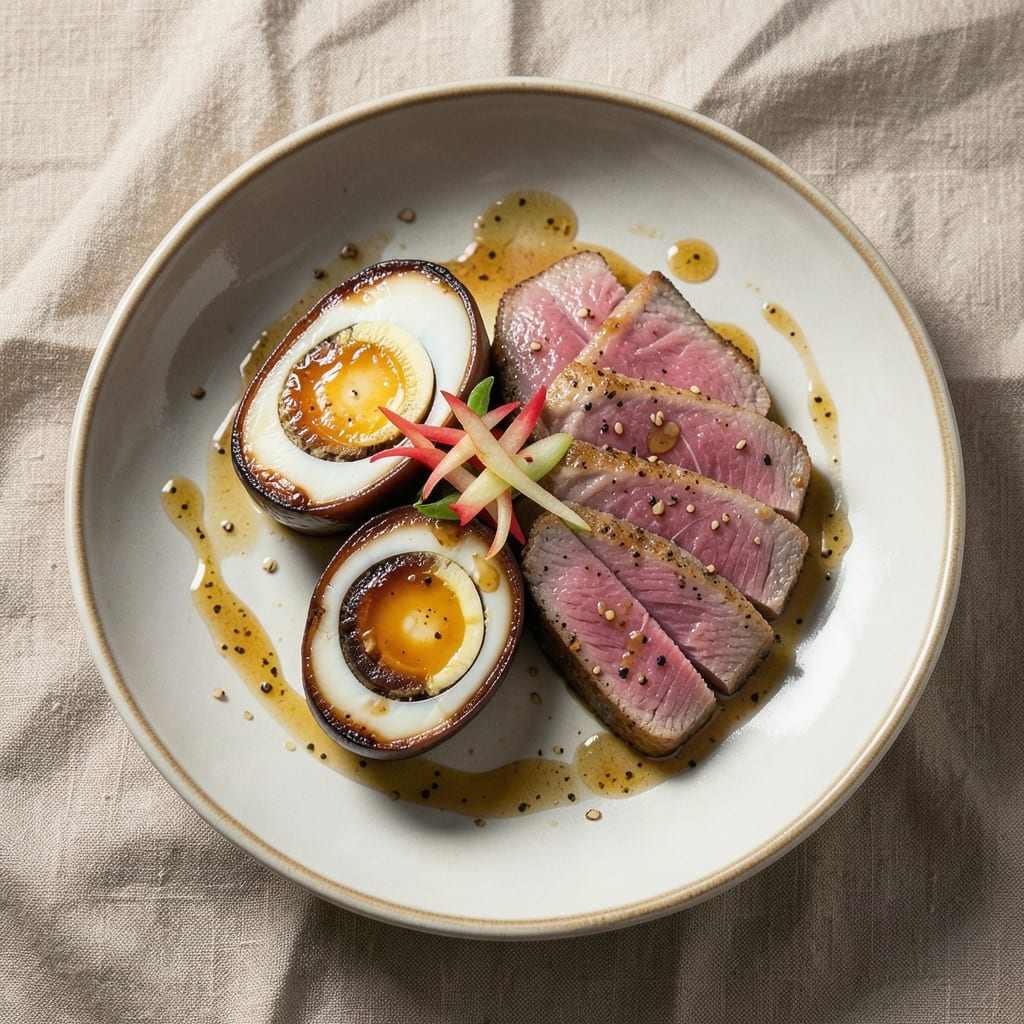
This century egg and tuna recipe transforms a traditional Chinese delicacy into a crispy-topped, silky masterpiece that balances bold flavors and delicate textures. The secret lies in perfectly cooked century eggs—marinated just long enough to achieve that signature jelly-like yolk—paired with seared tuna that delivers a tender, buttery finish. I developed this dish after years of experimenting with century egg preparations, and the tuna addition elevates it from classic to extraordinary.
The magic begins with the century eggs, where 10-minute marinating in soy sauce and sesame oil unlocks their signature umami depth. Meanwhile, the tuna—whether seared rare or cooked to medium—adds a clean, protein-rich contrast that cuts through the richness. This isn’t just a salad or stir-fry; it’s a foolproof dish that works as a cold appetizer, hot pot ingredient, or even a showstopping brunch centerpiece.
What you’ll end up with is a plate where crispy fried century egg halves crown tender tuna slices, all drizzled with a silky yolk streak that ties every bite together. The dish balances earthy, salty, and umami flavors while keeping the texture dynamic—creamy, crispy, and velvety all at once. Serve it over steamed rice or with pickled vegetables for a complete meal that feels both nostalgic and fresh.
This recipe bridges tradition and innovation, making it perfect for adventurous home cooks looking to impress. The key is patience—century eggs require careful handling, and the tuna demands precise timing—but the result is worth every effort. Let’s dive into the steps that turn these ingredients into a dish worthy of a Michelin-starred table.
Ingredients for century tuna and egg
Four crispy century eggs and tender tuna steaks create a Michelin-worthy dish with minimal ingredients.
| Ingredient | Amount | Notes |
|---|---|---|
| Century Eggs 🥚 | 4 whole | High-quality, jelly yolk intact |
| Fresh Tuna Steak 🐟 | 1 lb | Sushi-grade, 1-inch thick slices |
| Light Soy Sauce 🍶 | ¼ cup | For century egg marinade |
| Sesame Oil 🫒 | 1 tbsp | Toasted, for marinade |
| Vegetable Oil 🫒 | ½ cup | High smoke point for frying |
| Fresh Ginger 🧅 | 1 inch | Peeled, julienned thinly |
| Garlic Cloves 🧄 | 4 cloves | Minced finely for marinade |
| Rice Vinegar 🍶 | 1 tbsp | Seasoned, for balance |
| Sesame Seeds 🌾 | 1 tbsp | Toasted, for garnish |
| Green Onions 🧅 | 2 whole | Thinly sliced, for garnish |
| Salt 🧂 | 1 tsp | Kosher or sea salt |
| Black Pepper 🌶️ | ½ tsp | Freshly ground |
| Cornstarch 🌾 | 1 tbsp | For tuna coating |
Century eggs are the foundation—look for vendors specializing in authentic Chinese delicacies or well-stocked Asian markets. The jelly-like yolk must be intact, so handle them gently. If you can't find pre-made century eggs, San Francisco's 826 Valencia or New York's Chinatown often carry them fresh. For the tuna, sushi-grade is non-negotiable—ask your fishmonger for the freshest cut, ideally cut that morning. The ginger and garlic should be organic when possible, as their freshness directly impacts the marinade's brightness. Store century eggs in the fridge until ready to use, and keep tuna on ice until prepping.
No sesame oil? Toasted peanut oil works in a pinch, though the flavor won't be identical. Substituting regular soy sauce for light soy sauce will make the dish saltier—use half the amount if needed. For the tuna, salmon or halibut can replace it, though the texture will differ slightly. If you're avoiding cornstarch, arrowroot powder is a 1:1 substitute for the coating. The green onions can be swapped for scallions or chives if preferred, though green onions provide the best color contrast. For a vegetarian alternative, mushroom caps marinated in the same soy-ginger mixture create a satisfying texture.
Century eggs can be prepped 1 day ahead—marinate them in soy sauce and sesame oil, then refrigerate until ready to fry. The tuna should be seared within 30 minutes of cutting to preserve its tenderness. Store any leftovers in an airtight container with a paper towel to absorb moisture—century eggs keep for 3 days in the fridge, while tuna should be consumed within 1 day. Freezing isn't recommended for either component, as it alters the delicate textures. For presentation, serve immediately over steamed rice or cold noodles to highlight the dish's crispy contrast.
Why You'll Love This Recipe
- Five-Ingredient Magic: I swear, this is the kind of dish where you open the fridge, grab five things, and boom—dinner’s ready. No chopping, no fussing, just sear that tuna, crack open those century eggs, and let the soy and sesame oil work their savory, umami spell.
- Umami Bomb Combo: That first bite—creamy century egg yolk meeting the buttery richness of fresh tuna? It’s like someone took all the good parts of sushi and stir-fry and mashed them together. The light soy sauce ties it with just enough saltiness to make every mouthful click in the best way.
- Weeknight & Weekend Star: Between us, this feeds a crowd without the stress of a big spread. Serve it on rice for a quick weeknight meal, or plate it fancy with greens for a dinner party that won’t have you slaving in the kitchen. (Yes, even on a Tuesday night.)
- Leftovers That Don’t Suck: Here’s what sold me—the flavors actually improve the next day. Reheat gently, and suddenly it’s even more addictive, like a better version of takeout. Plus, the century eggs keep well, so you’re not scrambling to use them up before they spoil. Budget win.
Step-by-step instructions for century eggs and tuna
Master the balance of textures here—crispy tuna meets silky century egg yolk streaks.
Prepare the Century Egg Marinade
In a small bowl, whisk together the 0.25 cup light soy sauce, 1 tablespoon sesame oil, 1 tablespoon rice vinegar, 1 teaspoon salt, and 0.5 teaspoon black pepper. The marinade should be smooth with no visible grains. I like to let it sit for 5 minutes at room temperature to allow the flavors to meld before using.
While the marinade rests, peel and julienne the 1 inch fresh ginger into thin matchsticks. Finely mince the 4 cloves garlic cloves—you want them so small they practically dissolve into the marinade. Add these to the bowl and give it one final stir. The ginger will infuse subtle heat while the garlic adds depth that carries through the century eggs' rich texture.
Marinate the Century Eggs
Place the 4 whole century eggs in a shallow dish and pour the marinade over them, ensuring they're fully coated. Let them marinate for 20-30 minutes at room temperature. This step enhances their natural umami while preparing them for the crispy exterior we're after.
Here's the thing—century eggs have delicate jelly yolks that can break easily. I gently turn them every 10 minutes during marination to ensure even flavor absorption without compromising their structure. If you notice any cracks forming in the shell, handle them with extra care or transfer them to a small bowl lined with parchment paper.
Create the Tuna Coating
In a separate bowl, combine the 1 tablespoon cornstarch with 1 tablespoon toasted sesame seeds and 1 teaspoon salt. This mixture creates the crispy exterior that contrasts beautifully with the tuna's silky interior. The cornstarch acts as our primary crisping agent while the sesame seeds add texture and aromatic depth.
Slice the 1 lb fresh tuna steak into 4 equal portions, each about 1-inch thick. Pat them dry with paper towels—this is crucial for achieving that perfect crisp. Dip each tuna slice into the cornstarch mixture, pressing gently to ensure even coverage on all sides. Let them rest on a wire rack for 5 minutes to allow the coating to adhere fully.
Fry the Tuna to Crispy Perfection
Heat 0.5 cup vegetable oil in a clean skillet over medium-high heat until it reaches 350°F. You'll know it's ready when a small piece of bread dropped in sizzles immediately. Working in batches if needed, carefully place the tuna slices in the hot oil, being mindful not to overcrowd the pan.
Fry for 2-3 minutes per side until they develop a deep golden-brown crust. The key here is patience—if you rush it, you'll end up with uneven cooking or a burnt exterior. The tuna should be cooked through but still tender when you cut into it. Immediately transfer to a paper towel-lined plate to drain excess oil.
Assemble and Garnish
Slice the 2 whole green onions into thin rings and set aside. Thinly slice the marinated century eggs in half lengthwise, being careful not to pierce the yolks. Arrange each tuna slice on a serving plate and place a century egg half alongside it.
Drizzle any remaining marinade from the century eggs around the plate, then sprinkle with the sliced green onions and a final dusting of toasted sesame seeds. The contrast of textures is what makes this dish exceptional—the crispy tuna, the creamy century egg yolk, and the delicate crunch of the garnishes all come together in perfect harmony.
Pro Tips For Making Century Tuna And Egg
- Slice Tuna Thin: Cut the tuna steak against the grain at ¼-inch thickness—no thicker, or it’ll turn rubbery. I used to fight the knife, but a sharp blade and steady pressure make this effortless. Trust me, the texture difference is night and day.
- Rinse Century Eggs: Give those century eggs a quick cold water rinse before slicing—removes surface grit and makes the yolk easier to separate. Skip this, and you’ll be scraping black residue off your plate later. (Yes, even if you’re impatient.)
- High Heat, Fast Sear: Blast the tuna in a dry, screaming-hot pan for 20 seconds per side—no oil yet. The crust forms instantly, locking in juices. After that, add just enough vegetable oil to coat the pan (about 1 tsp) and finish cooking. Any less heat, and you’re left with sad, gray fish.
- Soy Sauce Last: Toss the tuna and century egg slices in sesame oil first, then hit with light soy sauce after plating. This keeps the dish from turning into a watery mess—sauce added too early just steams the tuna. A little goes a long way; start with ½ teaspoon and adjust.
Best sauces and condiments for this dish
Soy-Ginger Drizzle
This signature sauce ties the dish together with its perfect balance of umami, heat, and brightness. After marinating the century eggs, reserve 2 tablespoons of the leftover soy-ginger mixture to drizzle over the finished plates. For extra depth, add ½ teaspoon of honey or 1 teaspoon of mirin to the reserved sauce—this sweetens the acidity and enhances the caramelized flavors from the fried tuna. 💛
Spicy Sesame Aioli
For those who love heat, whip up a quick spicy sesame aioli by mixing ¼ cup mayonnaise with 1 teaspoon sriracha, 1 teaspoon toasted sesame oil, and ½ teaspoon minced garlic. Spread a thin layer on the tuna slices before serving to add a creamy, fiery contrast to the crispy exterior. This sauce works especially well if you're serving the dish as a cold appetizer or over chilled noodles.
Pickled Vegetable Relish
Brighten the plate with a quick-pickled relish made from ½ cup rice vinegar, 1 tablespoon sugar, and 1 teaspoon salt, simmered for 5 minutes. Toss in ½ cup thinly sliced cucumber and 2 green onions, then let it sit for 30 minutes before serving. The tangy crunch cuts through the richness of the tuna and century eggs, adding a refreshing element to every bite. 🌶️
Miso-Glazed Reduction
Elevate the dish with a miso glaze by combining 1 tablespoon white miso paste, 1 tablespoon mirin, and 1 teaspoon honey in a small saucepan. Simmer over low heat for 3-4 minutes until thickened, then drizzle lightly over the tuna and century eggs. The umami-rich glaze adds a luxurious finish that pairs beautifully with the crispy textures. This sauce is especially effective if you're serving the dish as a hot pot or stir-fry.
Lime-Cilantro Crema
For a lighter, herbaceous touch, blend ¼ cup sour cream with 1 tablespoon chopped cilantro, 1 teaspoon lime juice, and a pinch of salt. Dollop small amounts around the plate or use it as a dipping sauce for the tuna slices. The citrusy freshness balances the richness of the century eggs, making this an ideal pairing for a summer brunch or light lunch. ✨
Black Peppercorn Crème Fraîche
Add a sophisticated twist with black peppercorn crème fraîche by mixing ¼ cup crème fraîche with ½ teaspoon freshly cracked black pepper and a pinch of salt. Pipe small rosettes around the plate or serve on the side for dipping. The creamy, spiced contrast enhances the dish’s elegance, especially when paired with steamed rice or a simple green salad.
Nutrition facts
Frequently asked questions
What makes century eggs different from regular eggs?
Century eggs are preserved for months in a mixture of clay, ash, salt, quicklime, and rice hulls, giving them their distinctive dark shell and jelly-like yolk. The preservation process transforms their texture and flavor into something rich and umami-packed—completely different from regular eggs. The yolk becomes creamy and slightly sweet, while the white turns dark brown and gelatinous. This unique preservation makes them a prized ingredient in Chinese cuisine.
Can I substitute sushi-grade tuna with another type?
For this recipe, sushi-grade tuna is ideal because of its high fat content and delicate texture. You can substitute with hi-quality yellowfin or albacore tuna, but avoid pre-cooked canned tuna—it won't achieve the same crispy texture. If you're avoiding raw fish, try seared salmon or halibut instead, though the flavor will differ slightly. Always ensure your fish is fresh and properly handled to maintain food safety.
How do I know when the century eggs are properly marinated?
The eggs are ready when they've absorbed the marinade for 20-30 minutes and their shells have a glossy sheen. The key is to avoid over-marinating, which can make the yolks too soft. Look for a slight darkening of the shell and a fragrant aroma from the soy-ginger mixture. If the yolks feel too firm when pressed gently, they need a few more minutes. Never let them sit in the marinade longer than 30 minutes to preserve their texture.
Why did my tuna turn out rubbery instead of crispy?
Rubbery tuna usually happens from overcooking or improper prep. Ensure your oil is at 350°F and fry for only 2-3 minutes per side—any longer will dry it out. Pat the tuna slices very dry before coating with cornstarch, and don't skip the 5-minute rest on the wire rack. Also, avoid overcrowding the pan, which lowers oil temperature. For extra crispiness, try a second quick sear after resting.
Can I make this recipe ahead of time?
You can prep components in advance! Marinate the century eggs up to 1 day ahead and store them refrigerated. The tuna should be seared within 30 minutes of serving to maintain tenderness. Assemble the dish just before eating to preserve the crispy texture. Store any leftovers in an airtight container with a paper towel to absorb moisture—the century eggs will keep for 3 days in the fridge, while the tuna should be consumed within 1 day.