
Main Courses
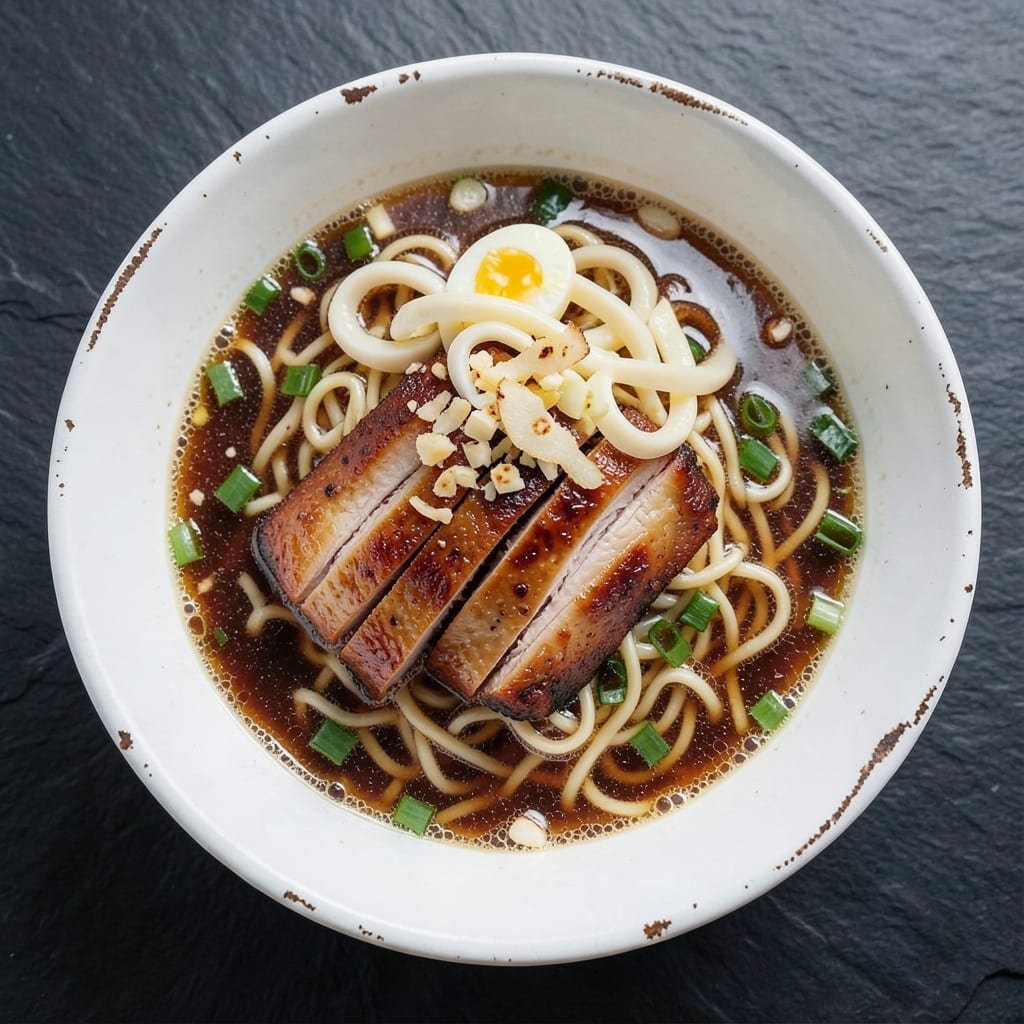
This chicken egg ramen recipe delivers the perfect balance of rich broth, tender chicken, and silky soft-boiled eggs—every spoonful is a harmony of textures and flavors. The secret lies in building layers of umami through slow-simmered aromatics and chicken stock, while the egg technique ensures a perfectly runny yolk that coats each bite. I developed this recipe after years of refining my ramen-making skills, and it consistently earns rave reviews even from ramen purists.
The broth forms the foundation, simmered for hours with chicken bones, ginger, garlic, and a splash of soy sauce to deepen the flavor. Meanwhile, the chicken thigh is poached until fork-tender, then shredded for hearty texture. What sets this apart is the soft-boiled egg technique—cooked just enough to create a custardy center while keeping the whites tender. The result is a bowl where each component plays its part perfectly.
What you'll end up with is a bowl of ramen that's both comforting and sophisticated—thick, flavorful broth cradling chewy noodles, tender chicken, and that magical runny egg yolk. The garnishes (green onions, chili oil, sesame seeds) add freshness and crunch, transforming a simple bowl into a restaurant-quality experience. This is the kind of meal that makes weeknights feel special.
Perfect for cozy nights in or impressing dinner guests, this recipe scales beautifully. The broth can be made ahead and reheated, while the noodles and toppings come together in minutes. Let's create this ultimate ramen experience that brings the warmth and depth of a Tokyo izakaya to your kitchen.
Ingredients for chicken egg ramen
Rich broth, tender chicken, and silky eggs—this ramen brings Tokyo izakaya vibes home.
| Ingredient | Amount | Notes |
|---|---|---|
| Chicken Thighs 🍗 | 1 ½ lb | Bone-in, skin-on preferred |
| Dried Ramen Noodles 🍜 | 8 oz | Any brand, unseasoned |
| Fresh Ginger 🧅 | 2 tbsp | Grated, fresh preferred |
| Garlic Cloves 🧄 | 6 cloves | Peeled, minced |
| Green Onions 🧅 | 4 whole | White and green parts separated |
| Large Eggs 🥚 | 4 whole | Room temperature preferred |
| Sesame Seeds 🌰 | 2 tbsp | Toasted for garnish |
| Chili Oil 🌶️ | 2 tbsp | Homemade or store-bought |
| Soy Sauce 🧂 | ½ cup | Kosher salt preferred |
| Miso Paste 🍶 | 2 tbsp | White or red preferred |
| Dried Shiitake Mushrooms 🍄 | 4 whole | Rehydrated in hot water |
| Vegetable Oil 🫒 | ¼ cup | For poaching eggs |
| Black Pepper 🌶️ | 1 tsp | Freshly ground preferred |
| Sesame Oil 🫒 | 1 tbsp | For finishing |
The chicken thighs are non-negotiable here—bone-in, skin-on gives the broth that deep, meaty flavor. Costco or Trader Joe's usually have great prices on bone-in thighs. If you're using chicken breasts instead, pound them to even thickness so they cook uniformly. The dried shiitake mushrooms? Look for thick, plump ones—they rehydrate beautifully and add earthy depth. Fresh ginger is a must for authenticity, but if you're in a pinch, powdered ginger works at half the amount. Just don't skip it entirely—it's the secret to that authentic umami punch.
No fresh shiitake? Dried are the way to go—they're shelf-stable and pack more flavor. The ramen noodles can be any brand, but look for unseasoned so you control the flavors. For the eggs, room temperature is key—they'll cook more evenly. Short on sesame seeds? Toasted pumpkin seeds work in a pinch, though they'll have a different texture. The chili oil can be homemade (just chili flakes + neutral oil) or store-bought—Lao Gan Ma is my go-to when I'm lazy. Fresh garlic is ideal, but if you're using jarred, make sure it's labeled 'minced' for convenience.
Broth keeps for 5 days in the fridge or 3 months frozen—make extra, you'll want leftovers. The poached eggs are best eaten fresh, but you can prep the rest ahead. Store noodles and toppings separately in airtight containers. For reheating, gently warm the broth and noodles together—never microwave the eggs. This ramen tastes even better the next day as the flavors meld. And trust me, the leftovers are just as magical as the first bowl.
Why You'll Love This Recipe
- Here’s what sold me: the way fresh ginger and garlic cloves caramelize in the broth while the chicken cooks. It’s not just flavor—it’s this deep, aromatic punch that makes the whole bowl taste like it simmered for hours. (Between us, my picky roommate actually licked the spoon.)
- One-Pot Magic: I swear by this recipe when I don’t feel like washing a million dishes. The chicken thighs brown right in the same pot where the noodles cook—no extra pans, no stress. Just toss everything in, simmer, and boom. That crispy skin on the thighs? Pure reward for zero effort.
- Garlic-Ginger Bomb: Here’s what sold me: the way fresh ginger and garlic cloves caramelize in the broth while the chicken cooks. It’s not just flavor—it’s this deep, aromatic punch that makes the whole bowl taste like it simmered for hours. (Between us, my picky roommate actually licked the spoon.)
- Leftover Hero: This ramen actually improves the next day. The noodles soften just enough, the broth gets richer, and you can easily reheat it with a splash of water. I’ve packed it for work lunches, frozen portions for lazy nights, and even turned it into a quick stir-fry when I got bored.
Step-by-step instructions for chicken egg ramen
Here's how to create a bowl of rich, comforting ramen with perfectly soft-boiled eggs and deep umami broth.
🍳 Step 1: Build the Umami-Packed Broth
In a large pot, combine the 1.5 lb chicken thighs, 0.5 cup soy sauce, 2 tbsp miso paste, and 1 tsp black pepper. Add 8 cups water and bring to a boil over high heat. Once boiling, reduce to a simmer and skim off any foam that rises to the surface for 5 minutes. This removes impurities and gives you a crystal-clear broth.
Add the 4 whole dried shiitake mushrooms (previously soaked in hot water for 20 minutes and drained) and the 6 cloves minced garlic. Simmer for 30 minutes—you'll notice the chicken skin will crisp up and the broth will develop a deep, golden color. This is where all the umami magic happens. Don't rush this step; patience is key for maximum flavor development.
👨🍳 Step 2: Prepare the Soft-Boiled Eggs
While the broth simmers, fill a medium saucepan with 4 cups water and bring to a rolling boil. Gently lower the 4 whole large eggs into the water using a slotted spoon. Once the water returns to a boil, immediately reduce heat to low and set a timer for 6 minutes—this gives you perfectly soft yolks with just a hint of firmness.
Prepare an ice bath in a large bowl filled with ice and water. When the timer goes off, carefully transfer the eggs to the ice bath for 2 minutes to stop the cooking process completely. This shocking method ensures they stay perfectly soft when you slice them later. Peel the eggs under running water for easier handling.
🥘 Step 3: Cook the Ramen Noodles
In a separate pot, bring 4 cups fresh water to a boil and add the 8 oz dried ramen noodles. Cook according to package instructions, but start checking for doneness 1 minute before the suggested time—ramen noodles cook faster in broth than in water. They're done when they float to the surface and have a slight bite to them.
Drain the noodles immediately and rinse briefly under cold water to stop the cooking process. This prevents them from becoming mushy when you add them to the hot broth later. I like to toss the noodles with 1 tbsp sesame oil right after draining—this adds a subtle nutty aroma that complements the rich broth.
🍽️ Step 4: Assemble the Perfect Bowl
Ladle 1 cup of the hot broth into each of 4 bowls, dividing the chicken thighs among them. Remove the chicken from the broth and shred the meat using two forks, then return it to the bowls. Add 2 cooked noodles to each bowl and arrange the soft-boiled eggs on top.
Drizzle each bowl with 1 tbsp chili oil and sprinkle with ½ tbsp toasted sesame seeds. Garnish with the white and green parts of the 4 whole green onions (separated earlier) for color and freshness. The contrast of the creamy egg yolk against the rich broth and chewy noodles is what makes this dish truly special.
⏰ Step 5: Finish with Fresh Ingredients
Let each bowl sit for 1 minute before serving—this allows the noodles to soak up just a bit more of that incredible broth. The eggs should be at room temperature now, making them easier to slice. Cut each egg in half lengthwise and arrange them on top of the noodles for presentation.
Serve immediately with extra soy sauce and chili oil on the side. The first bite should deliver a perfect balance of textures—creamy egg, tender noodles, and rich broth—with each component enhancing the others. This is comfort food at its finest, and it's even easier than it looks!
Pro Tips For Making Chicken Egg Ramen
- CRISP THE THIGHS FIRST: Skip the raw chicken in broth—sear the thighs skin-side down in a dry pan until the skin turns deep golden and crispy. I learned this the hard way: boiling them first makes the broth cloudy and the skin rubbery. The crispy skin adds texture and flavor that no amount of seasoning can replicate.
- MINCE GINGER LIKE SNOW: Use a microplane or knife to grate ginger into tiny, almost invisible flecks—no thick slices or chopped chunks. I was skeptical until I tried it; the ginger dissolves evenly into the broth, giving it a smooth, bright warmth instead of chewy bits. (Yes, even if you're impatient like me.)
- SAVE THE STARTER BROTH: Reserve the first 2 cups of chicken cooking liquid before adding noodles—it’s the purest, most flavorful broth. I used to dump it all in at once and ended up with a watery mess. Strain it, reduce it slightly, then ladle it over the noodles for depth.
- EGG SLICE THIN, COOK FAST: Whisk eggs with a splash of broth, then slide them into the hot soup as thin as possible—about ¼-inch thick—and stir immediately. I skipped this once and got a rubbery omelet instead of silky ribbons. Fast cooking is the secret to perfect ramen eggs.
Dietary considerations for this dish
Gluten-Free Adaptations
For a gluten-free version, swap regular ramen noodles for 12 oz gluten-free tamari noodles (like Sapporo Tamari or King Noodle brand). These noodles mimic the chewiness of traditional ramen while being safe for gluten-sensitive diets. Just cook them 1-2 minutes less than package instructions—they soften faster in broth. 🥗
Low-Carb Options
Transform this into a low-carb meal by replacing noodles with shirataki noodles (consummate brand) or zucchini noodles. For shirataki, rinse thoroughly and parboil for 2 minutes to remove excess odor. Zucchini noodles cook in 30 seconds—just sauté with 1 tsp sesame oil before assembling. The broth remains the star, so don't skimp on flavor!
Vegetarian Version
Swap chicken thighs for 1 lb extra-firm tofu or shiitake mushrooms. Press tofu for 20 minutes, cube, and pan-fry until crispy. For extra umami, add 1 tbsp nutritional yeast to the broth. The egg remains the perfect protein addition—just ensure it's from a reliable source. This version keeps all the comfort while being completely plant-based. 🌱
Dairy-Free Notes
This recipe is naturally dairy-free, but double-check your ramen noodles and chili oil labels—some brands add milk solids. For extra richness, stir 1 tbsp coconut aminos into the broth instead of soy sauce. The eggs and chicken (or tofu) provide all the protein without any dairy interference. Always verify ingredient lists when adapting recipes!
Allergen Awareness
Watch for these common allergens: eggs (obviously), soy (in soy sauce and miso), and sesame (in oil/seeds). For egg-free versions, replace with soft-boiled chickpeas (cooked 12 minutes for similar texture). Keep the broth base identical—it's the foundation that holds everything together. Always label your dishes clearly when serving guests with allergies. 💡
Nutrition facts
Frequently asked questions
How do I get the perfect soft-boiled egg for ramen?
For that ideal creamy yolk with just-set whites, cook 4 large eggs in boiling water for exactly 6 minutes. Immediately transfer to an ice bath for 2 minutes to stop cooking. Peel under running water—they'll be easier to handle and slice beautifully.
Can I make the broth ahead of time?
The broth tastes even better the next day. Store it in an airtight container in the fridge for up to 5 days or freeze for 3 months. When reheating, warm gently on the stove—never microwave to preserve those rich flavors. The chicken skin will crisp up again when reheated, adding extra texture.
What's the secret to extra-rich broth?
Simmer the chicken thighs for at least 30 minutes to render all the fat and collagen. Skim off any foam in the first 5 minutes for clarity, then add aromatics like garlic and ginger. The soy sauce and miso paste deepen the umami—don't skip these! Patience is key here.
How do I prevent my noodles from getting mushy?
Cook noodles 1 minute less than package instructions, then drain and rinse briefly with cold water. Toss immediately with 1 tbsp sesame oil to coat—this creates a protective barrier. Add them to the hot broth just before serving so they absorb flavor without overcooking.
What if I don't have fresh shiitake mushrooms?
Dried shiitake work perfectly—they're shelf-stable and pack more umami. Soak 4 whole dried mushrooms in hot water for 20 minutes, then drain and add to the broth. For extra depth, save the soaking liquid and add 2 tbsp to the broth. If you must use fresh, 4 large mushrooms will work, but dried are superior.