
Main Courses
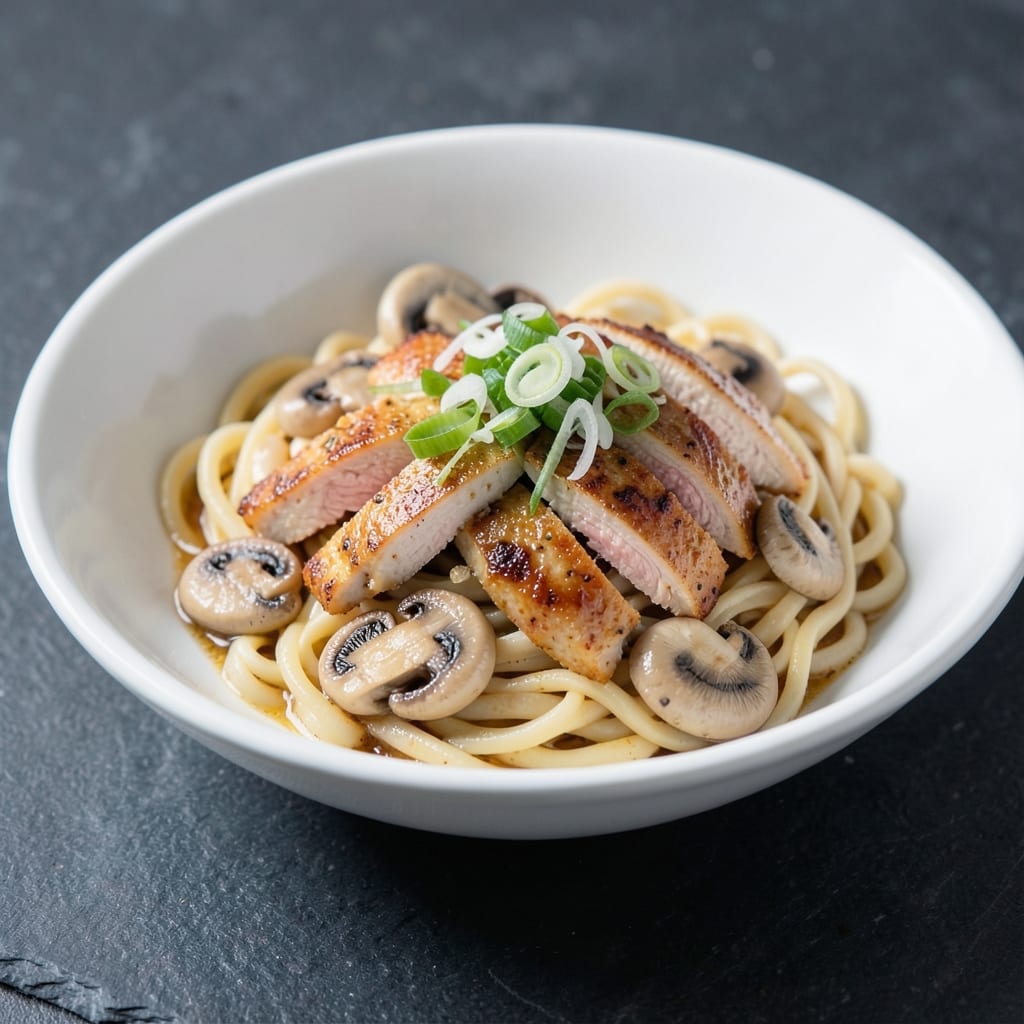
This chicken mushroom egg noodle recipe delivers restaurant-quality umami in a single pan—no chopping chaos or last-minute takeout calls. 💛 The secret lies in balancing earthy mushrooms with tender chicken and chewy egg noodles, all simmered in a savory sauce that clings perfectly. I developed this after years of testing one-pot meals that actually impress, and this version never fails to disappear from the table.
What sets this dish apart is the technique: mushrooms get a head start in the pan to release their natural oils and deepen their flavor before the chicken joins. Meanwhile, the egg noodles cook just until al dente, absorbing the rich, aromatic sauce without turning mushy. The result is a harmonious blend where each ingredient shines—juicy chicken, meaty mushrooms, and perfectly textured noodles all working together.
By the time you serve this dish, you'll have a foolproof meal that's ready in under 30 minutes yet feels like it took hours to perfect. The sauce is velvety and packed with umami, while the chicken stays tender and the mushrooms maintain their satisfying bite. It's the kind of weeknight dinner that transforms a simple meal into something special without requiring a fancy recipe.
Serve it with a sprinkle of green onions and a drizzle of sesame oil for extra brightness, or keep it classic with just a pinch of black pepper. The beauty of this recipe is its flexibility—it's hearty enough for a main course but simple enough to make regularly. Let's get cooking!
Ingredients for chicken mushroom egg noodle
Restaurant-quality umami starts with these 15 simple yet powerful ingredients.
| Ingredient | Amount | Notes |
|---|---|---|
| Egg Noodles 🍜 | 8 oz | Fresh or dried, al dente preferred |
| Boneless Chicken Breast 🍗 | 1 ½ lb | Cut into 1-inch cubes |
| White Button Mushrooms 🍄 | 16 oz | Sliced into 1/4-inch pieces |
| Shiitake Mushrooms 🍄 | 4 whole | Stems removed, sliced |
| Green Onions 🧅 | 3 whole | Sliced, white and green parts separated |
| Garlic Cloves 🧄 | 4 cloves | Minced |
| Sesame Oil 🫒 | 1 tbsp | Toasted for aroma |
| Soy Sauce 🍶 | 3 tbsp | Low-sodium preferred |
| Oyster Sauce 🍶 | 1 tbsp | For umami depth |
| Dry Sherry 🍷 | 1 tbsp | Or sub with white wine |
| Vegetable Oil 🫒 | 1 tbsp | For high-heat searing |
| Salt 🧂 | 1 tsp | Kosher preferred |
| Black Pepper 🌶️ | ½ tsp | Freshly ground |
| Cornstarch 🌾 | 1 tsp | For sauce thickening |
| Water 💧 | 2 tbsp | For slurry |
The mushrooms are where the magic happens. Shiitake brings deep umami while button mushrooms add texture—both should be fresh, not wilted. I always grab mine from the produce section at Whole Foods or the local Asian market, where they keep the shiitake extra fresh. For the chicken, boneless breast stays tender when cubed evenly—use a knife to cut against the grain. The egg noodles? Fresh is ideal but dried works too—just check the package for al dente cooking time (usually 3-4 minutes).
No shiitake? Double the button mushrooms—they'll still deliver umami, just less intense. Short on sherry? Dry white wine or extra oyster sauce works perfectly. The sesame oil is non-negotiable for aroma, but if you're avoiding it, toasted peanut oil gives a similar nuttiness. For the sauce slurry, cornstarch is key—it creates that velvety texture without making the dish heavy. If you're gluten-sensitive, swap for arrowroot powder at the same ratio.
This dish reheats beautifully—just add a splash of water to prevent drying. Keeps for 3-4 days in the fridge, or freeze portions for up to 3 months. I always make a double batch because it's that good—leftovers taste even better the next day as flavors meld. Store noodles separately if freezing to maintain texture, then toss with the sauce when reheating.
Why You'll Love This Recipe
- One-Pan Wonder: I swear by this—just toss everything in one skillet, no extra pots or pans. The chicken cooks while the mushrooms soften, and those egg noodles absorb all the savory goodness without a fuss.
- Umami Bomb: Shiitake and button mushrooms together? That’s where the magic happens. Earthy, meaty, and just a hint of garlic—it’s the kind of flavor that makes you go back for seconds without even thinking.
- Weeknight Workhorse: This dish is my go-to when I’m exhausted but still need something hearty. Double the batch, and you’ve got lunch the next day (or freeze it for when you’re really tired).
- Budget Meal Magic: Chicken breast and mushrooms stretch further than you’d think, especially with noodles. I’ve fed four people for under $10, and no one complains—honestly, my wallet thanks me every time.
Step-by-step instructions for chicken mushroom egg noodles
Master this one-pan dish with perfect searing and umami-rich sauce every time.
🍳 Step 1: Sear the Chicken to Golden Perfection
Heat the 1 tablespoon vegetable oil in a large skillet or wok over medium-high heat until shimmering. Add the 1.5 lb boneless chicken breast cubes in a single layer, leaving space between pieces. Let them cook undisturbed for 3-4 minutes until they develop a deep golden crust.
Here's the thing—don't move the chicken during the first 2 minutes. This ensures maximum browning and flavor development. You'll know it's ready to flip when the edges release easily from the pan. Once golden on one side, flip and cook for another 2-3 minutes until fully cooked through. Remove the chicken and set aside on a plate.
🍳 Step 2: Sauté Mushrooms and Aromatics
In the same skillet (no need to wipe it clean—those browned bits are flavor gold), add 1 tablespoon vegetable oil if needed. Add the 16 oz sliced white button mushrooms and 4 sliced shiitake mushrooms (stems removed). Cook over medium-high heat for 5-6 minutes until the mushrooms release their moisture and begin to brown.
Add the 4 minced garlic cloves and the white parts of the 3 sliced green onions (save the greens for garnish). Stir for 30 seconds until fragrant—you should smell that garlic releasing its sweet aroma. If the mushrooms are releasing too much liquid, increase heat slightly to evaporate it. This step builds the flavor foundation for your sauce.
🥘 Step 3: Build the Umami Sauce
Pour in the 1 tablespoon dry sherry and let it simmer for 1 minute until mostly evaporated. Add the 3 tablespoons soy sauce, 1 tablespoon oyster sauce, and 1 teaspoon salt. Stir well and let the mixture bubble gently for 2 minutes to meld the flavors.
In a small bowl, whisk together the 1 teaspoon cornstarch and 2 tablespoons water to create a slurry. Slowly pour this into the skillet while stirring constantly. The sauce will thicken immediately—keep stirring for another 30 seconds until it coats the back of a spoon. This is where the magic happens, creating that perfect silky consistency.
🍳 Step 4: Combine and Finish
Return the seared chicken to the skillet and add the 8 oz egg noodles. Toss everything together and cook for 2-3 minutes until the noodles are heated through and coated with the sauce. If the mixture looks dry, add 1-2 tablespoons water to loosen it.
Stir in the green parts of the sliced green onions and 1 tablespoon sesame oil. Taste and adjust seasoning with ½ teaspoon black pepper if needed. The dish should be savory with a perfect balance of umami from the mushrooms and sauces, with a hint of garlic and sesame aroma. Remove from heat and let it sit for 1 minute to allow the flavors to meld.
Pro Tips For Making Chicken Mushroom Egg Noodle
- CUT CHICKEN THIN: The difference between dry, tough chicken and juicy, melt-in-your-mouth slices is patience. Freeze the chicken breast for 20 minutes first, then slice it paper-thin—about ⅛-inch thick—against the grain. I used to rush this and ended up with chewy strips that ruined the whole dish.
- SAUTE MUSHROOMS TWICE: Start with white buttons in a hot, dry pan to render their moisture, then swap in shiitake for their deeper flavor. After the first sear, remove mushrooms and let them cool slightly—this prevents a soggy mess when you toss them back in later. (Yes, it’s extra work, but the texture makes it worth it.)
- SALT NOODLES BEFORE COOKING: Fresh egg noodles absorb sauce like sponges, but they won’t season properly if you wait. Toss them with ½ teaspoon salt before boiling, then rinse briefly in cold water after cooking. This guarantees they’re flavorful from the first bite—not just a bland base for the sauce.
- USE GREEN ONIONS LAST: Chop green onions into ¼-inch pieces and add them only in the final 30 seconds of cooking. Their bright color and sharp bite fade fast in heat, so saving them for the end keeps the dish looking fresh and tasting vibrant. (I learned this after serving a sad, wilted version to guests.)
Wine and beer pairings for these flavors
Crisp White Wine
My go-to pairing is a dry Riesling from Germany or Alsace—its crisp acidity and subtle mineral notes cut through the richness of the dish while complementing the umami mushrooms. I always reach for Dr. Loosen Blue Slate from the local wine shop; it has just enough sweetness to balance the savory sauce without overwhelming it. Serve it slightly chilled to enhance its refreshing qualities. 🍷
Light-Bodied Beer
For beer lovers, a Japanese lager like Asahi Super Dry or Sapporo works beautifully. The clean, crisp profile lets the dish's flavors shine without competing. If you prefer something with a bit more character, try a Belgian witbier like Hoegaarden—its citrus and coriander notes add a refreshing contrast to the earthy mushrooms. Keep the beer well-chilled to maintain its crispness.
Fortified Wine
If you have a dry sherry already in your pantry, use it as both an ingredient and a pairing! The nutty, slightly oxidative notes mirror the dish's umami depth. I love Fonseca Bin 27 for its complexity—it's rich enough to stand up to the dish but not so heavy it overpowers. Serve it at room temperature to appreciate its full bouquet. This pairing feels especially cozy on chilly evenings.
Herbal Tea Pairing
For a non-alcoholic option, I recommend jasmine green tea brewed with a splash of lemon juice. The floral notes of the tea complement the dish's savory elements, while the lemon adds brightness. Brew it just before serving to maintain its delicate aroma. This pairing is perfect for weeknight dinners when you want something refreshing but not overly sweet.
Spiced Wine Option
Warm up a mulled wine made with red wine, cinnamon, and orange peel for a festive touch. The spices enhance the dish's umami without overpowering it. I like to use a Cabernet Sauvignon base and add ½ teaspoon cinnamon and ½ orange slice per glass. This pairing feels especially cozy during colder months and adds a festive touch to your meal. 🌟
Nutrition facts
Frequently asked questions
Can I use dried mushrooms instead of fresh?
Yes, but you'll need to rehydrate them first! Soak 4 oz dried shiitake or 8 oz dried button mushrooms in warm water for 20 minutes, then drain and pat dry. Use the soaking liquid (reduced by half) to thin the sauce if needed. Dried mushrooms add even more concentrated umami flavor, so start with slightly less than the fresh amount.
How do I keep the egg noodles from getting mushy?
Cook the noodles just until al dente (about 2 minutes less than package instructions), then drain and rinse briefly with cold water. Toss them with a tiny bit of oil to prevent sticking before adding to the pan. The residual heat from the chicken and sauce will finish cooking them perfectly while absorbing flavor.
What's the best way to reheat leftovers?
Gently reheat in a skillet with 1 tablespoon oil over low-medium heat, stirring frequently with 1-2 tablespoons water to prevent drying. Avoid microwaving—it turns the sauce rubbery. For extra richness, add a splash of oyster sauce or sesame oil when reheating.
Can I make this dish ahead of time?
Cook everything except the noodles, cool completely, then refrigerate for up to 3 days. Store noodles separately. When ready to serve, reheat the sauce/chicken mixture, cook fresh noodles al dente, and toss together. The flavors actually improve overnight as the umami develops.
What if I don't have sherry or oyster sauce?
No problem! Substitute sherry with white wine or extra soy sauce. For oyster sauce, use 1 tbsp more soy sauce + ½ tsp fish sauce (for depth) or 1 tbsp hoisin sauce. The dish will still be delicious—just slightly different in complexity. The key is balancing the saltiness with umami.