
Main Courses
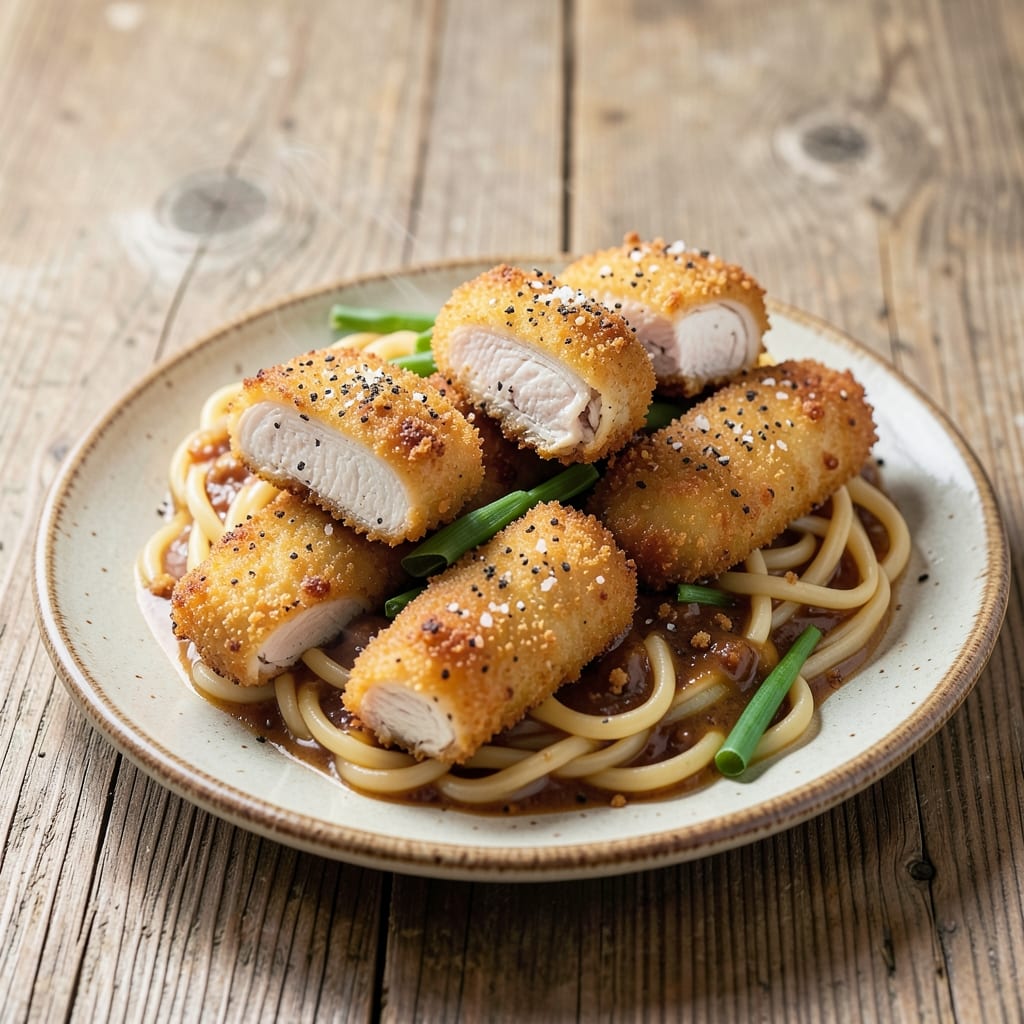
This chicken tenders and egg noodles recipe delivers the perfect balance of crispy golden bites and silky noodles—all in one pan for minimal cleanup. After years of perfecting crispy chicken techniques, I've simplified the process without sacrificing texture or flavor. The secret lies in a double-dredge breading that stays crispy even when tossed with noodles.
What sets this recipe apart is the ability to customize it with your favorite sauce—whether you prefer classic soy-garlic, rich teriyaki, or creamy cheese sauce. The egg noodles cook directly in the same pan as the chicken, absorbing all that delicious flavor while maintaining their tender texture. This method transforms a weeknight dinner into a restaurant-quality meal in under 30 minutes.
The chicken emerges with a crispy exterior that shatters at the first bite, revealing tender meat inside, while the noodles become silky and perfectly cooked. The sauce ties everything together, creating a cohesive dish that's hearty enough for a family meal but simple enough for a quick weeknight dinner. Every component comes together in harmony, making this one of my most requested recipes.
Whether you're feeding a crowd or just craving comfort food, this recipe delivers consistent results. The double-dredge technique ensures crispiness, while the one-pan method keeps prep straightforward. Ready to master this crowd-pleaser? Let's get started with the ingredients and step-by-step instructions.
Ingredients for chicken tenders and egg noodles
Pantry staples meet restaurant-quality technique for this one-pan masterpiece.
| Ingredient | Amount | Notes |
|---|---|---|
| Boneless Chicken Breast Cutlets 🍗 | 1 ½ lb | Pounded to 1/4-inch thickness |
| All-Purpose Flour 🌾 | 1 ½ cups | For breading, sifted preferred |
| Large Eggs 🥚 | 2 whole | Room temperature for even coating |
| Panko Breadcrumbs 🍞 | 1 ½ cups | Light and crispy texture |
| Diamond Crystal Kosher Salt 🧂 | 1 tsp | For seasoning chicken |
| Ground Black Pepper 🌶️ | ½ tsp | Freshly cracked for flavor |
| Garlic Powder 🧄 | 1 tsp | For breading seasoning |
| Onion Powder 🧅 | 1 tsp | For breading seasoning |
| Egg Noodles 🍝 | 12 oz | Fresh or dried, medium width |
| Vegetable Oil 🫒 | ½ cup | High smoke point preferred |
| Butter 🧈 | 2 tbsp | Unsalted for sauce control |
| Soy Sauce 🥢 | 2 tbsp | For classic sauce base |
| Garlic Cloves 🧄 | 3 cloves | Minced for sauce |
| Fresh Parsley 🌿 | ¼ cup | Chopped for garnish |
The chicken cutlets are non-negotiable for texture. Look for boneless, skinless breasts at your butcher or grocery store's meat counter—they should be freshly packaged with visible marbling. Pounding them to even thickness ensures perfect cooking. Trader Joe's and Whole Foods carry pre-cut chicken tenders if you prefer convenience, but pounded breasts give you more control. The flour should be sifted for a lighter coating, and Panko is essential for that signature crispiness—don't substitute regular breadcrumbs. Season the flour mixture with garlic and onion powder for subtle depth.
No panko? Crushed cornflakes work in a pinch, though the texture won't be identical. Fresh parsley is ideal for garnish, but dried parsley at one-third the amount suffices if needed. The soy sauce can be swapped for teriyaki or hoisin based on preference—just adjust the sweetness to taste. For extra richness in the sauce, add a splash of chicken broth or a pat of butter. The egg noodles should be medium-width to absorb flavor without becoming mushy. If using dried noodles, cook them al dente and drain well before adding to the pan.
Store prepped chicken pieces in the fridge for up to 24 hours before cooking, but bread them fresh for maximum crispiness. The sauce keeps for 3 days in the refrigerator—reheat gently and add a splash of water if it thickens. For meal prep, assemble the dish completely and refrigerate for up to 2 days, reheating in a skillet to restore crispiness. Freeze uncooked breaded chicken for 3 months by wrapping individual pieces in parchment paper before freezing.
Why You'll Love This Recipe
- Crispy in Minutes: I swear by the panko crust—it stays crunchy even after reheating, and the secret’s in the double-dredge (flour, egg, breadcrumbs, repeat). No frying skills needed; just a hot pan and five minutes of hands-off time.
- Noodle Hug Comfort: The egg noodles soak up the pan juices like sponges, turning this into a one-dish meal that feels indulgent without effort. Honestly, my kids fight over the last bite of the saucy noodles—no takeout can compete.
- Lunchbox Hero: Between us, these tenders reheat perfectly for school lunches or office meals. Pack the leftovers with a sprinkle of salt, and they’ll still taste like you slaved over them—no sad, rubbery chicken here.
- Budget Win: A pound of chicken breasts and a bag of noodles stretch to four meals for my family. The panko adds texture without cost, and I’ve never spent more than $10 on ingredients for a week’s worth of dinners.
Step-by-step instructions for crispy chicken tenders and silky egg noodles
The secret to perfect one-pan chicken tenders lies in the breading technique and sauce balance.
Prepare the Chicken and Breading Station
Place the 1.5 lb boneless chicken breast cutlets between two sheets of plastic wrap and pound them to an even ¼-inch thickness using a meat mallet. This ensures even cooking and maximum tenderness. Season both sides generously with 1 tsp Diamond Crystal kosher salt, ½ tsp ground black pepper, 1 tsp garlic powder, and 1 tsp onion powder—this seasoning will infuse through the breading.
In a shallow dish, combine the 1.5 cups all-purpose flour with an additional ½ tsp salt and ½ tsp pepper for the breading. In a second dish, whisk the 2 whole large eggs until frothy. In a third dish, spread the 1.5 cups panko breadcrumbs—this creates a crispy outer layer that locks in moisture. Arrange these three stations in order: flour, egg, then breadcrumbs. Working with one piece at a time prevents soggy breading.
Bread the Chicken for Maximum Crispiness
Dredge each chicken cutlet first in the flour, pressing gently to adhere. Shake off excess, then dip into the beaten eggs, allowing any excess to drip off. Finally, press the cutlets firmly into the panko breadcrumbs, coating all sides completely. This triple-layer breading creates that signature crunch while keeping the interior juicy. Place the breaded cutlets on a wire rack and let them rest for 5 minutes—this helps the breading set before frying.
Heat the ½ cup vegetable oil in a large skillet over medium-high heat until it reaches 350°F—a deep-fry thermometer is ideal, but the oil should shimmer steadily. Fry the chicken cutlets in batches for 3-4 minutes per side until they reach 165°F internally and achieve a golden-brown color. The key is patience here: don't overcrowd the pan or the temperature will drop, leading to greasy rather than crispy tenders. Transfer the cooked chicken to a paper towel-lined plate to drain excess oil.
Cook the Egg Noodles Al Dente
While the chicken fries, bring a separate pot of salted water to a rolling boil. Add the 12 oz egg noodles and cook according to package instructions, but remove them 1 minute early—they'll finish cooking in the sauce. Reserve ½ cup pasta water before draining, as this starchy liquid is essential for emulsifying the sauce. Drain the noodles and set aside, tossing occasionally with a bit of the reserved pasta water to prevent sticking.
Reduce the heat under the chicken to medium and add the 2 tbsp butter and 2 tbsp soy sauce to the skillet. Let the butter melt completely, then add the 3 minced garlic cloves and sauté for 30 seconds until fragrant. This garlic-infused butter forms the flavor base for the sauce. The residual heat from the pan will keep the chicken warm while you finish the dish.
Combine and Finish the Dish
Return the cooked chicken tenders to the skillet and pour in the reserved ½ cup pasta water. Add the drained egg noodles and toss everything together gently for 1-2 minutes, allowing the noodles to absorb the sauce while the chicken reheats. The pasta water helps create a silky, cohesive sauce that clings to both the noodles and tenders. If the sauce thickens too much, add another splash of pasta water to maintain the perfect consistency.
Remove from heat and stir in the ¼ cup chopped fresh parsley for a bright finish. The final dish should feature crispy, golden-brown chicken tenders with tender, al dente noodles coated in a savory soy-garlic butter sauce. Serve immediately while the chicken remains crispy and the noodles are hot. The one-pan technique keeps everything cohesive, and the proper breading sequence ensures that first bite delivers both texture and flavor.
Pro Tips For Making Chicken Tenders And Egg Noodles
- Pound Chicken Thin: The thinner the cutlet, the faster and more even the cooking. Use a meat mallet or rolling pin to flatten each piece to ¼-inch thickness—any thicker and you’ll end up with dry, overcooked edges while the center stays raw. (Yes, it’s tedious, but trust me, your noodles will thank you.)
- Salt the Flour Mix: Diamond Crystal kosher salt is less dense, so use twice the volume you’d use for table salt in your flour-panko-egg mix. Sprinkle it directly into the flour before dipping, then shake off excess—this guarantees every bite has that crispy, seasoned crunch. (I learned this after making bland tenders for three weeks straight.)
- Fry in Batches: Crowd the pan and your tenders will steam instead of brown. Cook no more than 3-4 at a time in 350°F oil (use a thermometer—guessing leads to greasy disasters). Let them sizzle for 3-4 minutes per side until golden, then drain on a wire rack. (Your future self will curse you if you skip this.)
- Rest Before Slicing: Skip the urge to cut into them immediately—they’ll fall apart. Let the tenders rest 5 minutes on a plate before slicing into strips. This keeps the panko crust intact and makes serving over noodles way easier. (I was skeptical until I tried it—now I never skip it.)
Creative variations of this recipe
Global Fusion Twist
Transform this dish into a Thai-inspired version by swapping the soy sauce for 2 tbsp fish sauce and 1 tbsp palm sugar, then adding 1 tsp lemongrass paste and ½ tsp chili flakes to the garlic butter. Toss in ½ cup shredded red cabbage and 2 tbsp chopped cilantro at the end for a fresh, tangy kick. 🌶️
Italian Comfort Style
For a Roman-inspired take, replace the soy sauce with 2 tbsp heavy cream and 1 tbsp tomato paste, then stir in ½ tsp dried oregano and ¼ tsp red pepper flakes. Top with ¼ cup grated Parmesan cheese and 2 tbsp chopped sun-dried tomatoes before serving. The creamy sauce pairs beautifully with the crispy chicken and egg noodles.
Spicy Cajun Kick
Add a Louisiana heat by mixing 1 tbsp Cajun seasoning (like Tony Chachere's) into the flour coating and 1 tsp smoked paprika into the garlic butter. After tossing with noodles, finish with 2 tbsp chopped green onions and a squeeze of lemon wedge on the side. Serve with a cooling side salad to balance the spice.
Sweet and Tangy Glaze
Create a Hawaiian-inspired glaze by simmering 2 tbsp pineapple juice, 1 tbsp honey, and 1 tsp grated ginger with the garlic butter. Drizzle this over the finished dish and garnish with ¼ cup toasted macadamia nuts for crunch. The sweet-tangy contrast elevates the savory chicken and noodles to new heights. 🍍
Cheesy Buffalo Bites
For a Buffalo-style variation, toss the fried chicken in ½ cup hot Buffalo sauce (like Frank's RedHot) after cooking, then mix in ½ cup shredded cheddar cheese and ¼ cup crumbled blue cheese with the noodles. The heat and creaminess create a perfect balance—serve with cool ranch dressing on the side for dipping.
Asian-Inspired Stir-Fry
Turn this into a quick stir-fry by cooking the chicken and noodles together in the same pan with 1 tbsp sesame oil, 1 tbsp oyster sauce, and 1 tsp grated ginger. Finish with 1 tbsp toasted sesame seeds and 2 tbsp sliced green onions. The wok-style technique keeps everything hot and flavorful in under 20 minutes.
Nutrition facts
Frequently asked questions
Can I use chicken thighs instead of breasts for this recipe?
Yes, but with adjustments! Chicken thighs stay juicier and can handle a thicker breading. Use 1.5 lb bone-in, skin-on thighs and pound them to ½-inch thickness. Increase fry time to 5-6 minutes per side until golden and 175°F internally. The skin adds extra flavor but may require more oil for crispiness.
How do I keep the chicken tenders crispy when tossing with noodles?
Cook the chicken just before adding noodles—never ahead of time. Use a wire rack over a baking sheet to drain excess oil after frying. When combining, work quickly over medium heat and add noodles first, then chicken. The residual heat will keep the coating crispy while the noodles finish cooking.
What if I don't have panko breadcrumbs?
Panko is ideal, but you can substitute with crushed cornflakes (for extra crunch) or regular breadcrumbs (for a denser texture). For best results, pulse dry breadcrumbs in a food processor for 10-15 seconds to create finer particles. Add ½ tsp cornstarch to the flour mixture to improve crispiness.
Can I make this dish ahead of time?
Prep the breaded chicken 1 day ahead and refrigerate on a wire rack. Cook the noodles fresh and reheat separately. When ready to serve, fry the chicken and combine everything in the pan for 2-3 minutes to revive crispiness. For make-ahead sauce, mix all ingredients except parsley and store in a jar—stir before using.
Why did my chicken turn out greasy instead of crispy?
Overcrowding the pan or using too little oil are the most common causes. Maintain a 350°F oil temperature and fry in small batches. Use ½ cup oil per batch and ensure chicken pieces don't touch. Let breaded chicken rest 5 minutes before frying to help coating adhere. If oil gets too cool, add more to maintain temperature.