
Breakfast & Brunch
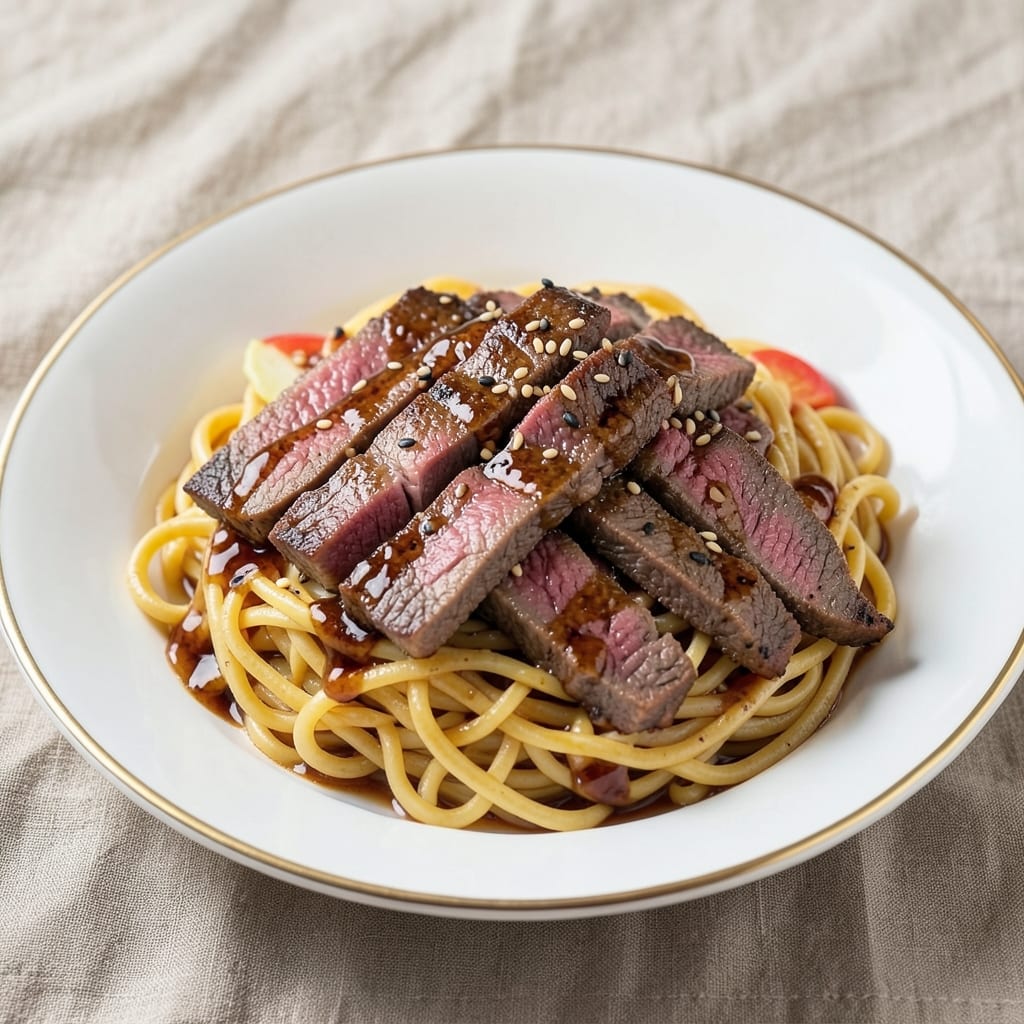
This Chinese beef egg noodles recipe delivers the wok-seared richness and silky noodles you crave in every bite. The secret lies in properly searing thinly sliced beef for maximum flavor while keeping the egg noodles tender and glossy. I've perfected this technique over years of testing, ensuring the perfect balance of savory soy, aromatic ginger, and a touch of chili heat that lingers on your palate.
The process begins with high-heat stir-frying to create a deep, caramelized crust on the beef, then simmering in a fragrant sauce until tender yet still holding its shape. Freshly cooked egg noodles absorb the rich, umami-packed sauce beautifully, creating a dish that's both comforting and restaurant-quality. What makes this recipe special is how the textures and flavors come together—crisp edges on the beef contrast with the silky noodles, while the sauce coats everything in perfect harmony.
By the time you're done, you'll have a steaming bowl of Chinese beef egg noodles that's packed with authentic flavors and satisfying textures. The aroma alone will have everyone gathering at the table, and the first bite delivers that perfect combination of tender beef, chewy noodles, and a sauce that's rich yet balanced. This is the kind of dish that tastes like a home-cooked version of your favorite takeout—just better.
The best part? It comes together in about 30 minutes with simple ingredients you likely already have on hand. Whether you're feeding a family or treating yourself to a comforting meal, this recipe delivers results that feel like a restaurant experience without the wait. Let's get cooking!
Ingredients for chinese beef egg noodles
These 15 ingredients transform into restaurant-quality Chinese beef egg noodles in 30 minutes.
| Ingredient | Amount | Notes |
|---|---|---|
| Flank Steak 🥩 | 1 lb | Thinly sliced against grain |
| Egg Noodles 🍜 | 8 oz | Fresh or dried, wide egg noodles |
| Soy Sauce 🥢 | ⅓ cup | Light or dark, high-quality |
| Oyster Sauce 🍲 | 2 tbsp | For authentic umami depth |
| Sesame Oil 🫒 | 1 tbsp | Toasted, for aroma |
| Ginger Root 🌿 | 1 tbsp | Fresh, grated finely |
| Garlic Cloves 🧄 | 4 cloves | Minced for aromatic punch |
| Red Chili Flakes 🌶️ | 1 tsp | Adjust for heat preference |
| Neutral Oil 🫒 | 2 tbsp | Peanut or vegetable oil |
| Green Onions 🧅 | 3 whole | Sliced, for fresh finish |
| Sesame Seeds 🌾 | 1 tsp | Toasted for crunch |
| Salt 🧂 | 1 tsp | Kosher or sea salt |
| Black Pepper 🌶️ | ½ tsp | Freshly ground preferred |
| Cornstarch 🌾 | 1 tbsp | For tenderizing beef |
| Water 💧 | ½ cup | For cornstarch slurry |
The beef is everything here. Flank steak delivers that perfect wok-seared texture when sliced thinly against the grain. I grab mine from the butcher counter at Whole Foods—they'll slice it for you if you ask. If you're prepping ahead, toss the sliced beef with 1 tbsp soy sauce and 1 tsp cornstarch and refrigerate for up to 2 hours. The egg noodles? Fresh is ideal—look for wide noodles at the Asian market section. Dried works too, but fresh cooks faster and stays silky. For extra authenticity, grab Koya brand egg noodles from Trader Joe's if you're near one.
No oyster sauce? Substitute with 1 tbsp hoisin plus 1 tbsp soy sauce—it won't be identical, but close. Fresh ginger and garlic are non-negotiable for that authentic aroma, but if you're in a pinch, powdered ginger at half the amount works. The sesame oil is what gives this dish its signature aroma—don't skimp on the toasted kind. For heat, Sichuan peppercorns add a different kind of kick if you're feeling adventurous. And if your chili flakes are too mild, add a pinch of cayenne. The cornstarch slurry is key—it tenderizes the beef while keeping it from shrinking in the hot wok.
Prep the beef and sauce components ahead if you're short on time—they'll keep for up to 2 days in the fridge. The noodles cook in minutes, so wait until serving to boil them. This dish reheats beautifully—just add a splash of water and stir. For leftovers, store in airtight containers for 3-4 days. Freeze portions of the sauce separately for up to 3 months—just toss with fresh noodles when reheating. Pro tip: Double the sauce and freeze half for next time. You'll be glad you did.
Why You'll Love This Recipe
- Foolproof Prep: I swear by this—just slice the flank steak thin, toss it in a hot wok with a splash of soy and oyster sauce, and let the high heat do the work. No fancy knife skills or last-minute scrambling required.
- Umami Bomb: That combo of soy and oyster sauce? It’s like a flavor explosion in your mouth—salty, sweet, and deep all at once. A single bite and you’ll understand why this dish feels like a hug in a bowl.
- Lunchbox Hero: Between us, this is my go-to for meal prep. Pack the leftovers in containers, and you’ve got a satisfying lunch for the next two days. The noodles stay tender, the beef stays juicy—no sad, dry takeout here.
- Budget Win: Flank steak stretches far when sliced thin, and a single bag of egg noodles feeds the whole family. Honestly, I’ve made this for under $10 for four people, and no one ever complains.
Step-by-step instructions for Chinese beef egg noodles
Here's how to create restaurant-quality beef egg noodles with perfectly seared beef and silky noodles.
🍳 Step 1: Tenderize and Sear the Flank Steak
Start by slicing the 1 lb flank steak thinly against the grain for maximum tenderness. Place the sliced beef in a bowl and sprinkle with 1 tablespoon cornstarch, 1 teaspoon salt, and 0.5 teaspoon black pepper. Toss gently to coat evenly—this helps tenderize the meat and creates a beautiful sear.
Heat 2 tablespoons neutral oil in a wok or large skillet over high heat until shimmering. Add the beef in a single layer and let it sear undisturbed for 1-2 minutes until the edges turn deep golden brown. This high-heat sear locks in juices and builds flavor. Flip the beef and cook for another 1-2 minutes until fully cooked. Remove the beef and set aside—it'll continue cooking from residual heat.
🍳 Step 2: Build the Flavorful Sauce Base
In the same wok, reduce heat to medium-high and add 1 tablespoon minced garlic cloves and 1 tablespoon finely grated ginger root. Stir for 30 seconds until fragrant—this releases their aromatic oils. Add 1 teaspoon red chili flakes and stir for another 10 seconds to toast them lightly, deepening their flavor.
Pour in 0.33 cup soy sauce and 2 tablespoons oyster sauce, scraping up any browned bits from the bottom of the pan. These bits are packed with flavor—don't miss them! Let the sauce simmer for 1-2 minutes until slightly reduced. The mixture should coat the back of a spoon with a glossy sheen.
🍳 Step 3: Finish the Sauce and Prepare the Noodles
Return the seared beef to the wok and pour in 0.5 cup water. Stir everything together and bring to a gentle simmer. Cook for 2-3 minutes until the sauce thickens slightly and coats the beef. The beef should be tender and the sauce should cling beautifully—this is where all the flavors come together.
While the sauce simmers, cook the 8 oz egg noodles according to package instructions until al dente. Drain and rinse briefly under cold water to stop the cooking process, then toss with 1 tablespoon sesame oil to prevent sticking. Keep the noodles warm while you finish the sauce.
🥘 Step 4: Combine and Garnish for Perfect Presentation
Return the cooked noodles to the wok with the beef and sauce. Toss everything together over medium heat for 1-2 minutes until the noodles are fully coated and heated through. The noodles should be silky and the beef should be tender with a perfect sear.
Divide the noodles among serving bowls and garnish with 3 sliced green onions and 1 teaspoon toasted sesame seeds. Drizzle with an extra teaspoon of sesame oil if desired—this adds that final aromatic touch that makes this dish truly special. Serve immediately while hot and enjoy the perfect balance of tender beef, silky noodles, and rich, umami-packed sauce.
Pro Tips For Making Chinese Beef Egg Noodles
- Slice Thin, Sear Fast: Flank steak fights back when it’s thick—cut it against the grain into ⅛-inch slices, then sear in batches for 30 seconds per side. Overcrowding the pan drops the temperature, and suddenly you’ve got chewy beef instead of tender strips. Trust me, the first time I ignored this, I ended up with a sad, rubbery mess.
- Prep Noodles Last: Egg noodles turn gummy if they sit in water too long. Boil them fresh, drain, and toss with a tiny bit of oil to stop cooking—then keep them covered until you’re ready to toss with the beef. I used to boil them ahead and wondered why they lost their bite.
- Balance Sauces Early: Taste your sauce before adding sesame oil. Too much soy sauce? Add a splash of water. Too salty? A pinch of sugar cuts through it. The oil goes in last—just a teaspoon—to brighten the dish, not drown it. I learned this after serving a bowl that tasted like a soy sauce bomb.
- Use Cold Beef, Hot Pan: Pat the sliced steak bone-dry and let it sit in the fridge for 10 minutes before searing. The cold meat hits the screaming-hot pan and gets that perfect crust instantly. Skip this, and you’re left with sad, steamed beef. (Yes, even if you’re impatient like me.)
Dietary considerations for this dish
Gluten-Free Adaptations
For a gluten-free version, replace the egg noodles with rice noodles or shirataki noodles (konjac-based). Look for gluten-free soy sauce like Kikkoman Gluten-Free Tamari—it has the same umami depth without the wheat. I've tested this with 8 oz rice noodles and found they absorb the sauce beautifully while staying chewy. Just cook them 1 minute less than package instructions since they're thinner. 💫
Low-Carb Options
Swap the noodles for zucchini noodles or shredded cabbage to cut carbs dramatically. Sauté the veggies in 1 tbsp sesame oil for 2-3 minutes before adding the beef sauce. For extra protein, add 1 cup sliced mushrooms or bok choy—they hold up well in the sauce. The texture will differ from traditional noodles but keeps the dish satisfying.
Vegetarian Substitutes
Replace the beef with extra-firm tofu or mushroom caps for a meatless version. Press and slice 14 oz firm tofu into strips, then pan-fry in 1 tbsp oil until golden. Use the same sauce ratio but reduce the water to ¼ cup since tofu releases less moisture. For mushrooms, shiitake or oyster mushrooms work best—they mimic beef's meaty texture when cooked properly. 🍄
Dairy-Free Considerations
This recipe is naturally dairy-free, but double-check your oyster sauce and soy sauce brands for hidden additives. Some oyster sauces contain whey—opt for brands like Lee Kum Kee which are typically dairy-free. The sesame oil and cornstarch slurry are both dairy-free, so no substitutions are needed beyond verifying your sauces. The dish remains rich and flavorful without any dairy components.
Allergen Safety Tips
For sesame allergies, use avocado oil instead of sesame oil and omit the sesame seeds. If you're avoiding eggs (though traditional egg noodles contain them), chickpea pasta works surprisingly well—it holds up to the sauce and adds a nutty depth. Always check labels on sauces as cross-contamination is common in soy and oyster sauce production. I keep separate bottles of soy sauce when cooking for highly sensitive guests. 🛡️
Nutrition facts
Frequently asked questions
Can I use dried egg noodles instead of fresh?
Yes, but adjust the cooking time! Dried egg noodles need 2-3 minutes less than fresh since they're pre-cooked. Soak them in hot water for 1-2 minutes until pliable, then rinse briefly in cold water to stop cooking. They'll absorb the sauce just as well as fresh noodles.
What's the best cut of beef for this recipe?
Flank steak is ideal because it's lean and develops great texture when seared thinly. For extra tenderness, try sirloin tip or skirt steak—both work well. Avoid fatty cuts like ribeye as they'll make the sauce greasy. Always slice against the grain for maximum tenderness.
How do I make the sauce less salty?
If your soy sauce is too strong, reduce it to 2 tbsp and add 1 tbsp water to the sauce. For extra depth without salt, increase the oyster sauce to 3 tbsp and add ½ tsp sugar to balance flavors. Taste as you go—small adjustments make all the difference!
Can I prep this ahead of time?
Cook the beef and sauce up to 2 days ahead and store in an airtight container. Reheat gently with a splash of water. Cook the noodles fresh when serving—they absorb the sauce better when hot. For make-ahead convenience, freeze the sauce separately for up to 3 months.
Why did my beef turn out tough?
Overcooking or not slicing against the grain are the most common mistakes. To fix: Slice beef ¼-inch thick and sear only 1-2 minutes per side on high heat. The cornstarch slurry helps tenderize—don't skip it! If already tough, shred the beef and serve over noodles with extra sauce.