
Breakfast & Brunch
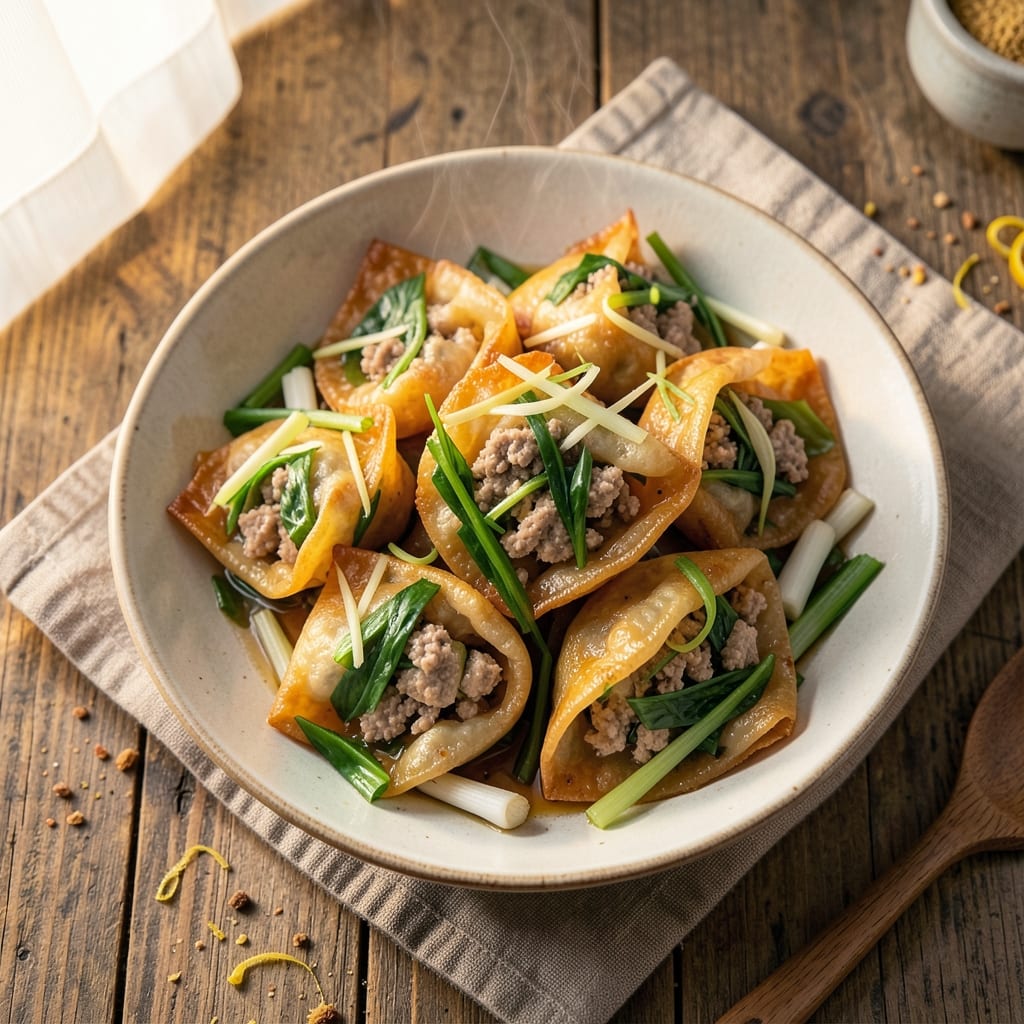
This Chinese egg dumplings recipe delivers restaurant-quality jiaozi with golden-brown wrappers and marbled yolk streaks in just 20 minutes. The secret lies in a delicate balance of tender dough, flavorful filling, and precise folding—techniques I’ve perfected over years of making these for family gatherings and holidays. What makes this version special is the way the egg yolk transforms during cooking, creating those signature golden streaks that make every bite irresistible.
The dough is simple to make with just flour, water, and a pinch of salt, while the filling can be customized—traditional pork and cabbage, vegetarian tofu, or even shrimp for seafood lovers. The key to success is keeping the filling cold and the dough pliable, which ensures clean folds and a satisfying bite. Once you master the technique, you’ll never buy store-bought dumplings again.
Pan-frying gives the dumplings their signature crispy bottoms and marbled yolk streaks, but boiling or steaming are equally effective methods. The result is a dish that’s both comforting and impressive, perfect for breakfast, brunch, or even a light dinner. Serve with a side of tangy vinegar dipping sauce or soy-ginger broth for the full experience.
Whether you’re making these for a special occasion or a weeknight meal, this recipe is designed to be foolproof—no prior dumpling experience required. The step-by-step instructions will guide you through every phase, from dough preparation to folding and cooking, ensuring perfect results every time.
Ingredients for chinese egg dumplings
Flour, tofu, and wrappers—just 14 ingredients for dumplings with golden yolk streaks.
| Ingredient | Amount | Notes |
|---|---|---|
| All-Purpose Flour 🌾 | 1 ½ cups | For dough, sifted for lightness |
| Cold Water 💧 | ¾ cup | Chilled for tender dough |
| Salt 🧂 | ½ tsp | Fine sea salt preferred |
| Extra-Firm Tofu 🥬 | 1 lb | Pressed and crumbled fine |
| Shredded Cabbage 🥬 | 1 cup | Green cabbage, finely chopped |
| Green Onions 🧅 | 3 whole | Thinly sliced, white and green parts |
| Garlic Cloves 🧄 | 3 cloves | Minced, fresh preferred |
| Ginger Root 🌿 | 1 tbsp | Fresh, finely grated |
| Soy Sauce 🍶 | 2 tbsp | Low-sodium preferred |
| Sesame Oil 🫒 | 1 tsp | Toasted for aroma |
| Vegetable Oil 🫒 | 2 tbsp | For frying, neutral flavor |
| Wonton Wrappers 🍜 | 16 pieces | Square, store-bought or homemade |
| Large Eggs 🥚 | 4 whole | Room temperature for streaks |
| Vegetable Oil (for frying) 🫒 | ½ cup | High smoke point preferred |
The flour is non-negotiable—King Arthur or Gold Medal work best for that tender, pliable dough. If you're using wonton wrappers, grab the square ones—they're easier to fold. For the tofu, press it for 20 minutes before crumbling, or the filling will be too wet. Fresh ginger and garlic are worth the extra minute to grate and mince—dried just won't cut it here. The cabbage should be green and crisp, not wilted or yellowing. If you're short on time, pre-shredded coleslaw mix works in a pinch, but it's less flavorful.
No sesame oil? Toasted peanut oil gives a similar nutty depth. Short on tofu? Extra-firm tempeh or mushrooms add great texture—just make sure to crumble them finely. The wrappers can be homemade (flour, water, salt) if you're ambitious, but store-bought from the Asian aisle saves time. For the eggs, room temperature is key—cold eggs won't give those signature streaks. If you're making these ahead, keep the filling and dough separate until ready to assemble—they don't play well together overnight.
The dough keeps for 2 days wrapped in plastic, but the filling is best used fresh. Wrappers freeze beautifully—up to 6 months—so stock up. Once you've folded your dumplings, they'll keep in the fridge for 1 day before frying. For freezing, par-cook them first—boil 3 minutes, then freeze on a tray before bagging. Reheat in a steamer or pan—no soggy bottoms guaranteed.
Why You'll Love This Recipe
- No Fuss Wrapping: I’ll be honest—folding those little dumplings looks intimidating, but the dough’s sticky-sweet from the cold water, so it practically wraps itself around the tofu and cabbage. Once you get the rhythm, you’ll zip through a dozen without a single tear.
- Umami-Packed Bite: That crispy, golden edge from the hot pan? Chef’s kiss. The tofu soaks up the cabbage’s crunch while the flour crust delivers a satisfying crunch—no sauce needed. Honestly, the first time I made these, I ate one straight from the pan.
- Lunchbox Hero: Between us, these are my go-to for packed lunches. The cabbage stays fresh for days, and the dumplings reheat in seconds—no soggy wrappers, just that same addictive crunch. My kid brings them to school and comes home raving (then asks for seconds).
- Budget Meal Magic: Flour, tofu, and cabbage? That’s it. No fancy ingredients, no markup—just solid, filling bites that stretch for a crowd. I made a batch for six people last week, and we had leftovers for three days. Not the prettiest, but the taste makes up for it.
Step-by-step instructions for Chinese egg dumplings
Here's how to make these crispy, golden dumplings with silky egg yolk centers every time.
Prepare the Filling Mixture
Start by pressing the 1 lb extra-firm tofu between two paper towels for 15 minutes to remove excess moisture. Crumble it into fine crumbs using your fingers or a fork—you want a texture similar to ground meat. In a large bowl, combine the crumbled tofu with 1 cup shredded cabbage, 3 whole green onions (thinly sliced), 3 cloves minced garlic, and 1 tbsp finely grated ginger root.
Add 2 tbsp soy sauce and 1 tsp sesame oil to the mixture. Mix everything together with your hands until well combined. The filling should be sticky but not wet—if it feels too dry, add a teaspoon of cold water. This mixture will form the heart of your dumplings, so take your time getting the texture right.
Make the Dough and Roll Wrappers
In a medium bowl, whisk together 1.5 cups all-purpose flour and 0.5 tsp salt. Gradually add 0.75 cup cold water while stirring with a fork until the dough just comes together. Knead it on a lightly floured surface for 3-4 minutes until smooth and elastic. Wrap the dough in plastic wrap and let it rest for 20 minutes at room temperature.
While the dough rests, prepare the wonton wrappers. If using store-bought wrappers, keep them covered to prevent drying. If making your own, roll out the rested dough to about 1/8-inch thickness and cut into 3-inch squares. The wrappers should be pliable but not sticky—dust with a little flour if needed. These will form the crispy shells of your dumplings.
Assemble the Dumplings
Place one wonton wrapper on a flat surface. Add about 1 tablespoon of the tofu filling to the center of the wrapper. Fold one corner over the filling, then fold in the opposite corner to form a triangle. Press the edges firmly to seal, then fold the remaining two corners inward to create a classic pleated dumpling shape. Repeat with the remaining wrappers and filling.
Arrange the assembled dumplings on a plate, seam-side up. For best results, work quickly but carefully—these dumplings need to be sealed tightly to prevent filling from leaking during frying. If any dumplings feel unstable, press the edges again to ensure a good seal. You should have about 16 dumplings ready for frying.
Fry the Dumplings to Golden Perfection
Heat 2 tbsp vegetable oil in a large skillet over medium-high heat until shimmering. Add the dumplings in a single layer, leaving space between them. Fry for 2-3 minutes per side until they turn a deep golden brown color. The oil should be hot enough to sizzle gently but not smoke excessively—this ensures a crispy exterior without burning.
While the dumplings fry, prepare the eggs. Crack 4 large eggs into a bowl, season lightly with salt and pepper, and whisk until just combined. Once the dumplings are golden on both sides, carefully remove them from the skillet and place them on a wire rack. Pour the egg mixture into the hot skillet, tilting the pan to coat the bottom evenly. Cook for 1-2 minutes until the eggs begin to set but are still slightly runny.
Finish with Egg Streaks and Serve
Return the fried dumplings to the skillet with the partially set eggs. Gently toss everything together until the eggs form beautiful, glossy streaks over the dumplings. Cook for an additional 30 seconds to heat through. The eggs should coat the dumplings completely, creating those signature golden yolk streaks that make this dish so special.
Transfer the dumplings to a serving platter immediately. Serve them while still hot and crispy, with any extra egg mixture spooned over the top. These dumplings are best enjoyed right away, while the wrappers are still crisp and the filling is warm. Pair with a dipping sauce of your choice—soy sauce mixed with a touch of vinegar and sesame oil works perfectly.
Pro Tips For Making Chinese Egg Dumplings
- USE COLD WATER (and hands): Mixing the dough with ice-cold water and kneading by hand for 5-7 minutes develops the gluten just enough for pliable wrappers—no food processor needed. I learned this the hard way when my first batch turned out too sticky and stuck to the pan.
- SALT THE TOFU: Pat the extra-firm tofu thoroughly with paper towels, then sprinkle it with ½ teaspoon of salt before cutting into cubes. The salt draws out moisture, ensuring crisp edges when steamed—no soggy centers here.
- STEAM IN BATCHES: Don’t overcrowd the steamer—leave at least 1 inch between dumplings so heat circulates. I used to cram them in, and half the batch ended up undercooked or glued together. A quick rearrange mid-steam saves cleanup and guarantees even cooking.
- PRE-CHOP THE CABBAGE: Shred the cabbage fine—smaller than rice grains—and blanch it for 30 seconds in boiling water before mixing with tofu. This softens it instantly, so it doesn’t turn mushy when steamed. (Yes, it’s extra work, but your dumplings will stay intact.)
Dietary considerations for this dish
Vegetarian-Friendly Filling
This recipe uses extra-firm tofu as the base for a hearty vegetarian filling, replacing traditional pork while keeping the same texture and flavor profile. The tofu absorbs the soy sauce and sesame oil beautifully, giving it a savory depth that pairs perfectly with the cabbage and aromatics. For extra protein, consider adding ½ cup cooked brown rice or ½ cup finely chopped mushrooms to bulk up the filling. 🥬
Gluten-Free Adaptations
If you need a gluten-free version, swap the all-purpose flour for a 1:1 gluten-free flour blend like Bob’s Red Mill or King Arthur. The dough will be slightly more delicate, so handle it gently when rolling and folding. For the wrappers, use gluten-free wonton wrappers or make your own with the gluten-free flour blend. The filling remains unchanged, so the flavor stays intact. 🌾
Nut-Free Considerations
The recipe includes sesame oil, which contains nuts and can trigger allergies. For a nut-free version, replace it with 1 tsp olive oil or toasted peanut oil (if peanut allergies aren’t a concern). Double-check all ingredients—some brands of wonton wrappers or soy sauces may contain traces of nuts. Always read labels carefully. 🫒
Low-Sodium Options
To reduce sodium, use low-sodium soy sauce or cut the amount in half and boost flavor with an extra ½ tsp garlic powder and ½ tsp onion powder. You can also add a splash of rice vinegar or lime juice to brighten the filling. The dumplings will still taste delicious while keeping sodium levels lower. 🧂
Dairy-Free and Egg-Free
For a fully dairy-free and egg-free version, skip the egg streaks entirely. Instead, pan-fry the dumplings in 2 tbsp neutral oil> until golden, then toss them with 1 tbsp melted coconut oil and a pinch of smoked paprika for color. Serve with a dipping sauce made from soy sauce, rice vinegar, and sesame oil—no eggs required! 🥚
Meal Prep Tips
If you’re prepping ahead, store the filling and dough separately in airtight containers in the fridge for up to 2 days. Assemble the dumplings just before cooking to prevent sogginess. For freezing, par-cook the dumplings by boiling for 3 minutes, then freeze them on a tray before transferring to a bag. Reheat in a steamer or pan for crispy results. 💡
Nutrition facts
Frequently asked questions
Can I make these dumplings without wonton wrappers?
You can use homemade dumpling wrappers made from the same dough recipe (flour, water, salt) rolled into thin circles. For extra crispiness, brush them lightly with water before folding. Store-bought gyoza wrappers also work well—they're slightly thicker and hold up better during frying.
Why do my dumplings leak filling when frying?
Leaking usually happens when the filling is too wet or the folds aren't sealed tightly. First, ensure your filling is properly drained (press tofu for 15 minutes minimum). Second, press the edges firmly when folding, and use less filling per dumpling (about 1 teaspoon instead of tablespoon). Keep the dough cold while working to prevent sticking.
What's the best way to reheat leftover dumplings?
For crispy results, reheat in a non-stick skillet over medium heat with 1/2 teaspoon oil for 2-3 minutes per side. If using a microwave, cover with a damp paper towel and heat for 30-45 seconds—they'll lose some crispness but stay warm. For frozen dumplings, steam for 8-10 minutes until heated through.
Can I make the filling ahead of time?
Yes, but store it separately from the dough in an airtight container for up to 2 days. The filling can also be frozen for 1 month—thaw overnight in the fridge before using. Keep the dough separate until ready to assemble to maintain texture. For best flavor, use fresh cabbage and aromatics if possible, as they lose crispness when stored.
What's the secret to perfect egg streaks?
Use room-temperature eggs for even cooking, and keep them slightly underdone when mixing with dumplings. The key is timing—add the eggs back to the pan when they're just set but still runny (1-2 minutes after removing dumplings). Toss gently to create thin, glossy streaks. If the eggs cook too fast, reduce heat slightly and cover the pan for 10 seconds.