
Breakfast & Brunch
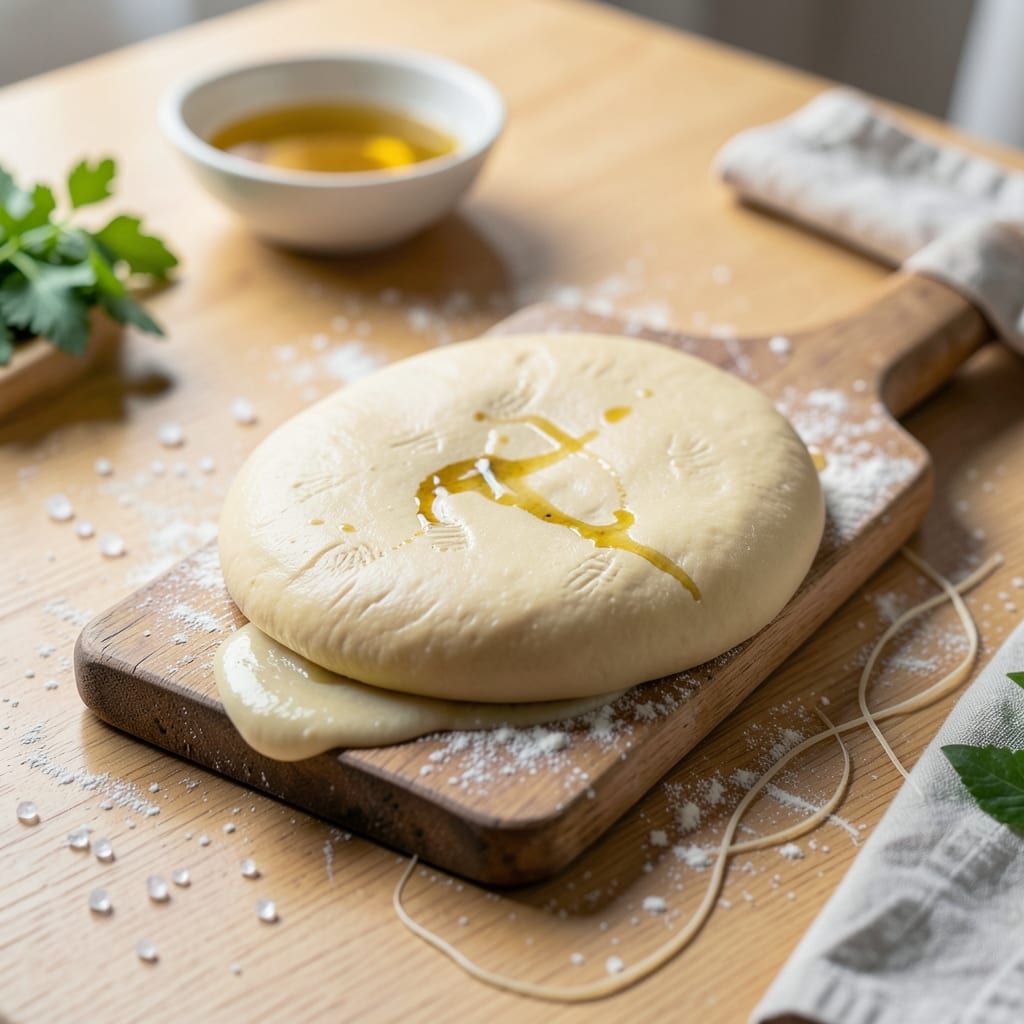
This Chinese egg noodle dough recipe delivers the silky, elastic texture that makes homemade noodles worth every minute of effort. 🔥 The secret lies in precise ingredient ratios and proper kneading—no shortcuts here, just traditional technique that yields noodles with perfect bite and chew. I've perfected this method over years of testing, ensuring your noodles will be restaurant-quality without the fuss.
What sets this dough apart is the balance between egg yolks and flour, which creates that signature tender yet resilient texture. The kneading process is simple but critical—we'll work the dough just enough to develop gluten without overworking it. A proper rest period allows the gluten to relax, resulting in noodles that stretch beautifully when cooked. Whether you're making hand-pulled noodles or cutting them with a knife, this dough adapts perfectly.
Once shaped, these noodles can be stir-fried with your favorite proteins and vegetables or boiled for soups—both methods highlight their silky texture. The dough keeps well in the refrigerator for up to 3 days or can be frozen for longer storage, making it a versatile staple for any home cook. With just a few simple ingredients and careful technique, you'll achieve noodles that taste like they came from a bustling Chinese kitchen.
For those short on time, I'll share a stand mixer adaptation that cuts kneading time in half while maintaining texture. The key is patience—don't rush the resting period, as this is where the magic happens. Let's get started on making noodles that will impress even the most discerning eaters.
Ingredients for chinese egg noodle dough
Seven simple ingredients transform into silky, restaurant-style egg noodles with perfect bite.
| Ingredient | Amount | Notes |
|---|---|---|
| All-Purpose Flour 🌾 | 3 cups | High-protein preferred for elasticity |
| Large Egg Yolks 🥚 | 6 whole | Room temperature for best texture |
| Water 💧 | ½ cup | Room temperature preferred |
| Kosher Salt 🧂 | ½ tsp | Fine grain preferred |
| Vegetable Oil 🫒 | 1 tbsp | For dough handling |
| Sesame Oil 🌿 | 1 tsp | Optional, for flavor |
| Rice Vinegar 🍶 | 1 tsp | For dough elasticity |
The flour is non-negotiable here—King Arthur or Gold Medal are my go-tos for that signature chew. Egg yolks make all the difference (no whites, they dry things out), so grab the freshest you can find. Trader Joe's sells them in cartons—great for this recipe. Room temperature ingredients mix better, so take the yolks and water out 15 minutes ahead. The rice vinegar might seem odd, but it helps tenderize the dough for that authentic stretch. If you're in a pinch, apple cider vinegar works too—just use the same amount.
No sesame oil? Toasted peanut oil adds a similar nutty depth. Short on rice vinegar? White vinegar at half the amount gets you close, but the flavor won't be identical. The vegetable oil is just for handling—don't skip it, but don't overdo it either. For the salt, Diamond Crystal is my choice (it's coarser, so use a bit less). If you're making a big batch, double-check your measurements—the flour should be spooned and leveled, not scooped directly from the bag. And trust me, the sesame oil? Worth it for that authentic aroma.
This dough is a keeper—wrap it tightly in plastic and refrigerate for up to 3 days. For longer storage, freeze portions wrapped in parchment. Thaw overnight in the fridge before using. The dough doubles in size after resting, so don't panic if it looks huge. I like to portion it into 8-ounce balls before freezing for easy use. Pro tip: Spritz the dough lightly with water before rolling to prevent sticking—a spray bottle works perfectly. And if you're feeling fancy, brush the finished noodles with a tiny bit of sesame oil before serving.
Why You'll Love This Recipe
- Four-Ingredient Magic: I swear, this dough comes together with just flour, yolks, water, and a pinch of salt—no fancy mixers or kneading marathons. The yolks give it that signature golden hue and chewy texture without overcomplicating things.
- Rich Without Effort: That tiny splash of oil and the yolks’ natural richness create a noodle so tender it practically melts in your mouth. Honestly, it tastes like you slaved over it for hours—when really, you just mixed and rolled.
- Weeknight Superstar: Make a batch on Sunday, freeze half, and boom—you’ve got fresh noodles for stir-fries, soups, or even a quick egg scramble all week. My kids beg for it, and I haven’t once regretted the prep.
- Budget-Friendly Luxury: Flour and eggs? That’s it. No specialty ingredients, no markup—just pure, satisfying noodles that cost pennies per serving. Between us, this is how I feed a crowd without breaking the bank.
Step-by-step instructions for Chinese egg noodle dough
Here's how to make silky, elastic noodles that'll impress anyone who tries them.
👨🍳 Step 1: Create the Dough Base
In a large mixing bowl, combine the 3 cups all-purpose flour and 0.5 tsp kosher salt. Use your fingers to create a well in the center and make a small indentation. This creates space for the other ingredients to mix in without creating a flour cloud.
Add the 6 whole large egg yolks, 0.5 cup water, 1 tbsp vegetable oil, 1 tsp sesame oil, and 1 tsp rice vinegar to the well. The rice vinegar might seem odd, but it adds subtle elasticity to the noodles. Let the liquids soak into the flour for 1-2 minutes before mixing.
👨🍳 Step 2: Knead Until Silky Smooth
Use a fork to gently mix the ingredients in the bowl until they come together into a shaggy dough. Then turn it out onto a lightly floured surface. Knead for 8-10 minutes using a rhythmic motion—press down, fold, and turn the dough while pulling it toward you.
You're looking for a smooth, elastic dough that springs back when poked. If it feels too sticky, add 1 tablespoon of flour at a time until it becomes manageable. The dough should feel slightly tacky but not wet. Wrap it tightly in plastic wrap and rest for 30 minutes at room temperature.
🔪 Step 3: Divide and Prepare for Rolling
After resting, divide the dough into 4 equal pieces (about 4 ounces each). This makes them easier to handle. Cover three pieces with a damp towel to prevent drying while you work with the first piece. Roll each piece into a ¼-inch thick log, about 12 inches long.
For the best texture, keep the dough pieces covered until you're ready to roll them out. If the surface feels dry, lightly dust with flour, but don't overdo it—the extra flour can make the noodles tough. The dough should feel cool and slightly springy to the touch.
🍳 Step 4: Roll and Cut for Perfect Noodles
Use a rolling pin to flatten one dough log to about ⅛-inch thickness. If the dough sticks, dust lightly with flour. Roll it out on a floured surface until it's smooth and even. For traditional Chinese noodles, cut the dough into ¼-inch wide strips using a sharp knife or noodle cutter.
To prevent sticking, toss the cut noodles in a little flour while you work. You can also stretch them gently between your palms for extra elasticity. The noodles should be uniform in width and slightly translucent when held up to the light.
⏰ Step 5: Cook Immediately or Store Properly
Cook the noodles immediately in boiling salted water for 2-3 minutes until they float to the surface. They're done when they're tender but still have a slight bite. Drain and rinse briefly with cold water to stop cooking, then toss with a little oil to prevent sticking.
If not using right away, store the uncooked noodles in an airtight container in the refrigerator for up to 3 days or freeze for 3 months. For best results, cook from frozen without thawing—just add 1-2 extra minutes to the cooking time. These noodles are perfect for stir-fries, soups, or any dish that needs that authentic chewy texture.
Pro Tips For Making Chinese Egg Noodle Dough
- Use Cold Yolks: I learned this the hard way—room-temperature egg yolks make the dough greasy and hard to handle. Whisk them with a pinch of salt first, then chill the mixture for 10 minutes before mixing with flour. The cold yolks cut through the flour better and keep the dough from turning into a sticky mess.
- Knead Just Enough: This isn’t the prettiest method, but it’s the tastiest. Stop kneading once the dough holds together when pressed—about 3-4 minutes by hand. Overworking it develops gluten, which makes the noodles tough instead of tender. You’re going for soft, silky texture, not bread dough.
- Rest the Dough: Skip this, and your noodles will tear when rolling. Wrap the dough in plastic and let it sit for at least 30 minutes (or up to 2 hours in the fridge). The rest relaxes the gluten, making it easier to roll thin and preventing cracks. I know, I know—waiting feels like torture, but trust the process.
- Add Oil Sparingly: Too much vegetable oil makes the dough slippery and hard to shape. Use just 1 teaspoon—enough to lightly coat the dough as you knead. The yolks already provide richness, and extra oil turns the noodles greasy instead of delicate. Less is more here.
Best sauces and condiments for this chinese egg noodle dough
Classic Soy Sauce Stir-Fry
Start with a simple soy sauce stir-fry that lets the noodles shine. Heat 1 tbsp neutral oil (like vegetable or peanut) in a wok or skillet over high heat. Add 1 cup thinly sliced cabbage, ½ cup shredded carrots, and ½ cup sliced mushrooms, stir-frying for 2-3 minutes until crisp-tender. Push veggies aside, add 2 tbsp minced garlic and 1 tbsp grated ginger, then pour in 3 tbsp soy sauce (use Kikkoman for authentic flavor) and 1 tbsp Shaoxing wine. Toss in 2 cups cooked noodles and stir-fry for 1-2 minutes until everything is coated and heated through. Finish with 1 tsp sesame oil and 2 tbsp chopped green onions. 🔥
Spicy Chili Oil Noodles
For a bold kick, try spicy chili oil noodles. Cook the noodles as directed, then drain and toss with 1 tbsp chili oil (I love Lao Gan Ma brand) and 1 tsp doubanjiang (fermented chili bean paste). Heat 1 tbsp oil in a pan, add 2 minced garlic cloves, and 1 tbsp minced scallions, then pour in 2 tbsp soy sauce, 1 tbsp rice vinegar, and 1 tsp sugar. Toss the noodles in the sauce, then top with 2 tbsp crushed peanuts and extra chili oil. The heat balances perfectly with the noodles' silky texture.
Sesame-Ginger Dressing
Elevate cold noodles with a sesame-ginger dressing. Whisk together 3 tbsp tahini, 2 tbsp rice vinegar, 1 tbsp soy sauce, 1 tbsp honey, 1 tbsp grated ginger, 1 tsp toasted sesame oil, and 1 minced garlic clove. Toss with 2 cups cooked and cooled noodles, then garnish with 2 tbsp chopped cilantro and 1 tbsp toasted sesame seeds. This dressing adds nutty depth and a refreshing tang—perfect for summer meals. ✨
Sweet and Sour Sauce
Brighten your noodles with a sweet and sour sauce that cuts through richness. Mix 3 tbsp rice vinegar, 2 tbsp soy sauce, 1 tbsp honey, 1 tbsp ketchup, and 1 tsp cornstarch to thicken. Stir-fry ½ cup diced bell peppers, ½ cup pineapple chunks, and 2 tbsp chopped water chestnuts in 1 tbsp oil for 2 minutes, then add the sauce and toss with 2 cups cooked noodles. Finish with 1 tbsp chopped scallions and a sprinkle of sesame seeds for crunch. This sauce works wonders in both hot and cold noodle dishes.
Garlic Butter Finish
For a quick, restaurant-style upgrade, add a garlic butter finish. Once your noodles are cooked, drain them and toss with 1 tbsp melted butter and 1 tsp minced garlic. The butter adds richness while the garlic enhances the noodles' natural flavor. Serve immediately with a sprinkle of flaky sea salt and black pepper. This method is foolproof and takes less than 2 minutes—ideal for weeknight dinners.
Nutrition facts
Frequently asked questions
Why does this dough recipe use only egg yolks and not whole eggs?
Egg yolks create the signature silky, elastic texture that makes these noodles special. The fat content in yolks adds richness while keeping the dough tender, whereas egg whites would dry it out. This ratio also prevents the noodles from becoming tough when cooked.
Can I make this dough without a stand mixer?
The recipe is designed for hand-kneading. Just use a lightly floured surface and knead for 8-10 minutes until smooth and elastic. The resting period is key—don't skip it, as it develops the gluten for perfect texture. A stand mixer helps, but it's not required.
What's the best way to store leftover dough?
Wrap the dough tightly in plastic wrap and refrigerate for up to 3 days. For longer storage, freeze portions in airtight containers for 3 months. Thaw overnight in the fridge before using. The dough keeps best when tightly sealed to prevent drying.
How do I fix dough that's too sticky?
If your dough feels too sticky, add 1 tablespoon of flour at a time until it becomes manageable. Work quickly to avoid over-flouring—just enough to make it pliable. The dough should feel slightly tacky but not wet. If it's still sticky after adding flour, let it rest for 10 extra minutes covered with a damp towel.
Can I use this dough for other types of noodles?
Yes! This versatile dough works for hand-pulled noodles, knife-cut strips, or even dumpling wrappers if rolled thin. For thicker noodles, roll the dough to ¼-inch thickness and cut into wider strips. The key is keeping the dough well-covered while working to maintain elasticity.