
Main Courses
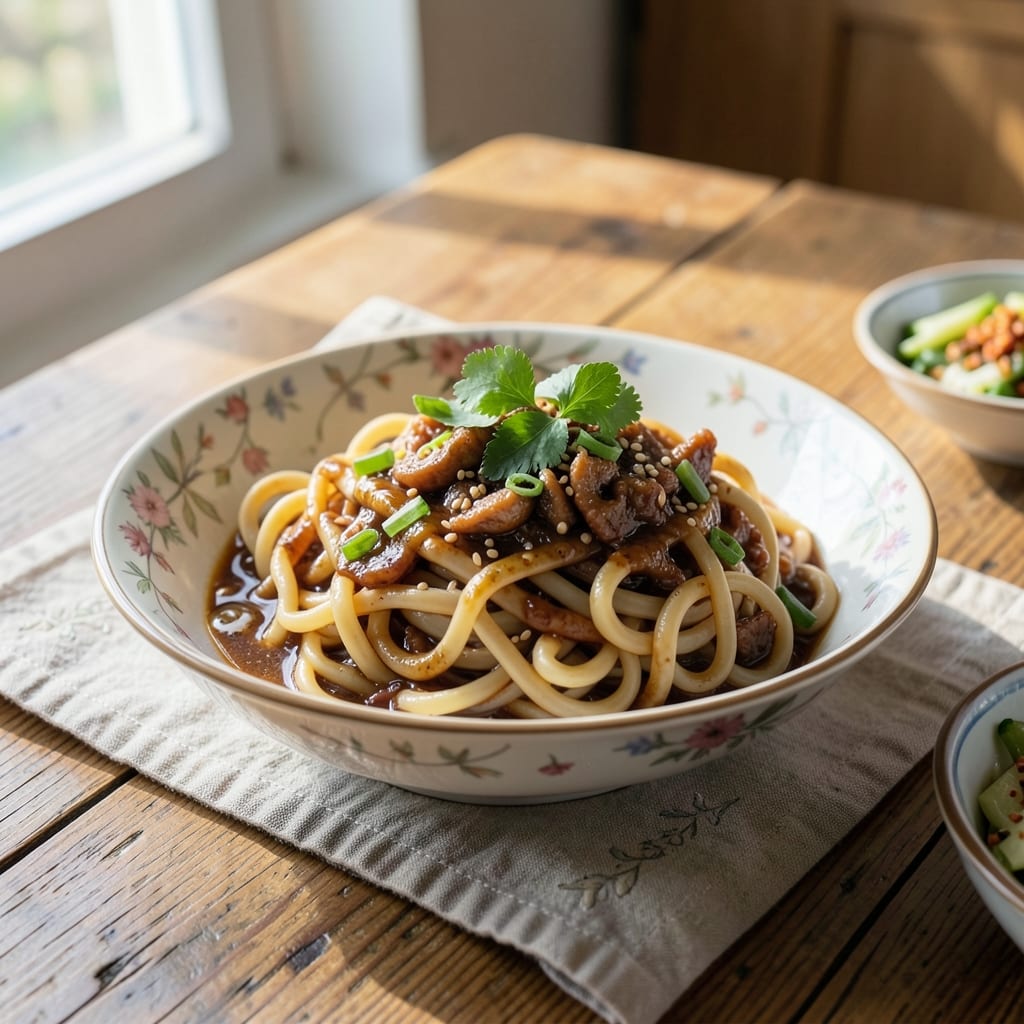
This Chinese egg noodle recipe from scratch delivers the authentic chewiness and delicate texture that store-bought versions can't match—no shortcuts, just pure homemade satisfaction. 💛 I've perfected the balance between tender yet springy noodles that hold up perfectly in stir-fries, soups, or cold salads, using just flour, eggs, and water. The secret lies in proper dough hydration and the right rolling technique, whether you're using a food processor or traditional hand-stretching methods.
What sets these noodles apart is their versatility—they're sturdy enough for quick stir-fries but delicate enough to melt in soups, all while maintaining that signature chewy bite. I've tested both rolling pin and hand-stretched methods to show you the best approach for your kitchen, with tips to avoid common pitfalls like tearing or overly dense dough. The result? Noodles that taste like they came from a bustling street-side stall, not a package.
Once you've mastered the dough, the possibilities are endless—toss them with a classic soy-vinegar-chili oil sauce, serve them in a steaming hot wonton soup, or chill them for a refreshing cold salad. The key is in the cooking: just 2-3 minutes in boiling water preserves that perfect al dente texture, while proper drying ensures they hold up when served cold. This is comfort food at its finest, made simple without sacrificing authenticity.
Ready to elevate your weeknight meals? These homemade egg noodles transform ordinary dinners into restaurant-quality experiences with minimal effort. The best part? You'll never go back to store-bought after tasting the difference. Let's get started on the dough—it's where all the magic begins.
Ingredients for chinese egg noodle recipe from scratch
Four ingredients transform into restaurant-style egg noodles with that signature chewy bite you crave.
| Ingredient | Amount | Notes |
|---|---|---|
| All-Purpose Flour 🌾 | 2 cups | Plus 2 tbsp for dusting |
| Large Eggs 🥚 | 4 whole | Room temperature for even mixing |
| Water 💧 | ¾ cup | Cold for better dough texture |
| Kosher Salt 🧂 | ½ tsp | Diamond Crystal preferred |
| Vegetable Oil 🫒 | 1 tbsp | For dough resting |
| Sesame Oil 🌿 | 1 tbsp | For finishing (optional) |
| Toasted Sesame Seeds 🌰 | 1 tbsp | For garnish (optional) |
| White Vinegar 🍶 | 1 tbsp | For dough elasticity |
| Cornstarch 🌾 | 2 tbsp | For dusting before drying |
The flour is everything here—King Arthur or Gold Medal gives the best texture for hand-stretched noodles. I grab mine from King Arthur's website when I need a big bag, but any all-purpose works in a pinch. The eggs? Pasture-raised from the grocery store deli make a noticeable difference, but regular large eggs work perfectly fine. Cold water keeps the dough from sticking while you mix, and the vinegar? Trust me—it prevents tearing when rolling. I always measure my flour by weight (250g) for consistency, but since we're in cups here, spoon it lightly into the measuring cup and level it off.
No vinegar? Lemon juice at the same amount works just as well. Short on eggs? Add 1 tbsp cornstarch for each missing egg to keep the dough stable. The sesame oil and seeds are optional but worth it—they add that authentic street food flavor. For the cornstarch, Bob's Red Mill is my go-to brand, but any food-grade cornstarch will do. Pro tip: If your dough feels too sticky, chill it for 15 minutes before rolling. Too dry? Add a splash more water (about 1 tsp at a time). The key is getting that perfect balance where it's just tacky enough to handle but not gluey.
Freshly made noodles keep for 3 days in the fridge, wrapped tightly in plastic. For longer storage, freeze them on a floured tray first, then transfer to a bag—up to 3 months. The best part? They reheat perfectly in hot water or stir-fry. I always make extra because they're so versatile—toss with soy sauce for quick noodles, or freeze portions for lazy weeknights. The cornstarch dusting is non-negotiable for drying—it prevents sticking and keeps them from turning gummy.
Why You'll Love This Recipe
- I’ll be real: this recipe saved my sanity more times than I can count. No kneading, no resting, no waiting for dough to rise. Just mix, roll, cut, and cook. Twenty minutes later, you’ve got a bowl of homemade noodles that taste like you slaved over them. (Spoiler: you didn’t.)
- Just Five Ingredients: I swear, this is the kind of recipe that makes you question why you ever bought store-bought. Flour, eggs, water, salt—maybe a splash of oil—and boom. No fancy pantry staples, no last-minute grocery runs. The eggs add that signature chewy bite, while the flour keeps it silky smooth. That’s it. Done.
- Chewy Magic: Honestly, the texture is what hooked me. The oil in the dough gives it that just-right bite—firm enough to hold sauce but tender enough to melt in your mouth. Stir-fry it, toss it with soy sauce, or serve it cold in a salad. That contrast? Pure satisfaction.
- Leftover Revolution: Between us, I make a double batch every time. These noodles reheat like a dream—no soggy mess, no weird textures. Pack them for lunch, freeze half for another week, or toss them into soup. They’re my go-to for lazy days when I don’t want to think about dinner.
Step-by-step instructions for homemade Chinese egg noodles
Here's how to make silky, springy egg noodles that rival any takeout—no shortcuts, just pure homemade magic.
👨🍳 Step 1: Mix Dough to Perfect Elasticity
In a large bowl, whisk together the 2 cups all-purpose flour, 0.5 tsp kosher salt, and 1 tbsp white vinegar. The vinegar might seem odd, but it creates that signature chewiness by developing gluten more efficiently. Make a well in the center and add the 4 whole large eggs and 0.75 cup cold water.
Using a fork, gently mix the dry ingredients with the wet until a shaggy dough forms. Here's the thing—don't overmix yet. Once you start kneading, the dough will come together naturally. The cold water prevents the eggs from cooking immediately and helps create those tender, springy strands.
🍳 Step 2: Knead Until Silky Smooth
Turn the dough onto a lightly floured surface and knead for 8-10 minutes until smooth and elastic. I press down firmly with the heel of my hand and fold the dough over itself, rotating 90 degrees each time. You're looking for a dough that's no longer sticky and springs back when poked.
This kneading step is where the magic happens—it develops the gluten strands that give these noodles their signature chew. If the dough feels too dry, add 1 tsp water at a time; if too sticky, add 1 tsp flour. The perfect dough should be soft but not tacky, like the inside of your ear.
🔪 Step 3: Rest and Roll Thin
Shape the dough into a log and wrap it tightly in plastic wrap. Let it rest at room temperature for 30 minutes. This resting period relaxes the gluten, making it easier to roll thin. While it rests, lightly oil a rolling pin with 1 tbsp vegetable oil—this prevents sticking and helps create that signature slippery texture.
After resting, divide the dough into 4 equal pieces. Working with one piece at a time, roll it between two sheets of parchment paper using the oiled rolling pin. Roll as thin as possible—aim for about 1/16-inch thickness. The thinner you roll, the more authentic your noodles will taste. If the dough sticks, peel back the parchment and lightly flour the surface.
🔪 Step 4: Cut and Dust for Perfect Noodles
Use a sharp knife to cut the rolled dough into 1/4-inch wide strips. Here's where it gets fun—stack the strips and cut again into the perfect noodle width. Sprinkle both sides of the noodles with 2 tbsp cornstarch and let them rest for 10 minutes. The cornstarch prevents sticking and gives that beautiful matte finish when cooked.
Don't skip the dusting! The cornstarch creates separation between noodles so they don't clump together when you cook them. After resting, gently separate the noodles with your fingers. They should look delicate and ready for cooking—like fresh pasta from an Italian nonna.
🔥 Step 5: Cook to Al Dente Perfection
Bring a large pot of water to a rolling boil. Add the noodles and cook for 2-3 minutes—they should float to the surface when they're done. Unlike store-bought noodles, these homemade strands cook quickly. Drain immediately and toss with 1 tbsp sesame oil and 1 tbsp toasted sesame seeds for that authentic Chinese restaurant finish.
For serving, I like to keep them slightly undercooked so they maintain that perfect bite. The noodles should be tender but still have a slight resistance when you bite into them. Serve immediately with your favorite stir-fry sauce or in a hot pot—these noodles soak up flavors like a dream.
Pro Tips For Making Chinese Egg Noodle Recipe From Scratch
- CHILL THE DOUGH: After mixing flour, eggs, and salt, resist the urge to jump right into rolling—wrap the dough in plastic and refrigerate for at least 30 minutes. I learned this the hard way when my first batch turned out gummy; cold dough firms up, making it easier to handle and preventing sticky messes during cutting.
- WEIGH THE FLOUR: Scoop that flour into a scale—no guessing with cups. Chinese egg noodles need precision; 500g flour (plus or minus) guarantees the right texture. I used to eyeball it, and my noodles either turned out too stiff or too slack.
- ROLL THIN, CUT FAST: Roll the dough paper-thin (about 1/16 inch) for that classic egg noodle bite—thicker sheets mean chewy, not al dente. Use a sharp knife or bench scraper to cut clean strips; drag the blade through once for a clean break, not a jagged tear.
- REST BEFORE COOKING: Let cut noodles sit uncovered for 10 minutes before boiling—this relaxes the gluten so they cook evenly. I skipped this once and ended up with some strands turning mushy while others stayed raw. (Yes, even if you're impatient like me.)
Flavor customization for this chinese egg noodle recipe from scratch
Spicy Chili Oil Twist
For a bold kick, toss your cooked noodles with 1 tbsp chili oil (I love Lao Gan Ma brand) and ½ tsp Sichuan peppercorns toasted in a dry pan for 30 seconds. The numbing heat from the peppercorns pairs perfectly with the noodles' chewiness. Add 1 tsp soy sauce and 1 tsp rice vinegar to balance the heat. 🌶️
Sweet Soy-Ginger Glaze
Create a quick glaze by simmering 2 tbsp soy sauce, 1 tbsp honey, 1 tbsp grated fresh ginger, and 1 tsp sesame oil for 3 minutes. Toss the noodles in this glaze and finish with 1 tbsp chopped scallions. The ginger adds warmth while the honey caramelizes slightly, creating a sticky, flavorful coating.
Umami Mushroom Sauce
Sauté 1 cup sliced shiitake mushrooms and 2 cloves minced garlic in 1 tbsp vegetable oil until golden. Add 1 tbsp oyster sauce, 1 tbsp dark soy sauce, and ½ cup chicken broth. Pour over cooked noodles and garnish with 1 tbsp toasted sesame seeds. The mushrooms deepen the umami flavor, making every bite rich and satisfying.
Herb-Infused Cold Salad
For a refreshing twist, chill the cooked noodles in ice water for 1 minute, then drain and toss with 1 tbsp rice vinegar, 1 tsp toasted sesame oil, and 2 tbsp chopped cilantro. Add ½ cup shredded carrots and ¼ cup sliced cucumber for crunch. Serve with a sprinkle of red pepper flakes for a light, vibrant dish perfect for summer.
Garlic-Scallion Oil Finish
Infuse 3 tbsp neutral oil with 3 minced garlic cloves and 2 tbsp chopped scallions by heating gently for 2 minutes (don’t let it brown). Drizzle over noodles and finish with 1 tsp soy sauce and ½ tsp white pepper. This aromatic oil adds layers of flavor without overpowering the delicate noodles.
Smoky Black Bean Sauce
Blend ½ cup cooked black beans, 1 tbsp soy sauce, 1 tsp smoked paprika, and ½ cup water until smooth. Heat the sauce in a pan for 3 minutes, then toss with noodles. Top with 1 tbsp chopped cilantro and 1 tsp chili crisp. The smoky, earthy notes from the black beans elevate the dish to restaurant-quality.
Nutrition facts
Frequently asked questions
Why does your recipe use vinegar?
The 1 tbsp white vinegar in the dough isn't just a trick—it's essential for authentic texture. The acidity helps develop gluten more efficiently, giving those signature chewy strands that separate homemade noodles from store-bought. It also prevents tearing when rolling. Think of it as the secret weapon for that perfect al dente bite!
Can I make these noodles without a rolling pin?
For a traditional approach, divide the rested dough into 4 pieces and flatten each one between your palms. Then use a cleaver or heavy knife to press down and stretch the dough thin. The key is patience—work quickly but gently to avoid tearing. This method mimics what many Chinese noodle makers do by hand for that authentic texture.
How do I fix noodles that stick together after cooking?
If your noodles clump, it's likely from insufficient cornstarch dusting. For next time, coat both sides thoroughly with 2 tbsp cornstarch and let them rest 10 minutes before cooking. For stuck noodles now, separate them gently with chopsticks or your fingers while still in the pot, then rinse briefly with cold water to help them separate. The cornstarch creates a protective barrier that prevents sticking during cooking.
Can I use whole wheat flour instead of all-purpose?
You can try, but expect a denser texture. Replace ½ cup of the all-purpose flour with whole wheat and add 1 extra tbsp water to compensate for the extra moisture. The chewiness will be different—more hearty than delicate—but it works well for heartier dishes like stir-fries. For soups, stick with all-purpose for that signature lightness.
How do I store leftover noodles?
Fresh noodles keep for 3 days in the fridge, wrapped tightly in plastic. For longer storage, freeze them on a floured tray first (to prevent sticking), then transfer to a bag for up to 3 months. To reheat, cook in boiling water for 1 minute or stir-fry for 30 seconds—they'll taste just like fresh! The key is proper drying before freezing to maintain that perfect texture.