
Soups & Stews
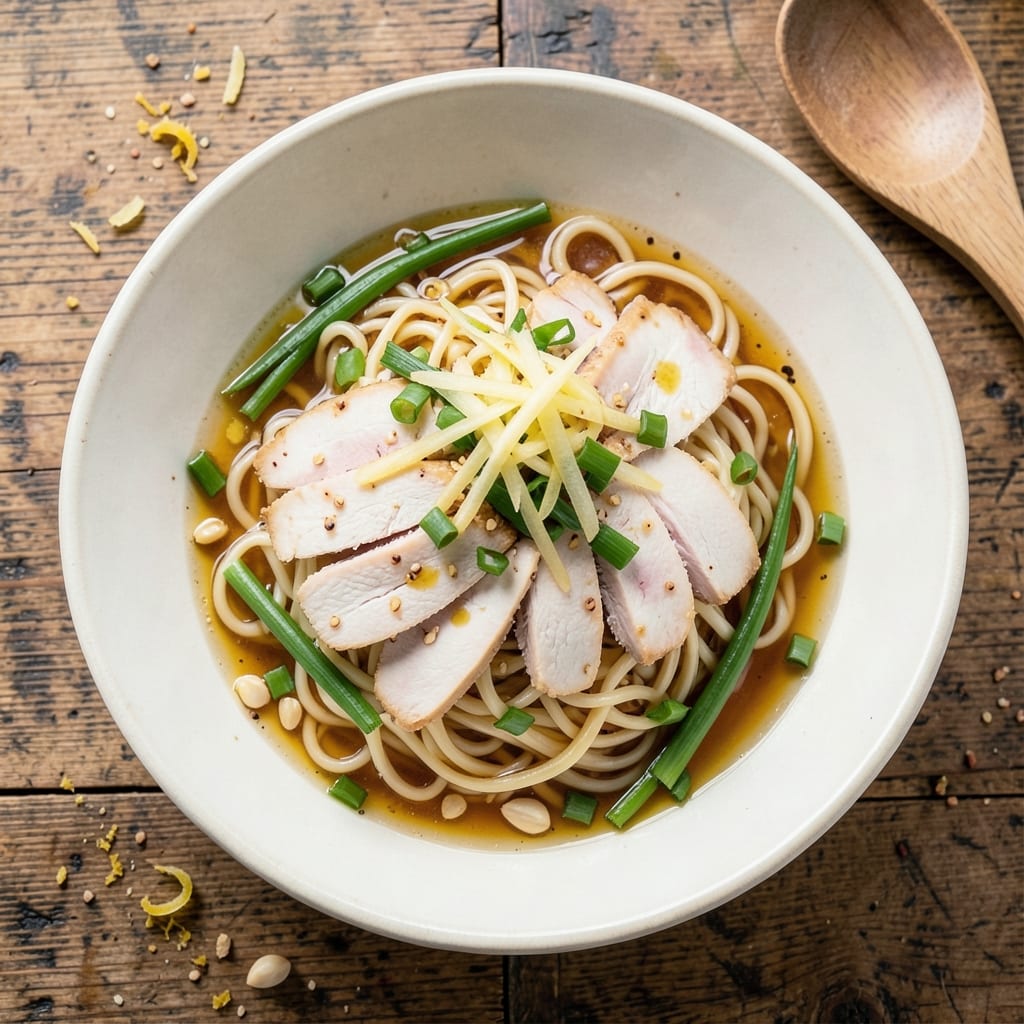
This Chinese egg noodle soup recipe delivers the ultimate bowl of slurp-worthy comfort in just one pot. The secret lies in a rich, aromatic broth that simmers for hours, transforming simple ingredients into a flavor-packed foundation. I've perfected this version to balance traditional techniques with modern convenience—no takeout required.
The beauty of this recipe is its versatility. You can start with a classic chicken-based broth or opt for vegetarian with mushrooms and tofu. Fresh egg noodles cook in minutes while the broth infuses with ginger, garlic, and star anise, creating layers of warm, savory depth. The result is a steaming bowl that's both nourishing and deeply satisfying.
What sets this soup apart is the perfect texture contrast—tender noodles, silky poached eggs, and crisp green onions. Each spoonful delivers that satisfying slurp, while the broth clings to every bite. It's the kind of meal that feels like a warm embrace on chilly days or after a long week.
Serve with a sprinkle of sesame oil and extra chili oil for that signature Chinese restaurant finish. The best part? Leftovers taste even better the next day as flavors meld further. Let's get cooking—your taste buds will thank you.
Ingredients for chinese egg noodle soup
Simple ingredients that transform into a steaming bowl of comforting Chinese egg noodle magic.
| Ingredient | Amount | Notes |
|---|---|---|
| Chicken Breast 🍗 | 1 ½ lb | Boneless, skinless, for broth |
| Egg Noodles 🍜 | 8 oz | Fresh, wide egg noodles |
| Large Eggs 🥚 | 4 whole | Fresh, for poaching |
| Green Onions 🧅 | ½ cup | Sliced, for garnish |
| Fresh Ginger 🌿 | 2 tbsp | Grated, aromatic base |
| Garlic Cloves 🧄 | 6 cloves | Minced, for depth |
| Star Anise 🌟 | 2 whole | For warm spice notes |
| Sesame Oil 🫒 | 1 tbsp | For finishing |
| Chili Oil 🌶️ | 1 tbsp | For signature heat |
| Dried Shiitake Mushrooms 🍄 | 4 whole | For umami depth (vegetarian option) |
| Firm Tofu 🧈 | 8 oz | For vegetarian protein |
| Vegetable Oil 🫒 | 2 tbsp | For sautéing |
| Salt 🧂 | 1 ½ tsp | Adjust to taste |
| Black Pepper 🌶️ | ½ tsp | Freshly ground |
| Chicken Bouillon Cube 🥫 | 1 whole | For quick broth boost |
The chicken breast is your flavor foundation—look for plump, firm pieces at the grocery store. If you're vegetarian, swap it for dried shiitake mushrooms and tofu (soak mushrooms first). Fresh ginger and garlic? Buy organic if possible—they pack more punch. Star anise can be found in the spice aisle or Asian market, and it's worth hunting down for that authentic aroma. I always grab extra egg noodles—they cook in minutes and taste freshest when used within a week.
No fresh ginger? Substitute with 1 tbsp ginger paste (just add water to thin it). Out of star anise? A pinch of cinnamon or an extra clove of garlic works in a pinch. The bouillon cube is a time-saver, but homemade chicken stock makes this even richer. For the eggs, room temperature poaches better, so take them out 15 minutes before cooking. The chili oil? Trader Joe's has the best pre-made kind, but you can DIY with chili flakes and neutral oil if you're feeling ambitious.
Broth keeps for 5 days in the fridge, but it gets better with time. Double the batch and freeze half for lazy nights. Egg noodles? Cook them just before serving—they turn mushy if reheated. Store tofu and mushrooms separately in the fridge, and use within 4 days for best texture. The sesame oil should be lightly toasted—just warm it gently before adding to the soup. Leftovers? Reheat gently on the stove with a splash of water to restore that slurpy texture.
Why You'll Love This Recipe
- No-Chop Nightmare: I swear, the only prep here is slicing chicken breast—no dicing ginger into tiny cubes or mincing garlic. Just a quick shred of ginger and a rough chop of green onions at the end. Honestly, I’ve made this after a 10-hour shift with zero energy, and it still came out right.
- Ginger-Garlic Magic: That fresh ginger simmered with chicken stock? It’s the secret weapon—warm, bright, and lingering. Then you crack in those poached eggs, and suddenly it’s like a hug in a bowl. The egg noodles soak up the flavor without turning mushy, which, between us, is rare.
- Leftover Goldmine: This soup actually tastes better the next day. I’ll be real: I’ve reheated it three times, and the noodles never get soggy. Pack it for lunch or freeze portions—it’s my go-to when I’m too tired to cook but still want something satisfying.
- Budget Win: Chicken breast and eggs are cheap staples, and a single batch feeds four for under $10. No fancy ingredients, no waste—just pure, reliable comfort. My college budget would’ve cried happy tears over this.
Step-by-step instructions for Chinese egg noodle soup
This one-pot wonder delivers restaurant-quality soup with rich broth, silky eggs, and tender noodles.
🍳 Step 1: Build the Aromatic Broth Base
Heat the 2 tablespoons vegetable oil in a large pot over medium-high heat. Add the 1.5 lb chicken breast (cut into large chunks) and sear for 3-4 minutes until the outside turns opaque. Remove the chicken and set aside.
In the same pot, add the 2 tablespoons fresh ginger and 6 cloves garlic cloves. Sauté for 30 seconds until fragrant—this releases their full flavor into the broth. Add the 2 whole star anise and let them toast for 1 minute until slightly aromatic. Pour in 8 cups water (enough to cover the chicken) and add the 1 whole chicken bouillon cube. Bring to a boil, then reduce heat to medium-low and simmer for 20 minutes to develop deep flavor.
🥘 Step 2: Add Vegetables and Protein
Return the chicken to the pot and add the 4 whole dried shiitake mushrooms (soaked in warm water for 20 minutes and drained). For the vegetarian option, add the 8 oz firm tofu (cut into cubes). Simmer together for 10 minutes until the chicken is cooked through and the mushrooms are tender.
Remove the chicken and shred it using two forks. Return the shredded chicken to the broth along with the 8 oz egg noodles. Cook for 3-4 minutes until the noodles are al dente—they'll finish cooking in the hot broth. Season with 1.5 teaspoons salt and 0.5 teaspoon black pepper, adjusting to taste.
🍳 Step 3: Poach the Eggs to Perfection
Crack the 4 whole large eggs into small bowls and carefully slide them into the simmering broth. Let them poach for 3-4 minutes until the whites are set but the yolks remain runny. Here's the trick: use a spoon to gently stir the broth around each egg to create gentle currents, ensuring even cooking without breaking the yolks.
Watch closely—the eggs should float to the surface when done. Remove them with a slotted spoon and set aside on a plate. The broth should be hot but not boiling—this keeps the eggs silky rather than rubbery.
🥘 Step 4: Finish with Signature Oils and Garnish
Return the eggs to the pot and gently stir to warm through. Drizzle in the 1 tablespoon sesame oil and 1 tablespoon chili oil, letting them swirl into the broth. The chili oil adds a subtle kick while the sesame oil brings nutty depth. Taste and adjust seasoning if needed.
Ladle the soup into bowls and garnish with 0.5 cup sliced green onions. The contrast of fresh green onions against the rich broth adds brightness and freshness. Serve immediately with extra chili oil on the side for those who love a little heat.
⏰ Step 5: Let It Rest (Yes, Really!)
Before serving, let the soup rest for 5 minutes. This might seem counterintuitive, but it allows the flavors to meld and the broth to thicken slightly, creating a more cohesive mouthful. The noodles will absorb some of the broth, and the eggs will firm up just enough to hold their shape when served.
Each bowl should be packed with tender chicken, chewy noodles, silky eggs, and a fragrant broth that's perfectly balanced between savory, umami, and just a hint of spice. The secret? Patience in each step—rushing leads to broken yolks or bland broth. Trust the process, and you'll have a steaming pot of comfort that's worth every minute.
Pro Tips For Making Chinese Egg Noodle Soup
- VELVETIZE THE CHICKEN: Slice the chicken breast against the grain into ¼-inch strips—thin enough to cook fast but not so delicate they fall apart. I learned this the hard way: thicker slices stay rubbery no matter how long you simmer. If you’re impatient, freeze the strips for 20 minutes before cooking; they’ll sear faster and stay juicier.
- BLANCH THE GINGER: Peel and julienne the ginger (matchstick-thin slices) instead of grating it—it stays vibrant and doesn’t turn the broth bitter. Toss the slices in ice water for 30 seconds after slicing to halt enzyme activity, then drain. This keeps the flavor bright, not muddy.
- DON’T BOIL THE NOODLES: Cook egg noodles just shy of al dente—they’ll finish in the hot broth. Toss them in cold water first to remove excess starch, then boil for 2 minutes less than package instructions. Overcooking turns them mushy, and you’ll regret it when they turn to glue in the soup.
- POACH EGGS LAST: Crack the eggs into a pre-warmed ramekin (or small bowl) and slide them into the simmering soup (not boiling) just before serving. The gentle heat keeps the whites tender and yolks runny—no frying, no flipping. If you’re nervous, use a spoon to gently swirl the broth around the egg for even cooking.
Make-ahead tips for chinese egg noodle soup
Broth Prep Ahead
Make the broth the night before—it's the flavor foundation! Simmer all ingredients except noodles and eggs for 3-4 hours (or 2 hours on high pressure in an Instant Pot). Store in an airtight container in the fridge for up to 5 days. The longer it sits, the deeper the flavors become. I like to double this batch and freeze half for busy weeknights. 🥫
Noodle Prep Shortcut
Cook the egg noodles 1 minute less than package instructions—about 2 minutes total—and drain. Toss with 1 teaspoon sesame oil to prevent sticking. Store in a sealed container in the fridge for 2 days. When ready to serve, just reheat in the broth for 1 minute—they'll finish cooking perfectly. 🍜
Egg Prep Hack
Pre-poach the eggs separately if you're meal prepping! Bring a pot of water to a gentle simmer, crack eggs into small bowls, then slide them in. Poach for 3 minutes, then transfer to an ice bath to stop cooking. Store in the fridge for 3 days in a sealed container. Reheat gently in the soup's broth for 30 seconds before serving. 🥚
Vegetarian Prep Tips
For the vegetarian version, soak dried shiitake mushrooms in warm water for 20 minutes and store with their soaking liquid in the fridge. Press tofu in a towel for 15 minutes before cubing—this removes excess water. Both can be prepped 2 days ahead and stored separately. When reheating, add them to the broth 5 minutes before serving. 🍄
Flavor Boost Freezer Pack
Create a freezer pack with 2 tablespoons grated ginger, 6 minced garlic cloves, and 2 star anise in a small freezer bag. Thaw overnight in the fridge before using. This saves prep time and keeps your spices fresh. I keep one in my freezer for quick soup days—just toss it straight into the pot with the broth. 🌿
Make-Ahead Serving Strategy
Assemble the soup 30 minutes before serving to let flavors meld. Keep the broth hot on the stove, noodles and eggs separate in containers. When ready, combine everything and reheat for 2-3 minutes. Garnish fresh with green onions and chili oil. This approach ensures perfect texture every time—no soggy noodles or overcooked eggs. 💡
Nutrition facts
Frequently asked questions
Can I use dried egg noodles instead of fresh?
Fresh egg noodles are ideal for that authentic texture, but you can substitute with dried egg noodles in a pinch. Just cook them for 1-2 minutes less than package instructions since they'll finish cooking in the hot broth. For extra flavor, add 1 teaspoon sesame oil to the cooking water.
How do I make this soup spicier?
Add 1 teaspoon chili flakes or 1 tablespoon extra chili oil to your taste. For heat lovers, stir in 1/2 teaspoon Sichuan peppercorns (toasted) with the star anise at the start. The key is balancing the heat with umami—add a splash of soy sauce if needed.
Why did my poached eggs turn out rubbery?
Overcooking or boiling water are the most common culprits. Keep the broth at a gentle simmer (not boiling) and poach eggs for only 3 minutes. Use room-temperature eggs and stir the broth gently around them to create even currents. If they still turn out tough, try adding 1/4 teaspoon baking soda to the poaching water.
Can I make this soup in an Instant Pot?
Sauté the chicken and aromatics as directed, then add all broth ingredients and pressure cook for 15 minutes (natural release). For the eggs, use the "keep warm" function after cooking the noodles, then carefully add the eggs and cook for 2 minutes on high pressure. The quick cook time preserves the egg's silky texture.
What's the best way to reheat leftovers?
Reheat broth and noodles separately on the stove over medium-low heat with a splash of water. Add noodles back to the broth and warm for 2 minutes. For eggs, gently reheat in the broth for 30 seconds only—never microwave them directly. The broth will taste even richer the next day as flavors meld further.