
Soups & Stews
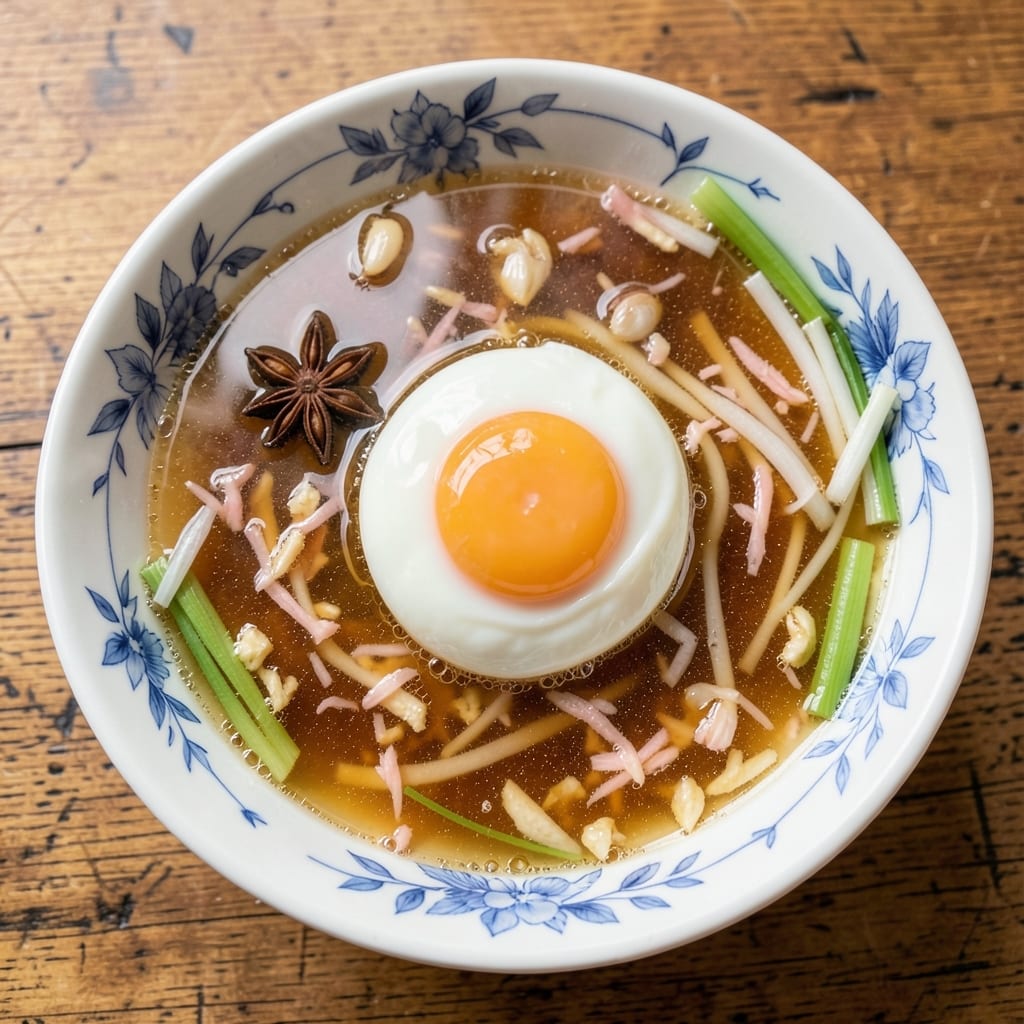
This Chinese restaurant-style egg drop soup delivers the same velvety broth and delicate egg ribbons you crave from takeout—restaurant-quality without the delivery wait. The secret lies in slow-simmered broth, precise egg incorporation, and a balance of soy, white pepper, and green onions that transforms simple ingredients into something deeply comforting. I've perfected this recipe through countless batches, ensuring the egg ribbons stay silky rather than breaking into curds.
The foundation is a rich, aromatic broth—either classic chicken or hearty vegetable—that builds flavor through gentle simmering with ginger, garlic, and star anky. What sets this apart is the egg technique: beaten eggs are slowly drizzled into the hot broth while stirring continuously, creating those signature silky ribbons that melt on your tongue. The white pepper adds a subtle, warming kick that's essential for authentic flavor, while green onions provide freshness at the finish.
What you'll achieve is a bowl of soup that's creamy yet light, with egg ribbons that dissolve into the broth rather than clumping. The aroma alone—steaming broth infused with ginger and garlic—will have everyone gathering around your table. This is the kind of soup that warms you from the inside out, perfect for chilly evenings or as a light but satisfying meal any time of year.
For customization, consider adding shiitake mushrooms for earthiness or shrimp for extra protein. A light cornstarch slurry can thicken the broth slightly if you prefer a richer consistency. The beauty of this recipe is its adaptability while maintaining that restaurant-style essence that makes it unforgettable.
Ingredients for chinese restaurant style egg drop soup
Simple ingredients that build restaurant-style depth—ginger, garlic, and star anise create aromatic magic.
| Ingredient | Amount | Notes |
|---|---|---|
| Large Eggs 🥚 | 4 whole | Freshly beaten for silky ribbons |
| Chicken Broth 🍲 | 6 cups | Homemade or high-quality store-bought |
| Vegetable Oil 🫒 | 1 tbsp | For gentle simmering |
| Fresh Ginger 🧄 | 1 tbsp | Finely minced for aromatic base |
| Garlic Cloves 🧄 | 3 cloves | Minced for depth of flavor |
| Star Anise Pods 🌟 | 2 whole | Lightly crushed for subtle aroma |
| Light Soy Sauce 🥄 | 1 tbsp | For umami balance |
| White Peppercorns 🌶️ | ¼ tsp | Freshly ground for authentic warmth |
| Green Onions 🧅 | 3 whole | Thinly sliced for fresh finish |
| Sesame Oil 🌰 | ½ tsp | Optional for nutty aroma |
| Cornstarch 🌾 | ½ tsp | Mixed with 1 tbsp water for optional thickening |
| Salt 🧂 | ½ tsp | Adjust to taste |
The broth is everything here. Homemade chicken broth delivers the richest flavor, but Kitchen Basics or Swanson brands work in a pinch. Fresh ginger and garlic should be vibrant—no wrinkly roots or dried-out cloves. Star anise is key for that subtle, warming aroma; grab it in the spice aisle or Asian market. For the eggs, freshness matters—they should be at room temperature when you beat them, which helps create those signature silky ribbons. I always use large eggs for the best texture, and trust me, the difference is noticeable.
No star anise? Cinnamon sticks or fennel seeds add similar warmth, though neither is identical. Short on soy sauce? Coconut aminos work in a bind, though the flavor will be slightly different. The white pepper is non-negotiable for authentic flavor—black pepper won't cut it here. For the green onions, scallions work too, but regular green onions have that perfect balance of sharpness and mildness. The sesame oil is optional but adds a lovely nutty finish—Kadoya brand is my go-to for the best quality. If you prefer a thicker broth, the cornstarch slurry is your friend, but skip it for that classic light consistency.
Broth keeps for 3 days in the fridge, but it actually tastes better the next day as flavors meld. Eggs should be used within 2 days of beating for best texture. Store the ginger and garlic separately in airtight containers—they'll last 2 weeks in the fridge. For the star anise, keep it in a cool, dark place for up to 6 months. I always make a double batch of broth and freeze half—perfect for next time you crave this comforting soup without starting from scratch.
Why You'll Love This Recipe
- Same recipe, different vibes: lazy Tuesday dinner or fancy dinner guest? Add a splash of soy sauce for depth, or keep it simple with a sprinkle of scallions. My kids ask for it after soccer practice; my in-laws think it’s "fancy" when I bring it to potlucks.
- No Chopping Required: I swear by this one—just mince a tiny bit of ginger and garlic, heat some oil, and boom, you’re halfway there. The broth does all the work while you stir in those silky egg ribbons. Even my "I can barely boil water" roommate nailed it.
- Umami Bomb: That first sip? The broth’s savory depth from garlic and ginger, then the eggs swirling in like little clouds—it’s the kind of flavor that makes you pause mid-spoonful. Honestly, the restaurant versions never hit this spot-on at home until I cracked the egg just before serving.
- Weeknight to Party Fix: Same recipe, different vibes: lazy Tuesday dinner or fancy dinner guest? Add a splash of soy sauce for depth, or keep it simple with a sprinkle of scallions. My kids ask for it after soccer practice; my in-laws think it’s "fancy" when I bring it to potlucks.
Step-by-step instructions for Chinese restaurant-style egg drop soup
Here's how to craft that signature restaurant-quality soup with velvety broth and delicate egg ribbons.
Prepare the Aromatic Base
Heat the 1 tablespoon vegetable oil in a clean soup pot over medium-low heat. Add the 1 tablespoon finely minced fresh ginger and 3 minced garlic cloves, cooking for 1 minute until the ginger becomes translucent and the garlic releases its aroma. This gentle cooking prevents burning while building flavor.
Add the 2 lightly crushed star anise pods and let them toast for 30 seconds until you can smell their subtle licorice notes. The star anise should be warm but never brown—just enough to infuse the broth with its signature aroma without bitterness. Keep the heat at medium-low throughout this process to avoid burning the delicate spices.
Build the Flavorful Broth
Pour in the 6 cups chicken broth and bring to a gentle simmer over medium heat. Add the 1 tablespoon light soy sauce and 0.5 teaspoon salt, stirring to dissolve. The broth should bubble softly—small, frequent bubbles—not a rolling boil, which would break the egg ribbons later.
Simmer uncovered for 5 minutes to let the flavors meld. Taste the broth at this stage—it should be clean and savory, with no lingering raw taste from the aromatics. If you're using the optional 0.5 teaspoon sesame oil, add it now and stir gently to distribute its nutty aroma throughout.
Create the Signature Egg Ribbons
In a small bowl, beat the 4 whole large eggs until just combined—no need to overbeat, or you'll get tough curds instead of silky ribbons. Slowly drizzle the beaten eggs into the simmering broth while stirring constantly with a heatproof spatula. The key is gentle, continuous motion to create those delicate, wispy strands.
Continue stirring for 30 seconds after all the egg has been incorporated. The heat from the broth will begin to set the egg into soft, translucent ribbons. If the soup thickens too quickly, reduce the heat to low to maintain that signature restaurant-style consistency—light enough to sip through a wide straw.
Finish and Serve with Freshness
Remove the pot from heat and stir in the 0.25 teaspoon freshly ground white peppercorns and 3 thinly sliced green onions. The pepper adds that authentic warmth without overpowering, while the green onions provide a fresh contrast to the rich broth. Let the soup rest for 2 minutes off the heat to allow the flavors to fully integrate.
For an optional thicker consistency, whisk the 0.5 teaspoon cornstarch with 1 tablespoon water and stir it into the soup while it's still off the heat. Return to low heat just until the soup reaches your desired thickness—just until it coats the back of a spoon. Ladle into bowls immediately and serve with extra green onions sprinkled on top for that restaurant presentation.
Pro Tips For Making Chinese Restaurant Style Egg Drop Soup
- Preheat That Oil: Get a small pot or wok smoking hot with your vegetable oil—think 350°F, where the oil shimmers like a desert mirage. Cold oil means broken egg ribbons and a sad, greasy mess instead of those delicate, silky strands you crave. I learned this the hard way after making soup that looked like scrambled eggs drowned in broth.
- Mince Ginger Like Snow: Use a microplane or knife to turn your ginger into a fine, almost powdery texture—no visible chunks, just ghostly flecks. This isn’t just for looks; it dissolves faster and infuses the broth with aroma without leaving chewy bits. My grandmother swore by this, and she was right: lazy mincing = flavor hiding.
- Whisk Eggs Until Clear: Beat those eggs with a fork or whisk until they’re uniform and nearly transparent, like liquid glass. Any streaks or lumps will turn into rubbery blobs in your soup. I was skeptical until I tried it—now I double-check before pouring, even if it feels like overkill.
- Simmer, Don’t Boil: Once the broth is hot, drop the heat to a gentle simmer—tiny bubbles, not rolling chaos. Boiling turns your egg ribbons into scrambled bits and makes the soup taste harsh. Keep it at a whisper, and your eggs will melt into silky clouds instead of breaking apart. (Yes, even if you’re impatient like me.)
Storing and reheating this recipe
Broth Storage Secrets
The aromatic broth is the heart of this soup, and it keeps beautifully in the fridge. Store it in an airtight container for up to 3 days—the flavors actually deepen as the ginger and garlic infuse longer. For longer storage, freeze the broth in ice cube trays (perfect for single servings) or silicone molds for easy portioning. When reheating, bring to a gentle simmer (never boil) to preserve those delicate aromatics. 🌡️
Egg Prep Timing
Beat your eggs just before adding them to the broth—never ahead of time—or they'll start to cook and lose that signature silky texture. If you're making soup for a crowd, beat them in batches and keep the bowl covered until ready to use. For leftovers, store the cooked soup (without eggs) separately and add fresh beaten eggs when reheating for that restaurant-quality ribbon effect. 🥚
Reheating Like a Pro
Reheat the soup gently over low heat—never microwave it directly, or the egg ribbons will turn rubbery. Add 1-2 tablespoons of hot water if the soup seems too thick after reheating. For extra richness, stir in ½ teaspoon sesame oil at the end. If you froze the broth separately, thaw it in the fridge overnight for best results. 🔥
Freezing for Later
Freeze the soup in single-serving portions (about 1 cup per container) for easy reheating. Leave ½ inch headspace in containers to prevent ice crystals from breaking the egg texture. Label with the date—it keeps for up to 2 months in the freezer. When ready to eat, thaw overnight in the fridge and reheat gently. The texture won't be identical to fresh, but it's still delicious. ❄️
Reviving Leftovers
If your soup thickens after refrigeration, thin it with warm water or broth while reheating. For extra freshness, sprinkle freshly ground white pepper and green onions on top after reheating. If the egg ribbons look dry, stir in 1 teaspoon cornstarch slurry (mix ¼ tsp cornstarch with 1 tsp water) to restore creaminess. 💡
Broth Refresh Tips
If stored broth tastes flat, revive it by simmering with ½ teaspoon fresh ginger and 1 minced garlic clove for 5 minutes before adding eggs. For a deeper flavor, add ½ teaspoon soy sauce and a pinch of salt during reheating. Avoid high heat—medium-low is key to prevent breaking the egg texture when you add fresh eggs later. 🌟
Nutrition facts
Frequently asked questions
Why does my egg drop soup turn out too thick or curdled?
This usually happens from either overbeating the eggs or stirring too vigorously after adding them to the broth. For silky ribbons, beat eggs just until combined (about 10-15 seconds) and stir gently with a heatproof spatula. Keep the heat at medium-low—never let it boil. If it thickens too much, reduce heat immediately or add 1-2 tablespoons hot water while stirring.
Can I make this soup vegetarian?
Replace the chicken broth with a rich vegetable broth made from mushrooms, carrots, celery, and kombu (seaweed). For extra depth, add 1 tablespoon miso paste when simmering the broth. The egg technique remains the same—just ensure your broth has enough umami to balance the eggs. Shiitake mushrooms or tofu add excellent texture and flavor too.
What's the secret to getting those perfect egg ribbons?
The key is temperature control and gentle stirring. The broth should be at a gentle simmer (small bubbles) when adding eggs, and you must stir continuously in one direction with a heatproof spatula. Use room-temperature eggs (beat them just before adding) and drizzle them slowly into the center of the broth while stirring outward. Never let the soup boil after adding eggs!
How can I make this soup spicier?
For heat lovers, add ½ teaspoon chili crisp or ¼ teaspoon red pepper flakes when finishing the soup. For a smoky kick, stir in ½ teaspoon toasted chili oil at the end. If you prefer warmth without spice, increase the white pepper to ½ teaspoon—it adds subtle heat. Always taste as you go to adjust to your preference.
Can I make this ahead of time?
Yes, but with one crucial tip: prepare the broth and seasonings ahead, then store them separately. Reheat the broth to a simmer, then add fresh beaten eggs just before serving. The egg ribbons won't hold up well overnight, but the broth keeps perfectly for 3 days in the fridge. For a quick version, freeze the broth in ice cube trays—just thaw and reheat before adding eggs.