
Desserts
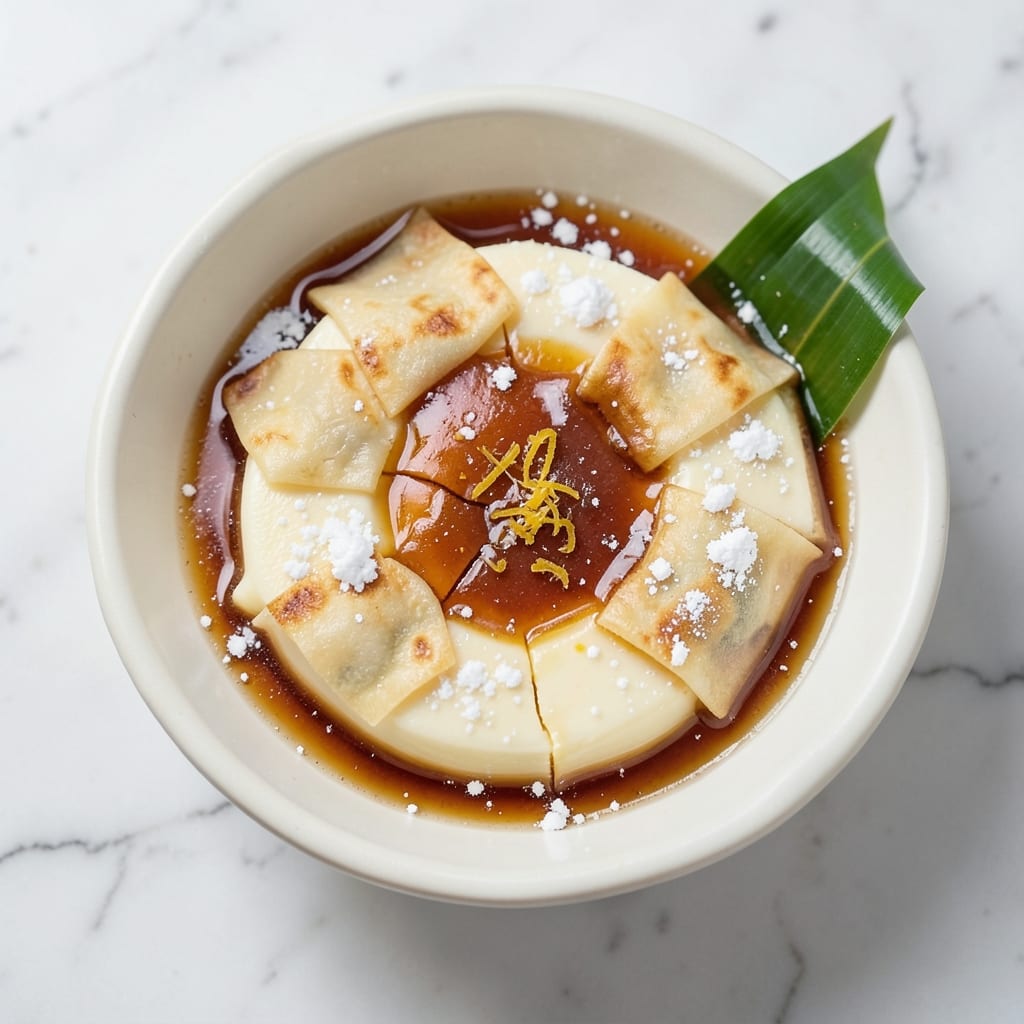
This Chinese steamed egg custard recipe delivers the delicate, silky egg streaks that make it a beloved dessert. The secret lies in a precise egg mixture and traditional steaming technique that transforms simple ingredients into a restaurant-quality treat. I've perfected this version to achieve that signature marbled texture and gentle sweetness that balances perfectly with the custard's richness.
The process begins with whisking eggs to ribbons, then folding in sugar and milk for a smooth, airy batter. Wonton cups provide the perfect vessel for steaming, creating individual portions with crisp edges that contrast beautifully against the custard's velvety interior. This method preserves the dish's authentic preparation while offering modern flexibility for flavor variations.
What you'll end up with is a dessert that's both elegant and comforting—golden egg streaks swirling through creamy custard, served warm with a dusting of powdered sugar. The aroma alone will transport you to a bustling dim sum restaurant, but the taste proves you can recreate this classic at home with just a few essential ingredients and patience.
Whether you stick to the traditional recipe or experiment with pandan, red bean, or coconut milk infusions, the technique remains the same. This dessert is perfect for special occasions or as a comforting treat when you crave something sweet yet sophisticated. Let's get started on creating your own silky egg custard masterpiece.
Ingredients for chinese steamed egg custard dessert
Six essential ingredients transform into restaurant-quality egg custard with silky marbled texture.
| Ingredient | Amount | Notes |
|---|---|---|
| Large Eggs 🥚 | 6 whole | Room temperature for best whisking |
| Granulated Sugar 🍚 | ¼ cup | Superfine preferred for smooth texture |
| Whole Milk 🥛 | ½ cup | Full-fat for optimal custard richness |
| Wonton Wrappers 🍜 | 12 whole | Square shape for traditional presentation |
| Unsalted Butter 🧈 | 2 tbsp | Cold, cubed for crisp edges |
| Powdered Sugar 🍚 | 2 tbsp | For dusting finished custards |
| Vanilla Extract 🌿 | ½ tsp | Pure vanilla bean preferred |
| Salt 🧂 | ⅛ tsp | Fine sea salt for delicate seasoning |
| Cornstarch 🌾 | 1 tbsp | For smoother custard texture |
| Water 💧 | ¼ cup | For steaming vessel |
| Pandan Leaf 🌿 | 1 whole | Optional for authentic aroma |
The eggs are the foundation—room temperature for perfect whisking to ribbons. Organic pastured eggs from Whole Foods or local farms yield the richest results, but any high-quality large eggs work. Sugar should be superfine for seamless blending; if using granulated, pulse in a food processor first. The milk's fat content matters—whole milk creates velvety custard, while reduced-fat versions yield a thinner texture. For authentic presentation, square wonton wrappers from Asian markets provide the traditional shape, though round wrappers suffice in a pinch.
No wonton wrappers? Square phyllo dough cut into 3-inch squares works beautifully. Substitute vanilla with 1/4 tsp vanilla bean paste for deeper flavor. The pandan leaf is optional but adds that signature aroma—find it at Trader Joe's in their world foods section. For a richer custard, replace half the milk with heavy cream. Cornstarch can be omitted if you prefer a slightly denser texture, though it prevents graininess. Always use unsalted butter—the delicate salt balance is crucial for this dessert's harmony.
Prepped ingredients keep for 3 days in the fridge: eggs at room temp, sugar sealed airtight, milk in its original container. Wonton wrappers freeze well for 2 months between parchment paper. The custard mixture holds in the fridge for 1 day before steaming—whisk just before using. Leftover custards reheat beautifully in a steamer basket for 3-4 minutes. For make-ahead convenience, prepare the batter up to 24 hours ahead and refrigerate, then steam as needed.
Why You'll Love This Recipe
- Same recipe, two vibes: serve it warm from the steamer for a cozy weeknight treat, or chill it for 30 minutes and dust with cinnamon for a showstopper at dinner parties. The custard’s forgiving—no one will guess it’s basically a dessert I threw together while scrolling.
- Pantry Staples Only: I swear by this recipe when I’m out of fancy ingredients—just eggs, milk, sugar, and wonton wrappers. No specialty items, no last-minute grocery runs. That creamy, jiggly center? Pure magic from the whole milk and butter, no shortcuts needed.
- Silky-Smooth Texture: The secret’s in the steaming—those wonton wrappers hold the custard just right, giving you that signature wobble. Not too firm, not too runny; it’s like biting into a cloud that somehow stays together. (Yes, even my skeptical teen brother stops mid-roll to take seconds.)
- Weeknight or Celebration: Same recipe, two vibes: serve it warm from the steamer for a cozy weeknight treat, or chill it for 30 minutes and dust with cinnamon for a showstopper at dinner parties. The custard’s forgiving—no one will guess it’s basically a dessert I threw together while scrolling.
Step-by-step instructions for silky egg custard in wonton cups
Master this delicate technique for restaurant-quality egg custards with perfect set and presentation.
Prepare the Custard Mixture
In a medium heatproof bowl, whisk together the 6 whole Large Eggs until the yolks and whites are fully combined with no streaks remaining. This ensures an even texture in your final custard. Gradually whisk in the 0.25 cup Granulated Sugar until completely dissolved—this prevents graininess in the finished product.
Add the 0.5 cup Whole Milk, 0.5 tsp Vanilla Extract, and 0.125 tsp Salt, whisking gently to combine. In a separate small bowl, mix the 1 tbsp Cornstarch with 2 tablespoons of the milk mixture to create a smooth slurry. Slowly pour this back into the main mixture while whisking constantly—this prevents lumps that would make your custard grainy.
Place the bowl over a pot of barely simmering water (the water should not touch the bottom of the bowl) and cook on low heat for 10-12 minutes, stirring gently with a silicone spatula every 2 minutes. You're looking for a custard that coats the back of a spoon but is still slightly runny—this ensures it will set properly when steamed later. If you see any skin forming on the surface, gently press it down with a wet spatula.
Prepare the Steaming Setup
While the custard cooks, prepare your steaming vessel. Fill a deep skillet or steamer with 0.25 cup Water and bring to a gentle simmer over medium heat. The water should create just enough steam to fill the pot but not boil vigorously—this prevents cracking in your custards. Place a heatproof plate or rack in the skillet to elevate the wonton cups above the water level.
Cut the 1 whole Pandan Leaf in half lengthwise and place one half in the bottom of each wonton wrapper. This imparts that signature floral aroma without overpowering the delicate egg flavor. Press the butter cubes into the corners of each wrapper—this creates crispy edges when steamed. The remaining 2 tbsp Unsalted Butter should be divided evenly among all 12 whole Wonton Wrappers.
Assemble and Steam the Custards
Remove the custard from heat and let it cool slightly for 2 minutes—this prevents the heat from causing the wonton wrappers to soften too quickly. Spoon an equal portion of custard into each prepared wonton wrapper, filling them about ¾ full. The wrappers should be pliable but not sticky—if they're too dry, lightly mist them with water before folding.
Fold each wrapper diagonally to form a triangular pouch, sealing the edges tightly with a bit of water to create a watertight seal. Arrange the sealed custards on the prepared plate in the steamer, leaving ½ inch between each one. Cover with a clean kitchen towel to prevent condensation from dripping onto the custards during steaming.
Steam over medium-low heat for 12-15 minutes, until the custards are set but still slightly jiggly in the center when gently shaken. The wonton wrappers should be golden brown at the edges with crispy butter spots. If the steam slows down, add 1 tablespoon of hot water to the pot to maintain even heat distribution. Remove from heat and let rest for 5 minutes before serving.
Finish and Serve
Unfold each wonton wrapper carefully and dust immediately with 2 tbsp Powdered Sugar using a fine-mesh sieve. This creates that signature powdered sugar coating that balances the rich custard. Serve warm while the centers remain silky—each bite should reveal those signature egg streaks against the crispy wonton wrapper.
For presentation, arrange the custards on a platter with additional powdered sugar dusted around them. The pandan aroma should be subtle but noticeable, enhancing rather than overpowering the delicate egg flavor. These custards are best served immediately while the centers remain warm and the wrappers maintain their crisp texture.
Pro Tips For Making Chinese Steamed Egg Custard Dessert
- STEAM AT FULL BOIL: I learned this the hard way—steaming over simmering water is a myth for this recipe. Use a rolling boil (not just steam) in your steamer basket or pot, and keep the water at least halfway up the sides of the custard cups. The high heat seals those wrappers faster and prevents soggy bottoms.
- WHISK EGGS UNTIL THICK: Skip the lazy whisking—beat the eggs until they’re pale, thick, and ribbon-like (about 3-4 minutes). This isn’t just about volume; it ensures the custard holds its shape instead of turning into a runny puddle. I used to rush this, and my custards always collapsed like sad soufflés.
- BUTTER THE WRAPPERS FIRST: Grease the wonton wrappers with a thin layer of melted butter before pouring in the custard mix. This isn’t just for flavor—it creates a non-stick barrier so the custard releases cleanly and doesn’t tear when you invert it. (Yes, even if you’re impatient like me, don’t skip this.)
- SUGAR IN LAYERS: Add half the sugar to the egg-milk mixture first, then whisk in the rest after the custard has steamed for 10 minutes. This prevents a grainy texture from too much sugar upfront and lets the sweetness bloom gradually. I was skeptical until I tried it—now it’s non-negotiable.
Common mistakes when making your chinese steamed egg custard dessert
Overwhisked Eggs
Whisking eggs too aggressively introduces too much air, which can cause your custard to become grainy or even collapse during steaming. I aim for ribbons that hold their shape but aren't stiff peaks—think light and silky, not fluffy. Use a whisk with a medium-wide bowl and work gently in a figure-8 motion. Stop when the mixture is smooth and just slightly thicker than raw egg. Overwhisking also makes the custard set too quickly during steaming, ruining that perfect silky center. 🥚
Uneven Heat Distribution
The biggest culprit for unevenly set custards is inconsistent steaming heat. If your steamer has hot spots, some custards will be overcooked while others remain runny. I always use a deep skillet with a heat diffuser or a dedicated bamboo steamer to distribute heat evenly. Keep the water at a gentle simmer—never a rolling boil—so the steam fills the pot but doesn't splash. For extra insurance, place a heatproof plate in the skillet to elevate the wonton cups above the water level. This prevents the bottoms from getting soggy while the tops overcook. 🌡️
Skipping the Butter
Many home cooks forget the butter in the corners of the wonton wrappers, which is what creates those crispy, golden edges that contrast so beautifully with the silky custard. I divide 2 tablespoons of cold, cubed butter evenly among all 12 wrappers—pressing it into the corners ensures it melts just enough to crisp during steaming. Without this step, your custards will have soft, floppy edges that lack texture. Pro tip: Use European-style butter (like Plugrá) for higher fat content and better browning. 🧈
Overfilling the Wrappers
Filling the wonton wrappers more than ¾ full causes them to burst during steaming, creating a messy presentation and potentially leaking custard. I measure the custard with a small ladle and fill each wrapper just until it's snug but not bulging. When folding, press the edges firmly to seal any gaps—this prevents steam from escaping and keeps the custard contained. If your wrappers feel too dry, lightly mist them with water before folding for a better seal. 🍜
Rushing the Resting Time
Skipping the 5-minute rest after steaming is a common mistake that leads to custards that collapse or leak when unfolded. This resting period allows the proteins to fully set and the structure to stabilize. I always cover the steamed custards with a clean towel to trap heat and moisture during this time. If you're impatient, resist the urge to cut into them early—they won't hold their shape, and you'll lose that perfect silky texture. Patience here makes all the difference! ⏳
Ignoring the Pandan Leaf
While optional, the pandan leaf adds that authentic floral aroma that elevates the dish from homemade to restaurant-quality. Skipping it means your custards will lack that signature depth of flavor. I place half a leaf in each wrapper before adding the custard—this infuses the aroma without overpowering the delicate egg flavor. If you can't find fresh pandan, Trader Joe's sells dried leaves in their world foods section. For a quick substitute, add ½ teaspoon pandan extract directly to the custard mixture. 🌿
Nutrition facts
Frequently asked questions
Can I make this dessert without wonton wrappers?
Use square phyllo dough cut into 3-inch squares or even store-bought spring roll wrappers. For a modern twist, try mini waffle cones or choux pastry cups—just ensure your vessel can handle gentle steaming without falling apart. The key is maintaining the ¾ full filling ratio to prevent bursting during the 12-15 minute steaming process.
Why does my custard look grainy instead of silky?
Graininess usually means you didn't whisk the eggs enough or introduced lumps when adding the cornstarch slurry. For silky texture, whisk eggs until they form light ribbons (not stiff peaks), then slowly fold in the cornstarch mixture while whisking constantly. Also ensure your sugar is superfine—granulated sugar needs to be pulsed in a food processor first. The custard should be smooth as paint when ready for steaming.
How do I store leftover steamed egg custards?
Store them in an airtight container at room temperature for up to 3 hours or refrigerate for 2 days. To reheat, steam for 3-4 minutes in a bamboo steamer—this restores the silky texture. For freezing, place cooled custards in a single layer on a tray, freeze solid, then transfer to a bag for up to 1 month. Thaw overnight in the fridge before reheating. Never microwave as it makes the texture rubbery.
What's the best way to add flavor variations?
For authentic depth, infuse the milk with 1 pandan leaf (simmered for 5 minutes then strained) or add ½ teaspoon pandan extract directly to the custard. Other delicious options: swap ¼ cup milk for coconut milk, stir in 1 tablespoon red bean paste, or add ½ teaspoon matcha powder for a vibrant twist. Just be mindful not to exceed 1 additional tablespoon of liquid per variation to maintain proper texture.
Can I make these custards ahead for a party?
Yes! Prepare the custard mixture up to 24 hours ahead and refrigerate. Assemble the wonton cups 4 hours before serving and refrigerate unsteamed. When ready, steam as directed (add 1-2 extra minutes to account for cold start). For make-ahead serving, keep steamed custards warm in a 200°F oven for up to 1 hour before presenting. This method maintains both the crisp wrapper edges and silky interior.