
Desserts
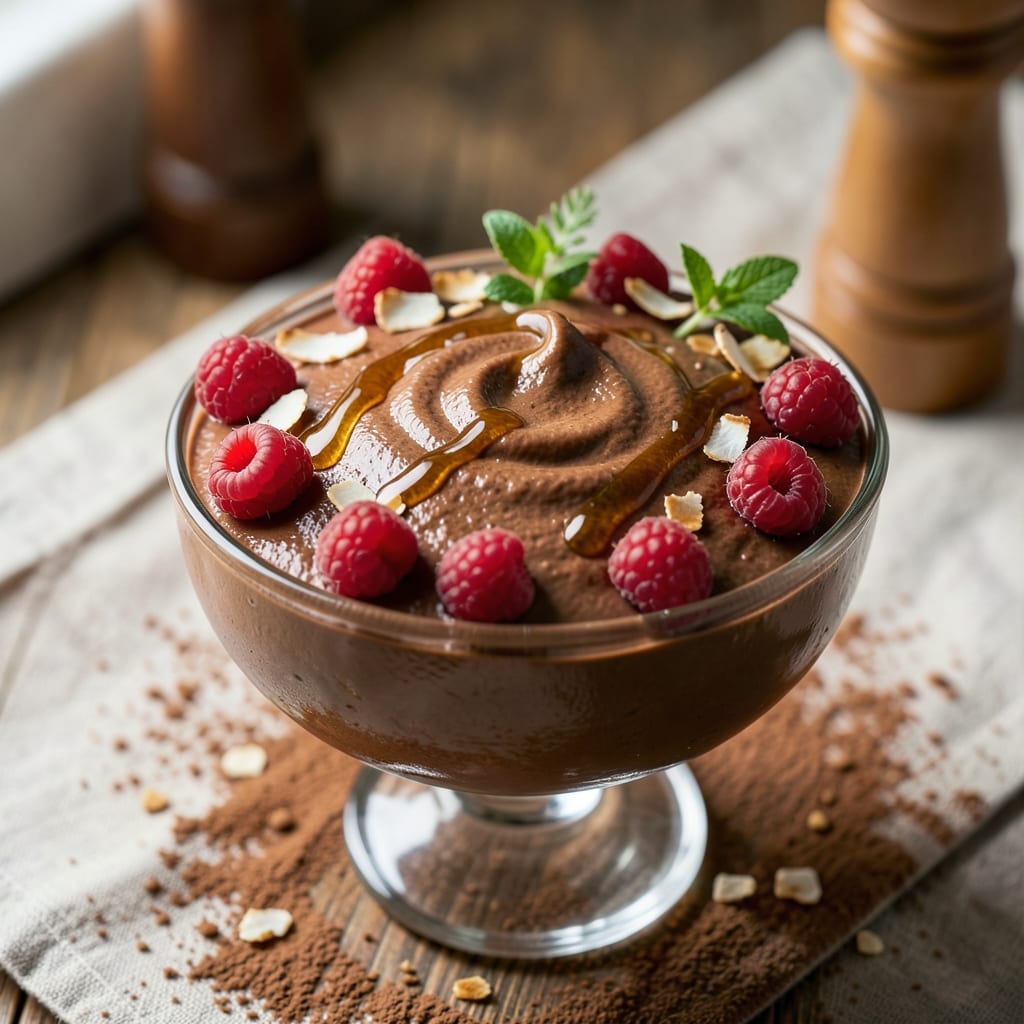
This egg-free chocolate mousse recipe transforms rich avocado into a velvety dessert that requires no waiting for eggs to chill. The secret lies in a silky base that whips up light and airy, proving plant-based desserts can be just as luxurious as traditional ones. I developed this recipe after years of testing egg substitutes, and it finally delivers that signature mousse texture without a single egg.
The magic happens with a blender-based approach that combines avocado, cocoa powder, and a plant-based egg replacer for structure. No special equipment is needed—just a few simple ingredients and a 10-minute prep time before chilling. The result? A dessert that's creamy, decadent, and foolproof, perfect for those who avoid eggs for dietary reasons or simply want a lighter option.
What makes this recipe stand out is its versatility—it works as a standalone dessert or as a filling for chocolate cups. The avocado base adds natural creaminess while keeping the texture airy, and the addition of aquafaba (chickpea brine) creates that signature mousse lightness. No one will guess it's egg-free, and the flavor is pure chocolate indulgence.
Serve chilled with fresh berries, whipped coconut cream, or a sprinkle of cocoa powder for a restaurant-quality finish. This recipe is ready in under 30 minutes, making it ideal for last-minute guests or satisfying a chocolate craving without the guilt. Let's get started!
Ingredients for chocolate mousse recipe egg free
Transform avocado and cocoa into a velvety, restaurant-quality mousse without eggs or waiting time.
| Ingredient | Amount | Notes |
|---|---|---|
| Ripe Avocados 🥑 | 2 whole | Pits removed, flesh scooped |
| Unsweetened Cocoa Powder 🍫 | ½ cup | High-quality Dutch-processed preferred |
| Aquafaba 🥫 | ½ cup | Fresh from canned chickpeas |
| Maple Syrup 🍁 | ¼ cup | Grade B for richer flavor |
| Vanilla Extract 🌿 | 1 tbsp | Pure Madagascar bourbon preferred |
| Pinch Salt 🧂 | ¼ tsp | Fine sea salt for balance |
| Full-Fat Coconut Milk 🥥 | ¼ cup | Canned, refrigerated overnight |
| Dark Chocolate Chips 🍫 | ¼ cup | 70% cocoa or higher |
| Fresh Raspberries 🍓 | ½ cup | For garnish, optional |
| Unsweetened Coconut Cream 🥥 | ¼ cup | Whipped for topping |
| Cocoa Powder 🍫 | 1 tbsp | For dusting, same brand |
The avocados are the foundation—ripe but not mushy, with just a hint of give when pressed. Whole Foods or local farmers markets usually have the freshest selection, but any grocery store will do if they're labeled 'ripe'. For the cocoa powder, Valrhona or Guittard brands deliver that deep, velvety flavor that budget brands can't match. The aquafaba must be fresh from canned chickpeas—don't use the water from dried beans, and definitely avoid salted chickpeas. The maple syrup should be Grade B for that caramel-like richness that elevates the whole dessert. Store your avocados at room temperature until ready to use, and keep the cocoa powder in a cool, dark place to preserve its flavor for up to 12 months.
No aquafaba on hand? Flax eggs work too—mix 1 tbsp ground flaxseed with 3 tbsp water per egg substitute, but the texture won't be quite as light. Running low on maple syrup? Agave nectar at a 1:1 ratio keeps the sweetness balanced, though it lacks the depth. The coconut milk should be full-fat and refrigerated overnight—the thick cream rises to the top, which is what you want for that luxurious finish. If you can't find 70% dark chocolate chips, 85% works too, but reduce the amount slightly since it's more intense. The whipped coconut cream topping can be made with coconut yogurt blended with powdered sugar if you're avoiding canned cream.
This mousse keeps beautifully in the fridge for 4-5 days, though it's best enjoyed within the first 24 hours when the texture is at its peak. For make-ahead convenience, prepare the base up to 24 hours ahead and chill before whipping. The whipped coconut cream topping should be added just before serving to maintain its airiness. Portion into individual serving dishes and cover with plastic wrap pressed directly onto the surface to prevent a skin from forming. Freeze for up to 1 month if needed, though texture may slightly alter upon thawing. Serve chilled with fresh berries or a sprinkle of cocoa powder for that restaurant-quality finish.
Why You'll Love This Recipe
- I swear by this trick: mash the avocado and aquafaba with a fork first, then blend briefly. The texture comes together smoother than I expected—no fancy equipment, just elbow grease.
- No Blender Needed: I swear by this trick: mash the avocado and aquafaba with a fork first, then blend briefly. The texture comes together smoother than I expected—no fancy equipment, just elbow grease.
- Rich Without Guilt: That cocoa powder and avocado combo delivers real chocolate flavor, but the maple syrup keeps it from tasting heavy. Honestly, I’ve had people ask if there’s cream in it—and I just smile while they take seconds.
- Date Night or Snack Attack: Dress it up with berries and mint for a fancy dessert, or serve it in a jar for a grab-and-go treat. (Yes, even on a Tuesday night.) The aquafaba makes it light enough to eat straight from the bowl.
Step-by-step instructions for silky avocado chocolate mousse
This method transforms simple ingredients into velvety mousse without eggs or waiting.
Blend the Avocado and Cocoa Base
Start by scooping the flesh from the 2 whole ripe avocados into a food processor. Add the 0.5 cup unsweetened cocoa powder, 0.25 cup maple syrup, 1 tablespoon vanilla extract, and 0.25 teaspoon pinch salt. Pulse until the mixture is completely smooth—this ensures no texture remains when whipped later.
Here's the thing—ripe avocados are your secret weapon. They provide natural creaminess without dairy, and their healthy fats create a stable mousse. If the mixture looks too thick, add 1 tablespoon of the full-fat coconut milk to help it blend more easily. The goal is a thick, paste-like consistency that will transform into airy mousse.
Incorporate Aquafaba for Lightness
Transfer the avocado mixture to a large mixing bowl. In a separate bowl, whip the 0.5 cup aquafaba with an electric mixer on high speed until it forms stiff peaks—this should take about 3-4 minutes. The aquafaba replaces eggs by providing structure and lightness without adding richness.
Gently fold one-third of the whipped aquafaba into the avocado mixture using a spatula, being careful not to deflate the air bubbles. Then, fold in the remaining aquafaba in two additions, mixing just until combined. This gradual incorporation prevents the mousse from becoming dense. You'll notice the mixture lighten noticeably as you work—this is your signal that the structure is forming correctly.
Add Chocolate Chips and Coconut Milk
Fold in the 0.25 cup dark chocolate chips and 0.25 cup full-fat coconut milk into the mousse mixture. The chocolate chips will melt slightly from the avocado's warmth, creating pockets of rich flavor throughout. Stir gently to distribute evenly, but avoid overmixing—this could make the mousse grainy.
At this stage, the mousse should be smooth and glossy with a thick, pudding-like consistency. If it looks too thick, add 1 more tablespoon of coconut milk to achieve the perfect spoonable texture. Taste and adjust sweetness if needed—you can add a bit more maple syrup if desired, but the avocado and cocoa already provide depth.
Chill and Whip the Coconut Cream
Divide the mousse evenly among 4 serving glasses or ramekins. Cover each with plastic wrap and refrigerate for at least 2 hours—this allows the flavors to meld and the texture to set properly. The longer it chills, the firmer it becomes, but it should still have a light, airy quality when served.
While the mousse chills, whip the 0.25 cup unsweetened coconut cream in a separate bowl until it forms soft peaks. This topping adds a creamy contrast to the rich mousse. For extra flair, dust the top of each serving with 1 tablespoon cocoa powder and garnish with 0.5 cup fresh raspberries before serving. The raspberries add a bright, tangy contrast that cuts through the chocolate's richness.
Serve with Confidence
Remove the mousse from the refrigerator and let it sit at room temperature for 5-10 minutes before serving. This brief rest ensures the texture is perfectly set but still creamy. Spoon the whipped coconut cream over each serving and garnish with raspberries and cocoa powder. The contrast in temperatures—cool mousse with room-temperature topping—creates an incredible sensory experience.
The result should be a mousse that's light yet decadent, with a velvety texture and layers of flavor. Each bite delivers the smoothness of avocado, the bitterness of cocoa, and the sweet-tart brightness of raspberries. Serve immediately to enjoy at its peak—this mousse doesn't improve with time once chilled.
Pro Tips For Making Chocolate Mousse Recipe Egg Free
- Scrape the Avocado Dry: Use a spoon to scoop out the flesh first, then scrape the pit with a dull knife—it’s faster and leaves less mess. I learned this the hard way after trying to pry out stubborn bits with a fork and ending up with avocado pulp stuck to the ceiling fan.
- Whip Aquafaba Cold: Chill the aquafaba in the fridge for 10 minutes before whipping—it stiffens faster and holds its peaks better. Sounds weird, but it works: I used to fight my mixer for 5 extra minutes, and now it’s done in half the time.
- Sift the Cocoa: Lightly sift the cocoa powder before mixing—it dissolves smoother and avoids clumps that turn your mousse grainy. My grandmother swore by this, and she was right: the texture is noticeably silkier when you skip the lumps.
- Fold, Don’t Stir: Use a spatula to gently fold in the whipped aquafaba in three additions—overmixing deflates the air and makes the mousse dense. I was skeptical until I tried it: the first batch I stirred aggressively collapsed like a sad soufflé.
Troubleshooting perfect results
Grainy Texture Fix
If your mousse turns grainy during blending, it’s likely from overprocessed avocado or cocoa powder clumps. First, ensure your avocados are ripe but not mushy—overripe ones break down into a paste that can separate. For stubborn clumps, pulse the cocoa powder separately with 1 tablespoon of coconut milk before combining with the avocado mixture. This pre-mixing creates a smooth paste that blends seamlessly. 🥑
Too Thin or Watery
An overly thin mousse usually means excess liquid from aquafaba or coconut milk. Start by reducing the aquafaba to 0.375 cup (instead of 0.5 cup) and whip it to stiff peaks—over-whipping can add air but also dilute the mixture. For extra thickness, chill the base uncovered in the fridge for 30 minutes before whipping to evaporate excess moisture. If it’s still too thin, fold in 1 extra tablespoon of melted dark chocolate (not chips) to bind the texture.
Not Setting Properly
If your mousse doesn’t hold its shape after chilling, the aquafaba likely wasn’t whipped enough or the base wasn’t chilled long enough. Whip the aquafaba to stiff peaks (like meringue) and fold it in gradually—this creates the structural network needed for stability. For chilling, use ramekins or glasses with straight sides (not wide bowls) and refrigerate for at least 3 hours—this ensures the mousse firms up without collapsing. A quick trick: Press plastic wrap directly onto the surface to prevent a skin from forming while it sets.
Overpowering Avocado Taste
The avocado’s natural flavor can sneak through if the cocoa isn’t strong enough. Balance it by using high-quality Dutch-processed cocoa powder (like Valrhona or Guittard) and adding 1 extra teaspoon of vanilla extract. For a deeper chocolate flavor, fold in 2 tablespoons of melted dark chocolate (70% or higher) into the base before chilling. The fat content in the chocolate helps mask the avocado’s earthiness while adding richness. 🍫
Separation After Chilling
Separation happens when the aquafaba isn’t fully incorporated or the mousse isn’t chilled evenly. To fix it, gently re-whisk the mousse with a spatula before serving—this redistributes the separated layers. For prevention, fold the aquafaba in thirds (not all at once) and use a clean, dry mixing bowl (no residue from previous batters). If separation persists, the issue might be over-chilling; let the mousse sit at room temperature for 5 minutes before serving to soften slightly.
Coconut Cream Not Whipping
If your coconut cream refuses to whip, it’s likely not cold enough. Refrigerate the can overnight (or freeze it for 10 minutes) to thicken the cream before scooping. For extra insurance, use cold mixing bowls and beaters—this helps stabilize the fat for whipping. If it still won’t hold peaks, substitute with whipped coconut yogurt (blend chilled coconut yogurt with 1 tablespoon powdered sugar until fluffy). The key is temperature control—cold ingredients whip better than room-temperature ones.
Nutrition facts
Frequently asked questions
Can I make this mousse without aquafaba?
Yes! If you don't have aquafaba, use flax eggs (1 tbsp ground flaxseed + 3 tbsp water per egg) or silken tofu (blend ½ cup with the avocado base). The texture will be slightly denser, but still delicious. For the lightest result, whipped coconut cream can also help stabilize the mixture.
How do I make it dairy-free?
This recipe is already dairy-free, but you can enhance it further by using coconut yogurt instead of coconut milk for the topping. Replace the whipped coconut cream with chilled coconut yogurt blended with 1 tablespoon powdered sugar until fluffy. The flavor remains rich and creamy while keeping it completely plant-based.
Why does my mousse taste like avocado?
The avocado flavor can be subtle but noticeable if the cocoa isn't strong enough. Boost the chocolate intensity by using Dutch-processed cocoa powder (like Valrhona) and adding 1 extra teaspoon of vanilla extract. For deeper flavor, fold in 2 tablespoons of melted dark chocolate (70% cocoa) into the base before chilling.
Can I make this ahead of time?
Prepare the base up to 24 hours ahead and refrigerate it uncovered for 30 minutes to evaporate excess moisture. Whip the aquafaba and fold it in just before serving to maintain lightness. The mousse keeps well in the fridge for 4-5 days, though it's best enjoyed within 24 hours for peak texture.
What if I don't have raspberries for garnish?
No problem! Swap raspberries for strawberries, blackberries, or even mint leaves for a fresh contrast. For a chocolatey touch, use crushed chocolate-covered almonds or a sprinkle of sea salt flakes to enhance the sweetness. The key is balancing the rich mousse with something bright or textured.