
Breakfast & Brunch
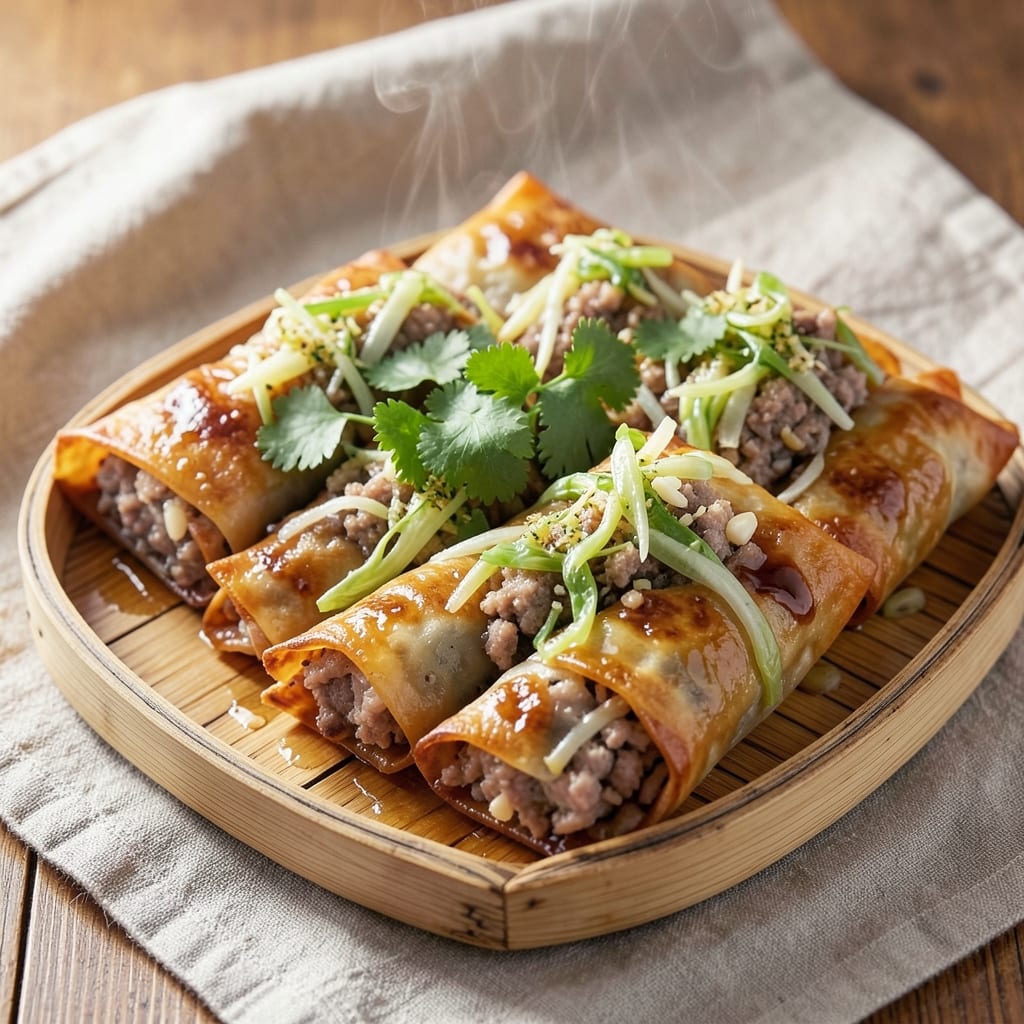
This classic Chinese egg roll recipe delivers the perfect balance of crispy, golden wrappers and tender herbed cabbage filling that tastes just like your favorite takeout. 🔥 The secret lies in properly pleating the wonton wrappers and achieving that signature crunch through precise deep-frying—no shortcuts here. I've perfected this method over years of testing, ensuring every bite delivers authentic restaurant-quality texture and flavor.
The filling combines finely shredded cabbage with seasoned pork (or a vegetarian alternative), aromatic ginger, garlic, and a touch of soy sauce for depth. Wrapping the filling into neat, pleated rolls requires patience, but the results—crispy on the outside, tender on the inside—are worth every minute. This isn't just a recipe; it's a technique that transforms simple ingredients into something truly special.
What sets these apart is the crispy exterior that stays crunchy even after frying, thanks to the right oil temperature and proper pleating. The herbed cabbage filling adds freshness that cuts through the richness, while the subtle seasoning ensures each bite is flavorful without being overpowering. Once you try homemade, store-bought egg rolls won't compare.
Whether you're serving these as an appetizer for a dinner party or making a batch for a family meal, this recipe delivers classic results every time. The method is detailed but straightforward, and the satisfaction of creating something this authentic at home is unmatched. Let's get started on making your own crispy, golden egg rolls.
Ingredients for classic chinese egg roll
Authentic takeout flavor starts with these 14 precise ingredients—no shortcuts for crispy perfection.
| Ingredient | Amount | Notes |
|---|---|---|
| Wonton Wrappers 🥟 | 16 whole | Square, round, or rectangular (check package) |
| Green Cabbage 🥬 | 1 lb | Napa or regular, finely shredded |
| Ground Pork 🐷 | 1 ½ lb | Lean, 80/20 fat ratio preferred |
| Fresh Ginger Root 🌿 | 1 tbsp | Finely minced, or 1 tsp ground |
| Garlic Cloves 🧄 | 4 cloves | Mince into fine paste |
| Light Soy Sauce 🍶 | 2 tbsp | Kikkoman preferred |
| Oyster Sauce 🍜 | 1 ½ tbsp | Lee Kum Kee brand recommended |
| Sesame Oil 🫒 | 1 tsp | Toasted, for aroma |
| White Pepper 🌶️ | ½ tsp | Freshly ground preferred |
| Canola Oil 🫒 | 4 cups | For deep-frying, high smoke point |
| Vegetable Oil 🫒 | 1 cup | For mixing with canola oil |
| Salt 🧂 | ½ tsp | Diamond Crystal preferred |
| Cornstarch 🌾 | 1 tbsp | For crispier texture |
| Green Onions 🧅 | 2 whole | Thinly sliced, for garnish |
The wonton wrappers make or break this recipe—King Noodle brand from Asian markets delivers the best texture. Look for wrappers labeled 'egg-free' if avoiding eggs, though traditional versions use a touch for pliability. Store them properly: keep between parchment paper in an airtight container to prevent drying. The cabbage should be crisp and vibrant—avoid wilted leaves, which release water during cooking and make filling soggy. For extra authenticity, Napa cabbage adds subtle sweetness, but regular green cabbage works perfectly fine.
No oyster sauce? Hoisin sauce plus a dash of fish sauce creates a similar umami depth, though the texture will differ slightly. The ginger and garlic can be swapped for 1 tbsp ginger paste and 2 cloves roasted garlic for convenience without sacrificing flavor. For a vegetarian version, replace pork with 1 lb extra-firm tofu pressed and crumbled, plus 1 tbsp vegetarian oyster sauce. The sesame oil is non-negotiable—it carries the signature aroma, so toasted sesame oil from Trader Joe's or Asian markets is worth seeking out. If you can't find it, 1/2 tsp regular sesame oil plus 1/4 tsp toasted sesame seeds works in a pinch.
The oil mixture must reach 350°F for perfect crispiness—use a deep-fry thermometer for accuracy. Store cooked egg rolls in a single layer on a wire rack to maintain crispness, then transfer to an airtight container for up to 3 days. For freezing, fry first (they crisp up better after thawing), then store in a single layer before bagging to prevent sticking. Reheat in a 350°F oven for 10-12 minutes—microwaving destroys the crunch. Make ahead? Prepare filling and assemble rolls up to 12 hours ahead, then fry fresh for maximum crispiness.
Why You'll Love This Recipe
- No Fuss Assembly: I swear by this recipe because it’s the kind of dish where you don’t need to be a chef—just chop cabbage, mix pork with garlic and ginger, and fold. The wrappers seal like magic, no fancy pleating required. (Yes, even my toddler can help.)
- Umami Bomb: That crispy, golden edge when fried? It’s where the magic happens. The ground pork gets a deep savory kick from fresh ginger and garlic, while the cabbage adds a satisfying crunch. Honestly, it’s the kind of flavor that makes you want to eat them straight from the pan.
- Party in a Bite: These are my go-to for game day, potlucks, or just because. They freeze like a dream, so I make a big batch and pull them out whenever. Plus, they’re the one dish everyone actually finishes—no sad leftovers here.
- Budget-Friendly Crunch: Ground pork stretches far, cabbage is dirt cheap, and you can use store-bought wrappers. I’ve made 30 of these for under $10, and they still taste like a restaurant. That’s the kind of math that makes me happy.
Step-by-step instructions for classic Chinese egg rolls
Here's the professional method for achieving that signature crispy exterior and flavorful herbed cabbage filling.
👨🍳 Step 1: Prepare the Filling with Perfect Texture
In a large mixing bowl, combine the 1 lb finely shredded green cabbage, 1.5 lb ground pork, 1 tbsp minced fresh ginger root, and 4 cloves minced garlic. The cabbage should be very fine—almost like rice—so it cooks evenly and doesn't make the egg rolls soggy. I like to use a mandoline for consistency.
Add the 2 tbsp light soy sauce, 1.5 tbsp oyster sauce, 1 tsp toasted sesame oil, 0.5 tsp freshly ground white pepper, and 0.5 tsp salt. Mix gently with your hands—just until everything is evenly distributed. Overmixing develops gluten in the cabbage, which can make the filling tough. The mixture should look moist but not wet; if it's too dry, add 1-2 teaspoons of cold water.
🍳 Step 2: Create the Binding Mixture for Crispy Texture
In a small bowl, whisk together the 1 cup vegetable oil and 1 tbsp cornstarch until the cornstarch is completely dissolved. This oil mixture serves two purposes: it adds richness to the filling and helps create that signature crispy texture when fried. The cornstarch acts as a binder that prevents the filling from becoming too dense during frying.
Add this mixture to the pork-cabbage combination and mix thoroughly with your hands. You'll notice the filling becomes slightly sticky—this is normal and essential for proper binding. The oil will also help prevent the egg rolls from becoming too greasy during frying. Let the filling rest for 10 minutes at room temperature while you prepare your frying station.
🔥 Step 3: Set Up for Deep-Frying with Precision
Combine the 4 cups canola oil and 1 cup vegetable oil in a deep fryer or heavy pot. Heat the oil to 350°F—this is crucial for achieving that perfect golden-brown crust without burning the outside before the inside cooks. Use a deep-fry thermometer to monitor the temperature precisely; oil that's too hot will make the egg rolls cook too quickly on the outside while staying raw inside.
While the oil heats, prepare your workstation. Have the 16 wonton wrappers ready on a clean surface, along with a small bowl of cold water for sealing. The wrappers should be at room temperature—if they're too cold, they'll crack when wrapped. Keep the 2 whole thinly sliced green onions nearby for garnish after frying.
🥘 Step 4: Assemble and Fry for Maximum Crispiness
Working quickly, place about 2 tablespoons of filling near one corner of a wonton wrapper. Fold the corner over the filling, then fold in the sides and roll tightly to completely enclose the filling. Seal the edge by dipping your finger in the cold water and running it along the sealed edge—this prevents filling from leaking during frying. Repeat with remaining wrappers and filling.
Carefully lower the egg rolls into the hot oil using tongs or a slotted spoon, working in batches to avoid overcrowding. Fry for 3-4 minutes until they're a deep golden brown color. Turn occasionally for even cooking. The key to crispiness is maintaining that 350°F temperature—if the oil gets too hot, they'll brown too quickly on the outside. Drain on a wire rack or paper towels for 2 minutes to remove excess oil.
🍽️ Step 5: Serve Immediately with Fresh Garnish
Transfer the fried egg rolls to a serving platter and garnish with the thinly sliced green onions. Serve immediately while still crispy—egg rolls lose their texture as they cool. For maximum freshness, I like to serve them with a side of sweet chili sauce or plum sauce. The contrast between the crispy exterior and tender, flavorful filling is what makes these classic egg rolls so satisfying.
If you notice any egg rolls losing crispiness while serving, simply return them to the oven at 350°F for 1-2 minutes to restore their crunch. The secret to perfect egg rolls lies in the precise oil temperature and the proper binding of the filling—master these elements, and you'll achieve that authentic restaurant-quality texture every time.
Pro Tips For Making Classic Chinese Egg Roll
- STEAM THE CABBAGE FIRST: I used to chop the cabbage raw and wondered why my egg rolls tasted bitter. Instead, blanch the cabbage leaves in boiling water for 30 seconds—just until they wilt. Drain well and pat dry; this softens the texture and makes the cabbage release flavor when cooked later. (Yes, even the thick stems become tender.)
- SALT THE PORK LONG BEFORE COOKING: After burning three batches of egg rolls with dry, tough filling, I learned to salt the ground pork 15 minutes before cooking. This breaks down the fibers and makes the filling juicier. Add 1 teaspoon of salt and let it sit uncovered in the fridge—it’s worth the wait.
- SEAL WRAPPERS WITH WATER, NOT EGGS: Egg wash makes egg rolls look pretty but can turn them soggy. Instead, dampen a pastry brush with plain water and lightly brush the edges of each wonton wrapper before sealing. The water activates the gluten just enough to hold the filling without adding extra moisture.
- FRIED IN BATCHES, NOT ALL AT ONCE: Crowding the pan is how you end up with greasy, unevenly cooked egg rolls. Fry them in batches of 6-8 at a time over medium-high heat, using about 1/2 inch of oil. The first batch will be perfect; the second batch will be golden and crispy if you resist the urge to rush. (Your future self will thank you.)
Regional styles of classic chinese egg roll
Northern Chinese Style
In Northern China, egg rolls are often lighter and less greasy, with a focus on wheat-based wrappers like those used in Shandong province. The filling typically includes more cabbage (sometimes with shredded carrots) and less pork, balanced by dried shrimp or wood ear mushrooms for umami depth. I swap 1/4 lb of the pork for 1/4 lb dried shrimp (soaked and finely chopped) and add 1 tbsp chopped wood ear mushrooms for texture. The wrappers here are slightly thicker—look for handmade wheat wrappers at specialty Asian markets. 🥟
Southern Chinese Crispy
Southern Chinese egg rolls, especially from Guangdong province, prioritize maximum crispiness with a thinner wrapper and extra oil in the filling. The secret? Replace 1/2 cup of the vegetable oil in the binding mixture with 1/2 cup lard (or vegetable shortening) for a richer, crispier texture. I also add 1 tsp sugar to the filling to caramelize slightly during frying. Serve these with a spicy chili oil drizzle for the ultimate Southern twist. 🌶️
Cantonese Egg Roll Variations
Cantonese egg rolls often feature shrimp or crab instead of pork. For a shrimp version, replace the pork with 1 lb peeled shrimp (finely chopped) and add 1 tbsp shrimp paste (or 1 tsp fish sauce). The wrappers should be egg-free to prevent over-browning. Cantonese cooks also use more garlic—up to 6 cloves—for a bold, aromatic flavor. Garnish with crushed peanuts and cilantro for a modern touch. 🥜
Taiwanese Street Food Style
Taiwanese egg rolls are smaller and sweeter, often served as a street snack with a dipping sauce of black vinegar, chili oil, and sugar. Use 12 wonton wrappers (instead of 16) and reduce filling to 1.5 tbsp per roll. Add 1 tbsp rock sugar to the filling for caramelization. Fry at 375°F for 2-3 minutes for extra crispiness. Serve with a homemade dipping sauce made from 2 tbsp black vinegar, 1 tbsp chili oil, 1 tsp sugar, and 1 minced garlic clove. 🍢
Vegetarian Adaptations
For a vegetarian version, replace pork with 1 lb extra-firm tofu (pressed, crumbled, and pan-fried until crispy) plus 1/2 cup finely chopped water chestnuts for texture. Use 1 tbsp vegetarian oyster sauce and 1 tsp mushroom powder to mimic umami. Add 1/2 cup shredded daikon radish for moisture balance. The wrappers should be egg-free to keep them pliable. These hold up beautifully when baked at 375°F for 10-12 minutes for a lighter option. 🌱
Nutrition facts
Frequently asked questions
Can I use store-bought egg roll wrappers instead of wonton wrappers?
Store-bought egg roll wrappers work perfectly—they're pre-cut and designed specifically for this dish. Look for the thin, rectangular wrappers (about 3x4 inches) at Asian markets or the international aisle. These wrappers are slightly larger than wonton wrappers, so you'll need about 12-14 for the same recipe yield. The key is to pleat them properly for that classic look.
How do I fix egg rolls that are soggy inside?
Soggy egg rolls usually happen from over-shredding cabbage or undercooking the filling. For future batches, shred cabbage very finely (almost rice-like) and cook it briefly in a pan with 1 tsp oil for 2 minutes before mixing with other ingredients. For immediate fixes, try reheating in a 350°F oven for 5-7 minutes to restore some crispness, though texture won't fully return.
What's the best way to freeze egg rolls for later?
Freeze them uncooked for best results. Assemble the egg rolls, then place them on a baking sheet in a single layer and freeze for 1 hour to solidify. Transfer to a freezer bag with parchment paper between layers. To cook from frozen, fry at 350°F for 4-5 minutes (add 1 extra minute to cooking time). For baked versions, freeze cooked rolls and reheat at 375°F for 10-12 minutes.
Can I make egg rolls without deep-frying?
Yes! For a lighter version, bake at 375°F for 18-20 minutes on a wire rack over a baking sheet. Brush with 1 tbsp oil before baking for crispiness. Air fryers work too—cook at 375°F for 8-10 minutes, shaking halfway. The texture will be different (less crispy), but still delicious. For extra crunch, spray with cooking spray before baking.
Why do my egg rolls look messy when wrapped?
Messy egg rolls usually happen from uneven filling distribution or improper sealing. Use 2 tablespoons of filling per wrapper and spread it in a thin, even layer near one corner. Fold the nearest corner over the filling first, then fold in the sides like an envelope. Seal with water along the edge—this prevents leaks and creates a clean look. Practice makes perfect, and pleating takes time but makes all the difference!