
Breakfast & Brunch
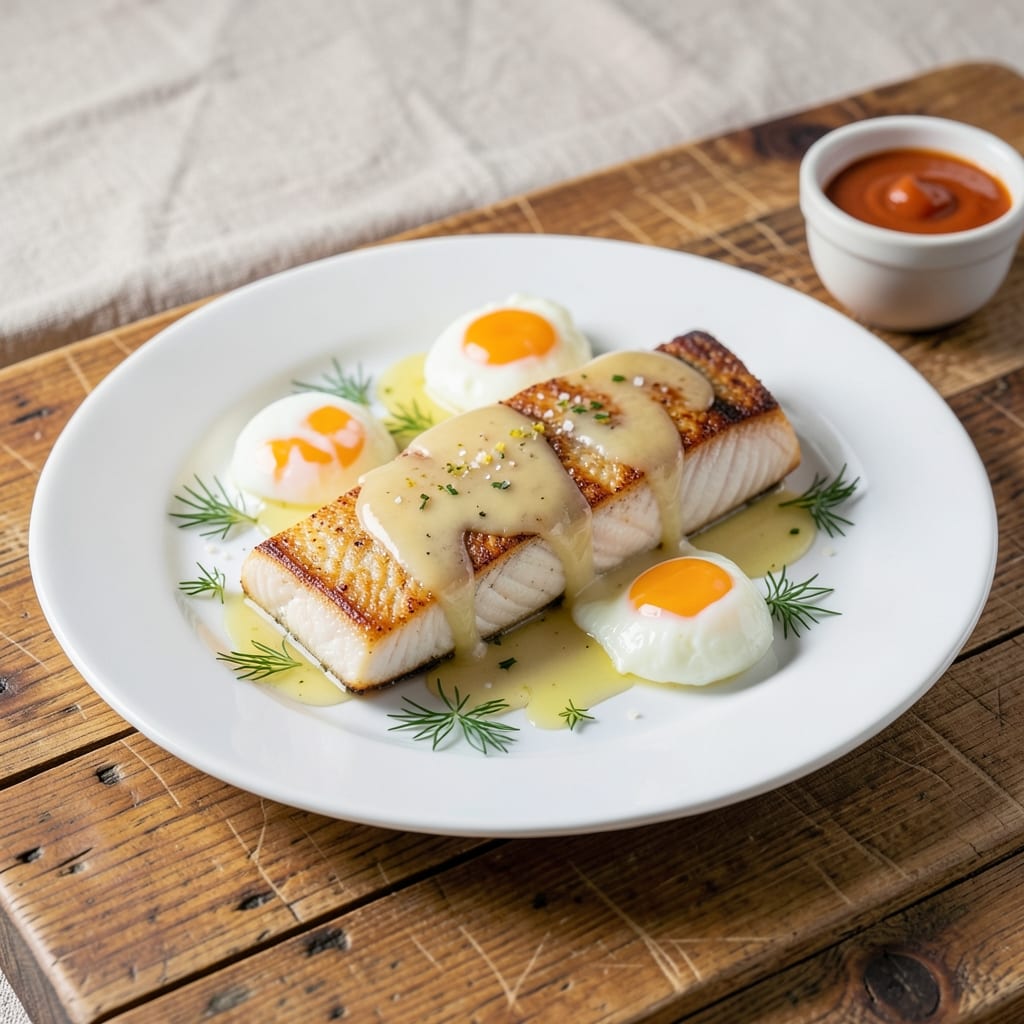
This cod and poached egg recipe delivers the perfect balance of crispy skin and silky yolk magic—transforming a simple breakfast into a restaurant-worthy meal. The secret lies in pan-searing the cod until golden and poaching eggs in a gentle simmer, ensuring that rich, runny center. I've perfected this technique over years of testing, and it never fails to impress, even with picky eaters.
What sets this dish apart is the harmony of textures and flavors: tender, flaky cod meets velvety eggs, all elevated by a bright lemon-butter sauce or a dash of flaky salt. The method is straightforward but requires precision—starting with properly seasoned fish and maintaining the right water temperature for perfect poached eggs. Every element comes together in just 20 minutes, making it ideal for weekend brunches or a special weeknight dinner.
The result is a plate that looks as stunning as it tastes—crisp edges on the cod, a perfectly formed yolk that bursts with each bite, and a sauce that ties everything together. This dish proves that seafood and eggs can create a meal that's both elegant and satisfying, without requiring advanced skills. The crispy skin on the cod is the star, but it's the silky yolk that steals the show.
Serve with crusty toast to soak up every drop of that lemon-butter sauce, or pair it with a simple arugula salad for a lighter option. The versatility of this recipe means it works for brunch, lunch, or even a light dinner—especially when you want something special but still easy to prepare. Let's get cooking!
Ingredients for cod and poached egg
Crispy cod and velvety eggs transform breakfast into a restaurant-worthy dish with these quality ingredients.
| Ingredient | Amount | Notes |
|---|---|---|
| Cod Fillets 🐟 | 4 pieces | Skin-on, 6 oz each, patted dry |
| Large Eggs 🥚 | 4 whole | Fresh, cold from fridge |
| Unsalted Butter 🧈 | 4 tbsp | European-style preferred |
| Lemon Juice 🍋 | 2 tbsp | Freshly squeezed |
| White Wine Vinegar 🍷 | 1 tbsp | For poaching liquid |
| Granulated Sugar 🍚 | 1 tsp | For poaching stability |
| Flaky Sea Salt 🧂 | 1 tsp | For finishing |
| Ground Black Pepper 🌶️ | ½ tsp | Freshly cracked |
| All-Purpose Flour 🌾 | 2 tbsp | For dredging |
| Fresh Parsley 🌿 | ¼ cup | Chopped, for garnish |
| Vegetable Oil 🫒 | ¼ cup | High smoke point |
| Garlic Cloves 🧄 | 2 cloves | Minced, optional |
The cod is non-negotiable—look for skin-on fillets at your fishmonger or seafood counter. Whole Foods or Trader Joe's carry excellent pre-portioned pieces, but if buying whole, ask for the center-cut—it's leaner and holds together better. Freshness matters: the fillets should smell clean and firm to the touch, not fishy. For extra crispiness, pat them bone-dry with paper towels before cooking. The eggs? Room temperature is ideal, but cold works in a pinch—just give them 10 minutes on the counter. Store cod in the coldest part of your fridge, wrapped in paper towels, and use within 2 days for peak texture.
No white wine vinegar? Apple cider vinegar works just as well for poaching. Short on butter? Olive oil or avocado oil can substitute, but butter's richness is key for that signature sauce. The lemon juice can be bottled, but freshly squeezed brightens the dish dramatically. For the flour dredge, all-purpose works, but if you want extra crispiness, swap in cornstarch for a lighter crust. The garlic is optional but adds depth—if you skip it, boost the lemon to 3 tbsp for brightness. Prefer a different herb? Chives or dill work beautifully in place of parsley.
Prep ahead for efficiency: portion the cod and eggs the night before, then cook straight from the fridge. The poaching liquid (vinegar, sugar, water) can be made up to 3 days ahead—store it in the fridge and bring to room temp before use. Leftover cod reheats well in a 350°F oven for 10 minutes, but the eggs are best fresh. This dish tastes even better the next day because the flavors meld—double the batch if you're feeding a crowd. Store leftovers separately: cod in an airtight container for up to 2 days, and poached eggs (if any remain) in a sealed container with cold water for 1 day max.
Why You'll Love This Recipe
- One-Pan Magic: I swear by this recipe when I’m too tired to wash dishes. The cod and eggs poach together in the same pan—no extra bowls, no fuss. Just melt butter, add fillets, then crack in those eggs right into the simmering liquid. That’s it.
- Bright & Buttery Bliss: The lemon juice and white wine vinegar cut through the richness of the butter like a fresh breeze. The cod stays tender while the eggs poach to creamy perfection—runny yolks? Always. It’s the kind of dish that makes you want to eat straight from the pan.
- Weeknight to Weekend: Between us, this is my go-to for lazy Mondays and fancy dinner parties. Serve it with crusty bread for a quick lunch, or drizzle with extra lemon and herbs for a restaurant-worthy plate. No one will guess how little effort it took.
- Leftovers? Never Waste: The cod reheats beautifully—just a quick warm in butter with a splash of vinegar to keep it bright. And those eggs? Poached leftovers are my secret weapon for next-day breakfast wraps or salads. Honestly, I make double portions just to have them.
Step-by-step instructions for crispy cod with silky poached eggs
Here's how to achieve that perfect balance of golden crust and runny yolks every time.
Create the Poaching Liquid and Prep Cod
In a medium saucepan, combine the 2 tablespoons lemon juice, 1 tablespoon white wine vinegar, 1 teaspoon granulated sugar, and 4 cups water. Bring to a gentle simmer over medium-low heat—you want small, steady bubbles, not a rolling boil. This acidified liquid prevents the eggs from spreading while poaching.
While the liquid heats, pat each of the 4 pieces cod fillets completely dry with paper towels. The drier the surface, the better the crust will form. Season both sides generously with ½ teaspoon ground black pepper and ½ teaspoon flaky sea salt. Set aside on a wire rack.
Dredge and Sear the Cod for Maximum Crisp
Heat ¼ cup vegetable oil in a large skillet over medium-high heat until shimmering. In a shallow dish, combine the 2 tablespoons all-purpose flour with ½ teaspoon ground black pepper. Lightly dredge each cod fillet, pressing gently to adhere an even coating.
Carefully place the dredged fillets in the hot oil, leaving space between them. Cook undisturbed for 2-3 minutes per side until golden brown with crisp edges. The key is patience—don't flip too soon. You'll know it's ready when the crust releases easily from the pan. Transfer to a plate and tent loosely with foil.
Poach the Eggs to Perfect Runny Yolks
Return the poaching liquid to a gentle simmer. Crack each of the 4 whole large eggs into a small bowl, then carefully slide one at a time into the liquid using a spoon. You want the water to be at 160-165°F—too hot and the whites will overcook. Poach for 3-4 minutes until the whites are set but the yolks remain completely liquid.
Use a slotted spoon to remove the eggs and drain briefly on a paper towel. The timing is critical—if the yolks start to firm up, they won't have that luxurious, creamy texture we're after. Work quickly to keep the eggs warm while you finish the dish.
Assemble and Garnish for Restaurant-Quality Presentation
Return the cod to the skillet and reduce heat to low. Add 2 tablespoons unsalted butter and let it melt, basting the cod for 1 minute to infuse flavor. Nestle one poached egg onto each fillet, allowing the warm cod to gently warm the yolks without overcooking them.
Sprinkle with the remaining ½ teaspoon flaky sea salt and ¼ cup chopped fresh parsley. For an optional touch, add the 2 minced garlic cloves directly onto the eggs just before serving. The garlic will mellow slightly from the residual heat, adding depth without overpowering the delicate flavors.
Serve Immediately for Maximum Impact
Plate the cod and eggs right away—they're at their peak when served immediately. The contrast of crispy cod crust with silky egg yolk creates an irresistible texture combination. Serve with a simple arugula salad dressed with lemon vinaigrette to cut through the richness.
Each bite should deliver that perfect harmony of textures: the initial crunch of the cod crust, the tender flake of the fish, and the velvety, warm yolk breaking with every forkful. This is the moment that makes the entire dish worth making—don't skip the fresh parsley garnish, as it adds that final touch of brightness and color.
Pro Tips For Making Cod And Poached Egg
- Pat the Cod Dry: Wet fish sticks to the pan like a sad, greasy hug. Grab paper towels and press firmly—even if it feels excessive. You’re not just drying the surface; you’re ensuring a crisp, golden crust that won’t turn into a soggy mess when the egg lands on top.
- Use Room-Temp Eggs: Cold eggs from the fridge poach like rocks. Crack them into a bowl, cover, and let them sit for 10 minutes while you sear the cod. Warm eggs slide into the water like silk, not rubber. (Yes, even if you’re impatient like me.)
- Vinegar First, Then Egg: Pour the white wine vinegar into the poaching water before adding the egg. It lowers the water’s surface tension, so the egg whites don’t scatter like confetti. Skip this, and you’ll be fishing egg bits out of your sink.
- Sear the Cod Skin-Side Down: If your cod has skin (and it should—it’s delicious), lay it skin-side down in the pan first. The skin crisps in 2 minutes, then flips effortlessly, giving you a perfect base for the egg. No skin? Flip it once, but don’t rush—wait for a deep golden color.
Storing and reheating your leftovers
Cod Storage Secrets
Store your cooked cod in an airtight container with a paper towel pressed on top to absorb moisture. Place it in the fridge for up to 2 days—the crispy crust stays intact if you reheat it quickly. For longer storage, freeze the cod in a single layer before transferring to a freezer bag for up to 1 month. Just thaw overnight in the fridge before reheating. 🧊
Egg Handling Tips
Poached eggs are best eaten fresh, but if you must store them, place them in a bowl of cold water in the fridge for up to 1 day. The water keeps the yolks intact, though texture may soften slightly. Never reheat poached eggs—they’ll turn rubbery. Instead, make a fresh batch when ready to serve.
Reheating Cod Perfectly
For the best results, reheat cod in a skillet over medium heat for 2-3 minutes per side with a splash of water to steam. The residual heat will restore crispiness without drying it out. Avoid the microwave—it turns the crust soggy. If reheating from frozen, thaw first, then crisp in the skillet.
Make-Ahead Sauce
Prep the lemon-butter sauce ahead by mixing melted butter, lemon juice, and a pinch of salt. Store it in a small jar in the fridge for up to 3 days. Reheat gently in a saucepan over low heat—never boil, or it’ll separate. This shortcut saves time when you’re ready to plate.
Toast for Crispy Crunch
Toast your bread or baguette slices just before serving to keep them fresh. Store them separately in a paper bag at room temperature for up to 2 days. Warm in a toaster or oven for 3-5 minutes at 375°F to restore crispness. The contrast of warm toast with the cod and eggs is pure magic. ✨
Leftovers Strategy
If you have extra cod, shred it into a salad or grain bowl the next day. The flaky texture works perfectly with quinoa or greens. Store components separately—cod, eggs, and sauce—to maintain quality. Reassemble with fresh parsley and a squeeze of lemon for a quick lunch. 🍽️
Nutrition facts
Frequently asked questions
Can I substitute cod with another white fish?
Yes! Halibut, haddock, or mahi-mahi work beautifully as substitutes. The key is using a firm, mild white fish that holds its shape well during cooking. Avoid delicate fish like sole or flounder—they may fall apart when paired with the eggs. Adjust cooking time slightly if using thicker fillets.
How do I get the perfect runny yolk every time?
Use fresh, cold eggs straight from the fridge and maintain the poaching water at 160-165°F. Poach for exactly 3 minutes—no longer! Remove eggs with a slotted spoon and drain well. Keep them warm in a low oven (200°F) while finishing the cod to prevent overcooking.
Why did my cod skin not get crispy?
This usually happens when the fish isn't dry enough or the oil isn't hot enough. Pat fillets completely dry with paper towels and heat oil until it shimmers. Cook undisturbed for 3-4 minutes per side—don't flip too soon! A cast-iron skillet helps create that perfect crust.
Can I make this dish ahead of time?
Prep components separately for best results. Cook the cod and store in the fridge for up to 2 days, then reheat in a skillet. Make the poaching liquid ahead (up to 3 days) but poach eggs fresh. Assemble just before serving for that restaurant-quality presentation.
What's the best way to serve this for a crowd?
Double the recipe and set up a buffet-style station. Keep cod warm in a 200°F oven and poach eggs fresh as needed. Offer toast, lemon wedges, and flaky salt separately. For a lighter option, serve with a simple arugula salad on the side. The key is keeping everything warm and fresh!