
Breakfast & Brunch
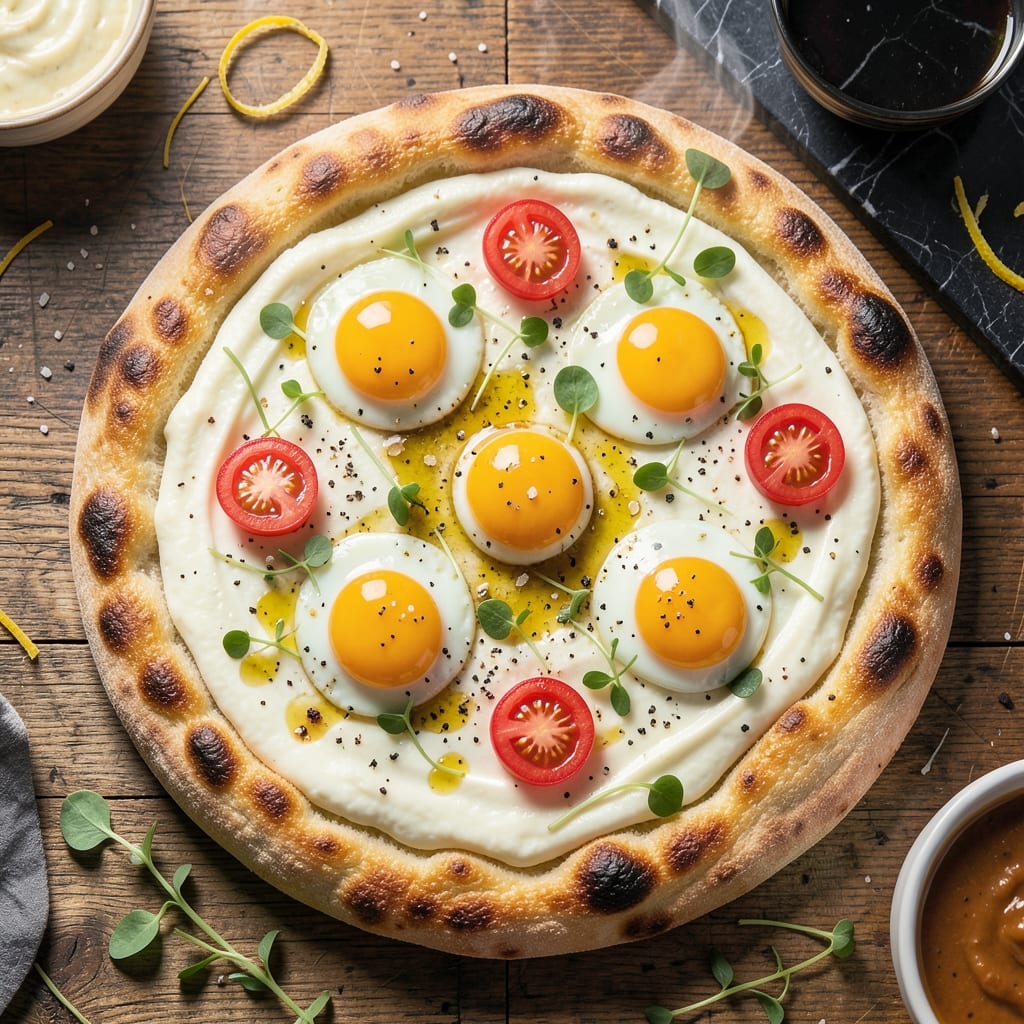
This cottage cheese and egg pizza delivers a crispy crust with luxurious creamy yolk streaks that transform breakfast into a gourmet experience. 💛 The secret lies in blending cottage cheese into the dough for tender, flaky layers while topping with runny eggs that create golden, silky ribbons when baked. I developed this recipe after realizing how often we waste perfectly good cottage cheese—now it becomes the star of a dish that's both comforting and impressive.
The magic happens in two key steps: first, mixing cottage cheese into the dough for a richer texture that stays soft even when baked, and second, cracking eggs directly onto the pizza before baking to create those signature creamy streaks. This isn't your average flatbread—it's a breakfast masterpiece that balances crispy edges with velvety centers, all while keeping prep simple with just a few pantry staples.
What you'll end up with is a pizza that looks like it came from a high-end brunch spot: golden-brown crust with creamy egg ribbons pooling across the surface, all topped with optional fresh herbs or melted cheese. The cottage cheese adds subtle tang and moisture without overpowering, while the eggs provide that restaurant-quality richness that makes every bite feel special.
Serve with a simple arugula salad or warm garlic bread to round out the meal—this pizza is substantial enough to stand alone but pairs beautifully with lighter sides. The best part? It's ready in under 30 minutes, making it perfect for lazy mornings or weekend brunch gatherings when you want to impress without spending hours in the kitchen.
Ingredients for cottage cheese and egg pizza
Four eggs and cottage cheese transform simple dough into a brunch masterpiece with crispy edges and creamy yolk ribbons.
| Ingredient | Amount | Notes |
|---|---|---|
| All-Purpose Flour 🌾 | 2 ½ cups | Spooned and leveled for accuracy |
| Cottage Cheese 🧀 | 8 oz | Full-fat, drained overnight |
| Large Eggs 🥚 | 4 whole | Room temperature for even baking |
| Warm Water 💧 | ¾ cup | For dough activation |
| Olive Oil 🫒 | 2 tbsp | Extra-virgin, plus extra for drizzling |
| Salt 🧂 | 1 ½ tsp | Diamond Crystal preferred |
| Instant Yeast 🍞 | ½ tsp | Ensures quick rise |
| Fresh Mozzarella 🧀 | 1 cup | Shredded, for topping |
| Fresh Basil 🌿 | ¼ cup | Chopped, for garnish |
| Garlic Cloves 🧄 | 3 cloves | Minced, for optional topping |
| Red Pepper Flakes 🌶️ | ½ tsp | Optional, for heat |
| Black Pepper 🌶️ | ¼ tsp | Freshly cracked |
| Cornmeal 🌽 | ¼ cup | For dusting pizza peel |
The cottage cheese is non-negotiable here—full-fat, 2% or higher for that rich texture. Trader Joe's and Whole Foods carry the best brands, but any store-bought works if it's not watery. Drain it overnight in a colander lined with paper towels to remove excess moisture. That's what keeps your crust tender without getting soggy. For the eggs, room temperature is key—they'll spread beautifully when cracked onto the pizza, creating those signature golden streaks. I always grab a dozen farm-fresh eggs from the grocery store's refrigerated section—they're worth the extra buck for this dish.
No fresh mozzarella? Pre-shredded works in a pinch, but it gets gummy—drain it first. Running short on basil? Fresh parsley or arugula adds a nice bright note. The yeast is the secret to that crispy crust—instant yeast activates faster, so no waiting around. If you're feeling adventurous, swap half the flour for whole wheat for a nuttier flavor. For the dough, I use a stand mixer with the dough hook, but hand-kneading works too—just go for about 5 minutes until it's smooth. The cornmeal is optional but worth it—it prevents sticking when transferring your pizza to the oven.
This pizza reheats surprisingly well—350°F for 10 minutes brings back the crispiness. Store leftovers in an airtight container for 3 days in the fridge, or freeze portions for up to 2 months. I like to make a double batch on Sundays so we have pizza for lazy mornings all week. The dough can be prepped ahead and refrigerated overnight—just let it sit at room temperature for 30 minutes before rolling. The eggs, though? Always crack them fresh before baking—nothing beats that runny yolk magic when it's piping hot.
Why You'll Love This Recipe
- No-Fuss Dough: I swear by this dough—just flour, water, and a splash of olive oil. No yeast, no waiting, no stress. Mix it, roll it, and you’re done in under 10 minutes.
- Creamy Eggy Magic: That cottage cheese base? It’s the secret. When it bakes, it gets light and fluffy, with eggs adding that rich, custardy bite. Honestly, it’s like a cross between pizza and a soft-scramble breakfast.
- Lunch or Dinner: Between us, this pizza is that versatile. Pack it for work the night before—it reheats like a dream. Or serve it at a potluck when you’re the one who always brings the easy crowd-pleaser.
- Budget Win: Cottage cheese stretches further than ricotta, and eggs are cheap. I make this twice a month, and it’s always the go-to when I’m low on cash but still want something satisfying. (Yes, even on a Tuesday night.)
Step-by-step instructions for cottage cheese and egg pizza
Here's how to create a pizza with a crispy crust and those dreamy creamy yolk streaks.
👨🍳 Step 1: Mix Dough Ingredients for Maximum Flavor
In a large mixing bowl, combine the 2.5 cups all-purpose flour and 1.5 tsp salt. Make a well in the center and add the 8 oz cottage cheese, 4 whole large eggs, 0.5 tsp instant yeast, and 2 tbsp olive oil. I like to use my hands for this part—it's more effective than a mixer for this dough.
Gradually add the 0.75 cup warm water while mixing until everything comes together into a shaggy dough. The cottage cheese makes this dough extra sticky, so don't worry if it feels messy at first. Once combined, turn the dough out onto a lightly floured surface and knead gently for 2-3 minutes—just until smooth. Over-kneading develops gluten and makes the crust tough.
🍳 Step 2: Let the Dough Rest for Perfect Texture
Shape the dough into a ball and place it in a lightly oiled bowl. Cover with a damp towel and let it rest at room temperature for 30 minutes. This resting period allows the cottage cheese to fully incorporate and the gluten to relax, which prevents cracking during baking.
Here's a pro tip: I like to press my finger into the dough after resting—if it springs back slowly, it's ready. If it bounces back quickly, let it rest another 10 minutes. The dough should be soft but not sticky when you're ready to roll it out.
🔥 Step 3: Preheat and Prepare for Baking
Preheat your oven to 425°F with a pizza stone or baking sheet inside for 30 minutes. This ensures your crust gets that perfect crispy texture. While the oven heats, divide the dough into 4 equal portions (about 8 oz each) and roll each piece into a 12-inch round on a floured surface.
Here's where it gets fun—dust a pizza peel or baking sheet generously with 0.25 cup cornmeal. This prevents sticking and gives that beautiful golden crust. Transfer each rolled-out dough to the peel and brush the surface lightly with olive oil. I find this helps create that crispy edge while keeping the center tender.
🥘 Step 4: Add Toppings and Bake to Golden Perfection
Divide the 1 cup fresh mozzarella evenly among the dough rounds. I like to sprinkle it on first—it melts beautifully and creates that perfect gooey texture. Then, crack 1 egg into the center of each pizza, letting the yolk stay intact for those gorgeous streaks when baked.
Season each pizza with 0.25 tsp black pepper, 0.5 tsp red pepper flakes, and 3 cloves minced garlic (divided). For extra flavor, sprinkle with 0.25 cup chopped fresh basil. Slide each pizza onto the preheated stone or sheet and bake for 12-15 minutes until the crust is golden brown and the egg whites are set but yolks remain runny.
🍽️ Step 5: Finish and Serve Immediately
Remove the pizzas from the oven and let them cool for 2 minutes—just enough to handle them safely. I like to sprinkle with additional chopped fresh basil right before serving. The contrast of the crispy crust, creamy egg yolk, and melted mozzarella is what makes this pizza special.
Slice each pizza into 6 wedges and serve immediately. The secret to this pizza is the timing—the egg yolk should be warm but still runny when you cut into it. If you wait too long, the yolk will firm up. Serve with a simple arugula salad to balance the richness.
Pro Tips For Making Cottage Cheese And Egg Pizza
- Mix Cottage Cheese Cold: I learned this the hard way—adding cottage cheese straight from the fridge to your dough mix keeps the fat from melting too fast and turning your crust greasy. Let it sit out for 10 minutes first, but don’t let it get warm. Cold cheese = better texture.
- Stretch Dough Like Taffy: This isn’t the prettiest method, but it’s the tastiest. After kneading, let the dough rest 10 minutes, then stretch it by hand like you’re pulling taffy—thin edges first, then the center. Skip rolling pins; they compress the cottage cheese too much and make the crust dense.
- Prevent Eggy Overlap: Crack eggs into a bowl first, then whisk them gently—just until the yolks and whites hold together. Drizzle them over the dough in a zigzag pattern instead of dumping them all in one spot. This keeps the pizza from turning into a soggy egg omelet.
- Toast the Crust First: Before adding toppings, slide the pizza onto a hot, dry skillet for 1-2 minutes. The direct heat crisps the edges and seals the cottage cheese so it doesn’t weep when you add sauce or cheese later. Works even better if you flip it once for even browning.
Common mistakes when making this recipe
Overworking the Dough
This dough is delicate thanks to the cottage cheese, so resist the urge to knead it too long. I've made this mistake and ended up with a tough, chewy crust instead of that perfect tender texture. Knead just until smooth—about 2-3 minutes—and stop when the dough pulls away from your hands. Overworking develops too much gluten, which counteracts the creaminess the cottage cheese provides. 💛
Skipping the Rest Time
Letting the dough rest for 30 minutes isn't just optional—it's essential. I once rushed this step and ended up with cracked pizzas that didn't brown evenly. The rest period relaxes the gluten and lets the cottage cheese fully incorporate, creating that perfect balance between crispy edges and tender centers. Trust me, those extra minutes pay off big time.
Using Cold Eggs
Room temperature eggs are non-negotiable for those perfect creamy streaks. Cold eggs from the fridge won't spread properly and will create uneven pools of yolk. I always take my eggs out 30 minutes before baking to let them warm up. This ensures they flow beautifully across the pizza, creating those restaurant-quality golden ribbons when baked.
Overloading Toppings
The beauty of this pizza lies in its simplicity—too many toppings can weigh down the delicate crust. I've learned this the hard way by adding thick layers of veggies that made the crust soggy. Stick to just the mozzarella, eggs, and maybe a sprinkle of herbs. The cottage cheese dough can handle minimal toppings beautifully without becoming a mess.
Baking at Wrong Temperature
This pizza needs that 425°F oven temperature to get the perfect crispy crust while keeping the egg yolks runny. I once baked mine at 375°F thinking it would be safer, but ended up with a pale, doughy crust. The high heat is what creates that beautiful golden color and crispy texture we all love. Preheat for 30 minutes with a pizza stone inside to ensure even cooking.
Letting Pizzas Cool Too Long
Timing is everything with the egg yolks—they should be warm and runny when you serve. I've waited too long before slicing, and the yolks would firm up completely. Remove pizzas from the oven and let them cool for just 2 minutes before serving. This gives you enough time to garnish with fresh basil but keeps those yolks perfectly creamy. 🍳
Nutrition facts
Frequently asked questions
Can I make this pizza without a pizza stone?
A baking sheet works perfectly fine. Just preheat it in the oven for 30 minutes alongside your pizza stone. For extra crispiness, transfer your rolled-out dough to the sheet dusted with cornmeal and bake as directed. The key is ensuring your oven is fully preheated before adding the pizza—this creates that signature crispy crust even without a stone.
How do I prevent the egg yolks from overcooking?
Timing is everything! Remove your pizza from the oven when the crust is golden brown and egg whites are set, but yolks still appear slightly jiggly. They'll firm up as they cool, so aim for 12-15 minutes total baking time. For extra insurance, crack eggs right before baking and serve immediately after coming out of the oven. The residual heat will keep yolks creamy for a few minutes.
Can I use low-fat cottage cheese?
I recommend full-fat cottage cheese for the best texture and flavor. The fat content helps create that tender, creamy crust. If you must use low-fat, add 1 extra tablespoon of olive oil to the dough to compensate for the reduced richness. The crust will still work, but it may be slightly less tender. For optimal results, stick with full-fat varieties like Whole Foods or Trader Joe's brands.
What can I do with leftover dough?
Leftover dough can be refrigerated for 24 hours or frozen for up to 1 month. To use refrigerated dough, let it sit at room temperature for 30 minutes before rolling. For frozen dough, thaw in the fridge overnight. You can also use it to make mini pizzas or flatbreads—just roll out smaller portions and bake at 400°F for 8-10 minutes. The texture will be slightly denser but still delicious.
Can I make this pizza ahead of time?
You can prep the dough a day ahead and refrigerate it, but I don't recommend making the full pizza in advance. The egg topping should always be added fresh before baking for those perfect creamy streaks. If you're short on time, assemble the pizza (without eggs) the night before, cover tightly, and refrigerate. Add eggs and bake in the morning—just reduce baking time by 1-2 minutes since the dough will be slightly chilled.