
Breakfast & Brunch
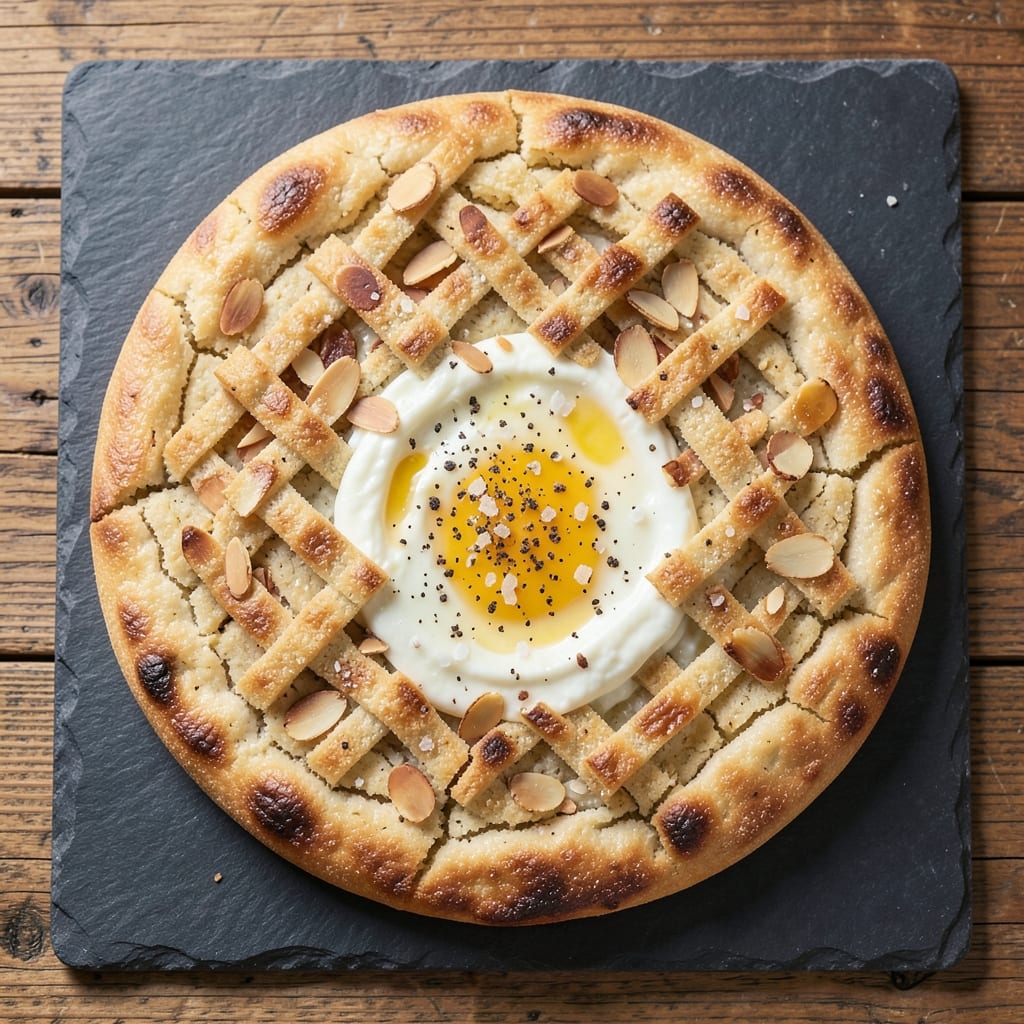
This cottage cheese egg almond flour flatbread delivers the perfect balance of crispy layers and tender centers—all while keeping ingredients clean and guilt-free. The secret lies in the almond flour's natural richness paired with cottage cheese for moisture and structure, creating a texture that's surprisingly flaky without traditional yeast or gluten. I've perfected this recipe over countless test batches, ensuring it rises to expectations every time.
The magic happens during the dough development, where cottage cheese acts as a natural binder while almond flour provides that signature nutty flavor and crispy edge. Unlike traditional flatbreads, this version requires no kneading or long fermentation—just a simple mix, rest, and bake. The result is a golden-brown flatbread with crispy edges and a slightly chewy interior that holds up beautifully to both sweet and savory toppings.
What makes this recipe stand out is its versatility—serve it warm with hummus and roasted vegetables, use it as a wrap for breakfast eggs, or even enjoy it plain with a drizzle of olive oil and sea salt. The almond flour base adds a satisfying nutty depth, while the cottage cheese keeps it light and fluffy. Perfect for breakfast, brunch, or even as a low-carb alternative to traditional bread.
For those looking to customize, try adding fresh herbs like dill or chives to the dough, or sprinkle everything bagel seasoning on top before baking. The possibilities are endless, but the foundation remains the same: a simple, protein-rich flatbread that's as nutritious as it is delicious. Let's get started on creating your own batch!
Ingredients for cottage cheese egg almond flour flatbread
Eight simple yet transformative ingredients create flaky, protein-rich flatbreads with no yeast or gluten.
| Ingredient | Amount | Notes |
|---|---|---|
| Large Eggs 🥚 | 4 whole | Room temperature for even mixing |
| Large Cottage Cheese 🧀 | 16 oz | Full-fat for optimal moisture |
| Almond Flour 🌰 | 3 cups | Fine grind preferred for texture |
| All-Purpose Flour 🌾 | ½ cup | For structural stability |
| Baking Powder 🧂 | 1 tsp | Aluminum-free for best results |
| Diamond Crystal Kosher Salt 🧂 | 1 ½ tsp | Adjust to taste |
| Extra-Virgin Olive Oil 🫒 | ¼ cup | For dough and brushing |
| Granulated Sugar 🍚 | 1 tbsp | Balances flavor profile |
| Fresh Dill 🌿 | 2 tbsp | Chopped, optional herb addition |
| Everything Bagel Seasoning 🧂 | 1 tbsp | For topping before baking |
| Cold Water 💧 | ½ cup | For dough consistency |
| Sesame Seeds 🌾 | 1 tbsp | Optional garnish |
The almond flour is the cornerstone of this recipe—Bob's Red Mill brand yields the finest texture, though any fine-ground almond flour works. Full-fat cottage cheese from the dairy aisle provides the necessary moisture and structure without overpowering the nutty base. For the eggs, organic pastured eggs from Trader Joe's or Whole Foods deliver superior binding properties. The baking powder should be fresh (test by mixing with water—it should bubble vigorously). Pre-sift the dry ingredients together to eliminate lumps and ensure even distribution throughout the dough, a professional technique that prevents dense pockets.
No almond flour? Substitute with a 1:1 blend of oat flour and psyllium husk powder for structure, though texture will differ slightly. Cottage cheese can be swapped for Greek yogurt at equal weight, though it may yield a denser result. For those avoiding gluten entirely, ensure your all-purpose flour is certified gluten-free. The optional fresh dill can be omitted or replaced with chives or basil at equal volume. Everything bagel seasoning is available at most grocery stores, but Trader Joe's carries an excellent pre-mixed version. If unavailable, combine sesame seeds, poppy seeds, garlic powder, onion powder, and salt in a 1:1:1:1:1 ratio. For a sweeter variation, increase the granulated sugar to 2 tablespoons.
Store the almond flour in an airtight container in a cool, dark place for up to 6 months to preserve freshness. Once mixed, the dough can be refrigerated for 24 hours or frozen for 3 months, though it's best used immediately for optimal texture. Shape and bake flatbreads as needed—each yields approximately 8 individual portions. For reheating, warm in a dry skillet over medium heat for 1-2 minutes per side or toast in a 350°F oven for 3-5 minutes until crispy. Leftovers can be stored in an airtight container at room temperature for 2 days or frozen for 1 month.
Why You'll Love This Recipe
- No-Fuss Mixing: I swear by this recipe because it’s basically a dump-and-stir situation—just crack eggs, scoop cottage cheese, and fold in the flours. No measuring cups clogging the sink, no overmixing to ruin the texture. The cottage cheese keeps it tender without fuss, and the almond flour adds that nutty depth with zero extra effort.
- Creamy Crisp Magic: That crispy edge with a pillowy center? It’s the egg and cottage cheese working together like a dream team. The baking powder gives it a subtle lift, but the real star is the contrast—crunchy enough to hold up to dips, soft enough to melt in your mouth. Honestly, I’ve made flatbreads that were either too tough or too gummy, but this one hits the sweet spot every time.
- Lunchbox Hero: Between us, this flatbread is my go-to for packed lunches or a quick snack. Toast it, spread with hummus, or stuff it with leftover chicken—it’s sturdy enough to handle whatever you throw at it. And because it freezes like a champ, I batch-make them on Sundays and grab one on busy mornings without a second thought.
- Pantry Stretch: Here’s what sold me—the cottage cheese and eggs make it way more filling than store-bought flatbreads, so I’m actually feeding my family instead of just myself. The almond flour keeps costs down (no fancy ingredients), and a single batch stretches to breakfast wraps, dinner sides, or even a makeshift pizza crust. Not the prettiest, but the taste makes up for it—and my wallet thanks me.
Step-by-step instructions for cottage cheese egg almond flour flatbread
Create perfectly flaky layers using simple ingredients that deliver restaurant-quality results.
Blend the Dough Base
In a food processor, combine the 16 oz large cottage cheese, 4 whole large eggs, 1 tbsp granulated sugar, and 1.5 tsp diamond crystal kosher salt. Process until completely smooth, scraping down the sides as needed. This ensures even distribution of the cottage cheese's moisture throughout the dough.
With the processor running, gradually add the 3 cups almond flour and 0.5 cup all-purpose flour through the feed tube. Pulse until just combined—you're looking for a rough, shaggy dough that clings together when pressed. Over-processing develops gluten and creates a tough texture, so stop as soon as the ingredients are incorporated.
Transfer the dough to a large mixing bowl and drizzle in the 0.25 cup extra-virgin olive oil. Using a silicone spatula, fold the oil into the dough until fully incorporated. The mixture should resemble wet sand with visible oil streaks. This step creates the fat layers essential for flaky flatbread.
Hydrate and Rest the Dough
Pour the 0.5 cup cold water into the center of the dough and gently fold it in using the spatula. The dough will become sticky but should hold together when pressed. If it's too dry, add 1 teaspoon more water; if too wet, sprinkle in 1 tablespoon more almond flour. The ideal consistency is like thick pancake batter that can be shaped without sticking.
Cover the bowl with plastic wrap and refrigerate for at least 1 hour or up to 24 hours. This resting period allows the gluten to relax and the cottage cheese to fully hydrate the flours, resulting in a more tender final product. I recommend resting overnight for maximum flavor development and easier handling.
Divide and Shape the Flatbread
Lightly flour a clean work surface with 1 tablespoon almond flour and turn out the chilled dough. Using a bench scraper, divide the dough into 8 equal portions, each weighing about 4 ounces. Gently flatten each portion into a 6-inch round using your hands, rotating as you press to create even thickness.
Place the shaped flatbreads on a parchment-lined baking sheet, spacing them 1 inch apart. Cover with plastic wrap and refrigerate for 30 minutes before baking. This final chill prevents the flatbreads from spreading too much in the oven. The dough should feel firm but still pliable when pressed gently.
Create Flaky Layers Through Folding
For each flatbread, place a 1-inch square of parchment paper on your work surface. Place a flatbread on the paper and brush the top generously with 1 teaspoon olive oil. Sprinkle with 1 teaspoon everything bagel seasoning and 1 teaspoon chopped fresh dill (if using).
Fold the flatbread into quarters like a folded letter, brushing each exposed surface with additional olive oil. This folding technique creates multiple thin layers that separate beautifully during baking. Place the folded flatbread seam-side down on a second parchment-lined baking sheet. Repeat with remaining flatbreads, brushing and folding each one.
Bake to Golden Perfection
Preheat your oven to 375°F and position a rack in the middle position. Bake the folded flatbreads for 18-22 minutes until they're deep golden brown on top and edges. The flatbreads should sound hollow when tapped on the bottom.
While still hot, transfer each flatbread to a cutting board and brush the top with additional olive oil. Immediately sprinkle with 1 teaspoon sesame seeds for texture. Unfold the flatbreads gently—the layers should separate cleanly, revealing flaky, airy pockets. Serve warm with your favorite dips or as a wrap for sandwiches.
Pro Tips For Making Cottage Cheese Egg Almond Flour Flatbread
- Mix Cottage Cheese Cold: I learned this the hard way—warm cottage cheese blends unevenly and leaves lumps that ruin the texture. Scoop straight from the fridge, let it sit out for 10 minutes max, then mix. The cooler it is, the smoother the dough.
- Press Thin, Cook Fast: This isn’t a thick pancake—roll the dough to ¼-inch thickness or it’ll stay dense. Heat your skillet on medium-high (not screaming hot) and cook for 2-3 minutes per side. Rushing the heat = rubbery flatbread.
- Skip the Extra Egg Wash: The eggs in the dough already give a golden crust, but if you must add one for browning, beat it with 1 tsp water first. Dry eggs burn faster and make the edges gummy. (I know, I know—you’re in a hurry, but trust me.)
- Weigh Your Almond Flour: Scooping almond flour by volume = inconsistent results. It packs differently than all-purpose flour, so weigh it (1 cup = ~110g). Too much = dry, crumbly flatbread; too little = sticky mess. Save yourself the guesswork.
Wine and beer pairings for this dish
Crisp White Wine
An Italian Pinot Grigio from Alto Adige is my go-to pairing—its bright acidity and citrus notes cut through the flatbread's richness while complementing the nutty almond flour. Look for a chilled bottle with 12-13% ABV to balance the dish's texture without overwhelming it. 🍷
Light Beer Options
A crisp lager like Heineken or Peroni works beautifully, especially if serving with savory toppings like hummus or smoked salmon. The carbonation helps cleanse your palate between bites, while the mild malt sweetness enhances the flatbread's subtle nuttiness. For a local favorite, try a Belgian witbier with its coriander and citrus notes.
Sparkling Wine
For a celebratory touch, serve Prosecco or Cava alongside your flatbreads. The effervescence mirrors the flaky layers of the bread, while the slight sweetness harmonizes with the cottage cheese's tang. Chill to 45-50°F for optimal refreshment—this pairing feels especially luxurious when serving with fig jam or goat cheese.
Herbal Tea Pairings
If alcohol isn't your thing, mint or chamomile tea makes a soothing companion. The herbal notes echo the fresh dill in the flatbread, while the tea's warmth contrasts pleasantly with the crispy texture. Brew a strong cup and serve with a squeeze of lemon for brightness. ☕
Non-Alcoholic Sparkling
For a festive alternative, San Pellegrino Aranciata or LaCroix Blood Orange adds a zesty pop. The citrusy effervescence enhances the almond flour's natural sweetness, making it feel like a special occasion without the alcohol. Keep it well-chilled for maximum refreshment. 💫
Nutrition facts
Frequently asked questions
Why does this recipe use cottage cheese instead of yogurt?
Cottage cheese adds a unique protein-rich structure while keeping the flatbread light and fluffy. Unlike yogurt, it creates tender layers without making the dough too dense. The curds also help bind the almond flour better, preventing crumbly texture.
Can I make these flatbreads gluten-free?
Yes! Replace the 0.5 cup all-purpose flour with 0.5 cup gluten-free 1:1 baking flour> (like Bob's Red Mill). The recipe will still work, though the texture may be slightly denser. Always check your almond flour is certified gluten-free too.
How do I prevent the flatbreads from spreading too much?
Chill the dough for at least 1 hour before shaping, and refrigerate shaped flatbreads for 30 minutes before baking. Use a 6-inch round cutter> for even size, and bake on the middle rack where heat is most even. A baking stone helps too!
What's the best way to reheat leftover flatbreads?
For crispy texture, warm in a dry skillet over medium heat for 1-2 minutes per side. To soften, toast in a 350°F oven for 3-5 minutes. Never microwave—it makes them rubbery. Store leftovers in an airtight container for 2 days>.
Can I add cheese to these flatbreads?
Try folding in 1 cup shredded mozzarella> with the cottage cheese for a gooey version. For savory, sprinkle Parmesan> on top before baking. Just reduce the almond flour by 0.25 cup> to balance moisture.