
Breakfast & Brunch
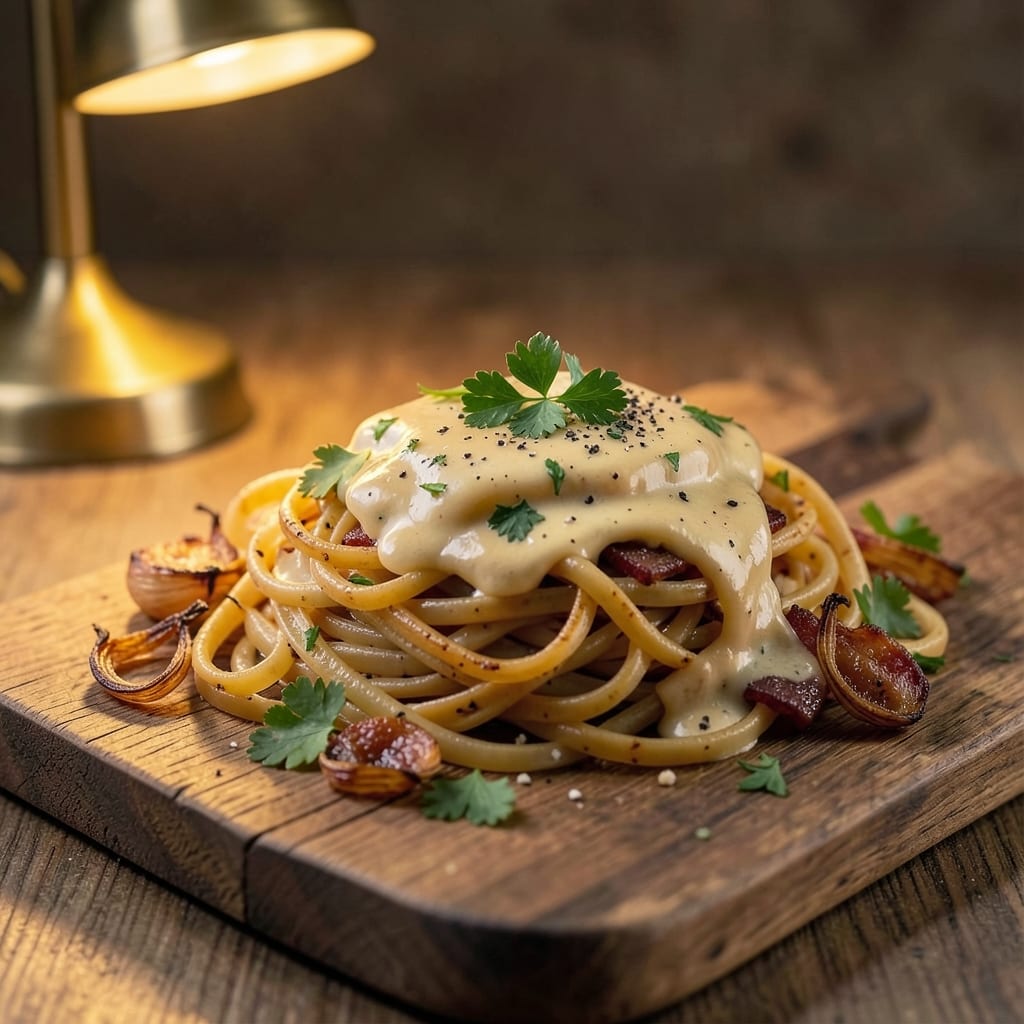
This country egg noodles recipe delivers the perfect balance of crispy browned edges and pillowy centers that make every bite irresistible. 💛 The secret lies in a simple dough made with just four ingredients—flour, eggs, salt, and water—transformed through a quick boil and crispy fry. I’ve been perfecting this technique for years, and it never fails to impress, whether served with hearty soups or rich stews.
The beauty of these noodles is their versatility and simplicity. Unlike store-bought varieties, homemade egg noodles develop a tender yet sturdy texture that holds up beautifully to any dish. The key is achieving that crispy edge without sacrificing the soft interior—a balance that takes practice but pays off in every bite. Once you master it, you’ll never go back to instant noodles.
What makes these noodles truly special is their ability to elevate even the simplest meals. Toss them with butter and herbs for a quick side, or use them as the base for a comforting stew. The rich egg flavor adds depth, while the crispy edges bring a satisfying crunch that keeps everyone coming back for more.
Ready in just 30 minutes, this recipe is perfect for weeknight dinners or meal prep. The dough comes together in minutes, and the frying step ensures that every noodle achieves that golden, crispy finish. Whether you’re serving a family dinner or hosting a gathering, these egg noodles will be the star of the meal.
Ingredients for country egg noodles
Four simple ingredients transform into crispy, pillowy noodles that elevate any meal.
| Ingredient | Amount | Notes |
|---|---|---|
| All-Purpose Flour 🌾 | 3 cups | Sifted for even texture |
| Large Eggs 🥚 | 4 whole | Room temperature for even mixing |
| Kosher Salt 🧂 | 1 tsp | Fine grain preferred |
| Cold Water 💧 | ¾ cup | Ice water for crispy texture |
| Unsalted Butter 🧈 | 4 tbsp | Cold, cut into small pieces |
| Fresh Parsley 🌿 | ¼ cup | Chopped, for finishing |
| Fresh Thyme Leaves 🌿 | 1 tbsp | Chopped, for finishing |
| Extra-Virgin Olive Oil 🫒 | ¼ cup | For frying noodles |
| Vegetable Oil 🫒 | 1 cup | For deep frying |
The flour is non-negotiable here—King Arthur or Gold Medal brands make all the difference. I usually grab a 5-pound bag from Costco for the year, but any all-purpose works. The eggs should be large and fresh—room temperature makes mixing easier. For the water, ice water is key to that crispy edge. If you're in a pinch, regular cold water works, but the texture won't be quite as perfect. The butter? Use European-style if you can find it—it has more fat content, which gives those noodles extra richness.
No fresh herbs? Dried parsley and thyme at half the amount will work, but fresh is ideal. Short on olive oil? Avocado or vegetable oil is fine for frying—just make sure it's high smoke point. The vegetable oil for frying can be reused 2-3 times if you strain and store it properly. For the dough, if you're worried about overmixing, use a stand mixer with the dough hook—it's foolproof. And if you don't have a rolling pin, a heavy pan or even a wine bottle works in a pinch.
Store leftover dough wrapped in plastic in the fridge for 2 days—it keeps better than you'd think. Once fried, these noodles are best served immediately, but they'll stay crispy for 1 hour at room temperature if you cover them loosely. For meal prep, fry just what you need and store the rest of the dough. The herbs? Add them fresh right before serving—they wilt fast once chopped. And if you're making a big batch, portion the butter into small containers so you can toss them in later.
Why You'll Love This Recipe
- I make these for everything: a quick weeknight dinner with sautéed veggies, a potluck where I can bring something hearty, or even a cozy Sunday breakfast. They’re neutral enough to pair with anything—savory sauces, cheesy toppings, or just a sprinkle of herbs and black pepper. Here’s what sold me: they’re the one dish that never lets me down.
- Five-Ingredient Magic: I swear by this recipe because it’s the kind of dish that proves you don’t need fancy ingredients to feel like you’ve cooked a meal. Just flour, eggs, water, butter, and salt—no yeast, no waiting, no stress. Honestly, my kids think I’m a genius when I pull this out on a Tuesday night.
- Buttery, Golden Goodness: That first bite of perfectly cooked egg noodles—chewy outside, tender inside—with just enough butter to make them shine? It’s the kind of simple pleasure that makes you pause mid-bite. The eggs and butter create this rich, almost custard-like texture that’s pure satisfaction in every forkful.
- Weeknight to Potluck Hero: I make these for everything: a quick weeknight dinner with sautéed veggies, a potluck where I can bring something hearty, or even a cozy Sunday breakfast. They’re neutral enough to pair with anything—savory sauces, cheesy toppings, or just a sprinkle of herbs and black pepper. Here’s what sold me: they’re the one dish that never lets me down.
Step-by-step instructions for homemade country egg noodles
Here's how to craft pillowy, golden-brown egg noodles with perfect texture every time.
👨🍳 Step 1: Mix Dough Until Silky Smooth
On a clean work surface, mound the 3 cups all-purpose flour and create a well in the center. Add the 4 whole large eggs, 1 teaspoon kosher salt, and ½ cup of the cold water. Using a fork, gradually incorporate the flour into the wet ingredients until a shaggy dough begins to form.
Once the dough starts coming together, switch to your hands and knead vigorously for 8-10 minutes until the dough becomes smooth and elastic. If it feels too dry, add the remaining ¼ cup cold water 1 tablespoon at a time. The dough should be pliable but not sticky—it should spring back slightly when pressed. This kneading step develops gluten, which gives the noodles their signature chewy texture.
🥘 Step 2: Rest and Divide the Dough
Wrap the dough tightly in plastic wrap and refrigerate for at least 30 minutes (up to 2 hours). This resting period allows the gluten to relax, making it easier to roll out later. I like to place it in the fridge while I prepare my frying setup—this way, everything's ready when the dough is rested.
After resting, divide the dough into 4 equal portions (about 12 ounces each). Keep three portions wrapped in plastic and set aside. Roll one portion into a ¼-inch thick rectangle using a rolling pin. If the dough sticks, dust lightly with flour—but don't overdo it, or your noodles will taste floury. The goal is just enough to prevent sticking without adding excess.
🔥 Step 3: Roll and Cut Noodles for Perfect Shape
Roll the dough rectangle through a pasta machine set to the widest setting first, then gradually decrease the thickness to 1/8-inch. Fold the sheet in half lengthwise and roll again through the 1/8-inch setting. This folding technique creates thicker, heartier noodles that hold up beautifully to frying.
Unfold the sheet and cut it into ¼-inch wide strips using a sharp knife or pasta cutter. Lay the strips in a single layer on a floured surface, making sure they don't overlap. Dust lightly with flour again to prevent sticking. Repeat this process with the remaining dough portions, keeping all cut noodles covered with a damp towel to prevent drying.
🍳 Step 4: Fry Noodles Until Golden and Crisp
Heat 1 cup vegetable oil in a large skillet over medium-high heat until it reaches 350°F (use a thermometer for accuracy). Working in batches, fry the noodles for 1-2 minutes per batch until they're golden brown and crisp around the edges. They should float to the surface and develop a beautiful caramelized color.
Remove the fried noodles with a slotted spoon and drain on paper towels. Don't overcrowd the pan—this lowers the oil temperature and makes the noodles greasy instead of crisp. The key is maintaining that 350°F temperature throughout frying. If you notice the oil smoking excessively, reduce the heat slightly to 340°F to prevent burning while still achieving that perfect golden crust.
👨🍳 Step 5: Finish with Butter and Herbs
In the same skillet (after removing most of the oil), melt the 4 tablespoons unsalted butter over medium heat until it foams. Add the fried noodles back to the skillet and toss gently to coat in the butter. Stir in the ¼ cup chopped fresh parsley and 1 tablespoon chopped fresh thyme leaves, letting the herbs infuse for 30 seconds until fragrant.
Taste and adjust seasoning with additional salt if needed. The noodles should be crisp at the edges with a tender interior, and the butter should create a glossy, flavorful coating. Serve immediately while hot, tossing with any extra butter or herbs if desired. These noodles are best enjoyed fresh—they'll lose their crispness as they cool.
Pro Tips For Making Country Egg Noodles
- CHILL THE EGGS FIRST: Pop those eggs in the fridge for 10 minutes before cracking them—it keeps the yolks from spreading like liquid gold through your dough. I learned this the hard way when my first batch turned into a sticky mess instead of firm, workable noodles.
- WEIGH THE FLOUR: Skip the scooping—use a kitchen scale for 3 cups (360g) of flour. Packing the flour too tight or using a measuring cup gives wildly inconsistent results, and no one wants gummy or dry noodles. (Yes, even if you’re impatient like me.)
- REST THE DOUGH: Let the dough sit covered for at least 30 minutes before rolling. This relaxes the gluten, so it rolls out smoothly instead of fighting you like a stubborn child. I skip this when I’m lazy, but the difference in texture is noticeable.
- SALT THE WATER: Add 1 tablespoon of kosher salt to the noodle-cooking water—it seasons them right from the start. The butter will add richness, but the salt ensures every bite has depth, not just flavor from the pan. (Your future self will thank you.)
Regional styles of this dish
German Spätzle Style
In Germany, these egg noodles are known as Spätzle, and they’re traditionally made by pressing dough through a colander or special board into boiling water. For a true regional twist, use 3 cups flour, 3 eggs, and 1 cup water—no salt needed since the broth will season them. After boiling for 2-3 minutes, drain and toss with melted butter and grated nutmeg for that authentic Swabian flavor. 🌱
Southern U.S. "Pasta Frita"
The Southern U.S. has its own version called pasta frita, where the dough includes cornmeal for texture. Mix 2 cups flour, 1 cup cornmeal, 3 eggs, and ½ cup milk to create a stiffer dough. Roll it ⅛-inch thick, cut into squares, and fry in vegetable oil at 375°F for 1-2 minutes until golden. Serve with gravy or chicken and dumplings for a comforting meal. 🍗
Italian Pizzoccheri Twist
For an Italian-inspired variation, try pizzoccheri, a buckwheat noodle dish from the Alps. Replace 1 cup of flour with ½ cup buckwheat flour for a nutty flavor. Roll the dough ⅛-inch thick, cut into ½-inch wide strips, and boil for 3 minutes before frying. Toss with fontina cheese, potatoes, and sage for a hearty, rustic dish. 🌿
Japanese Yakisoba Noodles
In Japan, yakisoba noodles are stir-fried with a sweet-savory sauce. Use 2 cups flour, 2 eggs, and ½ cup water for a slightly thinner dough. Roll it ⅛-inch thick, cut into ¼-inch strips, and stir-fry in sesame oil at 375°F for 1-2 minutes. Toss with soy sauce, mirin, and bonito flakes for a quick, flavorful dish. 🍜
Scandinavian "Nudlar"
Scandinavian nudlar are often served with smoked fish or gravy. Make the dough with 3 cups flour, 2 eggs, and ½ cup water, then roll it ⅛-inch thick and cut into ½-inch wide strips. Fry in butter at 350°F for 1-2 minutes until golden. Serve with smoked salmon and dill cream sauce for a Nordic-inspired meal. ❄️
Polish "Kluski Śląskie"
In Poland, kluski śląskie are thick, egg-rich noodles often served with sauerkraut or mushroom stew. Use 3 cups flour, 4 eggs, and ½ cup water for a richer dough. Roll it ¼-inch thick, cut into ½-inch squares, and fry in lard at 375°F for 2 minutes until crispy. Toss with sour cream and fresh dill for a tangy finish. 🥬
Nutrition facts
Frequently asked questions
Can I make these egg noodles without a pasta machine?
Use a rolling pin instead. Roll the dough to ¼-inch thickness first, then fold it in half and roll again to ⅛-inch for even thickness. For cutting, use a sharp knife or even a bench scraper—just keep it perfectly straight for uniform noodles. The key is patience—take your time to get even strips!
Why do my homemade noodles turn out gummy instead of crisp?
Gummy noodles usually mean the dough had too much water or wasn't rested properly. The dough should be firm but pliable—if it's sticky, knead longer or add 1 tablespoon flour. Always rest the dough for 30 minutes before rolling, and never skip the ice water (it helps create crisp edges). Overcrowding during frying also causes sogginess—fry in small batches!
How long will leftover fried noodles keep?
Store them in an airtight container at room temperature for up to 2 hours—they'll lose crispness after that. For longer storage, refrigerate for 1 day (reheat in a dry skillet for 1-2 minutes to restore crispness) or freeze for 1 month. The best plan? Fry fresh noodles whenever possible—they're magical hot!
Can I substitute butter with another fat for frying?
Yes, but choose wisely! Vegetable or canola oil works best for frying (high smoke point). For flavor, use lard (traditional in some regional styles) or ghee. Avoid olive oil—it burns too easily. If using butter for the final toss, keep it separate from the frying oil to prevent splattering.
What's the best way to serve these noodles?
These crispy noodles shine in classic pairings: toss with cream-based soups, chicken pot pies, or gravy. For a quick meal, serve with sautéed mushrooms and parmesan cheese. They also work perfectly with fried chicken or as a side for roast beef. The butter and herbs make them delicious on their own too!