
Breakfast & Brunch
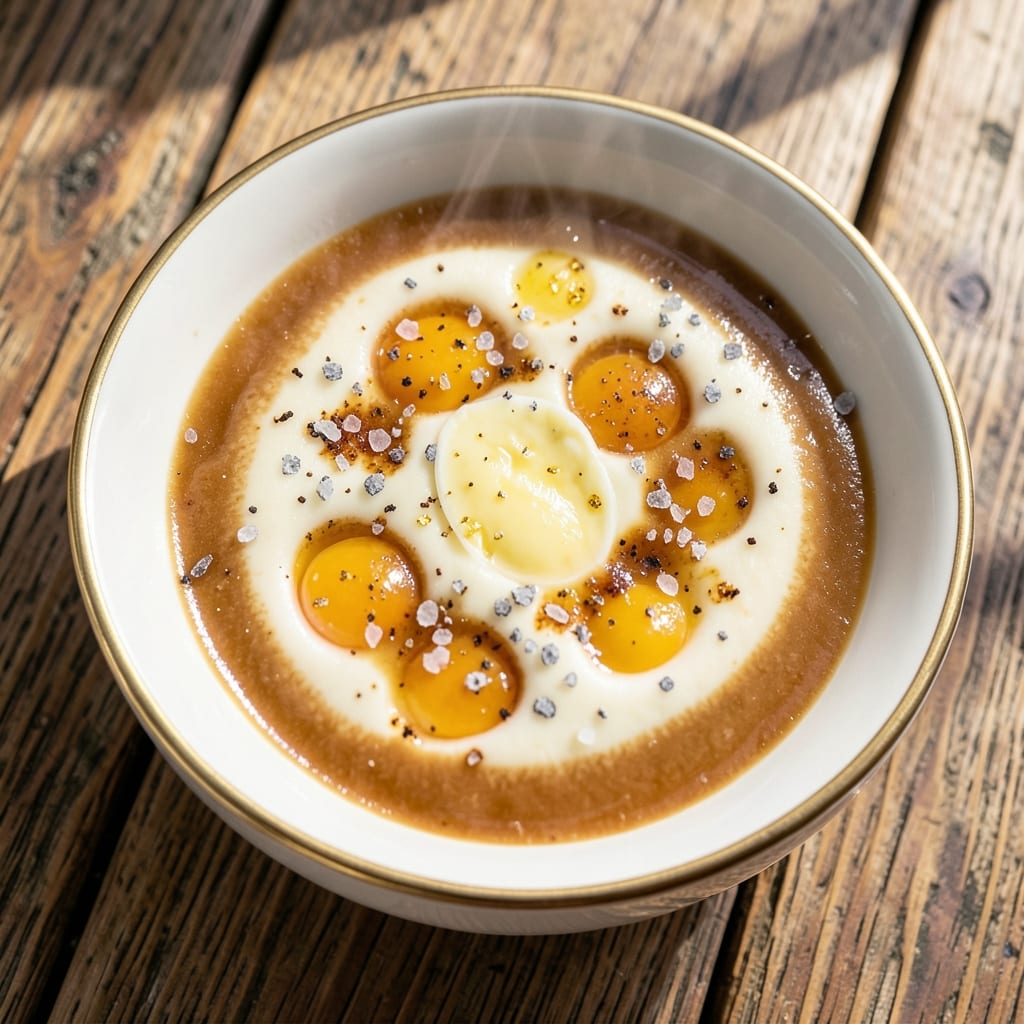
Mastering creamy custard with egg yolks and milk is all about precision—silky smooth texture without curdling. The secret lies in temperature control and gentle heat, transforming simple ingredients into a velvety dessert that feels luxurious. I’ve perfected this recipe after years of trial and error, ensuring every batch turns out flawlessly.
This custard recipe relies on a bain-marie method, which gently heats the mixture over simmering water to prevent curdling while developing a rich, velvety consistency. The key is patience—stirring constantly and maintaining a steady temperature keeps the texture perfect. Once thickened, it can be used as a dessert, sauce, or filling, offering versatility for any occasion.
What sets this custard apart is its foolproof approach to avoiding lumps, thanks to proper egg yolk-to-milk ratios and gradual heating. The result is a creamy, luscious base that can be customized with vanilla, chocolate, or citrus zest. Whether you’re making it for a classic crème brûlée or a rich ice cream sauce, this method guarantees success every time.
Safety is critical when working with raw eggs, so we’ll cover proper handling and storage to keep your custard fresh and delicious for days. Let’s dive into the step-by-step process to achieve restaurant-quality results at home.
Ingredients for custard recipe with egg yolks and milk
Eight simple ingredients transform into velvety custard—no lumps, just pure luxury.
| Ingredient | Amount | Notes |
|---|---|---|
| Large Egg Yolks 🥚 | 8 whole | Fresh, room temperature preferred |
| Whole Milk 🥛 | 2 cups | Full-fat for maximum creaminess |
| Granulated Sugar 🍚 | ½ cup | Adjust for sweetness preference |
| Vanilla Extract 🌿 | 1 tbsp | Pure vanilla for authentic flavor |
| Unsalted Butter 🧈 | 2 tbsp | Cold, cubed for easy melting |
| Salt 🧂 | ¼ tsp | Fine sea salt for balance |
| Cornstarch 🌾 | 1 tsp | For extra thickening power |
| Water 💧 | 1 cup | For bain-marie setup |
| Heavy Whipping Cream 🥛 | ½ cup | Optional for extra richness |
| Lemon Zest 🍋 | 1 tsp | Brightens the custard flavor |
The yolks are non-negotiable here—fresh, room-temperature yolks emulsify better, giving you that signature silky texture. Whole milk is key for creaminess, but if you're watching calories, you can swap in half-and-half. Sugar is your friend here, but adjust to taste—some prefer it subtly sweet, others go all out. Vanilla extract should be pure, not imitation, and Trader Joe's or Williams Sonoma carry excellent options. Butter? Use unsalted, and cold cubes melt more evenly than softened pats.
No vanilla extract? Vanilla bean paste works too, or even a scraped vanilla bean pod. Running low on cornstarch? Arrowroot powder at the same amount does the trick. The heavy cream is optional but worth it for that ultra-rich finish—full-fat only, none of that light stuff. Lemon zest adds brightness, but if you're not a fan, orange zest works just as well. Pro tip: whisk your yolks until they're pale and thick before adding milk—this is where the magic happens for that smooth texture.
This custard keeps beautifully—5 days in the fridge sealed in an airtight container, or 3 months frozen in ice cube trays for perfect single servings. For the best texture, reheat gently on the stove or microwave in short bursts. Leftover custard? It's perfect for filling pastries, topping ice cream, or even just eating straight from the jar with a spoon—no judgment here.
Why You'll Love This Recipe
- Here’s what sold me: that first spoonful where the sugar dissolves perfectly, the butter swirls in like a cloud, and the vanilla lingers without overpowering. It’s rich enough to feel indulgent, but the whole milk keeps it light—no chalky aftertaste, just pure, creamy satisfaction. (Yes, even on a Tuesday night.)
- No Fuss, Big Payoff: I’ll admit, it’s not the fanciest recipe—but that silky, velvety finish? Worth every minute. Just whisk yolks, sugar, and milk over gentle heat, stir in vanilla at the end, and boom. No tempering stress, no overcooked eggs. My lazy Sunday mornings have never been sweeter.
- Velvet Smooth Magic: Here’s what sold me: that first spoonful where the sugar dissolves perfectly, the butter swirls in like a cloud, and the vanilla lingers without overpowering. It’s rich enough to feel indulgent, but the whole milk keeps it light—no chalky aftertaste, just pure, creamy satisfaction. (Yes, even on a Tuesday night.)
- Pantry Staple Power: Between us, this recipe uses things you already own—eggs, milk, sugar, vanilla. No specialty ingredients, no last-minute grocery runs. I’ve turned leftover custard into trifles, ice cream bases, and even a quick cheesecake filling. Honestly, it’s my go-to when I need dessert now but don’t want to order takeout.
Step-by-step instructions for silky smooth custard
Here's how to make velvety custard that never curdles—every time.
Whisk Egg Yolks and Sugar Until Pale
In a medium heatproof bowl, whisk together the 8 whole large egg yolks and 0.5 cup granulated sugar over a double boiler setup. Place the bowl over a pot of simmering 1 cup water—this gentle heat prevents scrambling while warming the yolks. Whisk constantly for 3-4 minutes until the mixture turns pale yellow and nearly doubles in volume. You're incorporating air here, which creates that signature silky texture.
This step is critical—don't rush it. The yolks should be completely smooth with no streaks of white. If you see any lumps, strain the mixture through a fine-mesh sieve. I like to press the back of a spoon against the sieve to push everything through. The smoother the base, the less chance of curdling later.
Temper the Mixture with Warm Milk
Remove the bowl from heat and let it cool slightly for 1 minute. Meanwhile, warm the 2 cups whole milk and 0.5 cup heavy whipping cream in a saucepan over medium heat until steaming hot but not boiling—you should see small bubbles forming at the edges. Slowly pour the warm milk mixture into the egg yolks while whisking constantly. This gradual temperature increase (called tempering) is what prevents curdling by giving the proteins time to adjust.
Whisk vigorously for 2-3 minutes until the mixture returns to room temperature. You'll notice it thicken slightly as the milk cooks the eggs gently. If you feel any resistance when whisking, stop immediately—this indicates the mixture is getting too hot. The goal is to keep everything below 160°F to maintain that silky texture.
Cook the Custard on Low Heat
Return the tempered mixture to the double boiler setup and add the 1 tsp cornstarch, 1 tbsp vanilla extract, 1 tsp lemon zest, and 0.25 tsp salt. Stir gently to combine. Cook over low heat (the water should barely simmer) for 15-20 minutes, stirring constantly with a wooden spoon. The custard is ready when it thickens enough to coat the back of the spoon and reaches 170-175°F on an instant-read thermometer.
Here's where attention to detail pays off: you want to see the custard cling to the spoon in ribbons that slowly dissolve back into the mixture. If it thickens too quickly, reduce the heat immediately—this is when curdling often happens. The cornstarch helps stabilize the texture, but you still need to monitor it closely. I like to scrape the bottom of the bowl occasionally to prevent any potential sticking.
Finish with Butter and Strain
Remove the custard from heat and immediately whisk in the 2 tbsp cold cubed unsalted butter until fully melted and incorporated. This adds richness and helps prevent a skin from forming. Let the custard sit undisturbed for 5 minutes to cool slightly, then strain it through a fine-mesh sieve into a clean bowl. This final straining removes any potential lumps and gives you that ultra-smooth texture.
The custard should now be thick but still pourable—like heavy cream. If it's too thick, whisk in 1-2 tablespoons of the warm milk to adjust consistency. Cover the surface directly with plastic wrap (touching the custard) to prevent a skin from forming, then refrigerate for at least 4 hours or until completely chilled. The longer it rests, the more the flavors meld together.
Pro Tips For Making Custard Recipe With Egg Yolks And Milk
- Temper the yolks: Whole milk is warm when it hits the store—let it sit at room temp for 10 minutes first, then whisk yolks and sugar until fully smooth before adding it. I learned this the hard way when my custard curdled because cold milk shocked the eggs.
- Use full-fat butter: Skip the low-fat shortcut—melt 1-2 tablespoons of unsalted butter into the warm custard at the end. The fat coats the mouthfeel, making it velvety instead of chalky. (Yes, even if you're watching calories.)
- Stop stirring at 170°F: Pull the pot off heat when the custard reaches 170°F—it’ll climb another 5°F from residual heat. Overcooking turns custard grainy, no matter how much you whisk. A candy thermometer is worth it.
- Whisk like you mean it: Vigorously whisk the yolks and sugar for 2-3 minutes until they’re pale and ribbony—this dissolves sugar evenly and aerates the base. Lazy whisking = lumpy custard. (Your arm will thank you later.)
Perfect pairings for this recipe
Dessert Pairings
This custard is a dream for classic desserts like crème brûlée—simply pour it into ramekins and torch the top for that signature caramelized crust. For panna cotta, mix in 1 tsp vanilla bean paste and layer with fresh berries. I also love using it as a filling for chocolate éclairs or apple turnovers, where its silky texture contrasts beautifully with flaky pastry.
For a no-bake option, try trifle by layering custard with sponge cake, whipped cream, and fresh fruit. The custard's richness balances the sweetness perfectly. If you're feeling adventurous, use it as a sauce for ice cream—drizzle over vanilla bean or salted caramel flavors for an elegant touch.
Breakfast Servings
Start your day with French toast—dip slices in the chilled custard, then pan-fry until golden. The custard adds a luxurious creaminess that elevates simple breakfast dishes. For pancakes or waffles, drizzle warm custard over the top with a sprinkle of cinnamon and a dollop of whipped cream.
My go-to morning treat is custard-stuffed French toast—split thick-cut bread, fill with custard, then pan-fry until crispy. The custard oozes out as you eat, creating a decadent surprise. For a lighter option, serve it with yogurt parfaits—layer with granola and mixed berries for a balanced breakfast.
Drink Pairings
A chilled glass of sparkling wine like Prosecco or Cava cuts through the custard's richness, cleansing your palate between bites. For coffee lovers, a dark roast espresso enhances the custard's vanilla notes. I also enjoy pairing it with chilled chamomile tea—the floral notes complement the custard's creaminess beautifully.
For a boozy twist, serve with sauternes or muscat—their honeyed sweetness mirrors the custard's depth. If you prefer beer, a Belgian witbier with its citrusy notes provides a refreshing contrast. Avoid heavy, tannic wines or dark beers, as they can overpower the delicate custard flavors.
Savory Uses
Yes, custard isn't just for sweets! Use it as a sauce for roasted vegetables—toss with asparagus or Brussels sprouts and broil until bubbly. The custard's creaminess balances the earthiness of roasted veggies. For grilled fish, like salmon or cod, drizzle warm custard over the top and sprinkle with smoked paprika for a restaurant-worthy dish.
My favorite savory application is custard-glazed pork tenderloin—brush the meat with custard during the last few minutes of roasting. The result is a tender, juicy pork dish with a glossy, velvety finish. The custard's mild sweetness pairs surprisingly well with savory flavors, adding depth without overpowering.
Nutrition facts
Frequently asked questions
Can I use whole eggs instead of just yolks?
While you can substitute whole eggs, the texture will be slightly different. Yolks create that signature silky smoothness, while whole eggs add structure that can make the custard thicker and slightly grainier. If you must use whole eggs, reduce the quantity to 6-7 eggs total and whisk them longer to ensure full emulsification. The custard will still be delicious but may have a slightly firmer consistency.
Why did my custard curdle?
Curdling usually happens when the mixture gets too hot too quickly. Always temper the eggs with warm (not boiling) milk, and maintain a gentle simmer in your double boiler. Never let the water boil vigorously beneath the bowl. If curdling occurs, strain the mixture immediately through a fine-mesh sieve to salvage as much of the custard as possible.
How do I make chocolate custard?
Add 3 oz of high-quality dark chocolate (60-70% cocoa), finely chopped, to the tempered egg mixture before cooking. Stir until fully melted and smooth. For extra richness, whisk in 1 tbsp cocoa powder along with the vanilla. The chocolate will deepen the flavor while maintaining that velvety texture. Adjust sweetness as needed—chocolate custard is often less sweet than vanilla.
Can I make this custard without a double boiler?
Yes! Create your own double boiler by placing a heatproof bowl over a pot of simmering water, ensuring the bowl doesn't touch the water. Alternatively, use a heavy-bottomed saucepan and cook on the lowest possible heat setting. The key is to keep the heat indirect and gentle—never let the water boil. A slow cooker on "warm" setting also works well for even, controlled heating.
How long can I store homemade custard?
Store custard in an airtight container in the refrigerator for up to 5 days. For longer storage, freeze in 1-cup portions for up to 3 months. Thaw overnight in the fridge and gently reheat on the stove (never microwave directly) to restore its silky texture. The custard may thicken slightly when refrigerated—just whisk in 1-2 tbsp warm milk to adjust before serving.