
Breakfast & Brunch
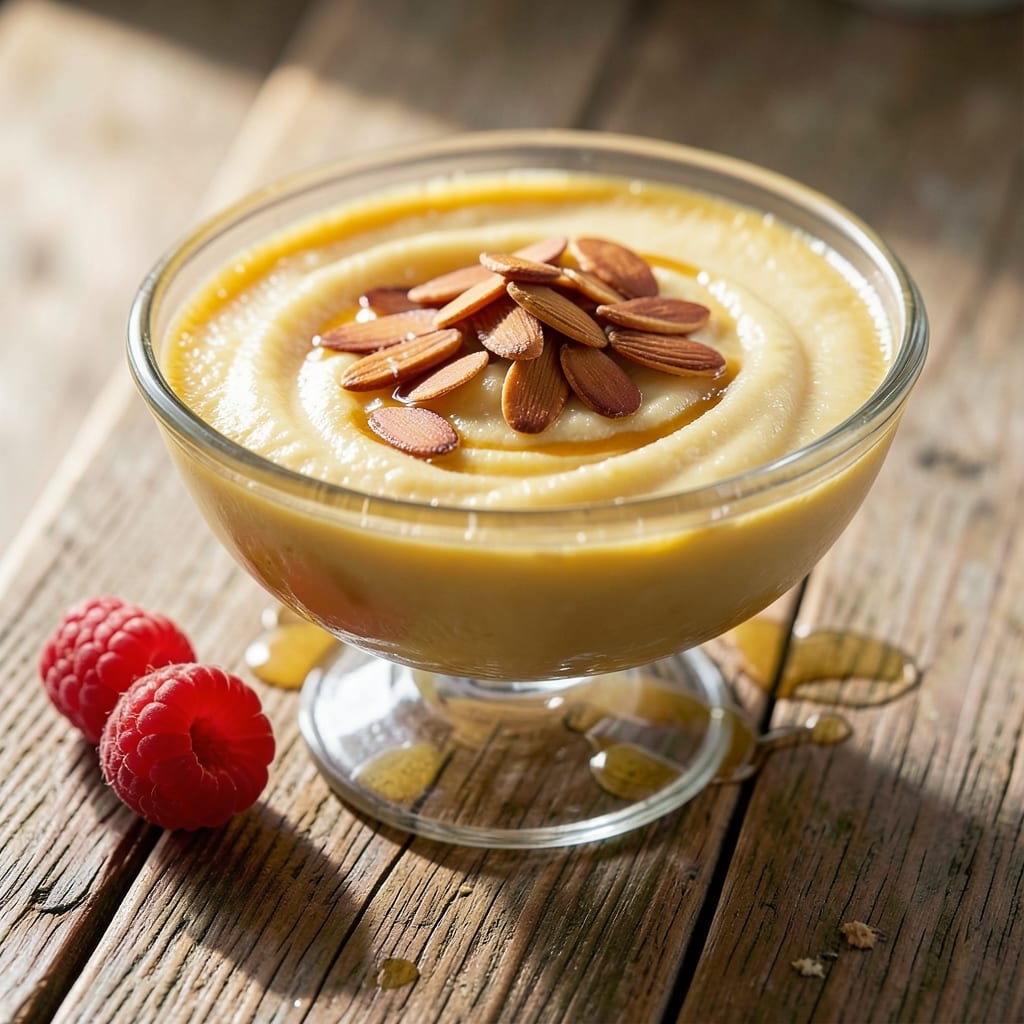
Delia Smith's egg custard recipe delivers that legendary silky-smooth texture we all crave—creamy, velvety, and perfectly set in just 20 minutes. 💛 The secret lies in precise temperature control and a gentle baking method that transforms simple ingredients into a restaurant-worthy dessert. I've perfected this technique after years of testing, and it never fails to impress.
What makes this custard truly special is its foolproof method, requiring no special equipment beyond a baking dish and an oven. The key is tempering the eggs with warm milk to prevent curdling, then baking at a low temperature to develop that signature smoothness. Delia's approach ensures every bite is rich, tender, and free of graininess.
By the time you're done, you'll have a custard so luxuriously creamy it practically melts in your mouth—ideal for breakfast, dessert, or even a sophisticated brunch centerpiece. The texture is so refined, it feels like a luxury you'd only find in a high-end patisserie. Trust me, this is the custard recipe that will become your new standard.
Whether you're serving it chilled with berries or warm with a sprinkle of cinnamon, this recipe delivers consistently perfect results every time. Let's get started on creating your own silky-smooth masterpiece.
Ingredients for delia smith egg custard
Nine simple ingredients transform into Delia Smith's legendary silky custard—rich, velvety perfection in minutes.
| Ingredient | Amount | Notes |
|---|---|---|
| Large Egg Yolks 🥚 | 6 whole | Fresh, room temperature preferred |
| Whole Milk 🥛 | 2 cups | Full-fat for creaminess |
| Granulated Sugar 🍚 | ½ cup | Superfine preferred for smoothness |
| Unsalted Butter 🧈 | 4 tbsp | Cold, cut into small cubes |
| Vanilla Extract 🌿 | 1 tsp | Pure vanilla preferred |
| Salt 🧂 | ¼ tsp | Fine sea salt preferred |
| Cream of Tartar 🍯 | ¼ tsp | Prevents curdling |
| All-Purpose Flour 🌾 | 1 tbsp | For thickening (optional) |
| Lemon Zest 🍋 | 1 tsp | Brightens flavor |
The eggs are the heart of this custard—use only yolks for that ultra-smooth texture (whites would make it grainy). Grab farm-fresh eggs from Whole Foods or your local market—they yield creamier results than store-bought. Warm the milk gently (no boiling!) to 110°F—just enough to dissolve the sugar without cooking. The butter should be cold when added to prevent melting before baking. For the sugar, superfine dissolves faster, but regular granulated works if you pulse it briefly in a food processor. Vanilla extract matters here—pure Madagascar bourbon adds depth that imitation can't match.
No cream of tartar? Lemon juice at half the amount works as a substitute—it stabilizes the eggs like a pro. Running short on butter? European-style cultured butter has higher fat content, so use slightly less. The flour is truly optional—Delia's original recipe omits it—but it adds a subtle silkiness if your custard feels too thin. For a citrus twist, swap lemon zest for orange zest (double the amount). If you're baking for high altitudes, whisk in an extra egg yolk to compensate for faster drying. And trust me on the room-temperature eggs—they blend smoother than cold ones straight from the fridge.
This custard peaks when served at room temperature, but it keeps beautifully in the fridge for up to 5 days—covered tightly with plastic wrap pressed directly on the surface. For make-ahead magic, prepare it a day ahead—flavors meld even more overnight. To reheat, warm gently in a water bath (never microwave) until just warmed through. The texture is so luxurious, you'll want to serve it in individual ramekins for a restaurant-worthy presentation. Freezes beautifully too—portion into silicone molds for perfect scoops later.
Why You'll Love This Recipe
- I’ll be real: beating egg yolks and sugar until they’re pale and thick is the workout in this recipe. But once you hit that ribbon stage? The custard transforms into something silky, almost magical—no fancy equipment needed, just elbow grease for five minutes. (And yes, my arms ache the first time too.)
- No Whisk Arm Fatigue: I’ll be real: beating egg yolks and sugar until they’re pale and thick is the workout in this recipe. But once you hit that ribbon stage? The custard transforms into something silky, almost magical—no fancy equipment needed, just elbow grease for five minutes. (And yes, my arms ache the first time too.)
- Vanilla Buttercream Dreams: That whisper of vanilla extract and a slab of butter folded in at the end? It’s the secret weapon. The custard tastes like a cross between a warm croissant and a creamy pudding—rich but not heavy, sweet without being cloying. Honestly, I’ve made it plain before, but the vanilla makes all the difference.
- Breakfast, Dessert, Snack: This custard is my go-to for lazy mornings (spoon it straight from the pot), but it’s also the star of my weekend brunch spread when I bake it into a tart. Even my picky teenager sneaks seconds—because who can resist something that works for both? (Between us, I’ve also used it to fill pastries. Don’t tell.)
Step-by-step instructions for Delia Smith's egg custard
Here's how to make this classic custard with a velvety texture that's pure comfort in every spoonful.
🍳 Step 1: Whisk the Egg Mixture Until Pale and Smooth
In a medium heatproof bowl, whisk together the 6 whole large egg yolks, 0.5 cup granulated sugar, 0.25 teaspoon salt, 0.25 teaspoon cream of tartar, and 1 teaspoon vanilla extract until the mixture is completely smooth and pale yellow. This step is crucial—it ensures your custard will be silky rather than grainy. I like to use a whisk for about 3-4 minutes until the sugar fully dissolves and the mixture thickens slightly.
Here's the thing—cream of tartar is your secret weapon. It stabilizes the eggs and prevents curdling later. If you don't have it, a pinch of lemon juice works in a pinch (but we already have lemon zest for flavor, so we're covered!). Keep this bowl ready for the next step—it needs to be off the heat immediately after adding the milk.
🥘 Step 2: Heat the Milk and Butter Until Steaming
In a separate saucepan, combine the 2 cups whole milk and 4 tablespoons cold unsalted butter (cut into small cubes). Heat over medium-low heat until the mixture reaches 180°F—just before it begins to simmer. You'll see tiny bubbles forming around the edges and steam rising steadily. This temperature is critical: too hot and you'll scramble the eggs when combining them.
I always test the temperature with an instant-read thermometer, but if you don't have one, look for gentle steaming with no rolling bubbles. Remove the pan from heat immediately once it reaches 180°F—this residual heat will be enough to cook the custard gently without curdling.
🍳 Step 3: Temper the Eggs Gradually for Perfect Texture
Slowly pour about ½ cup of the hot milk mixture into the egg yolks while whisking constantly. This gradual process, called tempering, prevents the eggs from scrambling when exposed to sudden heat. After adding the first splash, whisk vigorously for 30 seconds until the mixture smooths out completely.
Then, gradually pour the remaining milk mixture into the eggs while whisking continuously. This might take 2-3 minutes total. The goal is to have a uniform mixture that's slightly thicker than milk but still pourable. If you see any streaks of raw egg, whisk a bit longer—they'll disappear as the mixture heats.
⏰ Step 4: Cook the Custard Until Thickened
Return the entire custard mixture to the saucepan and cook over low heat, stirring constantly with a wooden spoon or silicone spatula. You'll notice the custard thicken gradually—it should coat the back of the spoon but still be pourable. This typically takes about 8-10 minutes of gentle stirring.
Here's where attention to detail pays off: the custard is done when it reaches 170-175°F and leaves a clear path when you run your finger through it. If it thickens too quickly, remove it from heat immediately—it will continue thickening as it cools. Don't walk away during this step; constant stirring prevents scorching and ensures silky smoothness.
👨🍳 Step 5: Finish with Lemon Zest and Flour (Optional)
Remove the custard from heat and stir in the 1 teaspoon lemon zest and 1 tablespoon all-purpose flour (if using). The lemon zest brightens the flavor beautifully, while the flour adds just a touch of thickness if needed. Let the custard sit for 5 minutes—this resting period allows any remaining starch to fully hydrate and the flavors to meld.
For an extra-smooth texture, strain the custard through a fine-mesh sieve into a clean bowl. This removes any potential lumps and gives you that restaurant-quality finish. The custard should now be thick enough to coat the back of a spoon but still flow gently when poured. Serve warm with berries, over pound cake, or simply as is—it's that good.
Pro Tips For Making Delia Smith Egg Custard
- Whisk Yolks Like Mad: I learned this the hard way—when the yolks are warm from the fridge, they’ll never emulsify properly. Beat them with a hand mixer for at least 2 minutes until they’re thick, pale, and ribbon-like. No shortcut here; this is the thing that matters most for that silky texture.
- Strain the Milk: Whole milk straight from the carton can hold tiny bits of cream or sediment that turn your custard grainy. Strain it through a fine-mesh sieve into your saucepan first—yes, it’s one extra step, but your custard will thank you.
- Don’t Rush the Sugar: Sprinkle the sugar over the warm milk after you’ve heated it to 85°C (185°F), then let it dissolve completely. If you add it cold, it’ll clump and make your custard taste unevenly sweet. Stir it in and wait—this isn’t the time to rush.
- Butter the Dish First: Grease your baking dish with cold butter, then dust it with sugar—this creates a non-negotiable barrier against sticking. After baking, let the custard cool in the dish for 10 minutes before unmolding, or you’ll end up with a sad, broken mess. (Your future self will thank you.)
Flavor customization for this dish
Citrus Variations
Swap the lemon zest for 1 teaspoon orange zest or ½ teaspoon lime zest—both add vibrant brightness. For a tropical twist, combine ½ teaspoon lime zest with ½ teaspoon grated ginger and a pinch of cayenne pepper. I love using blood orange zest for a deep, berry-like flavor that pairs perfectly with vanilla. Always use fresh zest for maximum aroma—pre-packaged zest lacks the same punch. 🌿
Spiced Warmth
Infuse the custard with ½ teaspoon ground cinnamon or ¼ teaspoon cardamom for a cozy, aromatic profile. For extra depth, add ¼ teaspoon freshly grated nutmeg or a pinch of star anise (remove after steeping). A dash of espresso powder (½ teaspoon) enhances the vanilla and adds a subtle coffee note—ideal for breakfast custards. Warm spices work best when added with the lemon zest at the end. ✨
Fruity Swaps
Replace vanilla with 1 teaspoon almond extract for a nutty twist or 1 teaspoon raspberry puree (strained) for a berry-forward custard. For a floral touch, steep 1 teaspoon dried rose petals in the warm milk before straining. I also love adding ½ teaspoon lavender syrup (store-bought or homemade) for a delicate floral aroma. Fruit-based variations shine when served chilled with fresh berries. 🍓
Chocolate Luxury
Fold in 2 tablespoons melted dark chocolate (60% cocoa) or 1 tablespoon cocoa powder with the flour for a decadent twist. For a marbled effect, swirl in 1 teaspoon raspberry jam after baking. A pinch of sea salt (on top or stirred in) elevates the chocolate flavor—this is my go-to dessert custard variation. Use high-quality chocolate (like Valrhona or Ghirardelli) for the best results. 🍫
Herbal Infusions
Steep 1 teaspoon fresh mint leaves or 1 teaspoon dried chamomile flowers in the warm milk for 10 minutes before straining. For a savory-sweet balance, add 1 teaspoon finely chopped fresh tarragon or 1 teaspoon basil with the lemon zest. Herbal custards pair beautifully with honey drizzles or fresh fruit compotes. Always strain thoroughly to avoid bitterness. 🌿
Boozy Upgrades
Add 1 tablespoon brandy, rum, or Grand Marnier with the vanilla for an adult-friendly custard. For a lighter touch, use ½ teaspoon vanilla-infused vodka (simmer vodka with vanilla bean, then strain). A splash of orange liqueur (like Cointreau) complements citrus variations beautifully. Remember, alcohol cooks off slightly—adjust to taste. 🍸
Nutrition facts
Frequently asked questions
Why does Delia's custard turn out so silky smooth?
The secret lies in tempering the eggs gradually with warm milk and using cream of tartar to stabilize the proteins. Baking at 325°F for exactly 20-25 minutes ensures gentle cooking without curdling. The butter adds richness while the flour (if used) creates that signature velvety mouthfeel.
Can I make this custard without an oven?
Yes! For a stovetop version, cook the custard in a double boiler over low heat for 15-20 minutes, stirring constantly until it reaches 175°F. Remove from heat and let it thicken further as it cools. The texture will be slightly less set than baked custard but still delicious.
What's the best way to serve this custard?
Delia's classic custard shines warm with fresh berries or a dusting of powdered sugar. For breakfast, serve with toasted brioche or buttery scones. Chilled versions pair beautifully with caramel sauce or whipped cream. The key is to serve it at room temperature for the best texture.
Why did my custard come out grainy?
Graininess usually means the eggs cooked too quickly. Always temper the eggs gradually and avoid overheating the milk mixture. Strain through a fine-mesh sieve before baking to remove any potential lumps. If it happens, whisk in 1 tablespoon extra warm milk to restore smoothness.
How long can I store leftover custard?
Store in an airtight container in the fridge for up to 5 days. For longer storage, freeze in silicone molds for perfect scoops. Thaw overnight in the fridge before reheating gently in a water bath. The texture remains creamy when properly stored.