
Breakfast & Brunch
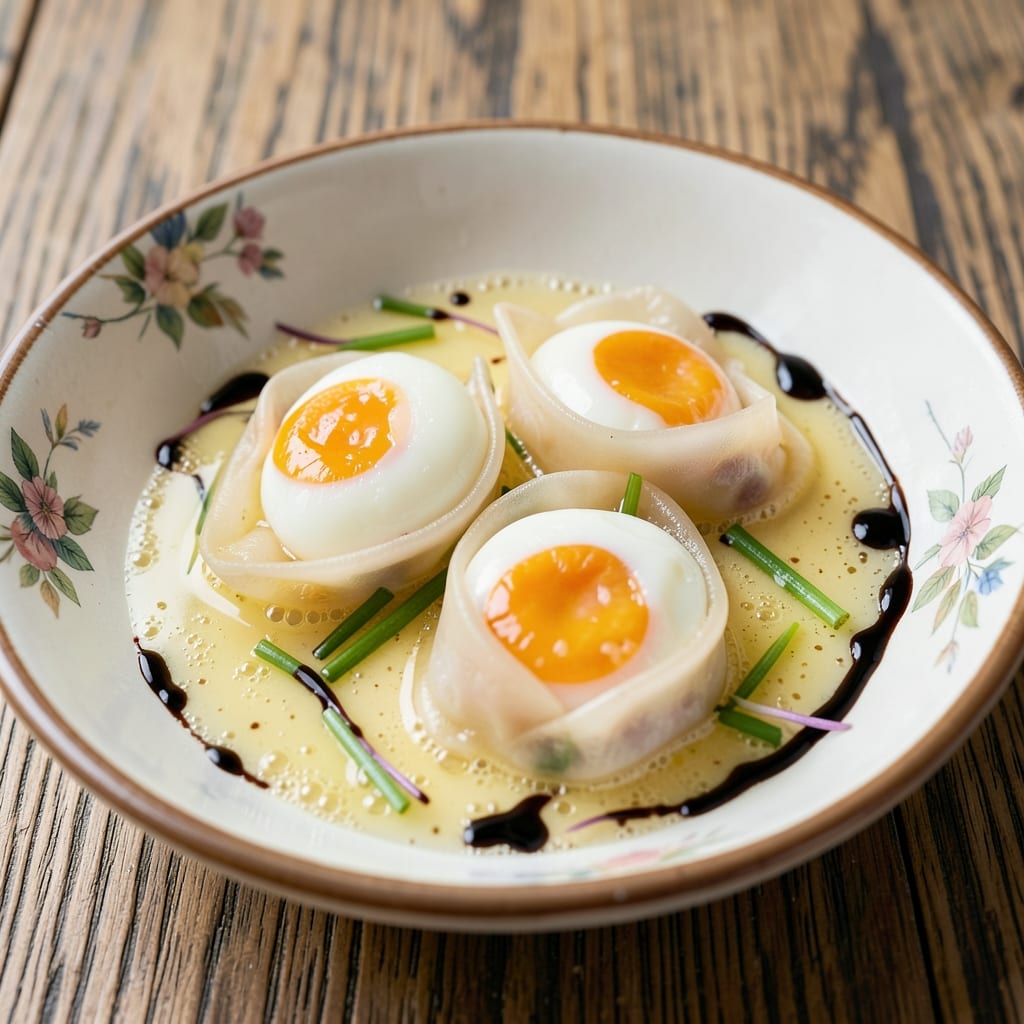
Mastering the perfect delivered egg recipe means achieving that crispy, golden exterior with a perfectly runny yolk—every time. This technique transforms simple eggs into a restaurant-worthy dish that’s surprisingly easy to recreate at home. The key lies in precise timing and temperature control, ensuring the whites set just enough while keeping the yolk silky and vibrant.
What sets this method apart is the crispy wonton bites that elevate the dish beyond traditional toast. These bites add a satisfying crunch and Asian-inspired flavor, balancing the richness of the eggs. The process is straightforward: poach the eggs gently, toast the wonton cups, and assemble with a drizzle of hollandaise or soy-ginger sauce for depth. It’s a dish that feels indulgent yet remains approachable for any breakfast or brunch.
By the end, you’ll have a plate that’s visually stunning and packed with texture—crispy wonton bites, tender egg whites, and a perfectly molten yolk that oozes with every bite. The combination of techniques ensures a dish that’s both impressive and foolproof, perfect for weekend brunches or a special weekday treat. Let’s get started on creating this showstopper.
This recipe works beautifully as a standalone dish or paired with greens and bacon for a full breakfast spread. The crispy wonton bites add a modern twist while keeping the classic appeal of delivered eggs intact. Whether you’re hosting or treating yourself, this method delivers consistent, professional results every time.
Ingredients for delivered egg
Precision ingredients transform ordinary eggs into a restaurant-quality delivered egg masterpiece.
| Ingredient | Amount | Notes |
|---|---|---|
| Large Eggs 🥚 | 4 whole | Room temperature preferred |
| Wonton Wrappers 🍜 | 12 pieces | Square wonton cups preferred |
| Unsalted Butter 🧈 | 4 tbsp | European-style for higher melt |
| Vegetable Oil 🫒 | ¼ cup | High smoke point preferred |
| Water 💧 | 4 cups | For poaching bath, filtered preferred |
| White Vinegar 🍶 | 1 tbsp | For poaching clarity |
| Diamond Crystal Kosher Salt 🧂 | 1 tsp | For poaching water |
| Fresh Dill 🌿 | ¼ cup | Chopped, for garnish |
| Microgreens 🌱 | ½ cup | Or baby arugula |
| Hollandaise Sauce 🍳 | ½ cup | Store-bought or homemade |
| Soy Sauce 🍶 | 1 tbsp | For optional drizzle |
| Sesame Seeds 🌾 | 1 tsp | Toasted for garnish |
| Red Pepper Flakes 🌶️ | ¼ tsp | Optional for heat |
The wonton cups are non-negotiable for that signature crunch—Trader Joe's or Asian markets carry the best quality. Look for wrappers labeled 'wonton cups' rather than sheets; they're pre-cut and designed for this exact technique. European-style butter (like Plugrá) has a higher melt point, crucial for achieving that golden crust without burning. For the poaching bath, use filtered water—it prevents cloudiness and ensures crystal-clear whites. The eggs should be room temperature when poaching; cold eggs create uneven cooking. If you're prepping ahead, keep them covered at room temp for 30 minutes before cooking.
No wonton cups? Phyllo dough cut into squares works in a pinch, though texture differs. Substitute hollandaise with sriracha mayo for a quick shortcut (though purists will notice the difference). The dill and microgreens add freshness—if you can't find microgreens, baby spinach holds up well. For the poaching water, white wine vinegar can replace vinegar in a 1:1 ratio, though it adds subtle flavor. The sesame seeds should be toasted in a dry pan for 30 seconds until fragrant—this enhances their nutty aroma. When assembling, work quickly to maintain egg temperature; pre-warm your serving plates in the oven to keep everything crisp.
Poached eggs hold best at room temperature for 15-20 minutes post-cooking, but serve immediately for optimal texture. Store any unused wonton cups between parchment paper in an airtight container for up to 5 days. The hollandaise sauce should be made fresh or reheated gently in a double boiler—never microwaved. For meal prep, assemble the plates just before serving to maintain crispness. Leftovers keep for 2 days in the fridge, though the wonton cups may soften slightly. Freezing isn't recommended due to texture changes in both the wonton cups and egg whites.
Why You'll Love This Recipe
- Pantry to Plate Fast: I’m talking 15 minutes from fridge to table—just eggs, wrappers, butter, and oil. No chopping, no fuss, just crack, steam, and fold.
- Butter-Kissed Magic: That golden crust from melted butter? It’s the secret—crispy outside, silky inside, with a richness that makes it feel like a restaurant dish (without the price tag).
- Lunchbox or Dinner Party: Pack them for work—stays fresh for days—or serve them at a gathering. They’re handheld, shareable, and impress without the effort.
- Zero-Waste Winner: Uses up leftover eggs or wrappers (hello, grocery savings) and reheats like a dream. My wallet and my freezer thank me.
Step-by-step instructions for crispy wonton bites with runny yolk Magic
Master the perfect balance of crispy wonton cups and silky egg yolks with this precise technique.
Prepare the Poaching Bath for Perfect Eggs
In a medium saucepan, combine the 4 cups water, 1 tablespoon white vinegar, and 1 teaspoon Diamond Crystal kosher salt. Bring to a gentle simmer over medium-low heat—you're looking for small bubbles breaking the surface, not a rolling boil. The vinegar helps coagulate the egg whites slightly faster, while the salt ensures even cooking.
Keep this poaching bath at a steady temperature. If it boils vigorously, the eggs will cook unevenly and the whites may become rubbery. I maintain the heat by adjusting the burner as needed—this is where patience pays off. The bath should be ready when you see fine bubbles consistently breaking the surface, but not large rolling waves.
Assemble and Fry the Wonton Cups
Heat 2 tablespoons vegetable oil and 2 tablespoons unsalted butter in a large skillet over medium heat until the butter foams and the oil shimmers. Add the 12 wonton wrappers in a single layer, pressing down gently to ensure even contact with the pan. Fry for 1-2 minutes per side until they're golden brown and crispy.
Here's the thing—don't crowd the pan. If you overfill it, the wontons will steam instead of crisp. I press down gently on the wrappers during the first minute to prevent curling and ensure even contact with the pan. Once golden, transfer them to a paper towel-lined plate to drain excess oil. They'll stay crisp while you prepare the eggs.
Poach the Eggs to Runny Perfection
Crack each of the 4 large eggs into a small ramekin or shot glass. Gently slide them into the poaching bath one at a time, using a spoon to create a small well. Let them poach for 3-4 minutes—the whites should be fully set but the yolks still jiggly and completely liquid when you pierce with a knife.
I use a slotted spoon to remove the eggs and drain them briefly. The key is timing—overcooking by even 30 seconds will turn that perfect runny yolk into a firm mass. Immediately transfer the poached eggs to the crispy wonton cups, nestling them gently in the center. The contrast between the crispy wrapper and silky yolk is what makes this dish special.
Finish with Garnishes and Sauces
Drizzle each wonton cup with 1 teaspoon hollandaise sauce (about 1 tablespoon total) and a light touch of soy sauce if desired. Sprinkle with 1 tablespoon fresh dill and 1 teaspoon toasted sesame seeds, dividing them evenly among the 4 servings. For a final touch, scatter ½ cup microgreens over the top—this adds freshness and visual appeal.
For an optional kick, dust with ¼ teaspoon red pepper flakes over the entire dish. Serve immediately while the wontons are still crisp and the yolks remain perfectly runny. The combination of textures—crispy wrapper, creamy yolk, fresh garnishes—creates a harmonious bite that's both elegant and satisfying.
Pro Tips For Making Delivered Egg
- Use Room-Temp Eggs: Cold eggs drop straight to the bottom of your simmering water like rocks. Crack them into a bowl first and let them sit for 10 minutes—this lets the whites flow smoothly into the wrappers without tearing. (Yes, even if you're impatient like me.)
- Preheat Oil High: That first sear in vegetable oil isn’t just about color—it’s what locks in the egg’s moisture. Get your pan screaming hot (350°F+) before adding the wrappers, or you’ll end up with sad, greasy pockets instead of crispy edges.
- Don’t Overfill Wrappers: I learned this the hard way—stuffing wrappers past the 2/3 mark guarantees cracked eggs and messy pans. Fill them generously but leave room for the egg to expand; a tablespoon of liquid per wrapper is your sweet spot.
- Butter After Frying: Tossing in butter during frying makes the oil splatter like a fireworks show. Wait until the eggs are golden, then add 1 tablespoon of melted butter to the pan—it’ll coat everything evenly without turning your kitchen into a grease storm. (Your future self will thank you.)
Make-ahead tips for delivered egg
Prep Ahead Strategy
Start by prepping the wonton cups the night before—fry them as directed and store in an airtight container between layers of parchment paper. They’ll stay crisp for up to 24 hours at room temperature, making morning assembly a breeze. I like to keep them in the fridge overnight to enhance their crispiness when reheated briefly in a 350°F oven for 3-5 minutes before serving. 💫
Egg Poaching Shortcut
Poach your eggs 24 hours ahead and store them in a single layer on a wire rack set over a baking sheet in the fridge. This prevents sogginess and keeps the yolks intact. When ready to serve, gently reheat the wonton cups in a 200°F oven for 2-3 minutes while you warm the eggs in a gentle simmering water bath for 30 seconds. This refreshes the texture without overcooking.
Sauce Prep Tips
Make your hollandaise sauce the day before and store it in a clean, airtight jar in the fridge. Reheat it gently in a double boiler—never microwave—until it reaches 160°F, stirring constantly. For extra convenience, keep a small bottle of store-bought hollandaise on hand for last-minute assembly. I also like to pre-mix the soy sauce with a pinch of sesame oil in a small dish for quick drizzling. ✨
Garnish Assembly Line
Set up a garnish station the night before: chop the dill, toast the sesame seeds, and portion the microgreens into small bowls. Store everything separately in airtight containers to keep flavors fresh. When ready to serve, simply scoop and sprinkle—this keeps your plating consistent and efficient. The fresh herbs and seeds add vibrant color and texture that elevates the dish instantly.
Serving Timeline
Plan to fry the wonton cups and poach the eggs within 15 minutes of serving to maintain crispness. If you’re prepping for a crowd, keep the wontons warm in a 200°F oven while you poach the eggs fresh. The eggs should spend no more than 2 minutes out of the poaching bath before assembly. This ensures the yolks stay liquid and vibrant while the whites hold their shape. 🌟
Nutrition facts
Frequently asked questions
Why do the wonton cups need to be fried instead of baked?
Frying creates that signature crispy texture that baking can't match. The high heat from the oil quickly renders the wonton wrappers golden and crunchy while keeping them light. Baking would make them softer and less satisfying in texture. Plus, the butter in the oil adds rich flavor that complements the eggs perfectly.
Can I substitute wonton cups with something else?
Yes! For a quick alternative, use phyllo dough squares cut into 2-inch pieces and lightly brushed with oil before baking at 375°F for 8-10 minutes. They won't be as crispy but work in a pinch. Another option is mini croissant halves baked until golden—they add a buttery contrast that pairs beautifully with the eggs.
How do I fix overcooked eggs with firm yolks?
If the yolks are too firm, don't panic! Place the eggs in a bowl of warm (not hot) water for 1-2 minutes—this helps relax the proteins slightly. For serving, add a dollop of crème fraîche or extra hollandaise sauce to compensate for the texture change. The dish will still taste delicious with this adjustment.
What's the best way to reheat leftover delivered eggs?
Reheat gently to preserve texture: place wonton cups on a wire rack in a 200°F oven for 3-4 minutes while warming eggs in a gentle simmering water bath for 20 seconds. Never microwave—it makes the wontons soggy. For extra crispiness, refresh the wontons in a 350°F oven for 2 minutes right before serving.
Can I make this recipe vegetarian?
Replace the hollandaise with a vegan mayo-based sauce (mix mayo with lemon juice, garlic powder, and a pinch of turmeric for color). Use vegetable broth instead of water for poaching, and garnish with avocado slices or pickled vegetables for extra flavor. The crispy wonton cups and poached eggs still shine as the star!