
Breakfast & Brunch
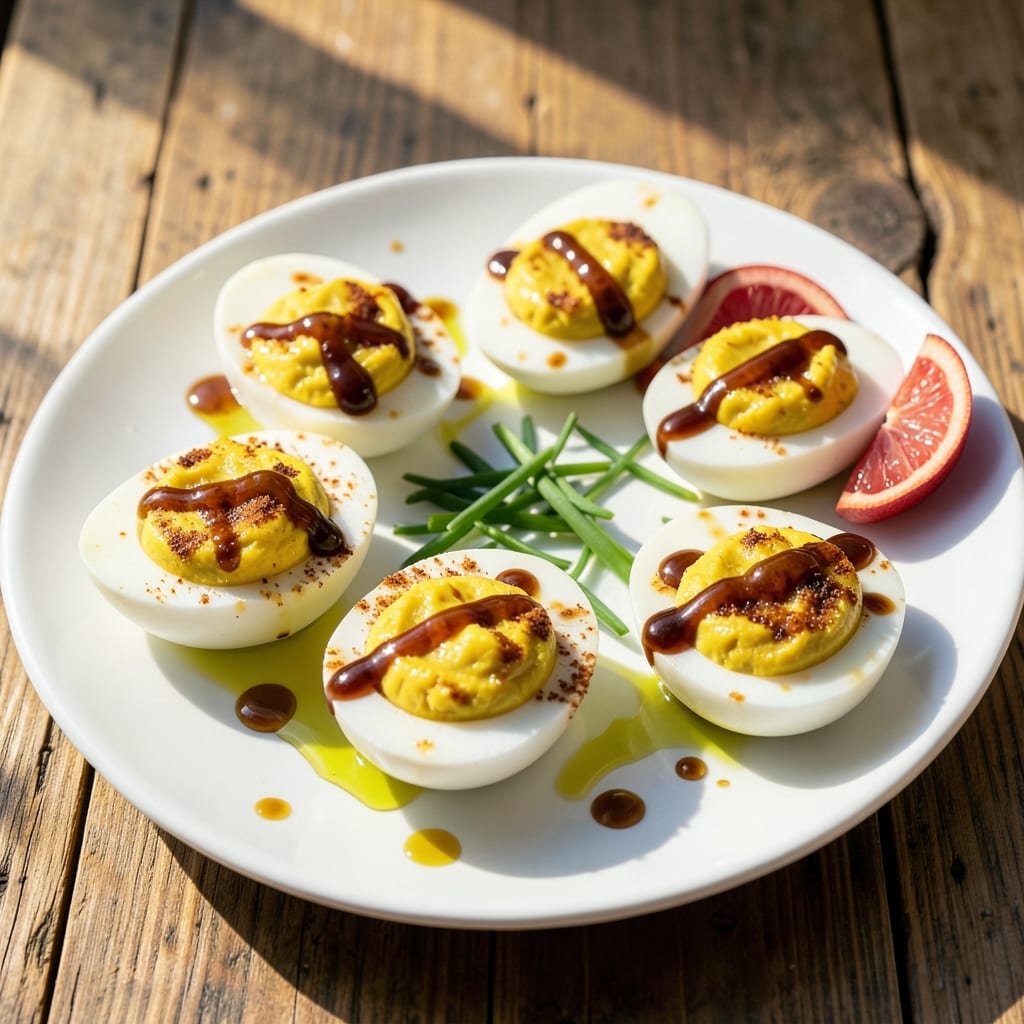
This Panlasang Pinoy deviled egg recipe transforms a classic American appetizer into a bold Filipino fusion—where creamy yolk fillings meet tangy toyo, smoky patis, and a hint of calamansi brightness. 🌟 The secret lies in balancing traditional techniques with local flavors, creating deviled eggs that taste like a merienda staple with restaurant-quality finesse. What makes this version stand out is the depth of flavor: no bland yolks here, just a rich, slightly sweet filling with a kick of heat and umami that keeps you reaching for seconds.
The magic begins with perfectly boiled eggs—firm whites and silky yolks—then comes the Filipino twist. Instead of plain mayo and mustard, we incorporate toyo (soy sauce) for depth, patis (fish sauce) for umami, and a touch of achuete (annatto) for that signature golden hue. Optional additions like liver pâté or longganisa take it further, blending Western and Filipino comfort food in one bite. The garnish? Crisp siling labuyo (bird’s eye chili) for heat and toasted sesame seeds for texture—simple touches that elevate every bite.
What you’ll end up with is a dish that’s equal parts elegant and nostalgic—perfect for holiday spreads, fiestas, or even a weeknight snack. The creamy filling holds its shape, the flavors are complex yet balanced, and the presentation is undeniably Instagrammable. Whether you’re serving these as a starter or a merienda centerpiece, they’ll disappear faster than you can say “sarap!”—and leave everyone asking for the recipe.
Ready to make deviled eggs that taste like home? This recipe delivers the best of both worlds: the classic technique you know, with the bold flavors Filipinos love. Let’s get cooking!
Ingredients for deviled egg recipe panlasang pinoy
Twelve eggs and a handful of Filipino pantry staples transform classic deviled eggs into a bold, umami-packed merienda masterpiece.
| Ingredient | Amount | Notes |
|---|---|---|
| Large Eggs 🥚 | 12 whole | Room temperature for even cooking |
| Extra-Virgin Olive Oil 🫒 | ¼ cup | High quality for richness |
| Mayonnaise 🥫 | ½ cup | Duck or avocado oil preferred |
| Filipino Soy Sauce (Toyo) 🥄 | 1 ½ tbsp | Sweet and salty balance |
| Filipino Fish Sauce (Patis) 🐟 | 1 tbsp | Smoky, umami-rich variety |
| Calamansi Juice 🍋 | 1 tbsp | Freshly squeezed for brightness |
| Ground Black Pepper 🌶️ | ½ tsp | Freshly cracked for heat |
| Annatto Powder (Achuete) 🧂 | ¼ tsp | For signature golden hue |
| Bird's Eye Chili (Siling Labuyo) 🔥 | 2 whole | Finely chopped for garnish |
| Toasted Sesame Seeds 🌾 | 1 tbsp | For crunchy texture |
| Dijon Mustard 🥬 | 1 tsp | For tangy depth |
| Salt 🧂 | ½ tsp | Fine sea salt preferred |
| Ice Cubes ❄️ | 1 cup | For shock cooling boiled eggs |
The eggs are non-negotiable—farm-fresh, large eggs from Filipino markets or trusted grocery stores like Filipino Supermarket give the best texture. Look for eggs with clean, unbroken shells and a vibrant yolk color. For the annatto powder, Filipino grocery stores carry it in small jars, or order online from specialty Asian markets. The calamansi juice is the secret weapon—if you can't find fresh calamansi, substitute lime juice with a pinch of sugar to mimic its tart-sweet balance. Toast your sesame seeds in a dry pan for just 30 seconds—they should smell nutty and golden, not burnt.
No Filipino fish sauce? Red boat fish sauce works in a pinch, but add a splash of soy sauce to compensate for the lack of smokiness. Short on calamansi? Key lime juice with a pinch of salt gets you close. The annatto powder can be swapped for a tiny pinch of turmeric, though it won't be as vibrant. For extra richness, mix in 1 tbsp of liver pâté or chopped longganisa into the filling—this is where the dish gets its restaurant-quality depth. If you're serving to guests who don't love heat, remove the seeds from the siling labuyo before chopping.
Boiled eggs keep for 5 days in the fridge, but the filling should be made fresh the day you serve. The annatto-infused filling will keep for 3 days in an airtight container, but the texture softens slightly. For make-ahead prep, boil the eggs, shock them in ice water, and peel them right before filling. Store the siling labuyo in the freezer to preserve its heat—just thaw and dry it before using. These deviled eggs are perfect for holiday platters or merienda spreads, so make a double batch if you're hosting.
Why You'll Love This Recipe
- Panlasang Pinoy Magic: The moment I mix in that Filipino fish sauce and soy sauce? Instant umami explosion. That tangy, salty depth—it’s the kind of flavor that makes you pause mid-bite and go, "Wait, why isn’t this on every table?" The olive oil adds richness, but it’s the patis and Toyo that turn these eggs from good to "I need more" good.
- One-Bowl Wonder: No chopping, no peeling, no fuss. Just hard-boil the eggs (set a timer—no guessing), slice them open, and mix the filling right in the bowl. The yolks, mayo, and sauces blend together like they were meant to. Honestly, I’ve made this while scrolling through my phone—it’s that easy.
- Leftover Hero: These eggs keep perfectly for days in the fridge. I’ll make a big batch on Sunday, and they’re still crispy and flavorful by Thursday. Pack them for lunch, toss them in salads, or just eat them straight—no one judges. (Yes, even on a Tuesday night.)
- Budget Crowd-Pleaser: Eggs are cheap, mayo is cheap, and a little fish sauce goes a long way. This recipe feeds four for under $5, and everyone—even my picky 10-year-old—asks for seconds. It’s the kind of dish that makes you feel like you’re feeding a houseful without breaking the bank.
Step-by-step instructions for deviled eggs with Filipino flavor
Here's how to make creamy, perfectly balanced deviled eggs with that signature Filipino kick.
🍳 Step 1: Boil Eggs to Perfect Doneness
Place the 12 whole Large Eggs in a saucepan and cover them with cold water by about 1 inch. Bring to a rolling boil over high heat—this ensures even cooking. Once boiling, immediately reduce heat to medium-low and simmer for exactly 9 minutes. Set a timer because precision matters here.
The reason for the 9-minute cook time is to achieve yolks that stay perfectly runny while the whites firm up just enough to slice cleanly. If you prefer slightly firmer yolks, go for 10 minutes, but I find 9 minutes gives that ideal silky texture we're after. As soon as the timer goes off, transfer the eggs to the 1 cup Ice Cubes in a bowl to stop the cooking process immediately. Let them chill for 10 minutes—this makes peeling and slicing so much easier.
👨🍳 Step 2: Prepare the Yolk Filling
While the eggs cool, finely chop the 2 whole Bird's Eye Chili (Siling Labuyo) and set aside. In a small bowl, whisk together the 0.5 cup Mayonnaise, 1.5 tbsp Filipino Soy Sauce (Toyo), 1 tbsp Filipino Fish Sauce (Patis), 1 tbsp Calamansi Juice, 1 tsp Dijon Mustard, 0.5 tsp Ground Black Pepper, 0.5 tsp Salt, and 0.25 tsp Annatto Powder (Achuete). The annatto powder will give that beautiful golden hue that's so characteristic of Filipino deviled eggs.
Here's the thing—Filipino fish sauce and soy sauce might seem like an unusual combo, but together they create that perfect balance of sweet, salty, and umami that makes these deviled eggs truly special. Mix well until the annatto powder dissolves completely and you have a smooth, vibrant filling. Taste and adjust seasoning if needed—you might want to add a tiny bit more calamansi juice for brightness or a pinch more salt for depth.
🔪 Step 3: Halve and Remove the Yolks
Gently tap each egg on a hard surface to crack the shell all over, then peel off the shell under running water for easier removal. Using a small spoon or melon baller, carefully scoop out the yolks into a bowl, leaving the whites intact. Be gentle here—you don't want to tear the whites. Place the egg whites on a plate, halved-side up.
Now, mash the yolks with a fork until they're completely smooth. Add the prepared filling and mix thoroughly until fully combined. The mixture should be creamy and well incorporated. If it looks too thick, add 1 teaspoon of water to loosen it slightly. The filling should hold its shape when piped but still be smooth enough to spread easily.
🥘 Step 4: Fill and Garnish
Using a piping bag or a spoon, carefully fill each egg white half with the yolk mixture. I like to pipe it directly into the center and then spread it gently with the back of the spoon to create a smooth, even surface. Be careful not to overfill—the mixture should sit just below the rim of the egg white.
Sprinkle each deviled egg with the finely chopped Bird's Eye Chili (Siling Labuyo) and 1 tbsp Toasted Sesame Seeds for that perfect Filipino touch. The chili adds a subtle heat that balances the richness, while the sesame seeds bring a delightful crunch. Arrange the deviled eggs on a platter and serve immediately while still chilled. These eggs are best enjoyed fresh—the flavors meld beautifully when served at room temperature.
Pro Tips For Making Deviled Egg Recipe Panlasang Pinoy
- Boil Eggs 10 Minutes Past Soft: I learned this the hard way—undercooked yolks turn greasy when mixed with mayo and patis. Set a timer for 12 minutes after water boils, then plunge in ice water immediately. The yolks stay firm but creamy, not rubbery, and slice cleanly for that perfect panlasang pinoy texture.
- Chill Eggs Before Peeling: Skip the struggle—cold eggs peel effortlessly. Run them under cold water for 30 seconds after boiling, then refrigerate for 10 minutes. The shells slide off like magic, and you won’t end up with yolk splatter ruining your filling.
- Whisk Mayo with Patis First: Sounds weird, but it works: mix the mayo with patis and a pinch of salt before adding the yolk mixture. This keeps the filling from breaking when you fold in the vinegar or calamansi later—no grainy texture, just smooth, tangy flavor.
- Toast the Topping Oil: Heat a teaspoon of olive oil in a small pan until it shimmers, then drizzle over the deviled eggs right before serving. The oil caramelizes slightly, giving a crispy, aromatic finish that makes the dish look (and taste) restaurant-worthy.
Make-ahead tips for this deviled egg recipe panlasang pinoy
Boil Eggs Ahead
Boil the 12 Large Eggs for 9 minutes and immediately transfer them to an ice water bath for 10 minutes. This stops cooking and makes peeling easier. Store peeled eggs in a bowl in the fridge for up to 5 days—they’ll keep perfectly until you’re ready to fill them. The key is to peel them just before assembling to prevent the whites from drying out. 🥚
Prep Filling Early
Make the yolk filling up to 1 day ahead and store it in an airtight container in the fridge. The flavors meld beautifully overnight, and the annatto powder will fully dissolve. When ready to assemble, simply pipe the filling into the egg whites. This is especially helpful if you’re hosting—just boil and peel the eggs the morning of, then finish assembly right before serving. ✨
Garnish Last Minute
Keep the chopped siling labuyo and toasted sesame seeds separate until serving. These garnishes add freshness and crunch, so adding them right before eating ensures maximum texture. If you’re making these for a crowd, store the garnishes in small containers and sprinkle them just before serving to keep everything looking fresh and vibrant. 🌶️
Freezer-Friendly Hack
For a longer make-ahead option, boil and peel the eggs, then store them in a single layer on a tray before transferring to a freezer bag. Freeze for up to 1 month. Thaw overnight in the fridge, then fill and garnish as usual. The texture holds up well, though the whites may be slightly softer after freezing. This is perfect for holiday prep or busy weeks! ❄️
Reheat for Warm Serve
If you prefer your deviled eggs slightly warm, place them in a 200°F oven for 10-15 minutes before serving. This gently reheats the filling without drying out the whites. Garnish with fresh siling labuyo and sesame seeds right after warming to restore their crispness. Great for a cozy merienda or holiday spread! 🔥
Batch Assembly Tip
For large gatherings, assemble the deviled eggs in two batches—one for immediate serving and one to keep chilled. Store the second batch in an airtight container in the fridge for up to 4 hours. The filling stays creamy, and the flavors remain vibrant. This way, you can keep the spread fresh all day without rushing. 💪
Nutrition facts
Frequently asked questions
Can I substitute calamansi juice if I can't find it?
Yes! Use 1 tbsp lime juice mixed with ½ tsp sugar for a similar tart-sweet balance. For extra authenticity, add ¼ tsp salt to mimic calamansi's complexity. The sugar helps replicate the natural sweetness found in fresh calamansi juice.
How do I make these deviled eggs spicier?
Add 1 extra Bird's Eye Chili (Siling Labuyo) finely chopped to the filling, or mix in ½ tsp chili flakes directly. For heat lovers, blend 1 tbsp siling labuyo with the filling for a smoother, fiery kick. Garnish with extra chopped chili on top too!
What's the best way to store leftover deviled eggs?
Keep them in an airtight container in the fridge for up to 2 days. Store the filling separately if you won't use all the eggs. Re-garnish with fresh siling labuyo and sesame seeds before serving to restore texture. The filling stays creamy but may separate slightly after refrigeration.
Can I use store-bought Filipino fish sauce?
Brands like Sweet & Sour Patis or Red Boat Fish Sauce work perfectly. For deeper flavor, mix 1 tsp soy sauce into regular fish sauce to mimic the smoky profile of authentic Filipino patis. Always taste first—Filipino fish sauce is stronger than Southeast Asian varieties.
Why did my deviled eggs turn out greasy?
This usually happens from too much mayo or not enough acid (like calamansi juice). Use ½ cup mayo max and add 1 extra tsp calamansi/lime juice to balance richness. For extra stability, chill the filling for 30 minutes before piping to help it hold its shape.