
Sauces & Condiments
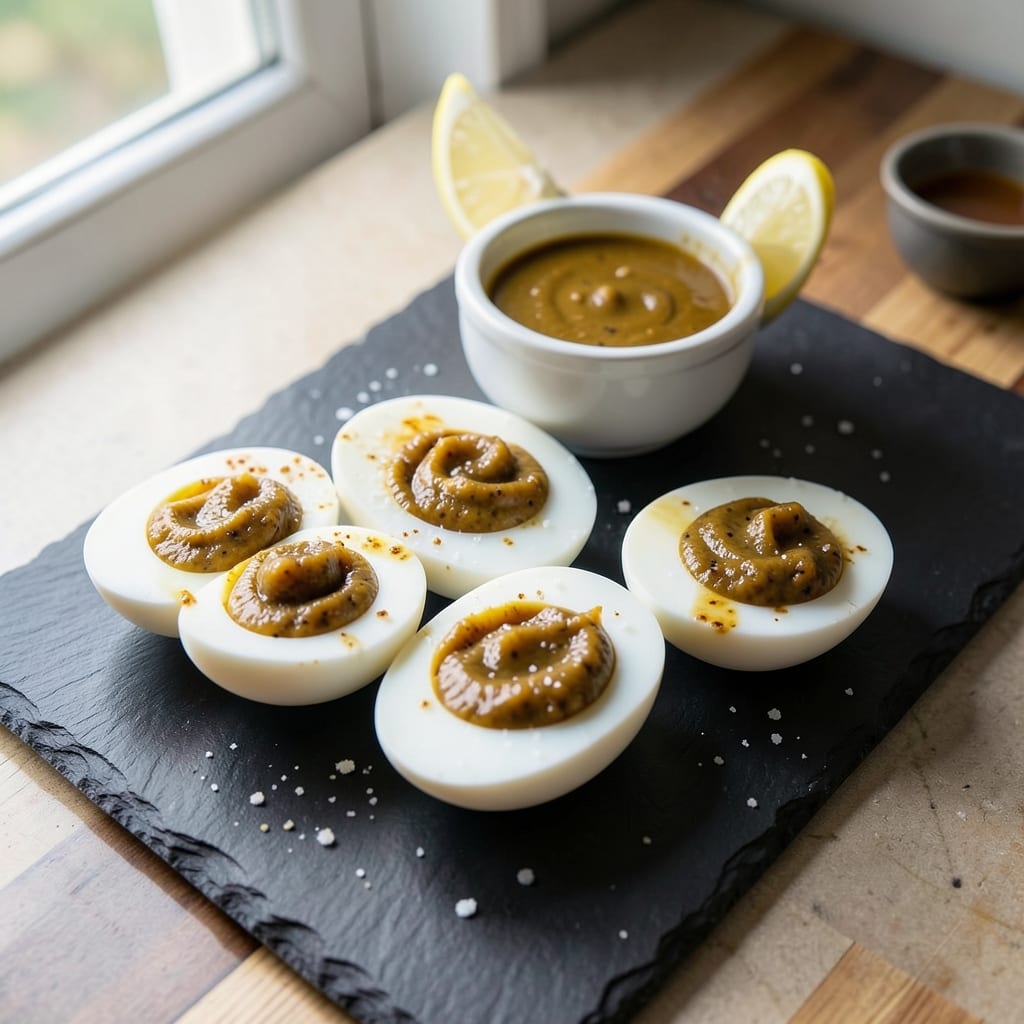
This deviled egg recipe with horseradish sauce delivers a perfect balance of creamy texture and bold, tangy heat that transforms a classic appetizer into something truly special. I remember making these for my first dinner party in Portland, and they became the star of the spread—everyone asked for the recipe. The secret lies in the sauce: a velvety horseradish blend that cuts through the richness of the yolks while adding a satisfying kick.
What sets this recipe apart is the technique—starting with perfectly hard-boiled eggs that stay tender inside while achieving that signature creamy filling. The horseradish sauce isn't just an afterthought; it's the star, carefully balanced with mayo and a touch of Dijon mustard for depth. This isn't your grandmother's deviled eggs—it's a restaurant-quality appetizer that's surprisingly simple to make at home.
By the time you're done, you'll have beautifully piped deviled eggs with smooth, creamy centers and a zesty horseradish bite that lingers just right. The contrast between the cool, tangy filling and the warm, slightly crisp egg whites makes each bite irresistible. These are perfect for parties, game day gatherings, or even a fancy brunch when you want to impress without spending hours in the kitchen.
One of my favorite things about this recipe is how versatile it is—you can adjust the horseradish level to suit your taste, or add a pinch of smoked paprika for extra depth. The method is foolproof, and the ingredients are simple, but the result is anything but basic. Let's get started on making these crowd-pleasing bites that always disappear first.
Ingredients for deviled egg recipe with horseradish sauce
Twelve simple ingredients transform classic deviled eggs into a showstopping appetizer with velvety horseradish filling.
| Ingredient | Amount | Notes |
|---|---|---|
| Large Eggs 🥚 | 24 whole | Fresh, room temperature preferred |
| Mayonnaise 🥫 | 1 cup | Dijon-style preferred for depth |
| Prepared Horseradish 🌶️ | ½ cup | Creamy or coarse texture |
| Dijon Mustard 🍯 | 1 tbsp | For subtle tang balance |
| Fresh Lemon Juice 🍋 | 1 tbsp | Brightens the filling |
| Granulated Sugar 🍚 | ½ tsp | Balances horseradish heat |
| Kosher Salt 🧂 | ½ tsp | Diamond Crystal preferred |
| Freshly Ground Black Pepper 🌶️ | ¼ tsp | Cracked peppercorns preferred |
| Smoked Paprika 🌶️ | ¼ tsp | Optional for depth (omit for classic) |
| Ice Water 💧 | 1 cup | For quick egg cooling |
| Piping Gel or Whipped Cream 🍦 | 1 tsp | For smooth piping (optional) |
| Paprika 🌶️ | 1 tsp | Sweet for garnish |
The eggs are non-negotiable—fresh, room-temperature eggs from local farms or the grocery store's refrigerated section yield the best results. Look for eggs with bright orange yolks and minimal air pockets. For the horseradish, Bragg or French's are my go-tos, but any creamy variety works. The Dijon mustard adds depth that regular yellow mustard can't match—Maille is my splurge pick, but store-brand works fine. Pro tip: If you're prepping ahead, peel the eggs just before serving to keep them looking fresh.
No horseradish? Substitute with extra Dijon mustard plus a pinch of cayenne for heat. Running low on mayo? Greek yogurt mixed with olive oil works beautifully (just add a splash of vinegar to stabilize). The smoked paprika is optional but adds a subtle complexity—think of it as the secret weapon that elevates these from basic to restaurant-quality. For the lemon juice, fresh is ideal, but bottled works in a pinch. If your filling seems too thick, add a splash of water or more lemon juice to loosen it up. And if you're feeling fancy, add a pinch of smoked salt to the filling for extra depth.
Hard-boiled eggs keep for up to 1 week in the fridge, but the filling should be made fresh for the best texture. Store the filling in an airtight container with a thin layer of plastic wrap pressed directly on the surface to prevent a skin from forming. The eggs can be peeled and kept in the fridge for 2-3 days, but they're best piped and served immediately. For parties, prep the filling ahead and pipe the eggs just before serving—they look stunning and stay crisp. If you're making these for a crowd, double the recipe—they disappear faster than you'd think!
Why You'll Love This Recipe
- No Boil Fuss: I swear by this shortcut—just pop eggs in the oven at 375°F for 15 minutes. No peeling, no mess, and the yolks stay perfectly creamy every time. (Yes, even when I forget to set a timer.)
- Zingy Kick: That horseradish and lemon juice combo? It’s like a flavor wake-up call. The creamy mayo balances the heat, but the tangy mustard keeps it bright—no bland deviled eggs here.
- Party in a Bowl: These disappear at gatherings, but they’re just as welcome on a lazy Sunday. Add them to salads, charcuterie boards, or just eat them straight up with crackers. (I’ve done all three.)
- Budget Powerhouse: Eggs are cheap, and this recipe stretches for days. Make a double batch—store the whites in the fridge, mix the filling fresh, and reassemble when needed. Zero waste, maximum flavor.
Step-by-step instructions for deviled eggs with horseradish sauce
Here's how to create perfectly balanced deviled eggs with a creamy horseradish filling that delivers big flavor.
Hard-Boil the Eggs to Perfection
Place the 24 whole large eggs in a single layer in a large saucepan. Cover them with cold water by about 1 inch—this prevents cracking. Bring to a rolling boil over high heat, then immediately reduce to a gentle simmer. Cook for exactly 12 minutes from the time the water returns to a full simmer. This timing ensures perfectly set yolks without overcooking the whites.
Transfer the eggs to a bowl of ice water for 10 minutes to cool completely. The cold water stops the cooking process and makes peeling easier. Gently tap each egg on a hard surface, then roll to crack the shell all over before peeling under running water. The goal is smooth, intact whites and perfectly formed yolks ready for filling.
Prepare the Horseradish Filling
In a medium bowl, combine 1 cup mayonnaise, 0.5 cup prepared horseradish, 1 tbsp Dijon mustard, 1 tbsp fresh lemon juice, 0.5 tsp granulated sugar, 0.5 tsp kosher salt, 0.25 tsp freshly ground black pepper, and 0.25 tsp smoked paprika. Mix thoroughly with a silicone spatula until completely smooth and evenly colored. The horseradish should be fully incorporated—no streaks should remain.
This mixture needs to be perfectly balanced: the sugar and lemon juice mellow the horseradish's heat, while the Dijon mustard adds depth. Taste and adjust seasoning if needed—you want a bright, tangy kick without overpowering sharpness. The filling should be thick enough to hold its shape when piped but still smooth enough to create clean lines.
Pipe and Garnish the Deviled Eggs
Carefully cut each boiled egg in half lengthwise and gently remove the yolks with a small spoon, reserving them in a separate bowl. Add 1 tsp piping gel or whipped cream to the yolks and mash until completely smooth. This creates a stable base for piping that won't separate.
Transfer the yolk mixture to a piping bag fitted with a small round tip. Pipe the filling back into the egg whites, creating a smooth, even mound that reaches just below the top edge. For a professional finish, pipe a small dot of filling in the center of each egg half, then pipe a swirl around it to create an elegant design.
Garnish and Serve with Precision
Sprinkle each deviled egg half with 1 tsp paprika using a fine-mesh strainer for an even dusting. The paprika adds both color contrast and a subtle smoky depth that complements the horseradish. Arrange the eggs on a platter and serve immediately for the best texture and presentation.
For optimal serving, keep the eggs at room temperature until ready to eat. The filling should hold its shape beautifully, with a creamy contrast against the smooth paprika garnish. Each bite delivers that perfect balance of creamy mayonnaise, sharp horseradish, and bright lemon—without the filling being too aggressive or the eggs too dry.
Pro Tips For Making Deviled Egg Recipe With Horseradish Sauce
- CHILL THE EGGS FIRST: Peel those eggs straight from the fridge—room temperature yolks turn greasy and slide out of the whites like a greased pig at a county fair. Pop them in ice water for 10 minutes before peeling, and the whites stay intact while the yolks hold their shape.
- USE COLD MAYONNAISE: I learned this the hard way—warm mayo makes the filling separate like oil and vinegar in a sad salad. Keep your mayo refrigerated until the last second, then mix it into the yolk-horseradish blend just before piping. Cold mayo binds better and keeps the texture smooth.
- MEASURE THE HORSERADISH: That prepared horseradish is potent enough to clear a room, so don’t eyeball it. Start with 1 teaspoon per 6 eggs, then adjust to taste—adding lemon juice later lets you dial up the heat without turning the whole batch into a sinus-clearing bomb.
- PIPE THE FILLING FAST: Once you mix the yolk-horseradish sauce, work quickly. The filling thickens as it sits, and suddenly you’re dealing with a gloppy mess instead of neat little peaks. Have your piping bag (or zip-top bag with a corner snipped off) ready, and fill the eggs before the mayo starts to stiffen.
Best sauces and condiments for this deviled egg recipe with horseradish sauce
Classic Horseradish Sauce
This recipe's signature horseradish sauce balances the creamy filling perfectly. Start with ½ cup prepared horseradish (I love Bragg's for its smooth texture) mixed with 1 cup mayonnaise and 1 tbsp Dijon mustard. The key is adding 1 tbsp fresh lemon juice and ½ tsp sugar—this mellows the heat while keeping the sauce bright and tangy. 🌶️
For extra depth, I always include ½ tsp kosher salt and ¼ tsp freshly cracked black pepper. The smoked paprika (¼ tsp) adds a subtle complexity that elevates the sauce from basic to restaurant-worthy. If you prefer less heat, reduce the horseradish to ¼ cup and add a pinch of cayenne for extra kick.
Creamy Mustard Variation
Skip the horseradish entirely for a mustard-based filling that's still bold but milder. Mix 1 cup mayonnaise with 2 tbsp Dijon mustard, 1 tbsp whole-grain mustard, and 1 tsp honey to balance the tang. This version works beautifully with ½ tsp celery seed for an earthy note that pairs perfectly with the egg whites.
For a spicy kick, add ½ tsp hot sauce (like Cholula) or a dash of Tabasco. The mustard version has a smoother texture, making it ideal for those who prefer their deviled eggs with a gentler bite. I often serve this variation at holiday brunches when I want to keep things family-friendly.
Smoky Chipotle Twist
Transform your horseradish sauce into a smoky chipotle version by adding 1 tsp adobo sauce (from canned chipotle peppers) and ½ tsp smoked paprika to the base mixture. The adobo sauce brings deep, smoky heat that contrasts beautifully with the creamy filling. For extra richness, stir in 1 tsp Greek yogurt to balance the intensity.
This variation is perfect for game day gatherings or when you want to add a Southwestern flair. Garnish with chopped cilantro and a sprinkle of cotija cheese for a fresh, tangy contrast. The smoky chipotle heat lingers just enough to keep your taste buds engaged without overwhelming the palate.
Herb-Infused Options
Brighten your deviled eggs with fresh herbs like dill or chives. Finely chop 1 tbsp fresh dill and mix it into the horseradish sauce for a bright, garden-fresh flavor. Alternatively, add 1 tbsp minced chives and a pinch of zest from ½ lemon for a citrusy herbal twist that pairs beautifully with the creamy filling.
For a Mediterranean touch, blend 1 tbsp finely chopped capers and 1 tsp lemon zest into the sauce. The briny capers add a salty complexity that cuts through the richness of the eggs. This variation is especially popular at summer picnics—the herbs keep the dish feeling light and refreshing.
Sweet and Tangy Glaze
Drizzle your deviled eggs with a sweet and tangy glaze for an unexpected twist. Mix 1 tbsp honey with 1 tsp apple cider vinegar and ½ tsp Dijon mustard, then warm gently in a small saucepan until smooth. Drizzle ½ tsp of this glaze over each egg half just before serving for a glossy, flavorful finish.
This glaze works especially well with the horseradish sauce—the sweetness balances the heat while adding a shiny, appetizing look. For extra flair, sprinkle with toasted sesame seeds or crushed pistachios to add crunch. It’s a showstopper that’s surprisingly easy to make.
Nutrition facts
Frequently asked questions
Can I make this recipe with store-bought horseradish sauce?
Store-bought prepared horseradish works perfectly—just check the label for creaminess (Bragg or French's are ideal). For extra smoothness, blend it briefly with the mayo before mixing in other ingredients. If you prefer less heat, reduce the amount by ¼ cup and add a pinch of cayenne for balance.
How do I keep the filling from separating when piping?
The secret is adding 1 tsp piping gel or whipped cream to the yolk mixture before piping. This stabilizes the filling so it holds its shape beautifully. Also, chill the filling for 15 minutes before piping to thicken it slightly—this prevents messy drips. Work quickly once piped to avoid spreading.
Can I make these ahead of time?
Yes, but with a few tricks! Prep the filling and pipe the eggs up to 4 hours ahead, then refrigerate uncovered. Bring to room temperature before serving. For best texture, peel the eggs just before serving to keep them looking fresh. The filling stays creamy when chilled, but the eggs may soften slightly if left too long.
What's the best way to adjust the horseradish heat level?
Start with the full ½ cup horseradish and taste as you go. For milder heat, reduce to ¼ cup and add ½ tsp extra sugar to balance. For extra kick, increase to ⅔ cup and add a splash of lemon juice to brighten. The smoked paprika also adds subtle depth without overwhelming heat.
Why did my eggs turn out too dry?
Overcooking is the most common cause—stick to 12 minutes of simmering time for perfect doneness. If your eggs still seem dry, try adding 1 tsp extra mayo to the filling or a splash of water to loosen the mixture. For future batches, use room-temperature eggs and shock them in ice water immediately after boiling.