
Breakfast & Brunch
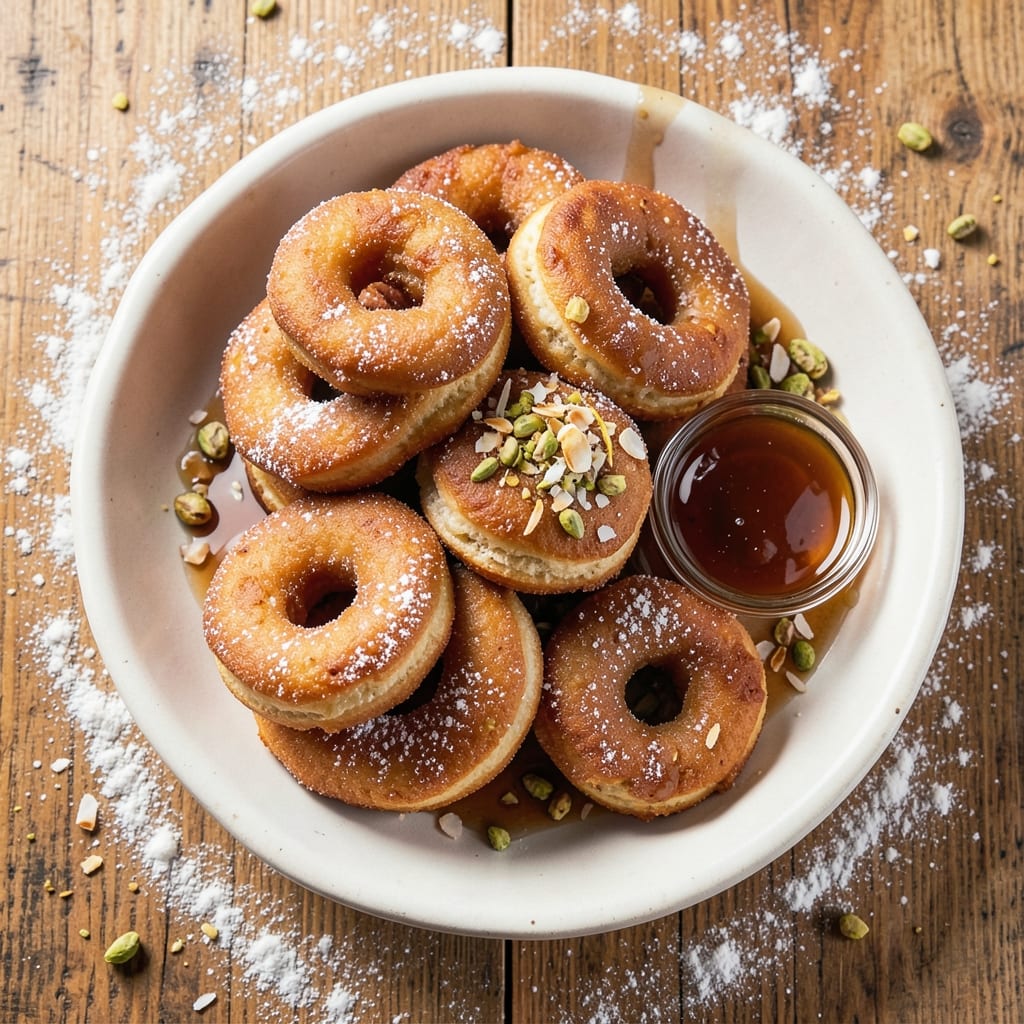
This no-egg, no-yeast donut recipe delivers fluffy, pillowy bites that rival classic donuts—without a single rising agent or animal product. The secret lies in a flaxseed "egg" substitute and baking powder for lift, creating a tender crumb that stays light even when fried. I developed this recipe after years of testing vegan alternatives, and it’s now my go-to for weekend breakfasts or dessert cravings. What makes these donuts special is their versatility—they’re just as delicious fresh out of the fryer as they are glazed or dusted with powdered sugar. The dough comes together in 10 minutes, and with no yeast or eggs, there’s no waiting for proofing or worrying about overmixing. The result? Perfectly golden, crispy-on-the-outside, soft-on-the-inside donuts that hold their shape and taste like a bakery treat. The key to success is gentle frying at the right temperature (350°F) and immediate glazing while still warm. You’ll end up with donuts that soak up glaze beautifully, whether you prefer classic vanilla, rich chocolate, or a sprinkle of cinnamon sugar. No one will guess they’re vegan—just decadent, satisfying bites that work for any meal. Best of all, this recipe scales easily for parties or meal prep. Store extras in an airtight container for up to 3 days, or freeze for longer storage. Let’s make donuts that everyone can enjoy!
Ingredients for donut recipe no egg no yeast
Twelve simple ingredients transform into golden, fluffy donuts without yeast or eggs.
| Ingredient | Amount | Notes |
|---|---|---|
| All-Purpose Flour 🌾 | 3 cups | Spray with oil for easy measuring |
| Granulated Sugar 🍚 | ¾ cup | White or organic cane sugar |
| Ground Flaxseed 🌰 | ½ cup | Freshly ground for best results |
| Unsweetened Almond Milk 🥛 | 1 cup | Cold for proper texture |
| Vegetable Oil 🫒 | ¾ cup | Refined, neutral flavor preferred |
| Baking Powder 🍞 | 2 tbsp | Double-acting for best rise |
| Salt 🧂 | ½ tsp | Fine sea salt preferred |
| Vanilla Extract 🌸 | 1 tsp | Pure alcohol-free if preferred |
| Vegetable Oil 🫒 | 4 cups | For frying, 350°F temperature |
| Powdered Sugar 🍚 | 2 cups | For classic glaze option |
| Vanilla Extract 🌸 | 1 tbsp | For glaze, same as dough |
| Unsweetened Almond Milk 🥛 | ¼ cup | For glaze, thin consistency |
The flaxseed is non-negotiable here—it’s your vegan egg substitute. Bob’s Red Mill or Trader Joe’s sell pre-ground flaxseed, but grinding your own ensures maximum freshness. For the almond milk, unsweetened vanilla or plain works best—none of that flavored junk with weird aftertastes. The baking powder? Check the expiration date—old baking powder won’t give you that perfect lift. I always buy mine in bulk from King Arthur Flour since it lasts longer and performs better. The vegetable oil for frying matters too—stick with refined brands like Crisco or Mazola to avoid any off-flavors.
No almond milk? Oat or soy milk works in a pinch, but the texture might be slightly denser. Ran out of vanilla extract? Almond extract at half the amount gives a similar warmth, though it’s stronger. The powdered sugar glaze can be swapped for a chocolate glaze (melt ½ cup vegan chocolate chips with 2 tbsp almond milk) or even a cinnamon sugar coating (mix 1 cup powdered sugar with 1 tbsp cinnamon). For the dough, if you don’t have vegetable oil, melted coconut oil works but has a slight coconut flavor. The key is keeping everything cold until frying—warm dough won’t hold its shape.
Store-bought donuts? Not anymore. These keep for 3 days in an airtight container at room temperature, but honestly, they’re best fresh. For freezing, let them cool completely, then freeze on a tray before transferring to a bag—up to 2 months. To reheat, warm in a 300°F oven for 5-10 minutes. Pro tip: Double the batch and freeze half. You’ll thank me later when you’re craving a donut at 2 AM. The glaze sets as it cools, so apply it immediately after frying for that perfect bakery finish.
Why You'll Love This Recipe
- No Fuss Mixing: I swear by the flaxseed hack—just whisk the ground flax with almond milk, let it sit for 5 minutes, and boom, you’ve replaced eggs without extra bowls. The dough comes together smoother than my usual yeasty mess, and honestly? No one can tell it’s not the real deal.
- Sweet Crunch Magic: That sugar coating isn’t just for show—it caramelizes into a crispy shell while keeping the inside pillowy. Between us, the almond milk adds this subtle nuttiness that makes it taste like a bakery’s secret, not a last-minute hack.
- Breakfast or Snack: I’ve had these cold with coffee, reheated as a dessert, and even packed them for my kid’s lunch. They’re sturdy enough to handle travel but still soft enough to eat with one hand—because let’s be real, nobody has time for fancy plates on a Tuesday.
- Pantry Staple Power: Flour, sugar, oil—these are things I always have. No yeast to prove, no eggs to scramble, and the flaxseed? Cheap enough that I buy it in bulk. Three donuts cost me less than a fancy coffee, and they’ll disappear faster than my willpower on a sugar crash.
Step-by-step instructions for fluffy, pillowy egg-free donuts
Here's how to create light, airy donuts without eggs or yeast—just clever science and patience.
Mix the Wet and Dry Ingredients Separately
In a large mixing bowl, whisk together the 1 cup unsweetened almond milk, 0.75 cup vegetable oil, 0.75 cup granulated sugar, and 1 tsp vanilla extract until fully combined. The mixture should be smooth with no visible streaks of oil.
In a separate bowl, sift the 3 cups all-purpose flour, 2 tbsp baking powder, 0.5 tsp salt, and 0.5 cup ground flaxseed together. Sifting ensures no lumps remain, which is critical for that signature pillowy texture. The flaxseed acts as a binder here, replacing eggs entirely.
Combine Wet and Dry Ingredients Gently
Gradually add the dry ingredients to the wet mixture, mixing just until combined. I use a silicone spatula to fold gently—overmixing develops gluten and makes the donuts dense. You'll notice the batter becomes thick and sticky, almost like cookie dough.
Here's the thing—this batter needs to rest. Cover the bowl with a damp towel and let it sit for 15-20 minutes at room temperature. This allows the flaxseed to fully hydrate and the baking powder to activate, setting you up for maximum rise in the fryer.
Chill the Batter for Better Shape
After resting, transfer the batter to the refrigerator and chill for at least 1 hour (or up to 24 hours). Chilling firms up the fat in the batter, which prevents the donuts from spreading too much in the hot oil. This step makes all the difference for that classic rounded shape.
While the batter chills, measure out 4 cups vegetable oil for frying and pour it into a deep, heavy-bottomed pot. Place the pot over medium heat and insert a thermometer. You're aiming for 350°F—this is non-negotiable for perfect donuts. If the oil isn't hot enough, they'll absorb oil instead of getting that golden crust.
Fry Donuts in Small Batches
Using a piping bag fitted with a large round tip (or a zip-top bag with a corner snipped off), pipe 2-tablespoon portions of batter into the hot oil. Work quickly but carefully—donuts fry fast. You'll see them immediately rise to the surface as they hit the oil.
Fry for 1 minute 30 seconds per side, turning with a slotted spoon, until they're golden brown all over. The edges should be crisp, but the center should still feel slightly soft when you press gently with tongs. If they brown too quickly, reduce the heat slightly—you want even cooking, not burning.
Drain and Glaze Immediately
Transfer fried donuts to a wire rack set over a baking sheet lined with paper towels. Let them drain for 2-3 minutes—this prevents soggy bottoms. While they're still warm, whisk together 2 cups powdered sugar, 1 tbsp vanilla extract, and 0.25 cup unsweetened almond milk for the glaze.
Dip each donut halfway into the glaze, letting any excess drip off. The glaze should coat the top and sides evenly. For extra shine, I like to sprinkle a pinch of powdered sugar on top right after dipping. Serve immediately while the glaze is still glossy and the donuts are warm through.
Pro Tips For Making Donut Recipe No Egg No Yeast
- Mix Flaxseed First: Combine ground flaxseed with almond milk and let it sit for 5 minutes before adding to the batter—this thickens it properly and prevents a gummy texture later. I used to just toss it in, and the donuts always turned out dense and gluey.
- Chill the Batter: Refrigerate the batter for at least 30 minutes before frying—this keeps the donuts from absorbing too much oil and falling apart. Sounds counterintuitive, but it makes all the difference when you’re deep-frying.
- Test Oil Temp: Use a wooden chopstick—if bubbles form around it immediately when dropped in, your oil’s ready (350–375°F). Too hot, and the outside burns before the inside cooks; too cool, and you get greasy, undercooked donuts. I learned this after frying three batches that tasted like oil-soaked cardboard.
- Fry in Batches: Keep the oil at a steady temp and fry just 2–3 donuts at a time—crowding drops the heat and makes them soggy. Yes, it takes longer, but rushing this step is how you end up with a pile of greasy, uneven donuts. (Your future self will thank you.)
Troubleshooting great donut recipe no egg no yeast
Batter Too Thick?
If your batter feels too stiff to pipe, it’s likely because the flaxseed didn’t hydrate fully. Let it rest an extra 10 minutes uncovered at room temperature—this helps the flax "eggs" absorb moisture. If it’s still too thick after resting, add 1 tbsp unsweetened almond milk at a time until it reaches a smooth, pipeable consistency. Overmixing won’t help here—just gentle folding. 💡
Donuts Spreading Too Much?
This usually means the oil is too hot or the batter wasn’t chilled enough. Keep your oil at a strict 350°F and ensure the batter has chilled for at least 1 hour. If they still spread, try piping slightly smaller portions (1.5 tablespoons instead of 2 tablespoons) for better control. A thermometer is non-negotiable—guessing temperatures leads to greasy, misshapen donuts.
Glaze Too Thin or Thick?
For a perfect glaze, the ratio of 2 cups powdered sugar to 0.25 cup almond milk should give you a thick but pourable consistency. If it’s too thin, whisk in 1 tablespoon more powdered sugar until it coats the back of a spoon. Too thick? Add 1 teaspoon almond milk at a time. The glaze should drip slowly but coat evenly—like honey, not water. 🍯
Donuts Not Rising?
Check your baking powder first—old or expired baking powder won’t create lift. Replace it with fresh King Arthur Flour baking powder. Also, ensure your batter rested 15-20 minutes before chilling, as this activates the baking powder. If you skipped resting, the chemical reaction won’t happen properly, leaving you with dense donuts. Pro tip: Sift the baking powder with the flour to avoid clumps.
Oil Smoking or Burning?
If your oil starts smoking, it’s past 375°F, which burns the donuts and creates bitter flavors. Reduce heat immediately and let the oil cool slightly before continuing. For best results, maintain a steady 350°F using a deep, heavy-bottomed pot—thin pots heat unevenly. If you don’t have a thermometer, test with a small piece of batter: it should sizzle and turn golden in 30 seconds. 🔥
Glaze Not Setting?
Glaze sets as it cools, but if it stays sticky, your donuts might be too hot when glazed. Let them drain for the full 2-3 minutes before dipping—this ensures the glaze adheres properly. For extra hold, chill glazed donuts in the fridge for 10 minutes before serving. If you’re in a rush, sprinkle powdered sugar on top to help it set faster. Avoid humid environments, as moisture prevents the glaze from drying.
Nutrition facts
Frequently asked questions
Can I make these donuts without almond milk?
Yes! Use oat milk or soy milk as a 1:1 substitute, though the texture may be slightly denser. For best results, choose unsweetened versions to avoid altering the flavor. If you're avoiding nuts entirely, coconut milk works but has a subtle coconut taste. Always use cold milk for proper texture.
How do I prevent the donuts from sticking together after frying?
Work in small batches and keep the fried donuts on a wire rack over a baking sheet lined with paper towels. This allows air circulation to prevent sogginess. For extra insurance, dust the rack lightly with powdered sugar before placing the donuts. Never stack them while warm—they'll stick together instantly.
What's the best way to store these donuts?
Store them in an airtight container at room temperature for up to 3 days. For longer storage, freeze glazed donuts on a tray first (to prevent sticking), then transfer to a freezer bag for up to 2 months. Reheat frozen donuts in a 300°F oven for 5-10 minutes to restore crispness. The glaze stays freshest when stored this way.
Can I bake these donuts instead of frying?
Yes, but texture will differ. Preheat oven to 375°F and bake for 12-15 minutes on a parchment-lined tray. For extra crispiness, brush with vegetable oil before baking. Baked donuts will be lighter but less crispy than fried versions. The glaze still works the same way once cooled.
Why does my batter look different from what I see in photos?
The batter should be thick and sticky—like cookie dough—due to the flaxseed acting as a binder. If it looks too thin, let it rest longer (up to 30 minutes) or add 1 tbsp more ground flaxseed. The color may vary slightly based on your flour brand, but it should be a uniform beige-gray. Lumps mean you didn't sift the dry ingredients properly.