
Breakfast & Brunch
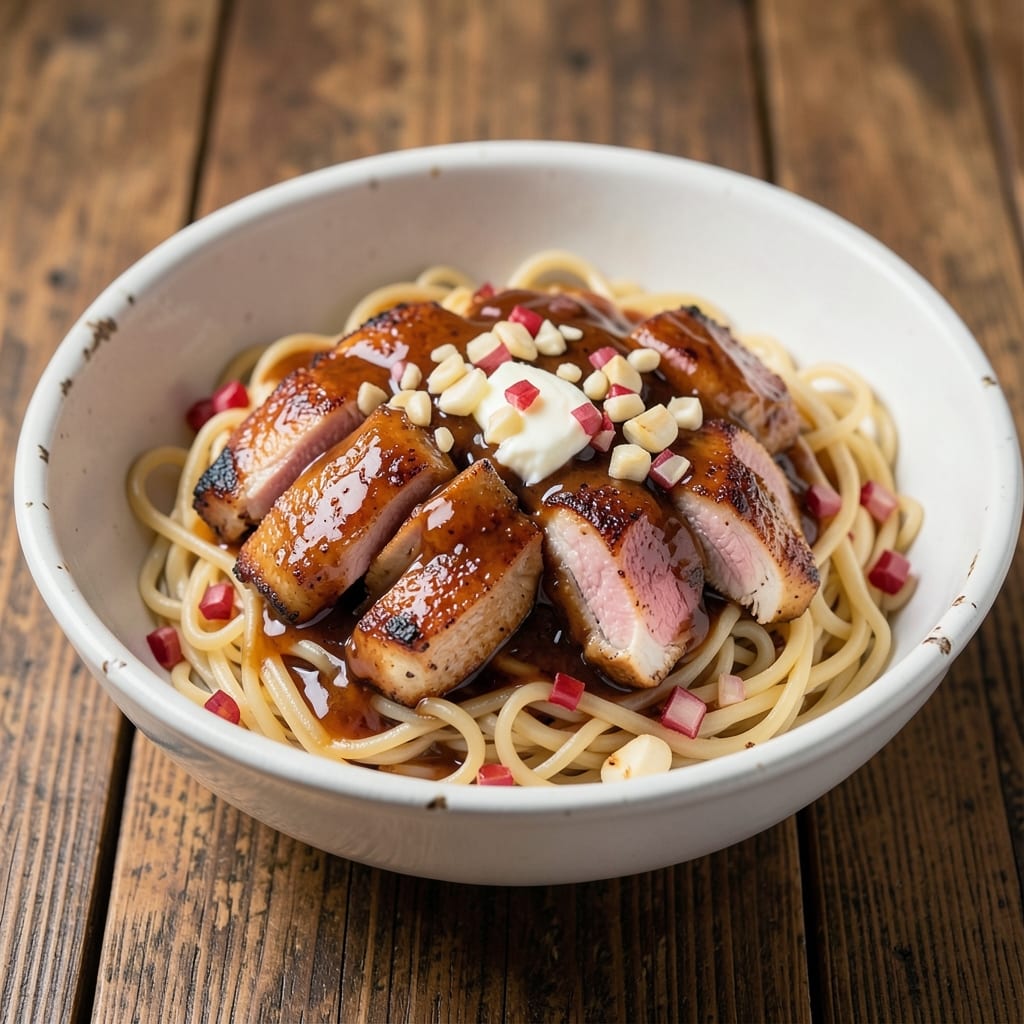
This drunken egg noodles recipe transforms simple ingredients into a rich, aromatic dish that tastes like a restaurant specialty. The secret lies in infusing garlic butter with a splash of alcohol—whether it’s beer, soju, or rice wine—while searing protein and simmering aromatics for deep, savory flavor. I developed this version after realizing how quickly leftover noodles and chicken could become something extraordinary with just a few pantry staples and a little technique.
The process is straightforward but packed with flavor-building steps: first, you sear protein until golden, then deglaze the pan with alcohol to create a fragrant base. The noodles soak up the garlic-infused butter while the sauce reduces into a glossy, slightly sticky glaze. What makes this dish special is how the alcohol’s heat mellows into a warm, comforting depth—no harsh aftertaste, just layers of umami and richness. Perfect for a quick weeknight dinner or a weekend brunch, this recipe delivers restaurant-quality results in under 30 minutes.
By the time you plate it, you’ll have tender egg noodles coated in a velvety, garlicky sauce with crispy protein pieces peeking through. The dish stays cohesive even when reheated, making it ideal for meal prep. Garnish with fried shallots or a drizzle of chili oil for extra texture and heat, and serve with pickled vegetables or a side of steamed greens to balance the richness. This is the kind of dish that turns ordinary leftovers into something memorable.
Whether you’re using beer’s maltiness, soju’s clean sharpness, or rice wine’s floral notes, the alcohol plays a crucial role in developing the sauce’s complexity. The key is letting it reduce just enough to concentrate the flavor without overpowering the dish. Trust the process—this recipe is foolproof for home cooks and adaptable to whatever protein or alcohol you have on hand. Let’s get cooking!
Ingredients for drunken egg noodles
Pantry staples meet boozy magic—just 14 ingredients for restaurant-style flavor.
| Ingredient | Amount | Notes |
|---|---|---|
| Egg Noodles 🍜 | 8 oz | Fresh or dried, any shape |
| Boneless Chicken Thighs 🍗 | 1 ½ lb | Skin-on for crispiness |
| Unsalted Butter 🧈 | 6 tbsp | Full-fat for richness |
| Garlic Cloves 🧄 | 6 cloves | Minced, fresh preferred |
| Shallots 🧅 | 2 whole | Sliced thinly, or sub onion |
| Alcohol of Choice 🍷 | ½ cup | Beer, soju, or rice wine |
| Chicken Broth 💧 | 1 cup | Low-sodium preferred |
| Soy Sauce 🍶 | 1 tbsp | Dark soy for color |
| Sesame Oil 🫒 | 1 tsp | Toasted for aroma |
| Oyster Sauce 🍲 | 1 tbsp | Optional for depth |
| Green Onions 🧅 | 2 whole | Sliced, for garnish |
| Salt 🧂 | 1 tsp | Kosher or sea salt |
| Black Pepper 🌶️ | ½ tsp | Freshly cracked |
| Vegetable Oil 🫒 | 2 tbsp | For searing |
The alcohol is the soul of this dish—beer adds maltiness, soju brings sharpness, and rice wine adds floral notes. Grab whatever you’ve got open, but avoid anything too sweet. For the chicken, thighs stay juicier than breasts, and skin-on gives extra crispiness. Costco or Trader Joe’s usually have pre-cut thighs, but if you’re buying whole, look for good marbling. The egg noodles? Any shape works—fresh or dried—but fresh soaks up the sauce better. If you’re using dried, cook them al dente—they’ll finish in the sauce.
No alcohol? Extra chicken broth with a splash of vinegar works in a pinch, though you’ll lose that signature depth. Fresh garlic and shallots are ideal, but dried powdered garlic at half the amount gets you close. Soy sauce is non-negotiable for umami, but if you’re out, miso paste or coconut aminos work. The sesame oil is optional but adds that nutty aroma—Trader Joe’s has the best toasted kind. For the butter, don’t skimp on the full-fat version. It’s worth the extra few bucks for that rich, velvety sauce. And if you’re feeling fancy, swap the green onions for chives or scallions.
This dish reheats beautifully—honestly tastes better the next day as flavors meld. Keeps 4-5 days in the fridge, freezes for 3 months. I always double the sauce and freeze it in ice cube trays for quick meals. Garnish with fried shallots or a drizzle of chili oil if you’ve got them—Trader Joe’s sells both. The noodles soften when reheated, so add a splash of broth to loosen the sauce.
Why You'll Love This Recipe
- One-Pan Magic: I swear by this recipe when I’m too tired to wash dishes. Brown the chicken, toss in the noodles and sauce, and boom—done. The butter pools at the bottom, turning golden while the noodles soak it up like a sponge.
- Garlic-Shallot Kiss: That moment when the shallots caramelize just enough to coat the noodles? Chef’s kiss. The garlic hits right after, and suddenly, you’ve got this rich, umami-packed sauce that makes everything taste like you slaved over it.
- Leftover Hero: Between us, this dish begs to be made in bulk. The chicken stays juicy, the noodles don’t get soggy, and the sauce clings to everything. I’ve reheated portions for three days straight—no complaints, just second helpings.
- Budget Win: Chicken thighs are forgiving, butter adds depth without costing a fortune, and egg noodles? Always affordable. Honestly, it’s the kind of meal that makes me feel like I’m treating myself without breaking the bank.
Step-by-step instructions for drunken egg noodles
Here's how to turn simple ingredients into restaurant-worthy drunken noodles with rich, boozy garlic butter.
🍳 Step 1: Sear the Chicken Thighs Until Golden
Pat the 1.5 lb boneless chicken thighs dry with paper towels—this ensures a crispy sear. Heat 2 tablespoons vegetable oil in a large skillet over medium-high heat until shimmering. Add the chicken and cook for 5-6 minutes per side until deeply golden brown and cooked through to 165°F internally.
Don't rush this step—the browned crust locks in flavor. If you notice any juices pooling in the pan, tilt the skillet and spoon them over the chicken. Once done, transfer the thighs to a plate and let them rest for 5 minutes before shredding. This resting period keeps them juicy when you return them to the pan later.
👨🍳 Step 2: Build the Boozy Garlic Butter Sauce
In the same skillet (no need to wipe it clean—those browned bits are flavor gold), reduce heat to medium and add 2 tablespoons sliced shallots. Cook for 2-3 minutes until softened but not browned. Add 6 cloves minced garlic and cook for 30 seconds until fragrant—don't let it burn, or you'll taste bitterness.
Pour in the ½ cup alcohol of choice and let it simmer for 2 minutes until reduced by half. This step is crucial—it cooks off the alcohol's sharpness while concentrating flavor. Stir in 1 tablespoon soy sauce, 1 tablespoon oyster sauce, and 1 teaspoon sesame oil, letting the mixture bubble gently for 1 minute to meld the flavors.
🍳 Step 3: Create the Rich Butter Sauce
Lower heat to low and add 6 tablespoons unsalted butter, stirring constantly until fully melted and incorporated. The sauce should look glossy and emulsified—this is where the magic happens. If it starts to separate, whisk vigorously or add 1 tablespoon chicken broth to help it come together.
Return the shredded chicken to the pan, coating it thoroughly in the sauce. Let it simmer for 2-3 minutes to absorb all those delicious flavors. Season with 1 teaspoon salt and ½ teaspoon black pepper, adjusting to taste. The sauce should be rich, slightly thick, and packed with umami from the chicken and sauces.
🍲 Step 4: Cook the Egg Noodles Al Dente
While the chicken simmers, bring a large pot of salted water to a rolling boil. Add the 8 oz egg noodles and cook according to package instructions until 1-2 minutes shy of al dente—they'll finish cooking in the sauce. Reserve ½ cup pasta water before draining, as it helps emulsify the sauce.
Drain the noodles and immediately add them to the skillet with the chicken and sauce. Toss everything together for 1-2 minutes until the noodles are fully coated. If the sauce seems too thick, add 2-3 tablespoons reserved pasta water to loosen it. The noodles should be tender but still have a slight bite—this ensures they don't turn mushy.
🥘 Step 5: Finish and Serve
Garnish the drunken noodles with 2 whole sliced green onions and an extra drizzle of sesame oil for aroma. Serve immediately in deep bowls, letting diners enjoy the rich, garlicky, boozy sauce clinging to every strand of noodle. The chicken should be tender, the sauce glossy, and the flavors perfectly balanced—sweet from the soy, funky from the alcohol, and rich from the butter.
This dish tastes even better the next day, so don't hesitate to make extra. The flavors deepen as the noodles absorb the sauce overnight, making it a perfect meal prep option for busy weeknights.
Pro Tips For Making Drunken Egg Noodles
- CRISP THE CHICKEN FIRST: I learned this the hard way—skipping the initial sear means your chicken stays rubbery. Pat those thighs very dry, then hit them with high heat in butter until golden-brown on both sides (about 4-5 minutes per side). The crust locks in flavor and keeps the meat juicy when it finishes in the sauce.
- MINCE SHALLOTS LIKE SAUCE: Tiny, even pieces = silky sauce. Pulse shallots in a food processor for 3-4 seconds, then pulse garlic right after—this keeps them uniform and prevents burning. (Yes, even if you’re impatient like me, resist the urge to chop by hand.)
- DON’T BOIL THE NOODLES RAW: Overcooking noodles turns them mushy, and no one wants that. Test them before they hit the sauce—al dente means they should have a slight bite, like when you bite into a fresh bagel. Drain and toss with a splash of cold water to stop cooking.
- SAVE THE BUTTER BROTH: After searing chicken, don’t dump that golden butter down the drain—it’s liquid gold. Deglaze with a splash of white wine (or broth) and scrape up every last bit of fond. That’s where half the flavor hides, and it’s the thing that makes this dish taste restaurant-worthy.
Best sauces and condiments for this drunken egg noodles
Garlic Butter Base
Start with 6 tablespoons unsalted butter melted into the pan after searing the chicken—this creates the luxurious foundation. I like to use Plugrá European-style butter for its high fat content and rich flavor. Melt it slowly over low heat while stirring constantly to prevent burning. The butter should turn glossy and emulsify with the reduced alcohol and aromatics, creating a velvety texture that coats every noodle perfectly. 🧈
Alcohol Infusion
The alcohol is non-negotiable—it transforms a simple sauce into something complex. For beer lovers, use a light lager like Corona or Budweiser for maltiness that balances the garlic. Soju (like Chum Churum) adds a clean, sharp note that cuts through the richness, while dry sherry brings floral depth. Reduce the alcohol by half before adding other ingredients to mellow its sharpness. Never skip this step—it’s what makes these noodles "drunken."
Umami Boosters
Combine 1 tablespoon soy sauce (I prefer Lee Kum Kee dark soy) with 1 tablespoon oyster sauce for that signature umami punch. The dark soy adds color too—your dish will look as good as it tastes. For extra depth, add ½ teaspoon fish sauce or 1 teaspoon mushroom powder if you’re feeling adventurous. These ingredients work together to create a savory backbone that ties all the flavors together.
Sesame Oil Finish
Toast 1 teaspoon sesame oil in a small pan until it smells nutty (about 30 seconds), then let it cool before adding it to the sauce. This step elevates the dish with aromatic complexity. For a smoky twist, swap in ½ teaspoon chili crisp or 1 teaspoon toasted sesame paste. The oil should be the last thing you add—it carries the most delicate flavors and needs to be protected from heat.
Sauce Thickeners
If your sauce feels too thin, stir in 1 teaspoon cornstarch mixed with 1 tablespoon cold water to create a slurry. Add it gradually while simmering until the sauce reaches your desired consistency—it should coat the back of a spoon but still be pourable. For a richer texture, whisk in 1 tablespoon heavy cream at the end. The sauce should cling to the noodles without being gluey.
Garnish Game-Changers
Top with fried shallots (store-bought or homemade) for crunch and color—Trader Joe’s sells them pre-made. A drizzle of chili oil (like Lao Gan Ma) adds heat, while crushed roasted peanuts bring texture. For freshness, sprinkle thinly sliced scallions or cilantro. These garnishes aren’t just decoration—they add layers of flavor that take your dish from good to extraordinary.
Nutrition facts
Frequently asked questions
Can I use any type of alcohol for drunken egg noodles?
Yes, but different alcohols create distinct flavors. Beer adds maltiness (try light lagers like Corona), soju brings sharpness (great for cutting richness), and dry sherry offers floral notes. Avoid sweet liquors—they can overpower the dish. If you're out of alcohol, substitute with extra chicken broth plus 1 teaspoon vinegar for acidity.
Why do my noodles turn mushy when I toss them in the sauce?
This happens when noodles cook too long in the pot. Always cook them 1-2 minutes shy of al dente—they'll finish cooking in the hot sauce. Also, avoid overcrowding the pan when tossing. If the sauce feels too thick, add 2-3 tablespoons reserved pasta water to loosen it while keeping the noodles firm.
What's the best protein substitute for chicken?
Pork shoulder (shredded) works beautifully for extra richness, while shrimp or scallops add seafood elegance. For vegetarian options, use extra-firm tofu (pressed and pan-fried) or mushrooms (shiitake or oyster) for umami. Just adjust cooking times—seafood cooks in 2-3 minutes while tofu needs 5 minutes per side for crispiness.
How do I make this dish spicier?
Add ½ teaspoon chili flakes to the pan with garlic, or stir in 1 tablespoon chili crisp at the end. For heat lovers, swap ½ cup of the broth for chili oil or blend 1-2 fresh red chilies into the sauce. Garnish with sriracha mayo or gochujang drizzle for extra kick.
Can I make drunken egg noodles ahead of time?
The flavors actually improve overnight. Cook and assemble the dish, then refrigerate for up to 4 days. Reheat gently with 1-2 tablespoons broth to loosen the sauce. For freezing, store components separately (noodles, sauce, protein) and reheat in a skillet for 3-5 minutes—the sauce will thicken slightly but can be thinned with extra broth.